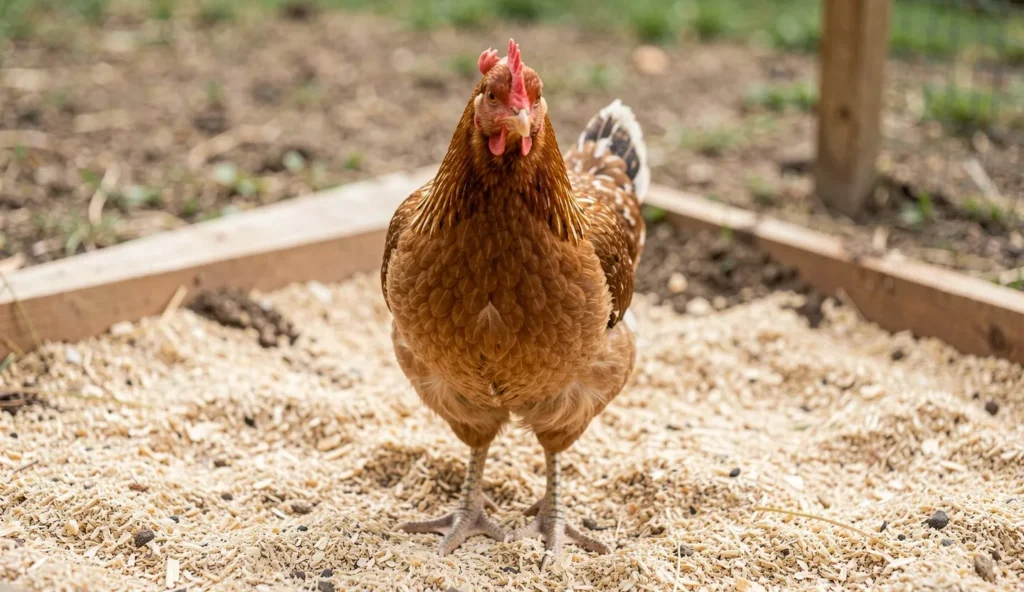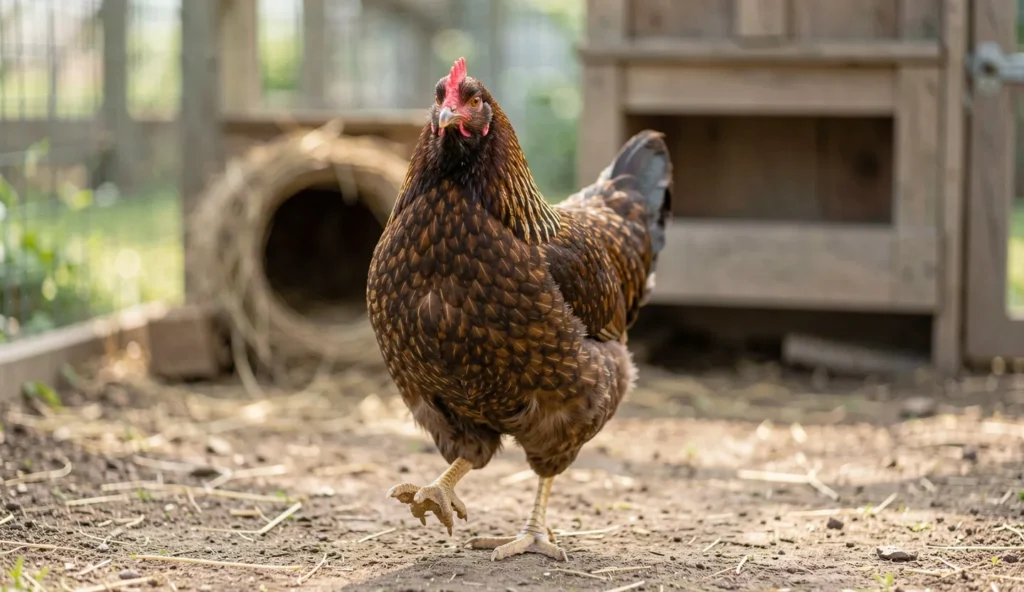
What Is An Ameraucana Chicken
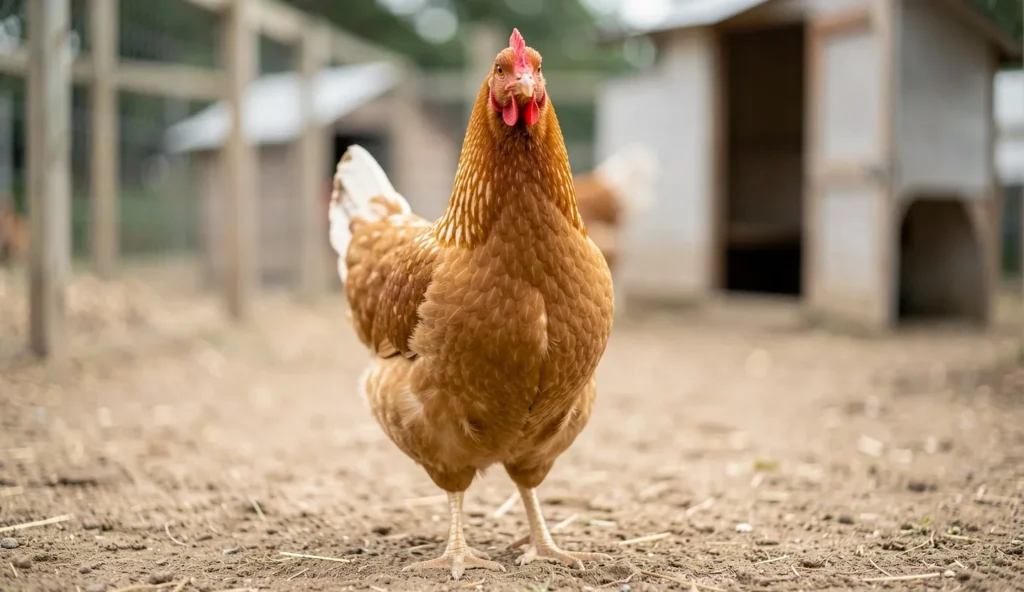
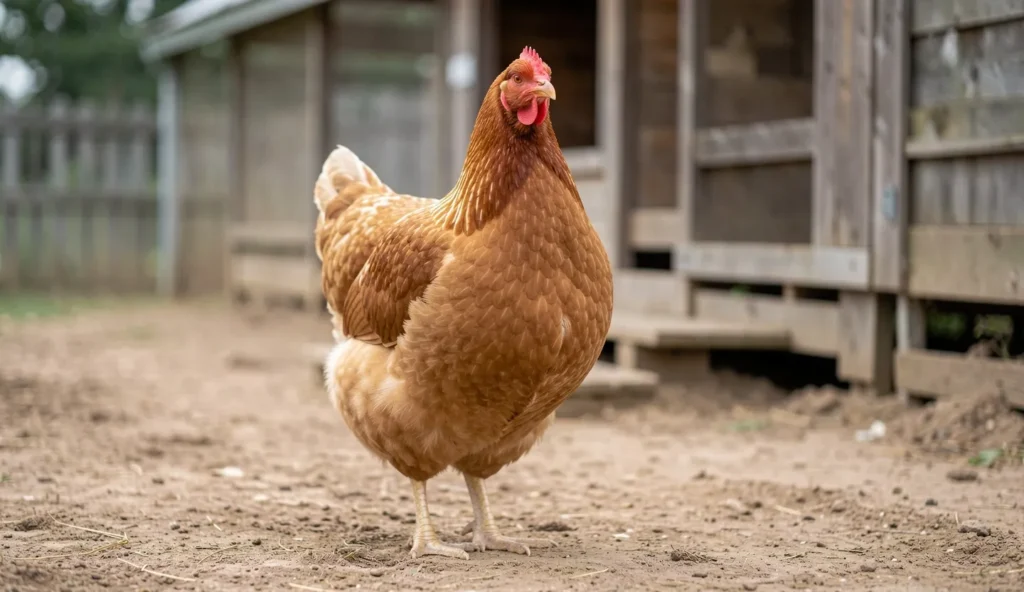
The Ameraucana chicken breed comes from South American egg-laying lines that were developed for stable traits in backyard flocks. These chickens stand out for the potential to produce blue egg layers and for a generally manageable Ameraucana temperament. Many owners choose them because they combine good backyard suitability with recognizable facial feathering.
As a result, the breed fits well for people who want a classic dual-purpose look and reliable egg production. However, proper setup still matters for consistent Ameraucana eggs and overall flock health.
Breed Origin And Purpose
Ameraucana chickens were created from South American egg-laying birds. Breeders focused on stable traits, including blue egg color and a consistent appearance. Over time, the breed became widely kept for both small flocks and backyard egg production.
Because the goal centered on predictable traits, the Ameraucana chicken breed gets bred for more than just looks. Owners usually expect steady productivity once hens mature.
Recognized Types And Breed Standards
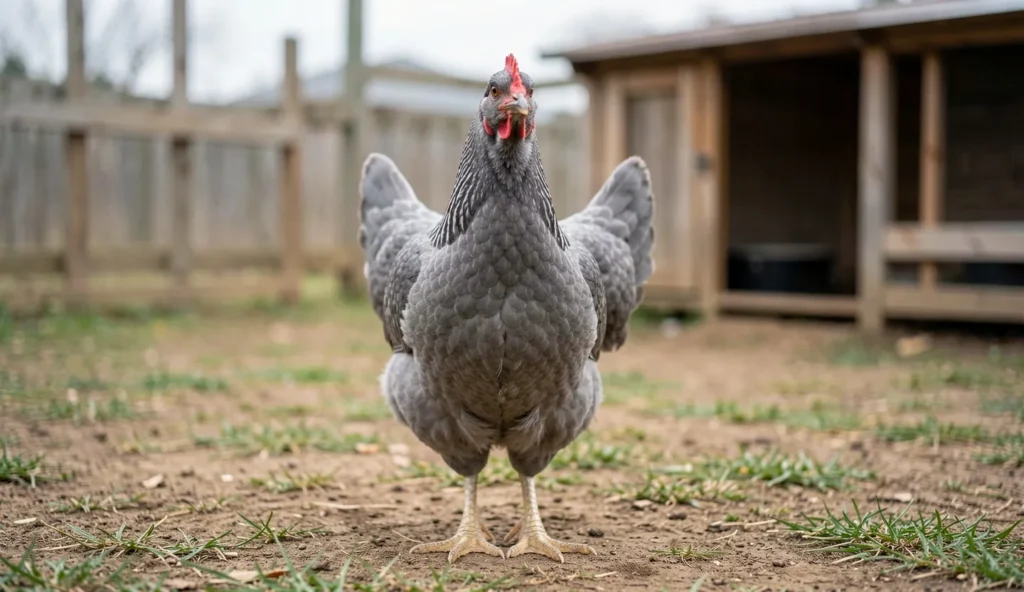
Ameraucana is a recognized breed, which means it is not a random cross. Standards focus on body and feather traits that help identify true birds. Facial features such as a beard and muffs commonly matter for breed purity.
In addition, color varieties exist and can change how the bird looks at first glance. Even so, egg color goals stay tied to the genetics of the hen.
Ameraucana Vs Araucana
Ameraucana chickens often show a beard and muffs under breed standards, which makes the face easier to identify. Araucana lines more commonly emphasize ear tuft traits. Another difference appears in how breeders name and standardize lines, even when egg color can overlap.
For many beginners, the practical takeaway is simple. Ameraucana vs Araucana matters most for facial traits and breed standards, while egg color may still appear blue on the shell.
Ameraucana Appearance And Egg Color
Ameraucana appearance centers on distinctive feathering around the face and a well-built body that suits backyard routines. At the same time, egg color often drives interest in blue egg layers. The key is understanding how “blue” shows up on the shell and what can influence consistency.
For best results, identification should focus on both body traits and expected egg behavior over time. That approach supports accurate expectations for Ameraucana care and flock planning.
Physical Features To Look For
Common features include a beard and muffs around the face. The legs and overall body feathering also help confirm the bird’s type. Many birds show a posture that supports comfortable movement in typical backyard coops.
When possible, observing feather patterns from multiple angles helps avoid confusion with look-alike birds. That matters because buyers often want true breed characteristics.
True Blue Egg Layers Explained
Ameraucana eggs are often described as blue because the shell tone appears blue to the eye. This color depends on shell pigment created inside the hen. Even when eggs look blue from day to day, shade can vary between hens and across laying cycles.
Also, stress and general hen health can change how the shell color looks over time. Proper management supports more consistent results.
Egg Color Range And What Affects It
Blue shades can range from pale tones to deeper blue colors. Perceived color also depends on lighting, egg age, and shell finish. Younger hens may lay eggs that look lighter until their bodies fully mature.
Nutrition and stress level can also influence how consistently eggs appear blue. Therefore, Ameraucana eggs work best as a long-term expectation, not an instant guarantee.
Rooster And Hen Differences
Roosters typically grow larger with more developed comb and wattles. Hens usually settle into steadier production patterns once they reach full maturity. Temperament differences can occur between sexes, especially in crowded conditions.
Even then, individual personality matters most. Care planning still needs to support the entire flock, not only the egg layers.
Ameraucana Temperament And Flock Compatibility
Ameraucana temperament often gets described as calm and manageable, which supports backyard chicken care for first-time keepers. Many hens handle routine checks well when owners keep schedules steady. Still, behavior varies between individual birds and the way a flock gets managed.
To reduce problems, flock integration should focus on space, slow introductions, and consistent handling. Those steps support a smoother experience for owners comparing Ameraucana temperament across birds.
Ameraucana Temperament Around People
Many Ameraucana hens stay calm and easy to work with during daily routines. Individual personality depends on early handling and the specific line of birds. Consistent feeding and calm approach usually reduce nervous behavior.
When birds get accustomed to people, inspections for eggs, feet, and feathers become easier. That makes Ameraucana care more practical in day-to-day life.
Ameraucana Temperament With Other Chickens
Flock compatibility depends heavily on group size and space availability. When birds have enough room, chasing and bullying usually decrease. New birds should join gradually, often with a separation period so the flock can adjust.
In addition, adding more space to the run helps reduce competition around feeders and waterers. That management step supports long-term harmony.
For owners building a mixed setup, it can help to compare breed temperaments when choosing companions. A calm breed like Rhode Island Red can pair well in many backyard flocks when space and routine get handled well.
Common Behavior Signs To Watch
Excessive feather pecking can signal stress, boredom, or overcrowding. Low appetite and hiding may indicate illness, especially when the behavior lasts more than a day. Aggression can also increase during growth phases and seasonal changes.
When these signs show up, a quick review of bedding, ventilation, and feeding schedule often finds the cause. Observation supports earlier intervention, which improves flock outcomes.
Ameraucana Care Basics For Backyard Keepers
Ameraucana care includes housing, daily checks, and simple routine maintenance that keeps birds comfortable. Many owners succeed by focusing on dryness, airflow, and secure outdoor space. These basics support healthier hens and help protect against common issues tied to poor coop conditions.
Because the Ameraucana chicken breed often gets purchased for egg color goals, stable care directly supports blue egg layers. When care stays consistent, hens usually lay more predictably.
Housing Essentials And Space Requirements
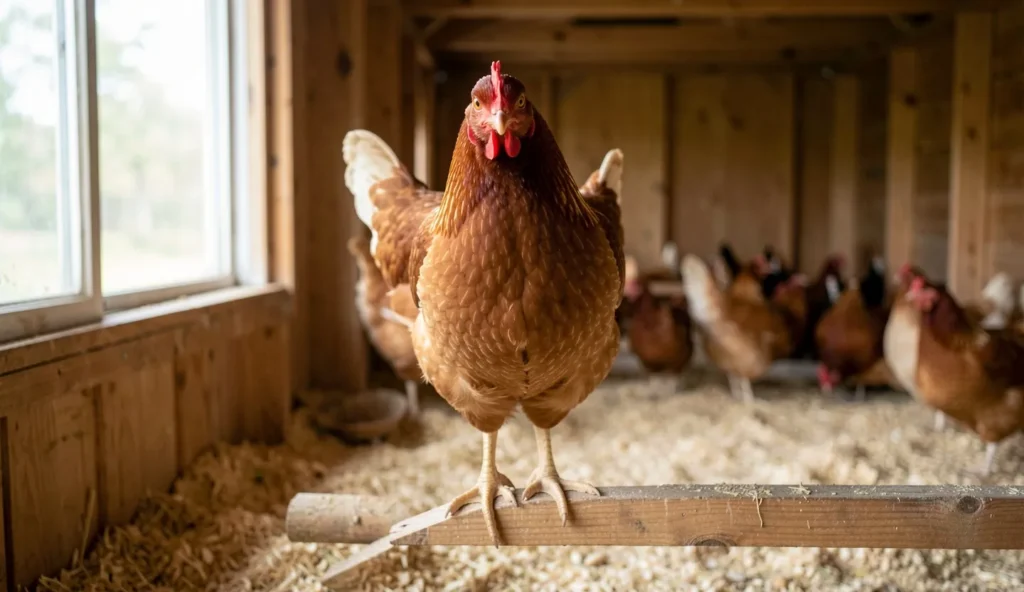
A dry coop with ventilation supports healthier lungs and drier bedding. Airflow should remove moisture without creating drafts that chill birds. Roosts should match the bird’s comfort level so hens can jump safely.
Outdoor run space matters for movement and foraging. Even calm flocks need room to reduce pressure from other birds.
If planning a mixed flock, choosing birds with similar space needs helps. Owners comparing dual purpose chickens sometimes start with breed research on birds like Plymouth Rock chicken to balance size and activity levels.
Bedding, Nest Boxes, And Cleanliness
Absorbent bedding helps control moisture and limits odor buildup. Clean nesting areas also reduce dirty eggs, which saves time during collection. Regular cleaning reduces ammonia levels that can irritate the respiratory system.
Soiled bedding should get removed promptly, especially in the nesting area. That reduces bacteria and helps keep feather condition cleaner.
Temperature And Weather Considerations
Ameraucana care involves protecting birds from extreme heat and cold. In winter, dryness and airflow matter more than sealing the coop completely. In summer, shade and frequent water checks help prevent dehydration.
Because hens form a routine, owners should keep feeding and watering tasks consistent even during seasonal changes. That consistency lowers stress for birds adjusting to weather.
Starter Checklist For New Owners
Before birds arrive, planning the setup prevents mistakes during the first weeks. A secure coop, a predator-safe run, and dependable daily routines make the biggest difference for new owners. Also, measured treat use supports better digestion and steadier lay.
Use this checklist to prepare for the first season with the Ameraucana chicken breed.
- Ventilated coop that stays draft-free
- Roost height that birds can reach easily
- Predator-proof fencing around the run
- Clean water access that works in all weather
- Balanced feed and treat routine you can maintain
When comparing feed approaches between breeds, it helps to review how other egg layers get managed. For example, Leghorn chicken care guides often highlight the importance of consistent laying diets.
Feeding Ameraucana Chickens For Strong Egg Production
Feeding Ameraucana chickens supports steady production and the consistent look of Ameraucana eggs. The most effective approach uses complete feeds matched to growth stage. Treats and supplements can fit, but only when they do not replace core nutrition.
Because blue egg layers depend on the hen’s internal egg-making process, stable diet quality plays an indirect role in shell appearance and production. Ameraucana care becomes more successful when feeding stays predictable.
Diet For Chicks And Growing Pullets
Use a chick starter feed formulated for early growth. Clean water should stay available so pullets can eat without competition issues at the feeder. Track growth and adjust feed amounts based on the stage guidelines from the feed maker.
Also, reduce crowding by spreading feeders if the group is large. That helps every bird eat enough to grow into productive layers.
Diet For Laying Hens
Layer feed provides complete nutrients designed for egg production. Calcium support is especially important when hens begin laying and increase output. Many owners rely on feed designed for layers rather than adding multiple supplements from day one.
Consistency matters because abrupt diet changes can affect digestion. A stable schedule supports steady lay and fewer feeding-related health problems.
For owners also raising birds with different growth patterns, reviewing other breed feeding timelines can help. A breed like Easter Egger Chicken also attracts blue or tinted egg interest, so comparing management routines can clarify what to expect from layered hens.
Treats And Supplements That Fit Backyard Flocks
Treats should remain limited so the overall diet stays balanced. Leafy greens and safe kitchen scraps can work as occasional add-ons. Sudden major changes can disrupt digestion and reduce feed intake.
If supplements get used, they should align with the feed plan rather than overpower it. That keeps nutrition steady and supports healthy egg formation.
Water Requirements And Seasonal Adjustments
Fresh water should stay available at all times. Bowls and waterers need regular cleaning to prevent contamination. In hot weather, owners should check water frequently to avoid dehydration and missed drinking.
In cold weather, water still needs to stay accessible without freezing issues that stop birds from drinking. Careful monitoring improves overall health, which supports reliable egg laying.
Training, Handling, And Grooming For Health
Training and handling create a foundation for easier inspections and safer care. Grooming tasks do not need to be complex, but they do need to happen regularly. Simple routines reduce stress and support early detection of problems.
Ameraucana care works best when birds get accustomed to calm checkups. That habit supports flock comfort and can reduce injuries caused by sudden handling.
Handling And Getting Birds Comfortable
Approach calmly and keep checks at consistent times. Gentle handling helps during nail trimming, feather inspection, and body checks. Avoid chasing because it increases stress and can raise injury risk.
Over time, birds often learn the routine and respond more predictably. That makes daily work faster and less disruptive.
Grooming And Routine Checks
During routine care, inspect feet for swelling, scabs, or redness. Check around the vent and under wings for signs of external parasites. Eyes and comb can also provide early signals of illness.
When abnormalities appear, simple changes to bedding and environment sometimes improve recovery. If symptoms persist, prompt veterinary guidance matters.
Feather And Nest Care
Healthy bedding helps keep feathers cleaner and supports a more comfortable molt cycle. Nest boxes should include suitable nesting materials and a clean laying surface. Soiled bedding should get removed right away to reduce odor and bacteria buildup.
Because laying behavior can be sensitive, clean nesting areas also encourage regular egg use. Owners often see fewer egg-laying surprises when nesting gets maintained closely.
For broader flock management ideas, it can help to compare coop hygiene habits across other breeds. For instance, people raising hardy birds like Australorp Chicken often emphasize bedding control and steady routines.
Common Health Issues In Ameraucana Chickens
Common health issues in Ameraucana chickens usually tie to housing conditions, nutrition, and stress. With careful observation, many problems get caught early. That improves outcomes and prevents minor issues from becoming serious.
Because the Ameraucana chicken breed gets kept for egg production, owners should monitor both behavior and laying changes. Production problems often signal an underlying health or diet issue.
Parasites And External Problems
Mites and lice can cause irritation and lead to feather loss. Dust bathing areas can help some birds manage minor irritation. Treatments should follow poultry-safe directions based on the bird’s age and conditions.
Regular inspections under wings and around the vent help owners spot issues early. Once parasites get established, they usually spread across a flock quickly.
Respiratory And Digestive Issues
Poor ventilation and wet bedding increase respiratory risks. Sudden feed changes can also contribute to digestive upset, which may reduce appetite. Owners should watch for coughing, discharge, and changes in droppings.
When these signs appear, checking coop moisture and cleaning schedules should come first. That step often reduces irritants that worsen symptoms.
Egg Laying Problems And Calcium Balance
Soft-shelled eggs can suggest calcium or nutrition imbalance. Laying delays can also happen when seasonal light changes affect hormones. Ongoing straining can indicate an egg-laying complication that needs closer attention.
To reduce risk, layer feed should match the hen’s production stage. Calcium support should stay aligned with feed instructions rather than random additions.
When To Seek Veterinary Help
Veterinary help becomes necessary when severe lethargy, breathing trouble, or repeated egg-related issues occur. Treatments vary based on diagnosis, age, and how long symptoms have lasted. Early action often improves outcomes for many common conditions.
Owners should also contact a poultry-experienced veterinarian when multiple birds show the same symptoms. That pattern can indicate an infectious or environmental problem.
Is An Ameraucana Chicken Right For You
The Ameraucana chicken breed can work well for backyard chicken keepers who want blue egg layers and an easygoing Ameraucana temperament. These birds often fit mixed flocks when space and introduction methods get handled correctly. They also reward owners who maintain clean bedding and consistent feeding schedules.
Before buying, matching expectations to daily responsibilities prevents frustration. A clear care plan supports more consistent Ameraucana eggs and fewer emergencies.
Good Fit For Backyard Goals
Ameraucana chickens suit people who want blue egg layers and a bird that usually tolerates handling. They can also fit mixed flocks when enough space reduces chasing and competition. Owners who keep nesting areas clean often find egg collection becomes simpler.
Routine monitoring also supports health and steady production. That makes Ameraucana care manageable even for beginners.
Situations Where A Different Breed May Be Easier
Ameraucana chickens may not fit owners who cannot maintain routine coop cleaning. They also may be harder for keepers who cannot watch for bullying and parasites during flock changes. In extreme climates, extra planning for dryness, ventilation, and shade becomes necessary.
If those factors feel unmanageable, another breed may offer a better match. Breed comparisons can reduce trial-and-error during the first year.
What To Expect During The First Months
Growth changes happen before stable egg laying begins, so expectations should match the pullet stage. Egg color often becomes more consistent as hens mature and establish regular laying patterns. During this time, monitoring behavior and adjusting care helps identify potential issues early.
Keeping routines stable usually reduces stress, which can support a smoother transition into laying.
A Solid Routine Helps Ameraucana Chickens Stay Healthy
A dependable routine supports drier bedding, steady feeding, and calmer hens, all of which improve daily outcomes. When Ameraucana care stays consistent, the flock is more likely to reach its egg production potential with fewer disruptions.
Frequently Asked Questions
How Can Ameraucana Eggs Be Blue?
Blue color comes from shell pigment produced inside the hen, and the shade can vary by genetics and the laying cycle.
At What Age Do Ameraucana Chickens Start Laying?
Most pullets start around 5 to 7 months old, depending on nutrition, season, and growth rate.
What Is The Ameraucana Temperament Like?
Many Ameraucana chickens are calm and easier to manage with routine, though individual behavior still varies by flock setup.
How Do Ameraucana And Araucana Chickens Differ?
Ameraucana standards usually include a beard and muffs, while Araucana-type traits often emphasize ear tuft features.
What Should Ameraucana Chickens Eat For Healthy Blue Egg Layers?
Use a complete chick starter for young birds and a complete layer feed for hens, while limiting treats and supporting calcium.
What Are The Most Common Health Problems In Ameraucana Chickens?
External parasites and respiratory issues often relate to coop conditions, while egg laying problems can stem from stress or nutrition.
Final Note For New And Returning Ameraucana Owners
Consistent housing, feeding, and observation keep Ameraucana chickens comfortable and support more reliable production. A clear care routine helps protect the flock while letting the Ameraucana chicken breed show its best traits.