What Is A Milk Snake
Milk Snake is a popular nonvenomous snake from the New World colubrids, known for bright bands and bold contrast. Native populations span parts of North and Central America. Captive breeding has also created many stable milk snake morphs that keep patterns visually exciting from one generation to the next.
Because milk snake colors and patterns stand out so strongly, the species also gets confused with coral snakes. That confusion matters for safety, even though Milk Snake is harmless and does not use venom for defense. With proper identification, care, and handling habits, keeping a milk snake is usually straightforward for new owners.
Species Basics
Milk snakes are nonvenomous and belong to the New World colubrids. Different populations exist across parts of North and Central America. Captive breeding has produced many stable color and pattern lines that owners often recognize at a glance.
Why Color And Pattern Vary So Much
Genetics and local variation drive differences in bands and blotches across lines. Breeders also select for traits that change how light and dark areas appear in the final pattern. In many milk snake morphs, some traits show more clearly as the snake matures.
Milk Snake Colors And What They Usually Look Like
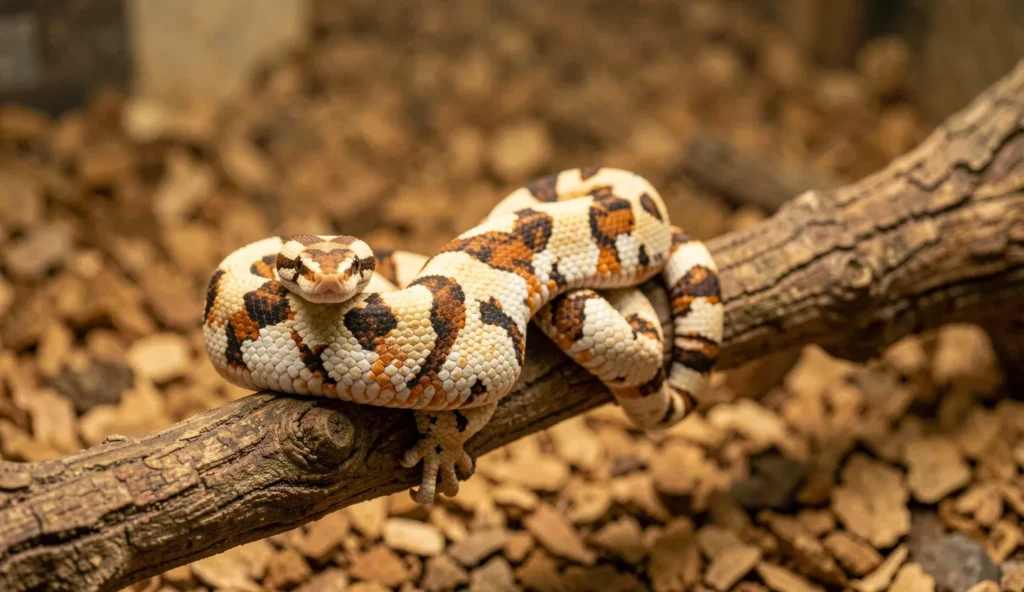
Milk Snake color appearance often comes down to a background pigment plus contrasting dark bands. Many animals show a bright cream or white base with orange, red, or tan highlights. Other lines lean toward gray or muted browns, which can make the pattern look softer even when it remains distinct.
Because lighting and camera settings can shift perceived tones, owners should focus on stable pattern structure rather than one photo. Even so, the typical milk snake palette helps people narrow down what they are looking at. When bright colors remain consistent over molts, the pattern identity becomes easier to confirm.
Common Background Colors
White to cream backgrounds often create high contrast banding that looks crisp and clean. Gray and tan backgrounds may make patterns appear more blended. Orange red tones can range from pale and warm to vivid and saturated depending on the line.
Common Markings And Highlights
Dark bands may appear black, charcoal, or deep brown on many Milk Snake individuals. Some snakes show clean borders between colored bands that look sharply separated. Other animals show broken edges or merged pattern blocks that create a more irregular look along the sides.
How Lighting Affects Color Perception
Warm indoor lighting can increase perceived reds and oranges in Milk Snake patterns. Overly cool light can make colors look duller or shift the background toward gray. Camera flash may exaggerate band contrast, so judging from a single image often misleads people.
Milk Snake Patterns And How Bands Form
Milk snake patterns usually appear as bands, blotches, or ring-like blocks that wrap around the body. Owners often ask about how full rings differ from broken segments. Understanding those pattern types helps with identification and also supports realistic expectations for how a snake will look as it grows.
Even when two snakes seem similar, pattern edges and band continuity can differ at the scale of a single segment. That is why consistent husbandry and clear observation across molts help owners recognize changes over time. These changes also influence how bright milk snake morphs appear in a standard enclosure.
Banding Versus Blotching
Some milk snakes show complete rings around the body. Others show partial bands that break into spots or stagger along the sides. Blotchier patterns can look like saddles along the back, especially when dark pigment stretches rather than forming strict rings.
Checkerboard And Stripe Like Variations
Certain lines produce narrow bands that resemble striping instead of thick rings. Some patterns create a staggered check effect along the sides where dark blocks alternate with lighter areas. Pattern clarity often changes as the snake grows, so a young animal can look different from an adult.
Tail Pattern Changes With Age
Tail regions can become more or less ringed than the body depending on the line. Pattern edges may also look smoother after molts because old pigment boundaries fade. Juveniles may show stronger contrast than adults in some milk snake morphs.
How Milk Snake Morphs Work
Milk snake morphs describe named genetic variations that create predictable changes in appearance. The result often includes differences in pigment intensity, background tone, and how bands or blotches arrange themselves. While morph names can be helpful, matching a visual to genetics always requires careful line information from a breeder or seller.
At the same time, owners should avoid expecting guarantees from any single morph label. Offspring frequently fall within a range of visual outcomes, but individual variation still occurs when multiple genes combine. This helps explain why two milk snakes from similar backgrounds can still show distinct pattern crispness.
What Is A Morph In Simple Terms
A morph is a named genetic variation that changes appearance. Morphs can affect color intensity and pattern structure in ways that owners can consistently observe. Not every animal with a look has the same genetic cause, which is why line details matter.
How Morph Names Are Commonly Used
Breeders use morph names to describe consistent traits that show up across many offspring. Different lines can produce similar visuals with different genetics, so names can overlap in appearance. Owners should ask sellers for line history and pairing details when possible.
What To Expect From Breeding Outcomes
Offspring patterns often fall within a predictable range when a pairing uses consistent line traits. Individual variation still happens because genetic mix changes how pigment expresses in each hatchling. Keeping records also helps track how milk snake morphs express over multiple generations.
Milk Snake Vs Coral Snake How To Tell Them Apart Safely
Milk Snake vs coral snake confusion comes from shared banded color patterns that can look similar at a quick glance. The key safety point stays simple: Milk Snake is nonvenomous and does not present venom risk. Even so, correct identification should still be treated seriously because incorrect handling can lead to injury from bites or stress in any snake.
When band order and local variation blur the visual, safe habits matter more than guesswork. Owners can use pattern clues as a guide while relying on verified sources for confirmation. For snake keepers interested in bright patterns, comparing Milk Snake to other species like Ball Python can also highlight how pattern structure differs across colubrids and pythons.
Some people also cross-compare patterns with other high-profile snakes such as Corn Snake to learn how bands can shift within a harmless species group. That comparison approach supports better visual learning while reinforcing that coral snake identification requires careful attention. For more background on banded colubrids, resources like Corn Snake can help clarify what “look-alike” usually means in practice.
Are Milk Snakes Venomous
Milk snakes are nonvenomous and do not have venom delivery fangs. They can still bite defensively if handled roughly. Proper handling and gentle support reduce stress and make bites less likely.
Pattern Clues That Help With Identification
Coral snakes have a distinctive band order commonly described by rhymes. Milk snakes may share band colors, but the sequence can differ from the classic coral snake order. Local variation exists, so identification from photos can be unreliable and should be treated as uncertain until confirmed.
Safer Practices When Colors Look Similar
Avoid handling wild snakes that resemble coral snakes, even when the pattern seems familiar. Rely on reputable species resources and confirmed local expertise when identification matters. When in doubt, treat it as potentially dangerous and keep distance.
Owners who keep snakes in controlled environments can still benefit from cross-checking care patterns with other species guides. For example, reviewing general husbandry principles from Ball Python care style articles can help keep enclosure conditions stable even when species differ. This approach supports overall health and reduces stress triggers for all reptiles.
Milk Snake Size Housing And Care For Healthy Bright Patterns
Milk snake size and husbandry strongly affect how vivid banding looks over time. When heating, feeding, and humidity remain stable, patterns generally stay crisp after molts. When conditions drift, shedding problems and skin issues can make colors appear muted even if the genetics remain the same.
Care for Milk Snake also stays practical because the species usually adapts well to captive setups. Still, owners must build a system that supports secure housing and predictable feeding. That consistency matters as milk snake morphs show their best color when the skin cycle stays healthy.
Typical Milk Snake Size And Growth
Adult milk snakes typically reach a manageable length for many home setups. Growth rate depends on feeding consistency and husbandry quality. Body weight and length can vary by line and sex, so individual adult size may differ from one animal to another.
Owners should plan enclosure dimensions based on the expected adult length, not hatchling size. A longer adult also needs enough space to stretch, thermoregulate, and rest without constant obstruction. When space stays adequate, the snake maintains normal movement and feeding patterns.
Enclosure Setup Basics
Use a secure enclosure with proper ventilation to prevent escape and stale air. Provide hides on both warm and cool sides so the snake can choose its comfort zone. Use a substrate that supports burrowing and easy cleaning.
- Choose a locking lid and double-check latch strength.
- Set two hides that match the snake’s size.
- Use paper-based bedding or safe reptile substrate options.
- Add a water bowl large enough for soaking if needed.
- Provide simple decor for calm access, not clutter.
Because bright patterns draw attention, enclosure setup should still prioritize function over visuals. Owners who keep multiple species often find that husbandry consistency reduces mistakes during daily checks. If a keep is also focused on color presentation in other reptiles, comparing setups can help, such as reviewing boa basics in Boa Constrictor care resources.
Temperature And Humidity Targets
Create a warm basking area and a cooler retreat zone to support normal digestion and daily movement. Use a thermostat for safe heat control and avoid direct heat sources that can overshoot. Maintain humidity that supports shedding without excess dampness.
Stable temperature helps prevent stress and supports feeding response. Correct humidity helps the shed process move smoothly, especially around the eye caps. If shedding frequently stalls, humidity targets usually require adjustment rather than more handling.
Feeding And Nutrition
Feed appropriately sized frozen thawed prey for consistent nutrition and safe feeding sessions. Adjust prey size as the snake grows and after body condition checks. Offer meals on a predictable schedule and avoid overfeeding.
After feeding, allow time for digestion before handling. Many milk snakes do well when a routine stays consistent in feeding days and prey size. When feeding is irregular, stress can increase and the snake may resist handling or show inconsistent appetite.
To improve feeding discipline, some owners compare prey size guidance across similar constricting and nonvenomous keepers. Even though species differ, learning structured feeding habits from sources like Reticulated Python can reduce “guess feeding” habits. The goal stays the same: consistent prey sizing and clean feeding routines.
Handling Temperament And Stress Signs
Many milk snakes become calm with regular, gentle handling supported by stable conditions. Watch for defensive behavior such as tail vibration, fast retreat into hides, or repeated attempts to escape. Support the body fully and avoid sudden grabs.
Handling should also respect shedding cycles. During active shedding, the snake often remains sensitive, and frequent handling can increase friction and cause incomplete sheds. A calm approach keeps patterns looking their best because skin integrity stays higher.
Grooming And Shedding Care
Provide correct humidity to help achieve complete sheds. Inspect shed pieces for retained eye caps or tail tips because those fragments usually signal a shed that ran short. Avoid excessive handling during active shedding.
When shedding is incomplete, retained parts can restrict blood flow and lead to complications. Owners should focus on enclosure humidity and avoid changing multiple variables at once. Simple adjustments often fix the problem faster than frequent interventions.
Common Health Issues To Monitor
Respiratory problems can develop with incorrect humidity or temperature that stays too cool and damp. Skin issues may occur after incomplete sheds or prolonged friction. Parasites can often be prevented through proper quarantine procedures and consistent hygiene.
If breathing sounds become audible, mouth bubbles appear, or the snake loses weight without reason, a veterinarian visit becomes necessary. Health monitoring should remain routine, including observing appetite and movement patterns. Early detection typically improves outcomes for most reptile health concerns.
Is A Milk Snake Right For You
Milk snakes are good options for beginners who want bright patterns and a nonvenomous species. They require stable heating, feeding discipline, and clean enclosures. People who want straightforward, nonvenomous care often prefer Milk Snake over more demanding venomous species categories.
Still, “easy” depends on consistency. Owners who can maintain temperatures, track shedding, and handle gently usually do well. When those basics are in place, milk snake morphs tend to show their color advantage in a clear, healthy pattern display.
A Simple Plan For Keeping Patterns Looking Their Best
Consistent temperatures, correct humidity, and appropriate feeding keep Milk Snake skin cycles healthy and patterns looking sharp after molts. Regular enclosure checks also reduce stress so bright banding stays visible.
Frequently Asked Questions
How Do Milk Snake Morphs Change Colors And Patterns?
Morph genetics affect pigment intensity and the way band or blotch structure forms.
What Is The Typical Milk Snake Size For Adults?
Adult length varies by line, but milk snakes generally stay within a manageable size range.
What Are The Key Differences For Milk Snake Vs Coral Snake Identification?
Band order and identification cues differ, but photos can be misleading due to local variation.
Are Milk Snakes Harmless To Humans?
Milk snakes are nonvenomous and do not pose venom risks to people.
Do Milk Snakes Need Different Care For Different Color Morphs?
Core care stays the same, while temperature, humidity, and feeding should match the individual snake.
Final Note On Caring For Milk Snake Colors
With stable husbandry, Milk Snake bright banding and clean pattern contrast often remain consistent across sheds. Care habits that protect skin health usually make the strongest visual difference.