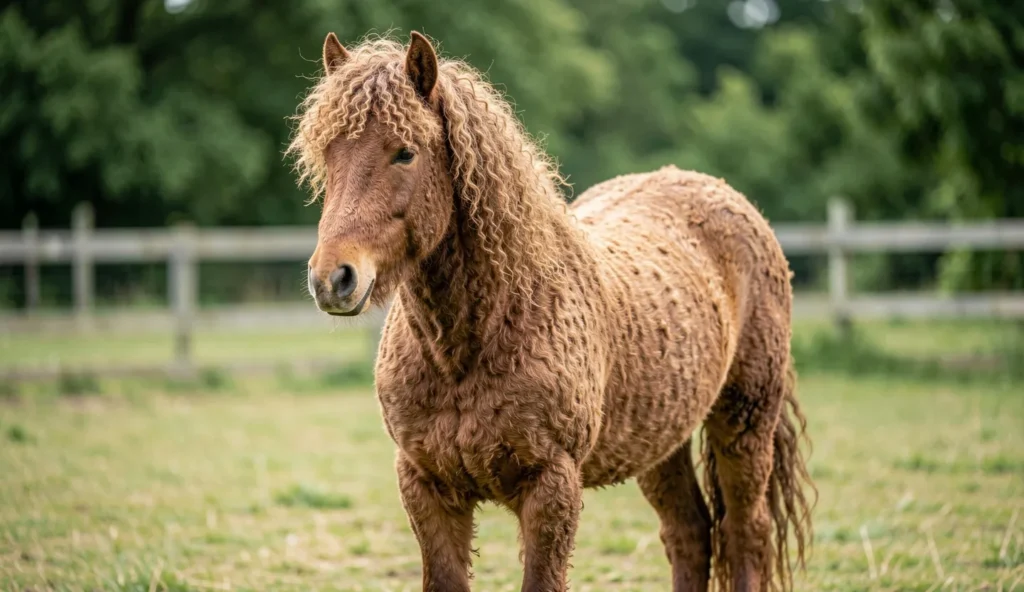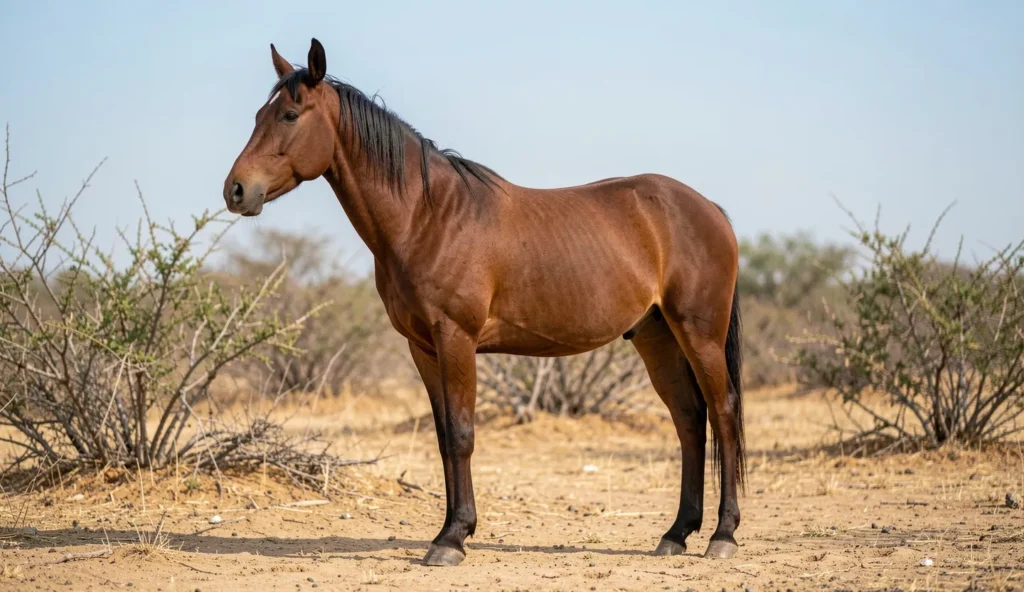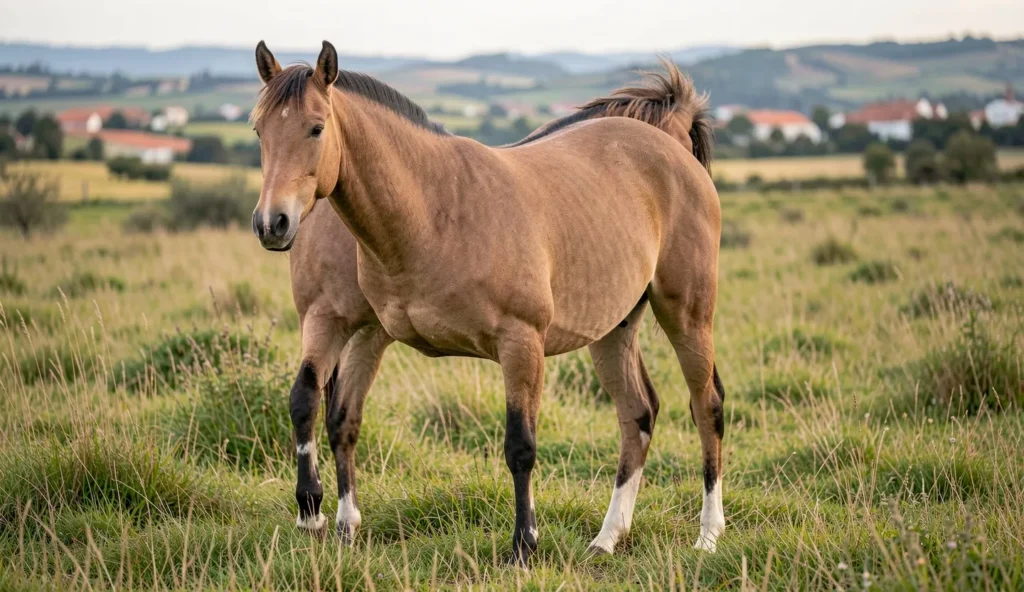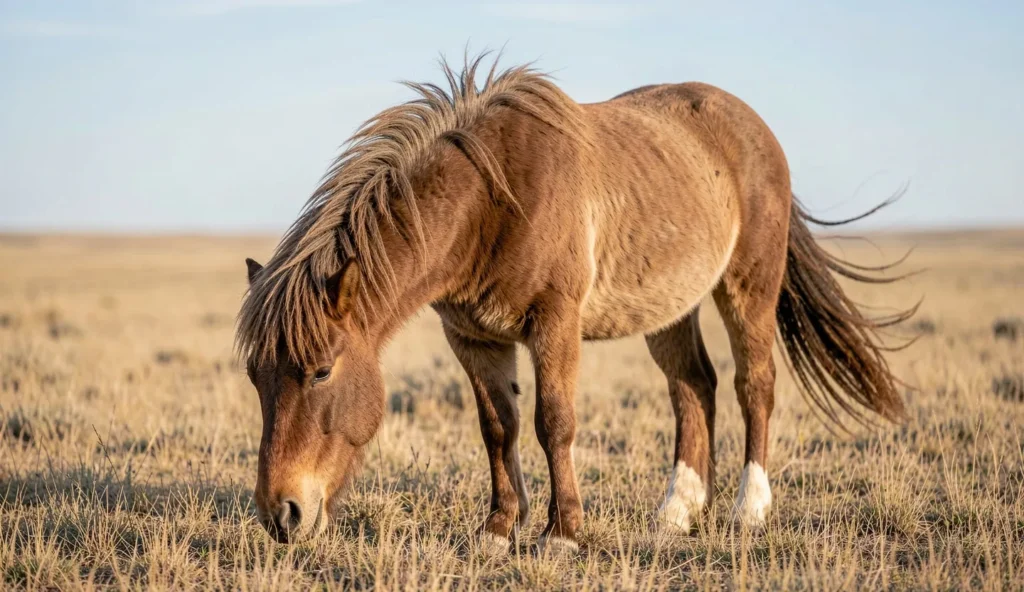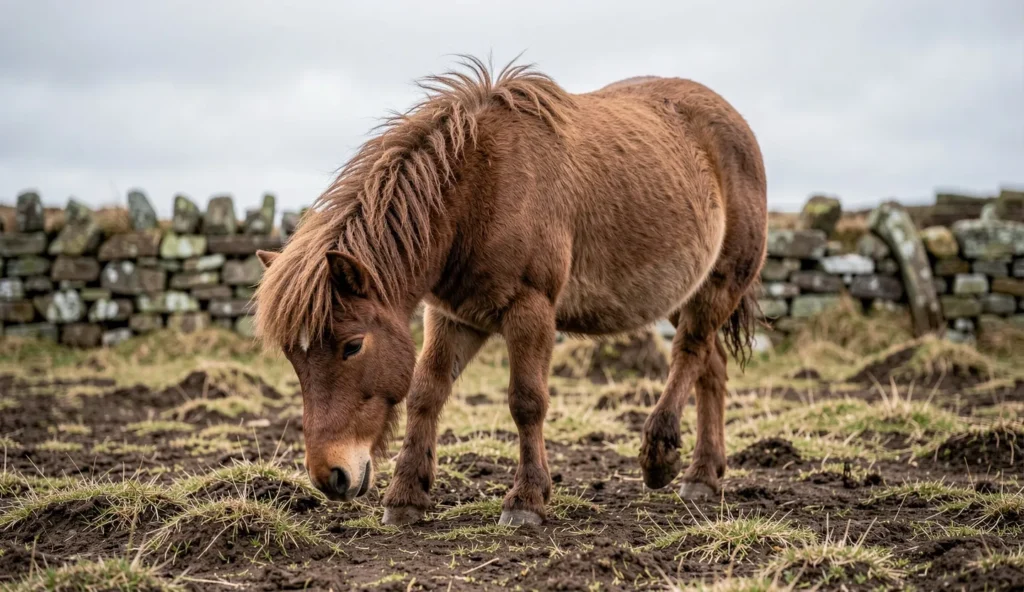
What Is A Dartmoor Pony?
The Dartmoor pony is a native UK pony type from the Dartmoor region in Devon, England. It developed under harsh moorland conditions, so it stands out for stamina and practical toughness. Today, many owners value the Dartmoor pony for trail riding and conservation interest, especially where semi-wild management is still part of the picture.
Because it can live semi-wild, the Dartmoor pony temperament often looks calm from a distance but may become independent during handling. With consistent, respectful care, most ponies settle well into routines. However, their intelligence means training works best when it stays clear, steady, and tied to real daily tasks.
Origin On Dartmoor And Why It Matters
Dartmoor ponies evolved on moorland grazing land shaped by wind, rain, and rough footing. Local management practices historically kept these ponies close to survival needs, which built strong fitness over time. That Dartmoor pony history explains why the breed can handle long periods of grazing and variable weather.
Over generations, semi-wild or semi-managed life influenced both hardiness and behavior. Many conservation efforts focus on maintaining bloodlines and supporting appropriate land use so the ponies retain their natural strengths.
Typical Dartmoor Pony Characteristics
Dartmoor pony characteristics reflect a compact build designed for uneven ground and efficient carrying. Strong legs and surefooted movement help reduce stumbling on rocky or boggy areas. This also makes the ponies attractive to trail riders who prioritize stable, confident footing.
Coat color and markings can vary, and the thick coat provides extra protection in cold winds and wet seasons. For owners, this means grooming needs may be seasonal, and comfort improves when daily checks catch small skin or hoof issues early.
Dartmoor Pony History And How It Survived The Moor
Dartmoor pony history connects working life, natural selection, and modern conservation priorities. In earlier periods, ponies supported local transport and daily needs where larger horses would struggle. Later, moor grazing and the challenge of harsh conditions helped select for resilience.
As interest grew beyond local work, the Dartmoor pony gained attention from people who wanted a hardy native pony for riding and breeding programs. That shift also increased the focus on record keeping, health standards, and careful breeding group management.
From Working Pony To Conservation Priority
Dartmoor ponies worked as local transport helpers and general-purpose animals, which supported their long-term survival in the region. Moor grazing acted like a natural training ground, promoting fitness and mobility. As a result, Dartmoor pony stamina became part of the breed identity.
Breed groups and responsible stewards helped protect bloodlines as the semi-wild lifestyle faced pressures from land use changes. Today, trail riders and conservationists often describe the pony as a living heritage that still performs well under practical conditions.
Life In Semi Wild Herds And Its Effects
Semi-wild herd structure supports social learning, so ponies pick up routines that help them manage weather and feeding patterns. Weather resilience develops over time because ponies repeatedly face wind, rain, and shifting pasture quality. For owners trying to match Dartmoor pony care expectations, this helps explain the value of predictable turnout and calm handling.
The Dartmoor pony temperament can also show intelligence through curiosity and problem solving. When separated abruptly or handled with inconsistent routines, some ponies may show anxiety. Gradual introductions to grooming, tack, and daily cues reduce stress for both pony and handler.
What Does A Dartmoor Pony Look Like?
Recognizing the look of a Dartmoor pony helps owners pick appropriate tack, plan handling, and evaluate suitability for trail use. The breed typically has a compact, sturdy frame that supports long working periods and efficient movement. That physical efficiency ties closely to Dartmoor pony characteristics like hoof strength and balanced proportions.
Before purchase or adoption, good buyers learn what “normal” looks like for coat type, stance, and general muscle condition. This reduces the chance of missing early health issues that show up through body shape and movement changes.
Body Size And Proportions
The Dartmoor pony is usually compact, with proportions built for carrying weight efficiently over uneven ground. Legs and muscling support steady traction, which matters on rocky stretches and wet tracks. Owners should also pay attention to body condition because poor conditioning can reduce endurance quickly.
When choosing saddles and rugs, fit must match both width and length rather than only overall height. Many problems start when tack sits poorly, causing discomfort during walking or when the pony climbs steep trails.
Coat, Mane, And Color Variations
Coat colors can range across the breed, and seasonal changes often affect how the coat appears. A thick coat helps with wind and cold exposure, which means grooming may take less time in mild months and more time in shedding season. Mane and tail density often provide additional weather protection.
Seasonal shedding changes the grooming rhythm, since tangles and debris can collect if the coat stays wet for long periods. A quick brushing routine after rides and turnout helps keep the skin healthy and reduces the chance of rain rot.
Movement And Hoof Strength
Surefooted movement and hoof strength help Dartmoor ponies move over rocky or boggy surfaces. Hoof shape supports traction, but correct hoof care still matters because wear patterns can change with footing. When buying, owners should watch how the pony walks and how it places hooves during turns.
Correct shoeing or trimming supports trail use and can improve comfort, especially in wet terrain. If a pony often works on abrasive ground, a farrier schedule should match that workload.
For comparison with other UK equines, learning how different native types handle footing can be useful, including a review of a Shetland pony background and hardy management style. That kind of knowledge helps set realistic expectations for endurance work and hoof maintenance planning.
Dartmoor Pony Temperament And Trainability
Dartmoor pony temperament often includes steady endurance and a practical work ethic. At the same time, the intelligence of a semi-wild origin can make the pony notice patterns quickly and respond to inconsistencies. Most owners see better results when training stays clear and grounded in daily routines.
Because the pony may prefer familiar herd companions, some stress can appear during sudden separation. With gradual training and calm handling, confidence often builds and cooperation improves.
Common Personality Traits Owners Notice
Dartmoor ponies are often described as hardworking, curious, and capable of learning faster than expected. Their semi-wild background can also make them seem independent, especially when asked to do something unfamiliar. Consistent grooming and handling reduce discomfort, so trust develops over time.
Many ponies respond well to routines that include predictable feed timing, calm tack up sessions, and regular opportunities for movement. When those elements remain stable, the Dartmoor pony usually shows a calmer, more settled attitude.
How Herd Behavior Affects Handling
Herd behavior influences handling because ponies learn social cues and feeding order over time. Some ponies may prefer calm herd mates and may become distracted or anxious if turnout patterns change abruptly. Separation should happen gradually, with attention to body language and stress signs.
Predictable feed and turnout patterns often improve cooperation during grooming, loading, and tack up. If a pony expects a routine and receives it consistently, the Dartmoor pony temperament becomes easier to manage for both experienced and new handlers.
Training Approaches That Work Best
Training methods work best when they stay positive and focused on clear boundaries. Short sessions help maintain attention and reduce resistance caused by fatigue. For gentle progress, exposure to tack and grooming tools should start early and remain routine-based.
Trail focused training builds confidence on uneven ground, but it must start small. Begin with short walks, then progress to varied footing while monitoring hoof comfort and overall energy level.
To build a broader view of how other native pony temperaments can differ, some owners compare handling notes from Welsh pony experience reports. That cross comparison helps owners spot what is breed-specific and what comes from individual training history.
Exercise Requirements For Dartmoor Ponies
The Dartmoor pony needs regular movement to stay sound and mentally balanced. Because it evolved for moor grazing and travel, it often handles trail days well when hoof and body conditioning stay on track. The goal for Dartmoor pony care is consistent activity without overloading tender feet.
Owners should increase work gradually, especially for new riders who may not ride as evenly at first. With good groundwork and steady walking, stamina can improve over weeks rather than days.
Daily Activity Needs
Daily movement supports both digestion and comfort, and grazing access often helps meet basic exercise needs. Many owners plan consistent groundwork and walking sessions that match the pony’s fitness level. When activity ramps up, hooves and legs should feel better after rest, not worse.
New riders often benefit from gradual progression, because it builds rider control and reduces pony stress. After long wet or rocky trails, fatigue signs should be taken seriously, with extra cooling and recovery time built into schedules.
Trail Riding And Endurance Style Work
Dartmoor ponies suit trail riding because their natural confidence supports uneven footing. Start with short routes and keep surfaces mixed so balance remains strong across different textures. Conditioning legs and feet before longer distances helps reduce soreness and protects joints.
After rides, hydration and cooling practices matter, especially in warm weather or during fast walking. If the pony breathes harder than expected or shows stiffness, rest and veterinary advice should come sooner rather than later.
For owners planning wider endurance work across horse types, a look at general athletic maintenance from a Mustang horse article can help organize warm up and recovery thinking. While the breeds differ, the principles of gradual conditioning and attention to recovery stay useful.
Dartmoor Pony Care And Daily Management
Dartmoor pony care combines routine management with respect for semi-wild instincts. Even when ponies live in paddocks, their health depends on shelter access, safe fencing, and consistent daily observation. Because intelligence drives curiosity, handling environments must reduce the chance of escape, injury, or stress spikes.
Good management also supports trail use. When feeding, turnout, grooming, and hoof care align, the pony can use its stamina efficiently while staying comfortable.
Housing Essentials For Semi Wild Style Hardiness
Housing should protect ponies from wind and heavy rain, particularly in wet seasons where skin and coat issues can develop. Safe fencing matters because intelligent ponies can test weak points and learn shortcuts quickly. Drainage also matters, since turnout on muddy ground increases hoof stress and can worsen damp related skin problems.
Some animals need shelter access more than others, especially shy or low ranking herd members. If shelter use becomes crowded, the weaker ponies may lose condition, so turnout layout should support equal access.
Grooming And Coat Care Steps
Grooming should happen after rides and regularly after turnout so grit and debris do not stay trapped against the skin. Brush mane and tail to prevent tangles, since knots worsen when wet weather repeats day after day. Skin checks help catch early rain rot, insect irritation, or scabs before they spread.
Hoof picking supports cleanliness and comfort, especially when ponies step through muddy trail sections. A quick daily inspection also helps spot small cuts, heat, or swelling that owners can address early.
- Brush after riding to remove dirt and grit
- Check mane and tail for tangles
- Inspect skin for rain rot or insect irritation
- Pick hooves daily after turnout or trails
Diet And Nutrition For Moorland Fitness
Diet should be based on quality forage or appropriate grazing that matches body condition. For many ponies, grazing helps reduce boredom while supporting digestion naturally. That approach also helps maintain stable weight when feeding stays consistent.
Owners must limit high sugar feeds if laminitis risk exists, since some ponies react strongly to rich grass. Hay should be checked for quality and mold risk because damp or moldy forage can harm digestion and immunity.
Fresh water and mineral access should stay available, and supplements should only appear when needed. Concentrates should match workload and body condition, with any changes guided by veterinary advice when possible.
When owners manage ponies in a multi equine setting, comparing feeding strategies across breeds can be helpful, such as reviewing Icelandic Horse care routines for principles of forage based management. Even though dietary needs vary, the focus on consistent forage and monitoring remains relevant.
Health Checks Owners Should Do Every Week
Weekly checks support early problem detection and help keep trail readiness stable. Body condition and weight trends should be monitored, not only the current number. Hoof changes, heat, or swelling often show up before a pony becomes obviously lame.
Teeth and chewing behavior matter too, since dental discomfort can change appetite and performance. Legs should be inspected for cuts, swelling, or hair loss, and breathing effort or nasal discharge should trigger prompt evaluation.
- Track body condition and weight trend
- Look for hoof changes, heat, or swelling
- Monitor teeth and chewing behavior
- Inspect legs for cuts, swelling, or hair loss
- Watch breathing effort and nasal discharge
Common Health Issues And Prevention Tips
Even a hardy native pony can face health problems, especially when wet weather, poor drainage, or diet imbalances appear. Dartmoor pony care works best when owners prevent issues with routine hoof, skin, and metabolic monitoring. Because the breed is built for moor terrain, many problems show up after changes in turnout, feed, or hoof maintenance.
When owners respond early to warning signs, treatment becomes simpler and the pony usually returns to comfort faster.
Hoof And Lameness Risks To Watch
Hoof and lameness risks often increase after wet, boggy ground where hooves stay soft for long periods. Regular trimming or a reliable farrier schedule supports balanced wear and reduces uneven pressure. Overgrown hooves or uneven wear can lead to discomfort that becomes harder to fix.
Foot hygiene matters, especially after muddy turnout. Owners should check for heat, tenderness, and unusual stepping during the days following rough trail conditions.
Skin Problems And Weather Related Issues
Persistent wet conditions increase the risk of rain rot, and damp bedding can worsen skin inflammation. In some areas, insect bites and sweet itch patterns may appear, so coat and skin checks should include mane line and withers. After storms or prolonged damp weather, grooming routines should intensify for a few days.
When signs of infection or extensive sores appear, contacting a veterinarian should not be delayed. Quick treatment can prevent more serious skin damage.
Metabolic Health And Laminitis Awareness
Metabolic health management matters because sugar rich grass can trigger laminitis risk in some ponies. Body condition scoring provides a simple way to track changes and act early when weight rises. Grazing time and feed choices should adjust based on seasonal grass growth and the pony’s individual response.
Recognizing early laminitis signs supports faster intervention, and owners should seek veterinary advice promptly. This approach protects long-term comfort and helps maintain the Dartmoor pony stamina owners expect.
For a broader understanding of how native breeds can face metabolic risks under different grazing conditions, some keepers compare notes from Arabian Horse management discussions. Even with different coat and heritage, grazing control and weight monitoring remain the shared foundations of prevention.
Is A Dartmoor Pony Right For You?
The Dartmoor pony can fit many ownership goals, particularly for people who want trail ready endurance and a smart, responsive animal. Dartmoor pony temperament often shows steadiness in the right routines, and intelligence makes the pony learn patterns quickly. Still, semi-wild instincts mean management must stay predictable and fencing must remain safe.
Before choosing, owners should evaluate housing, hoof care schedules, and the ability to manage grazing carefully. When those elements align, the pony can thrive for both riding and conservation minded programs.
Best Fit For Trail Riders And Conservation Supporters
Dartmoor ponies work well for riders who want reliable endurance and surefooted trail movement. They also fit owners who prefer low waste forage strategies, because grazing supports both fitness and daily routine stability. Consistent handling and gentle training often result in a calmer response during grooming and saddle preparation.
For conservation enthusiasts, the breed’s living presence on moorland landscapes adds value to responsible stewardship. Proper care helps keep the pony healthy while supporting the wider goals of breed preservation.
Who Should Think Twice
Some owners may struggle if they need push button training, because intelligence plus independence can create challenges during inconsistent handling. The pony can also test boundaries if fencing, shelter, and turnout routines fail. If hoof care schedules are irregular, lameness risks can rise quickly after wet terrain.
Metabolic health monitoring also requires attention, especially during seasonal grass changes. A plan for grazing control and body condition scoring matters for long-term comfort.
Buying Checks That Protect Time And Budget
Buying should start with questions about workload history and known trail behavior. A veterinary pre purchase exam supports safer decisions, and hoof records help predict future farrier needs. Any signs of discomfort during grooming, loading, or tack up should trigger deeper evaluation.
Vaccination and deworming history should be reviewed, and recent farrier notes should be checked for consistency. During a hands on assessment, watch how the pony moves at walk and stand in a relaxed posture.
For buyers who also care about breed context, reading broader comparisons like Thoroughbred Horse conditioning principles can clarify how workload and surfaces affect performance. Those lessons support better planning even when the Dartmoor pony remains the primary animal.
Frequently Asked Questions
How Much Exercise Does A Dartmoor Pony Need Each Day?
Provide regular daily movement and consistent turnout, then add structured walking or groundwork as needed. Increase workload gradually based on hoof comfort and overall fitness.
What Do Dartmoor Ponies Eat And How Should Feeding Be Managed?
Base the diet on quality forage or appropriate grazing and adjust to body condition. Limit sugar rich feeds if laminitis risk exists and use concentrates only with workload needs in mind.
Are Dartmoor Ponies Good For Beginner Riders?
They can be steady, but independence may show up without consistent training. The best matches usually come from calm, well handled ponies with known routines.
What Health Problems Are Common In Dartmoor Ponies?
Hoof issues can increase after wet conditions, and skin problems may appear in persistent damp weather. Laminitis awareness matters because metabolic responses can vary by pony.
How Often Should Hooves Be Trimmed Or Shod For A Dartmoor Pony?
Follow a farrier schedule based on hoof growth and wear patterns rather than a fixed calendar date. Owners should also check hooves regularly for heat, swelling, or uneven wear.
A Durable Native Pony With Practical Care Needs
The Dartmoor pony combines moorland endurance with an intelligent, routine driven temperament. With solid Dartmoor pony care, owners can support comfort, soundness, and confident trail work over time.