What Is A Highland Pony?
The Highland pony is a small horse type that developed in the Scottish Highlands, where weather can stay harsh for long stretches. Highland pony history traces hard selection to survive cold, wind, and wet ground with limited resources. A key trait stands out right away, because the breed carries a thick mane and winter coat that supports trekking and driving in colder seasons.
Many owners choose a Highland pony because it handles outdoor work with steady effort. For trail riders and driving enthusiasts, the combination of compact strength and reliable presence helps make daily routines easier.
Breed Origin And Where It Was Developed
The Highland pony history centers on the Scottish Highlands, where ponies had to manage without constant human assistance. Selection favored animals that could graze on rough land and withstand cold weather with a dense coat. Over time, hardy survival traits became part of the breed’s consistent expectations.
Regional conditions also shaped how the pony’s body functions during outdoor tasks. When terrain stays uneven and shelter remains limited, sturdier frames and stable movement become practical advantages.
Small Horse Type With Compact, Strong Proportions
As a small horse type, the Highland pony fits many outdoor settings where larger horses cannot move comfortably. Height ranges influence riding and driving eligibility, but the breed’s compact design supports weight-bearing work. In practical terms, a sturdier frame matters for trekking routes and carriage work.
For those comparing small equines, it can help to look at similar climates and sizes. For example, a Shetland pony also developed in a cold region, though its body type and typical use may differ.
Key Standout Traits To Expect
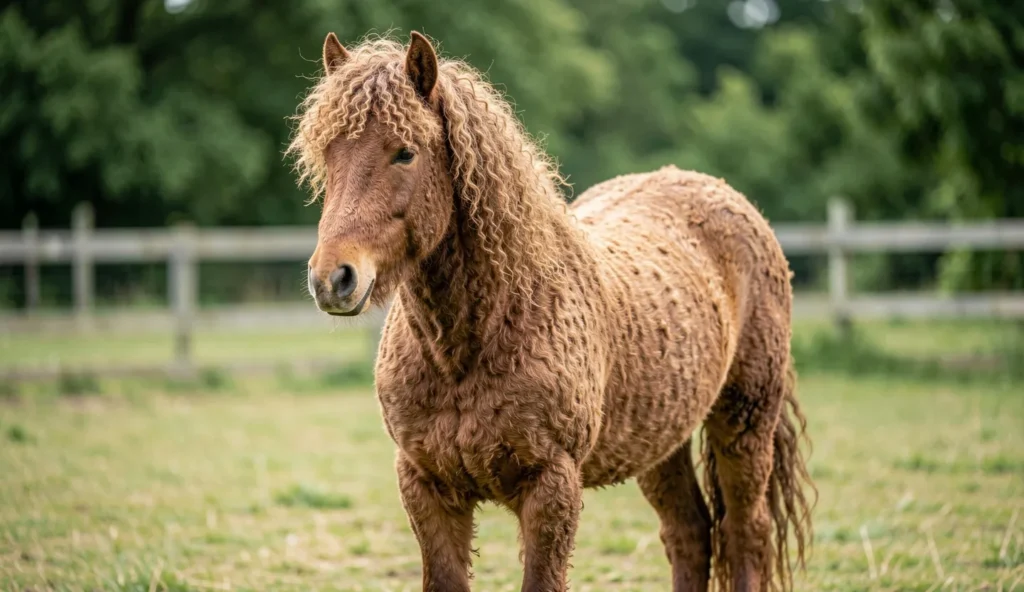
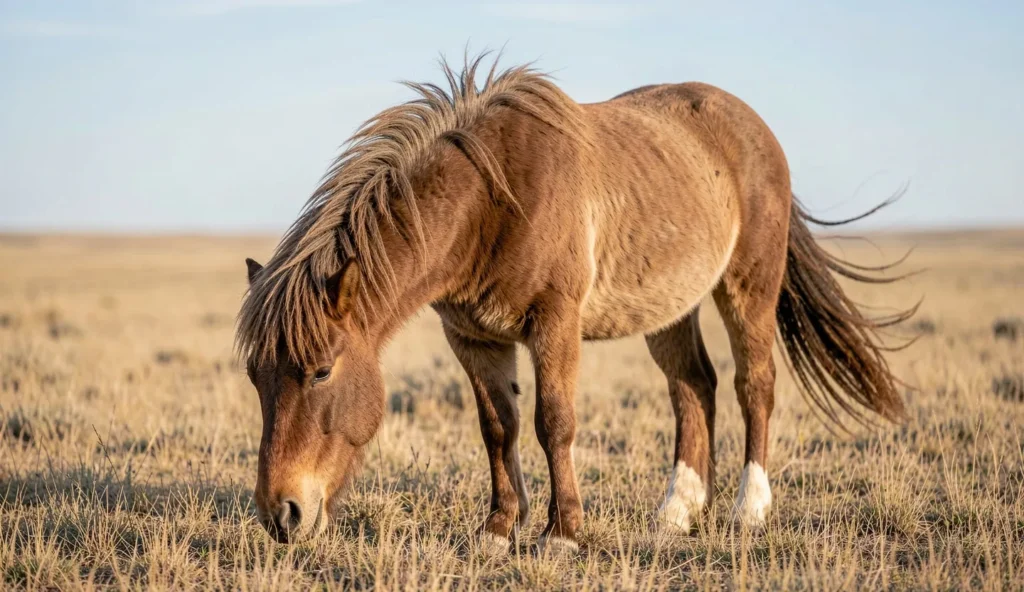
Most people recognize the Highland pony by thick coat coverage plus abundant mane and tail hair. The winter coat supports insulation and also helps reduce discomfort during long cold rides. The breed also shows adaptation to wind, wet ground, and muddy footing.
Because weather resistance formed the foundation of the breed, the Highland pony often stays comfortable when trips run longer than planned. However, care still matters, especially when wet conditions lead to skin irritation.
What Does A Highland Pony Look Like?
A Highland pony usually looks built for rugged outdoor life, with a compact body and strong bone structure. The Highland pony care conversation often starts with coat recognition because coat changes affect grooming and tack fit. When coats thicken for winter, the overall silhouette becomes heavier and rounder.
On trails and in carriages, appearance also affects how people judge readiness and comfort. Thick hair can hide minor grooming issues, so inspection must become routine.
Coat, Mane, And Tail In All Seasons
In winter, the Highland pony grows a thick coat designed to insulate and reduce heat loss. The mane and tail also tend to become fuller, which can increase tangles if brushing pauses during cold months. As the coat changes, owners should adjust grooming frequency and check tack clearance.
During seasonal shedding, coat texture can shift quickly. For that reason, brushing and drying after wet rides should remain consistent to prevent mats.
Colors And Common Markings
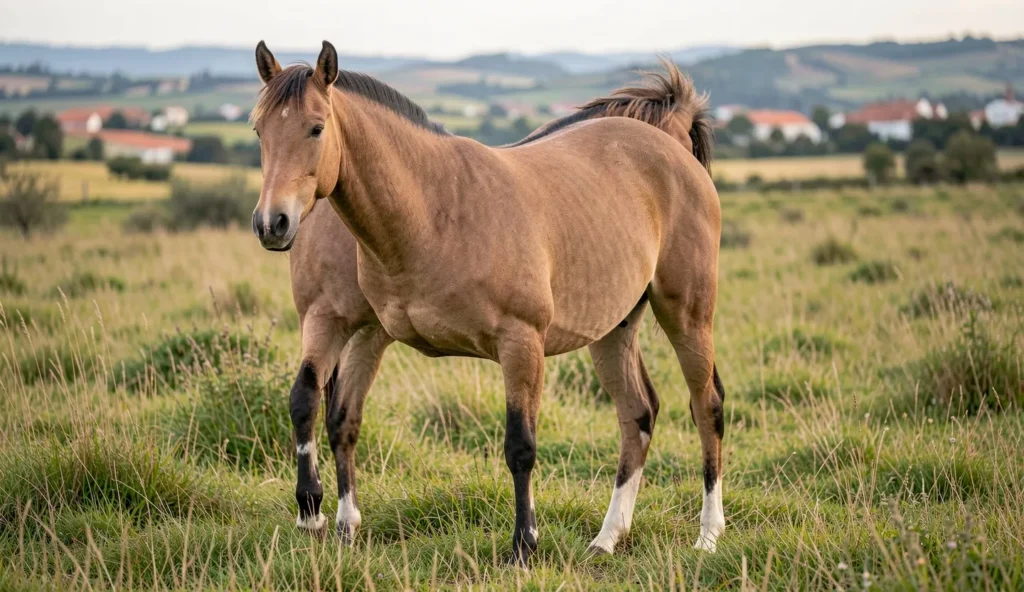
Highland ponies can come in multiple coat colors, with variation that often appears across regions and breeding lines. Markings can help with identification, especially for owners tracking changes across years. Even so, color should not be treated as a sign of personality or trainability.
Temperament remains influenced more by handling history than by coat shade. When evaluating a pony, observing behavior matters more than looking at color patterns.
Legs, Hooves, And Overall Conformation
The breed’s legs and conformation support stability on rough terrain. Strong legs help the pony move through rocky and uneven routes without excessive strain. Hoof characteristics also influence traction, which becomes critical for trekking and driving work.
Correct conformation supports sound movement, but care determines whether the advantages keep showing over time. Regular farrier work and hoof checks help maintain that baseline.
Movement And Gait You May Notice On Trails
Many owners describe a stable, sure-footed feel during uneven footing. On trails, consistent gait helps reduce rider fatigue and supports smoother driving control at slower speeds. When short walk sessions are tested, gait consistency often becomes noticeable quickly.
For driving enthusiasts, rhythm can matter as much as speed. A pony that maintains steady movement under mild cues often adapts well to carriage work.
What Is The Highland Pony Temperament Like?
The Highland pony temperament is often described as calm and steady, especially when handling stays consistent. Highland pony temperament can show alertness without constant reactivity, which supports safe work around people. However, individual training history still shapes how confidence appears in new situations.
For trail riders and driving enthusiasts, temperament guides daily management more than physical traits do. A pony that stays predictable often makes turnout, mounting, and harnessing feel less stressful.
General Personality Traits
Highland ponies frequently display a patient demeanor when routines stay predictable. Consistent handling helps the pony understand expectations for leading, grooming, and tack changes. That steadiness does not remove curiosity, so new stimuli should still receive gradual introduction.
Confidence can vary by individual experience, and some ponies may need extra time during first rides. Structured work helps the pony learn that equipment and surroundings remain safe.
How They Respond To Cold Weather And Wet Conditions
Natural coat comfort supports the pony’s ability to handle cold climates without constant discomfort. Under wind and rain, behavior often stays steady because insulation reduces temperature stress. Even then, long wet exposure still requires monitoring because moisture can affect skin health.
When weather stays severe, shelter still plays a role in overall comfort. A thick coat helps, but it does not replace dry rest and proper ventilation.
Suitability For Trail Riders And New Handlers
Highland ponies often work well for structured riding programs due to steady behavior under routine cues. New handlers can benefit from reliable ground manners, especially for leading and grooming sessions. During lead and mounting routines, watch for attention shifts that can happen when the pony sees wildlife or traffic nearby.
Because the pony’s coat can grow thick, tack fit checks should happen every session. Ill-fitting tack can cause rubbing even when the pony seems calm.
Temperament Considerations For Driving Enthusiasts
In driving, Highland pony temperament often supports consistent cue response when training progresses step by step. Steady movement can help carriage rhythm stay even at lower speeds. Safety remains essential during harnessing and backing maneuvers, since equipment changes can still create hesitation for some ponies.
Gradual exposure and clear handling reduce stress during early training stages. For comparisons across different pony types, owners sometimes look at robust breeds like the Welsh pony to understand how temperament and size interact in driving settings.
How Are Highland Ponies Used For Trekking And Driving?
Highland pony uses come from the breed’s cold-weather resilience and compact strength. For trail riding, thick coat coverage supports longer trips in winter, while the body stays ready for uneven terrain. Driving programs also value the steady movement that supports lower-speed control.
Because outdoor tasks demand stamina, the Highland pony’s work readiness often fits trekking and carriage work when training matches the pony’s comfort level.
Trail Riding And Cold Climate Trekking
Thick winter coats help Highland ponies stay comfortable during long rides in cold weather. Terrain fitness matters on rocky and uneven routes, where stable legs support safer foot placement. Rider gear also matters, since thicker coats can change how saddles and straps sit against the body.
Before a long trail, a quick tack fit check prevents pressure points from building. After the ride, a skin and hoof scan confirms that wet conditions did not cause hidden irritation.
Cart And Carriage Driving Basics
Highland ponies can fit driving programs when training builds confidence with harness equipment. Their steadier movement often supports control at lower speeds, which helps drivers develop safe steering and stopping cues. Early training commonly uses basic equipment stages that introduce harness fit before moving to full work.
During initial sessions, watch for signs of rubbing and check strap placement. A thick winter coat can hide early issues, so inspection needs to happen even when the pony looks fine.
Work Ethic And Training Readiness
Highland ponies often show naturally capable stamina for outdoor tasks. Still, confidence develops through gradual training rather than sudden starts. Routine helps reinforce good habits for leading, loading, and responding to cues.
When training stays predictable, the pony learns what to expect and behaves more consistently. This pattern supports both trekking sessions and driving practices.
Ideal Environments And Conditions
Rugged outdoor settings match the Highland pony’s development because daily life in the Highlands required adaptability. Cold and wet conditions also fit the breed well, as long as shelter and drying time remain part of care. Space requirements should still be planned for turnout, turning, and safe pacing.
If the environment stays muddy, safe footing and regular hoof checks become higher priorities. When traction drops, drivers and trail riders should slow down and reduce sudden maneuvers.
What Are The Best Highland Pony Care Practices?
Highland pony care works best when daily routines support coat, skin, and hoof health. Owners should treat thick winter hair as an asset that still needs management, especially after wet outings. With consistent housing, grooming, and feeding, the pony remains comfortable for trail and driving schedules.
Because cold climate horse owners often plan for seasonal changes, care steps should follow the calendar rather than random timing.
Housing Essentials For Year Round Comfort
Even with thick coats, shelter should protect from wind and precipitation. Ventilation helps reduce moisture buildup and supports respiratory comfort during wet periods. Dry bedding choices reduce contact with damp surfaces, which lowers irritation risk.
Turnout planning matters during cold snaps and muddy ground. When the pasture remains saturated, moving to drier areas for part of the day can protect skin and hooves.
Grooming And Coat Management
Brush the mane and tail regularly to reduce tangles that can trap moisture. During winter coat shedding, grooming needs increase to prevent matting near sensitive areas. Owners should also learn what normal coat texture looks like, because coat issues can signal skin irritation.
After wet rides, drying and cleaning prevent moisture from staying trapped under hair. If rubbing develops, stop using the same tack setup until the cause gets corrected.
Feeding Guide For Energy And Healthy Weight
High quality forage should form the foundation of the Highland pony diet. In winter, feeding adjustments should follow body condition and energy needs rather than fixed amounts. Overfeeding can lead to metabolic problems, so portion control helps maintain a stable weight.
Fresh water access remains critical in cold weather, since dehydration still happens when water sources freeze. For owners evaluating different climates, comparing hardy grazing styles can help, including breeds like Highland cattle that also thrive on rugged grazing systems.
Hoof Care And Trail Maintenance
Regular trimming and farrier visits support correct hoof shape for traction. After icy or rocky footing, hoof checks help catch soreness early. Cleaning routines should remove mud and snow promptly, since debris can stay packed in sensitive areas.
When needed, footwear choices can improve traction on certain trail surfaces. Regardless of the shoeing plan, owners should continue checking for cracks, heat, and tender spots.
What Health Issues Affect Highland Ponies?
Common Highland pony health issues often relate to moisture, cold exposure, and weight management. Owners reduce problems most effectively by watching skin, checking hooves, and maintaining routine wellness care. When health changes appear, quick evaluation helps prevent minor issues from becoming serious.
Cold climate horse owners should treat preventive routines as part of training, not separate from it.
Common Problems To Monitor In Cold Weather
Skin and coat irritation can develop when moisture stays trapped from sweat or wet rides. Respiratory discomfort can occur if ventilation stays poor in housing areas. Lameness checks matter after icy or rocky footing because subtle soreness can show up quickly.
During winter, minor changes in attitude can signal early discomfort. Monitoring behavior supports faster interventions and calmer outcomes.
Nutrition And Metabolic Concerns
Weight management remains important for overall health in small horse types. Pasture and treats can affect metabolism, especially when winter reduces movement. A measured feeding plan reduces the risk of over-conditioning while still supporting energy needs.
If body condition score starts climbing, owners can adjust forage balance and reduce high-sugar treats. When changes feel needed, a vet can help set practical portion targets.
Hoof, Parasite, And Routine Wellness Checks
Parasite control should rely on fecal testing and scheduled plans rather than guesswork. Dental exams support proper chewing, which matters for forage digestion and weight stability. Monitoring body condition score and daily attitude changes helps catch problems early.
Hoof wellness checks should include comfort during walking and a feel for heat or swelling. Consistent observation often identifies issues before visible lameness begins.
When To Seek Veterinary Help
Seek veterinary help for red flags like persistent lameness or reduced appetite. Colic warning signs should trigger urgent evaluation because early treatment improves outcomes. Skin lesions and recurring infections require prompt care so the underlying cause can be addressed.
When discomfort appears repeatedly after wet rides, a check for tack rub or skin irritation becomes equally important. A combined approach often provides the fastest improvement.
Is A Highland Pony Right For You?
The Highland pony may match buyers seeking cold climate resilience with manageable size. Highland pony uses fit trail riding and driving when training stays structured and routines stay consistent. For trekking and carriage work, the breed’s traits can support success once care and tack are planned around thick coat changes.
Owners who can commit to grooming, hoof schedules, and weather-aware housing often see the breed perform well over time.
Best Fit For Trail Riders And Driving Enthusiasts
The Highland pony can suit owners who want dependable outdoor performance in colder regions. It often supports structured training routines that build confidence for first-time riders or drivers. With proper preparation, it can work for trekking sessions and carriage programs safely and consistently.
For people comparing draft and power-oriented alternatives, it can still help to study how body type influences task suitability. For example, the Percheron horse shows how different builds can shift work style and handling needs.
Owner Responsibilities To Be Ready For
Regular grooming and coat checks matter most in wet seasons when hair can trap moisture. Feeding management should maintain stable body condition without chasing weight changes through overfeeding. Ongoing hoof care and scheduled veterinary wellness keep the pony comfortable on trails and in harness.
When these responsibilities stay consistent, the Highland pony typically handles outdoor schedules with calm effort.
Frequently Asked Questions
How Much Space Does A Highland Pony Need For Turnout?
Provide enough room for comfortable movement, regular pacing, and turning without crowding. Include shelter access and dry ground choices during wet seasons.
Do Highland Ponies Need Special Grooming In Winter?
Yes, winter grooming often needs extra attention because thick coats can trap moisture. Brush mane and tail, and check for tangles or matting during shedding.
What Should A Highland Pony Eat To Stay Healthy?
Prioritize high quality forage as the base of the diet. Adjust portions based on body condition and energy needs, especially during winter.
Are Highland Ponies Good For Driving Beginners?
They can be steady, but driving still requires training, safe harnessing, and supervision. Use gradual harnessing and professional guidance for early sessions.
What Are Common Health Problems In Highland Ponies?
Monitor hoof soreness, skin irritation from moisture, and respiratory comfort in housing. Manage weight and parasite prevention with routine wellness checks.
How Can Trail Riders Help A Highland Pony Handle Cold Weather Trips?
Use dry tack and check tack fit as coats change across seasons. After rides, check hydration plus do quick hoof and skin inspections.
A Final Note On Highland Pony Care
Highland pony care works best when coat, hoof, and daily routines stay consistent through the seasons. With practical management, the breed’s sturdy build can support reliable trekking and driving work.