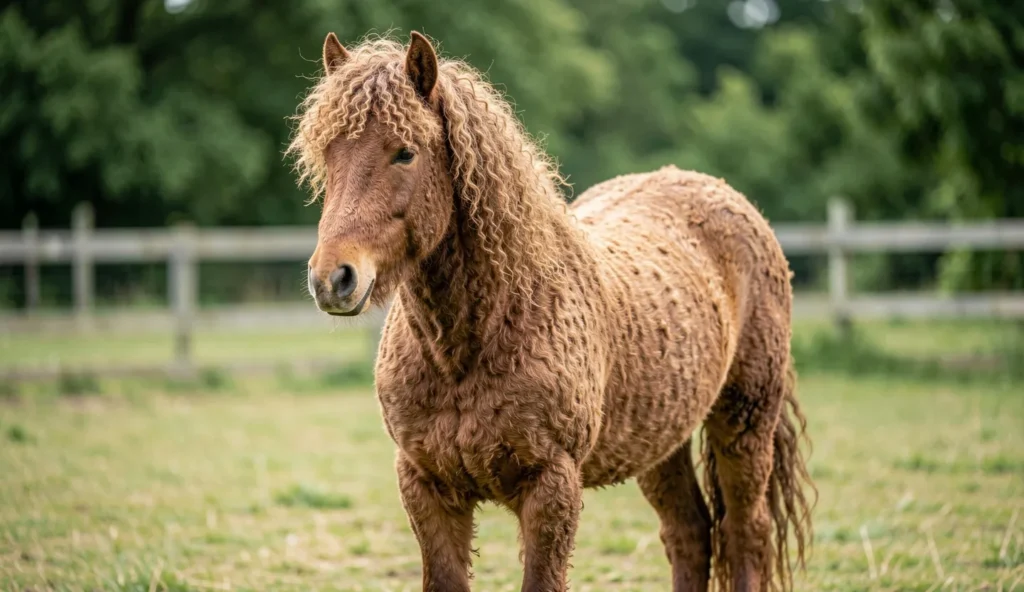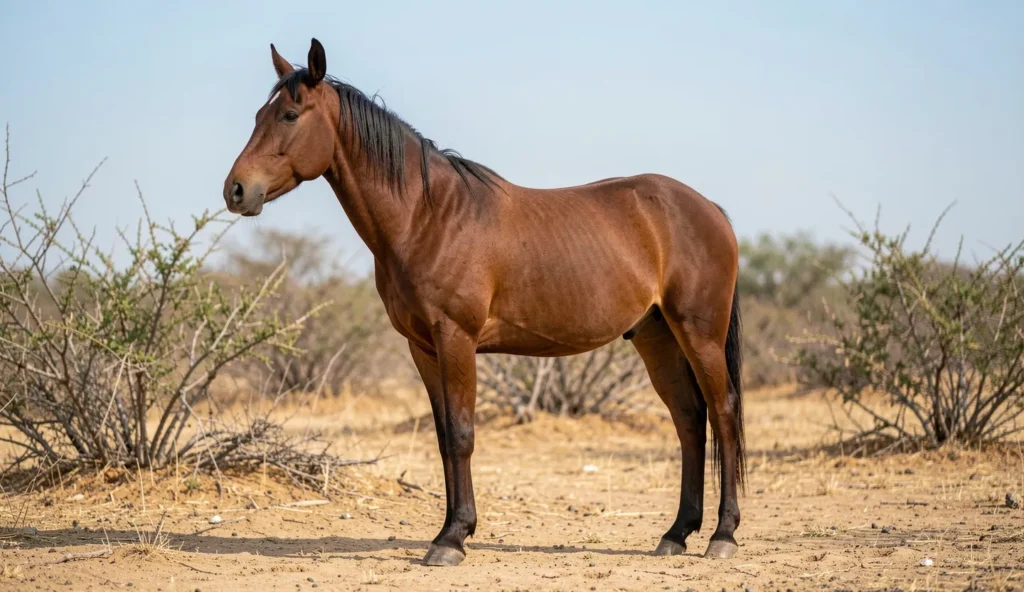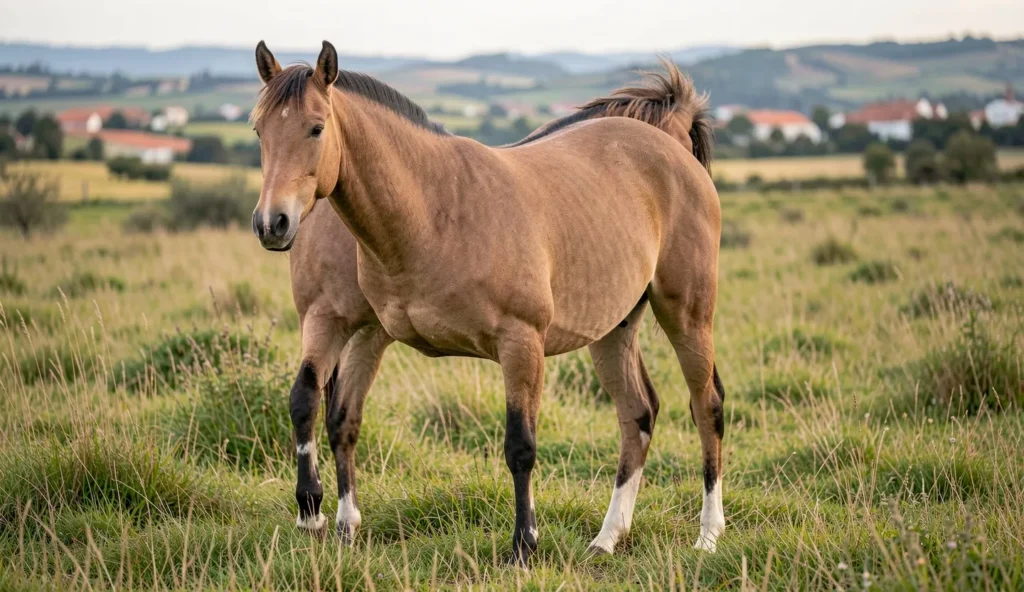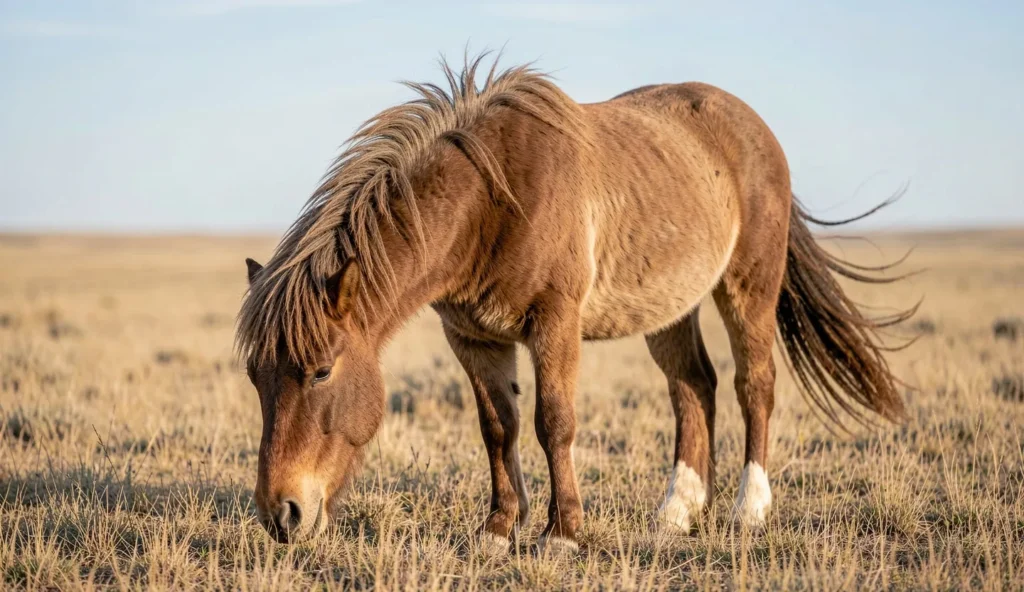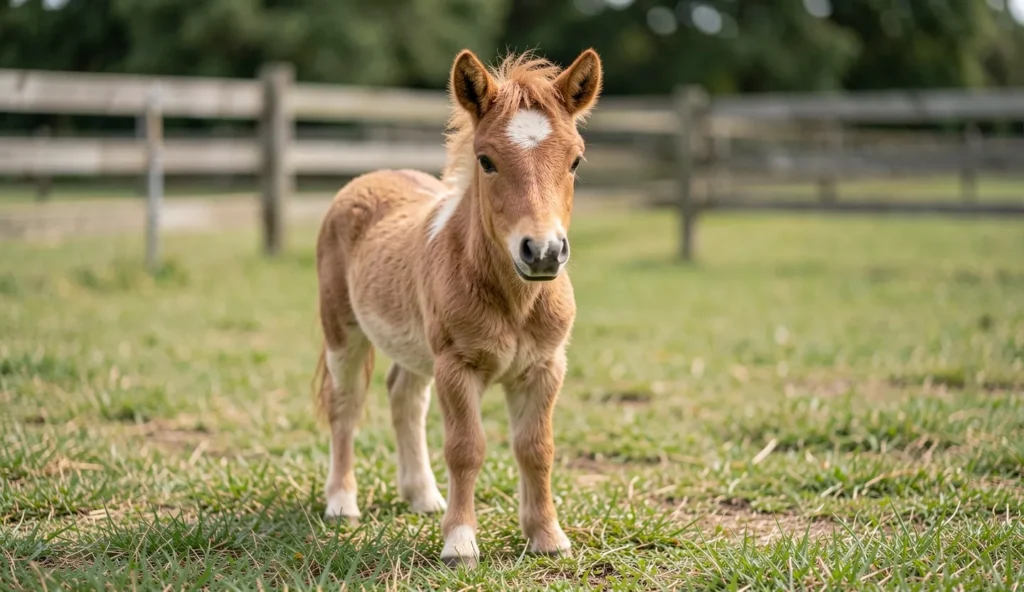
What Is A Falabella Miniature Horse?
The Falabella miniature horse is one of the smallest horse breeds in the world, known for refined conformation and a compact frame. This breed is often recognized by its small height at the withers and balanced body proportions. Falabellas come from Argentina and developed as a result of selective breeding for small stature, so size stays a key part of the definition.
Because the Falabella size is naturally limited, expectations for housing, feeding, and handling must match a tiny equine physiology. Many owners also seek the breed for its gentle, people-friendly behavior, which supports daily routines like grooming and quiet leading.
Where The Breed Came From
Falabella history traces back to Argentina, where small local lines influenced the foundation of the breed. Selective breeding focused on maintaining small stature rather than only changing color or build. Over time, consistent selection reinforced a refined look that still shows up in modern animals.
Falabellas also developed alongside broader miniature horse breeding programs, which helped maintain a clear direction in temperament and type. As a result, the breed became known for a small but balanced build, rather than a fragile-looking body.
Because origins strongly influence type, credible breeders usually track growth patterns and keep reliable records. That step can reduce surprises when a young animal grows into its mature Falabella size.
How Small Is A Falabella
With the Falabella miniature horse, height at the withers is the standard measurement used by owners and handlers. This measurement helps avoid confusion caused by body length, coat thickness, or how a horse holds its head. Since withers height stays the key reference point, it becomes central to care planning.
Many prospective owners look for a typical size range they can expect at maturity, but individual lines can vary. Breeding goals aim for small animals, yet each foal develops at its own pace. For housing and feeding plans, the practical takeaway is simple, expect a smaller equine footprint and adjust everything accordingly.
Also, size affects equipment fit, which includes halters, grooming tools, and stall access. When the right dimensions are used early, daily care stays safer and easier.
Refined Conformation And Build
Falabellas usually show refined, balanced conformation that looks proportionate rather than stretched. Compared with larger horse types, common proportions appear more compact, especially through the chest and midsection. That balance matters for comfort, since incorrect movement mechanics often start from poor alignment.
Mobility also connects to conformation, because small frames still need strong legs and supportive joints. When a Falabella has good body alignment, the animal tends to stand more evenly and move with less strain. Meanwhile, owners should still watch closely for changes in gait during handling.
Because conformation influences comfort, a reliable growth and care history can matter just as much as appearance. For perspective on small livestock care habits, reviewing a guide like Miniature Zebu can help illustrate how scale changes daily management choices, even across different species.
Falabella Appearance And Physical Features
Falabella appearance typically centers on a small frame, refined build, and an overall look that stays neat and well-proportioned. While coat color can vary, the body style tends to remain consistent across the breed. This section covers visible traits and explains what those traits mean for everyday care.
To recognize a Falabella in person, focus on how the animal holds its balance at rest and how neatly its limbs align. Those details often become clearer than coat color when the horse moves or is led slowly.
Coat Colors And Patterns Owners May See
Falabella miniature horse coats can come in many common equine colors, and patterns may also vary between individuals. Some coats appear solid, while others show spotting or striping patterns that match breed variation. Because coat appearance can change seasonally, owners should observe coat condition, not just color.
A healthy coat usually looks smooth and evenly textured, with no dullness that suggests nutritional or skin trouble. If coat quality changes suddenly, owners should check feeding quality, grooming practices, and any signs of skin irritation. That habit supports early detection before issues worsen.
Careful grooming also helps reveal subtle problems, since small horses can hide early discomfort under dense hair. When brushing routines stay consistent, skin checks become easier and faster.
Legs Hooves And Movement
Falabella size means limb proportions may appear delicate at first glance, but legs still need stable alignment. Owners should look for straightness in stance and even weight distribution while the horse stands. During leading, a calm, coordinated gait usually indicates comfort and good balance.
Hoof size and shape can differ from larger horses, which affects how surfaces wear the hoof. Small horses can also show uneven wear more quickly when footing stays rough or inconsistent. Because of that, owners should observe how the hooves contact the ground during slow walks.
While handling, comfort matters as much as appearance. If the Falabella shortens a stride, shifts weight away from one leg, or resists turning, a check by a knowledgeable professional can prevent minor issues from becoming longer-term problems.
Body Proportions And Small Horse Considerations
Compact body size affects tack choice and also affects how blankets and protective gear fit. When tack sits too high, too low, or too loose, it can rub and create pressure points. For tiny frames, even a small sizing mismatch can cause irritation.
Space considerations also matter, especially in stalls and narrow walkways. A small horse can still be startled, but limited room increases the chance of bumping walls, gates, or feeders. Safe handling therefore includes planning for smooth movement and giving the horse clear space to turn.
Vision and balance remain part of the picture as well, since animals adjust to their environment through consistent routines. When layout stays stable and stress stays low, the Falabella usually settles faster during care sessions.
For owners who also keep smaller companion animals, learning routine check habits from a rabbit guide like Netherland Dwarf Rabbit can reinforce how daily observation prevents problems early, even when species differ.
Falabella Temperament And Behavior
Falabella temperament is often described as gentle and people-oriented, which supports regular grooming and calm handling. Many individuals respond well to routine care when handling stays consistent from day one. Still, every animal has its own history, so calm behavior can vary based on how the Falabella was raised and trained.
Because the horse is small, owners sometimes underestimate how quickly stress can build. A safe and predictable routine helps reduce fear responses that lead to sudden movement.
Typical Personality Traits
Many Falabellas show calm behavior and show comfort around handlers who move slowly and speak quietly. Individual variation exists, especially between animals raised for different purposes or exposure levels. For daily care, a steady temperament helps with tasks like brushing, tacking, and leading.
Handling history also matters for confidence, since repeated positive experiences support trust. Owners can usually build that trust quickly when they keep grooming sessions short and steady. Over time, calm routines often become easier for both the horse and the person.
Even with a gentle animal, owners should monitor body language. Signs like pinned ears, stiff posture, or repeated stepping away can show discomfort, so care should pause until the cause is identified.
Social Needs And Handling Style
Social needs in small horses still matter, so a Falabella often benefits from companion time. Some owners keep a herd group, while others use consistent pair companionship. When social interaction stays stable, stress during care can drop noticeably.
Handling style also plays a role, especially for leading, grooming, and basic training. Safe approaches include quiet entry into the space, gentle pressure for leading cues, and calm repetition of routine tasks. Training should focus on small, teachable steps rather than pushing for speed.
Stress signs can include restlessness, refusal to move, tail swishing that escalates, and sudden spooking. If stress shows up often, it usually signals a mismatch between environment, handling method, or setup.
Safety Considerations For Small Frame Horses
Secure footing remains essential, because small frame horses can still stumble and cause injury. In stalls and yards, uneven ground or loose bedding can create slips, especially for animals moving quickly after a surprise. Because of that, owners should keep walkways level and maintain bedding quality.
Overheating also happens when tiny horses face tight spaces or poor airflow. If the Falabella appears breathless, holds unusual posture, or seems reluctant to move, owners should consider cooling needs and adjust the environment. Safe ventilation and shade reduce the risk.
Finally, accidental stepping injuries can occur when a person reaches in too fast or blocks the horse’s path. Slow positioning and clear routes during handling lower risk for both the horse and the handler.
Falabella Care Essentials For Small Horses
Falabella care focuses on matching everyday routines to the breed’s small body size and needs. With any miniature horse, the main goal is stable comfort through housing, forage-based nutrition, and reliable hoof support. Because the Falabella size affects equipment fit, owners should treat measurement and setup as part of daily care.
Practical care also depends on consistency, since small horses react quickly to routine changes. When routines stay predictable, owners can spot issues faster because the horse’s normal behavior becomes easier to recognize.
Housing And Space Requirements
Weather protection matters, especially for wind and rain, because small horses lose heat faster in cool conditions. A shelter area with dry footing helps prevent chilling and reduces stress during storms. Blankets can help, but only when fit stays correct and drying happens properly after wet weather.
Stall sizing should allow the horse to turn, lie down comfortably, and move without bumping doors or gates. Safe gate clearance reduces the chance of trapped legs or hoof scuffing. Bedding choices should support hoof and joint comfort, since pressure points can become more noticeable on small frames.
For outdoor turnout, secure fencing prevents escapes and also prevents unwanted contact with larger animals. When fencing remains solid and gates close smoothly, daily care becomes safer.
If owners also explore novelty livestock for small spaces, reading about Pygmy Goat care can provide helpful comparisons on shelter, footing, and daily checks, even though goats have different feeding needs.
Grooming And Daily Maintenance
Daily checks help owners catch skin and hoof issues before they become painful. A brief routine can include brushing, scanning for bumps, and watching how the horse shifts weight. Because a Falabella temperament can stay calm, handling time can stay efficient when the horse trusts the process.
Brushing should be gentle and matched to coat sensitivity. If the skin shows irritation, use cleaning methods that do not worsen dryness, and avoid aggressive scrubbing. Bathing and drying practices matter as well, since damp coats can lead to chill in smaller animals.
After grooming, owners should also check ears, eyes, and nose for discharge. Even minor signs can hint at respiratory irritation or early allergy issues.
Feeding Basics And Portion Planning
Feeding basics for Falabellas start with forage because a forage-based diet supports digestion and helps prevent calorie overload. Small horses still need enough fiber, but their tiny body size means portions must stay carefully measured. Without portion control, weight gain can occur faster than expected.
To estimate workable portions, owners should use the horse’s mature size, activity level, and body condition scoring. If hay quality varies, feeding plans should adjust accordingly rather than keeping the same volume every day. Treat management also matters because treats can add up quickly for Falabella size.
Dental considerations should not be ignored, since poor chewing efficiency can reduce forage intake. If the horse drops feed, selects only parts, or shows discomfort while eating, a veterinary dental check can become necessary.
Water And Electrolyte Routine
Stable access to clean water matters for hydration and appetite. Owners should ensure buckets or automatic waterers work reliably and stay clean, since small horses may drink less if water access becomes inconvenient. When water stays fresh, hydration supports digestion and general energy.
Electrolytes may be considered by a veterinarian when weather, sweating, or illness raises risk. For most healthy animals, owners should not add electrolytes without guidance, since unnecessary supplements can disrupt balance. Monitoring hydration through behavior and coat quality helps owners spot changes.
If the Falabella shows reduced interest in water or appears unusually quiet, the situation should be evaluated promptly. Early attention often prevents bigger digestive or metabolic problems.
Hoof Care And Farrier Planning
Hoof care stays non-negotiable for Falabella miniature horse owners, because hooves still need regular trimming and proper balance. Scheduling must match each horse’s growth rate and wear patterns. When hoof growth stays irregular, discomfort can build quietly until the horse starts to change gait.
Selecting a farrier experienced with small equines improves outcomes, because tools and technique may need adjustment. Owners can ask about experience with miniature horses and whether the farrier checks alignment as part of routine trimming. That step supports mobility and helps prevent uneven wear.
Owners should watch for uneven hoof wear, stumbling, or reluctance to walk. If discomfort appears, arranging a farrier visit sooner rather than later often protects joints and reduces compensation movement.
Exercise Training And Enrichment For Falabellas
Exercise for a Falabella miniature horse should prioritize safe, consistent movement rather than intense activity. Short, frequent sessions typically work better than long workouts for a tiny horse. The main goals include supporting circulation, maintaining joint comfort, and reinforcing trust during handling.
Training and enrichment also reduce boredom, and boredom can lead to stress behaviors. When a Falabella has predictable, gentle work, day-to-day routines usually run more smoothly.
Daily Movement And Safe Activity
Daily movement can include short walks, brief turnout, or calm time in a small paddock. Safe activity planning should include secure fencing and stable ground. Uneven footing can stress hooves and joints, so owners should monitor the surface after rain or heavy use.
Joint and hoof support should guide activity choice. If a Falabella shows reluctance to move or shifts weight after walking, owners should shorten sessions and evaluate hoof condition. Ground that stays too soft or too hard can both increase discomfort.
Also, space matters, because small horses can overreact in tight environments. Keeping routes clear during daily movement reduces sudden turns and prevents accidental bumps.
For broader context on horse-oriented handling and exercise expectations, reviewing Most Famous Horse Breeds in History can help owners understand how different builds influence work capacity, even though exercise needs vary by individual.
Basic Training That Works For Small Horses
Basic training can start with leading, standing still, and tolerating grooming. Positive reinforcement works well when the horse learns that calm behavior leads to predictable care. Beginners should keep sessions short and end on a successful note.
Training methods should match temperament and comfort level. If the Falabella hesitates, stepping back to smaller cues can build confidence again. Over time, the horse often learns that handling steps stay safe and predictable.
Owners should also prepare for small spooking triggers, since small horses may react quickly to noise or sudden movement. A calm approach, slow body language, and clear positioning typically reduces panic responses during daily tasks.
Tack Fitting And Equipment Choices
Proper tack fitting matters because tiny frames require scaled equipment. Halters and bridles should sit correctly without pinching sensitive skin or rubbing at pressure points. Owners should check fit frequently, since growth and seasonal body changes can affect how equipment sits.
Blankets and protection should also fit well, especially because small horses cool faster. Owners should use secure closures and keep straps away from areas where rubbing can occur. After use, skin checks should confirm there is no irritation.
Transport equipment should provide safe loading and stable footing. If a vehicle floor remains slippery, the risk of slipping increases, so mats and clear ramps can improve safety.
Common Health Issues And Preventive Care
Common health concerns in Falabella miniature horse care come from nutrition, hoof balance, and stress exposure. Tiny horses can look hardy, but small size does not remove risk. Preventive care and careful observation usually offer the best protection.
Because many issues develop gradually, early detection matters. Owners should track appetite, manure quality, movement comfort, and grooming tolerance as daily signals.
Nutrition Related Problems Owners Should Watch For
Weight gain can become a primary issue, since calories can accumulate quickly for smaller bodies. Portion control and consistent forage quality help prevent unnecessary weight increases. If body condition rises, owners should adjust hay and treat amounts while maintaining fiber.
Dental health ties closely into nutrition, because chewing affects how well forage gets processed. Forage quality also matters, since poor hay can reduce intake and contribute to mild digestive upset. Owners should watch for slow eating, picky selection, or inconsistent manure output.
When digestive discomfort appears, such as reduced appetite or abnormal droppings, owners should contact a veterinarian for guidance. Early assessment can prevent dehydration and more serious complications.
Joint Hoof And Mobility Concerns
Even small stature needs strong hoof support and consistent trimming to protect mobility. Uneven gait can show up when hooves wear unevenly or when trimming scheduling falls behind. Owners should pay attention to changes in how the Falabella stands and how it moves during leading.
Surface management also matters, since slippery ground can increase strain on joints and hooves. Soft surfaces may stress hooves differently, while hard surfaces can increase impact. Choosing safer turnout footing helps support joint comfort.
If the Falabella begins to move less, refuses to walk, or shows reluctance to step onto certain areas, early farrier involvement can help identify hoof causes. In some cases, veterinarians may also recommend joint support plans.
Parasites Vaccines And Routine Vet Visits
Parasites can affect any equine, so deworming schedules should follow local veterinary guidance. Owners should avoid guessing based on timing alone, because parasite pressure varies by region and season. Keeping records of treatments helps guide safer planning.
Vaccination planning should also come from a veterinarian familiar with the area’s risks. Routine visits can also support baseline exams that improve safety during future emergencies. When routine checks happen, problems become easier to catch early.
Documentation matters for small horses, because changes can be harder to spot if records do not exist. Owners should track weight, body condition, hoof care dates, and any behavior changes related to Falabella care.
Emergency Warning Signs
Emergency warning signs include labored breathing, collapse, or severe lethargy. Persistent severe lethargy in a tiny horse can signal systemic illness, so immediate veterinary attention becomes necessary. Owners should not wait for routine care if breathing or responsiveness changes suddenly.
Lameness, refusal to eat, or persistent digestive upset also require urgent evaluation. Small horses can decline quickly when appetite drops, because reserves may be limited. Injury signs from tight housing or rough handling also count as emergencies if pain seems intense or movement is impaired.
When emergencies happen, stable handling and calm transport improve outcomes. Even during stress, keeping the environment quiet and minimizing unnecessary movement can help.
Is A Falabella Right For You
A Falabella miniature horse can suit people who want a compact horse with a gentle, approachable temperament. Still, Falabellas require full equine responsibility, including daily observation, hoof care, forage-based feeding, and routine veterinary planning. The biggest fit factor usually comes down to realistic expectations for Falabella care and ongoing management.
Because many owners choose these horses for novelty or collecting, a careful readiness check helps avoid mismatches. A small size can make housing easier, but it does not reduce medical responsibilities.
Best Fit For Beginners And First Time Owners
Falabella temperament often stays calm, which can make beginner handling easier when training stays consistent. Even with a gentle horse, basic equine care remains required, including daily grooming checks and hoof scheduling. New owners should commit time to learn reading body language and spotting early issues.
Small horses do not eliminate the need for veterinary support. Routine health checks and preventive care still matter, because nutrition and hoof balance affect long-term comfort.
When training starts slowly and routines stay predictable, beginners usually find the daily workload manageable. However, professional guidance still helps for correct tack fit and hoof care planning.
Space Budget And Time Requirements
Space planning should include shelter, bedding, secure fencing, and safe turnout routes that prevent slipping or crowding. Although the Falabella size reduces footprint, a stable setup still needs careful spacing for tack storage and feed access. Tight areas increase injury risk, so layout must support calm movement.
Budget planning should include ongoing costs for farrier visits, feed, bedding, and healthcare. Even if the horse eats less than a large horse, costs for quality forage and routine services still apply. Time requirements include feeding, grooming, and observation every day.
Consistency makes care easier, because owners can spot changes faster. When routines run smoothly, emergencies become less likely and issues can be addressed sooner.
Breeder And Adoption Considerations
Breeder and adoption decisions can shape long-term wellbeing. Health records and a consistent handling history help show how the Falabella reacts to routine care. Requesting details on lineage and growth pattern can also help set realistic expectations for mature Falabella size.
Accurate measurements matter, since some animals may look small in photos but grow differently under proper care. Verifying measurement methods with the breeder or seller helps confirm expectations. For owners seeking consistent type, reliable records also support better planning for equipment sizing.
Whenever possible, a meet-and-handle visit supports practical assessment of temperament. Observing how the horse stands, leads, and accepts grooming provides clearer evidence than appearance alone.
Frequently Asked Questions
How Small Do Falabella Miniature Horses Get?
Falabellas are among the smallest miniature horse types, and height at the withers is the main measurement. Expected ranges vary by individual and breeding goals, so mature size can differ between lines.
Are Falabella Miniature Horses Good Pets For Beginners?
Falabellas often show calm temperament with consistent handling and routine care. Beginner success depends on proper training, hoof management, and regular veterinary checkups.
What Do Falabella Miniature Horses Eat?
Forage should form the base of the diet, usually with quality hay. Portion sizes must match the horse’s small body size, along with fresh, clean water daily.
Do Falabellas Need Farrier Care Like Other Horses?
Yes, hooves still require routine trimming or shoeing as needed. Scheduling should follow the individual hoof growth rate, and a farrier experienced with small equines is recommended.
How Much Exercise Does A Falabella Miniature Horse Need?
Small horses still need regular movement for comfort and circulation. Short, frequent sessions usually work best, and safe surfaces help protect hooves and joints.
Where Did The Falabella Miniature Horse Originate?
The breed developed in Argentina through selective breeding for small stature. Over time, refined conformation became part of the Falabella history and breeding goals.
Keeping A Falabella Comfortable Long Term
A Falabella miniature horse thrives when daily routines stay consistent, including forage-based feeding, safe housing, and reliable hoof care. With steady observation and correct equipment fit, long-term comfort and calm behavior become much easier to support.