What Is A Hackney Horse?
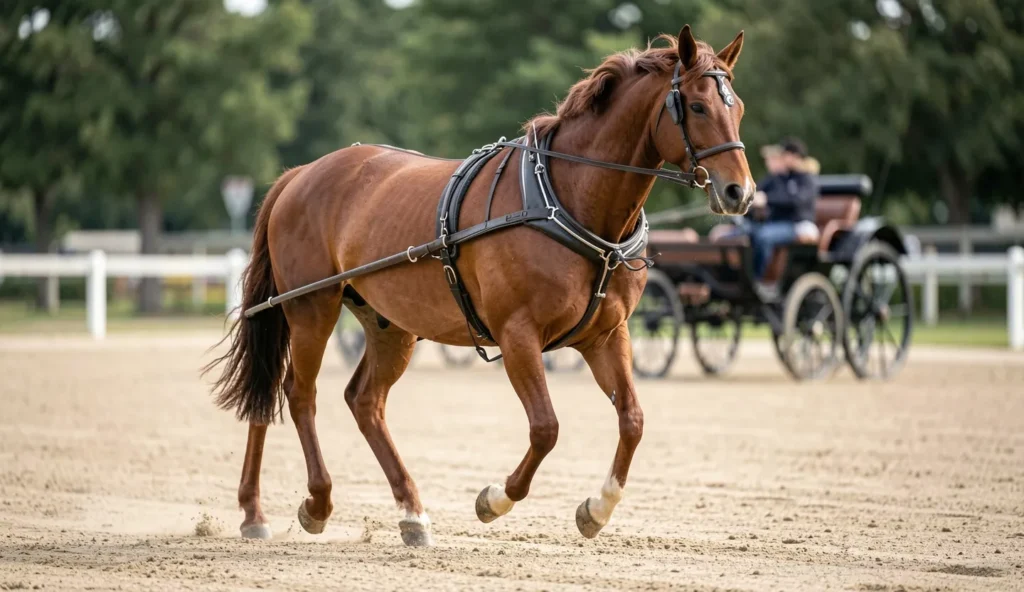
The Hackney horse is an English carriage driving horse known for spectacular high-stepping action. This breed stands out in harness work and the show ring due to its animated trot and flashy presentation. Many people choose a Hackney horse because it combines motion, responsiveness, and breed style in one package.
Hackney horses also have a reputation for being built to perform under harness. They typically show motion that looks collected and forward at the same time. That combination can make them a strong fit for carriage driving enthusiasts and show ring fans.
Where The Hackney Horse Came From
Hackney history traces the breed back to England, where selection favored reliable harness work. Breeders aimed for a carriage driving horse that moved in a way judges and spectators recognize quickly. Over time, the breed became known as a distinct English carriage breed with a recognizable style.
Selection focused on the quality of stride at the walk and trot, not just height of knee action. As a result, the breed’s high-stepping action often appears as an organized gait rather than random movement. This matters because carriage work requires rhythm that a driver can manage safely.
What Makes The Hackney Style Stand Out
The most noticeable feature in Hackney show work is high, forward knee action, especially at the trot. Movement often looks elevated and energetic while still staying controlled. Drivers typically see this style as an advantage when presenting a horse at consistent tempos.
Additionally, Hackney movement tends to be compact and efficient. The gait usually supports harness work by keeping the body traveling forward without losing balance. Because of this, the Hackney gait often reads as animated even at moderate speeds.
Appearance And Physical Features
Recognizing a Hackney horse starts with understanding how the body supports action. The build usually aims to carry motion through the limbs under harness. When owners evaluate appearance, they usually focus on balance, soundness, and the ability to move through a trot with regular rhythm.
Even when coat color varies, the overall impression often stays consistent. The goal usually involves a refined look plus a strong frame for repeated work. That mix helps explain why the breed can look stylish in Hackney show presentations.
Typical Size And Build
A Hackney horse often has a medium height with a refined but strong structure. The frame generally supports motion from the body into the legs. Balanced proportions also help the horse place the stride under control during harness driving.
Most conformation points link back to performance at walk and trot. A horse that tracks evenly and keeps the back engaged usually has an easier time showing clean action. If soundness appears questionable, the high stepping action may also suffer over time.
Head, Neck, And Body Shape
The head often looks refined with an alert expression. A supportive neck structure can help the horse maintain collection for carriage work. When neck and shoulder angle work well together, the horse usually moves with less wasted motion.
Shoulders and back matter for the ability to move at speed while staying comfortable. A horse that carries itself with a stable topline typically maintains stride organization in harness. This kind of stability supports smooth transitions that judges often reward.
Legs, Feet, And Gait Support
Leg structure in a Hackney horse supports tracking and a consistent stepping pattern. Because the breed performs repetitive trot work, feet and joints need to handle workload. Soundness through the hindquarters often shows up as steadier power and better rhythm.
Owners should look for evenness at rest and in motion. When a horse has irregular movement, high stepping action can exaggerate faults. That effect is one reason many drivers prioritize careful evaluation of legs and feet during selection.
Common Coat Colors And Markings
Hackney horses can appear in common English horse coat colors, and markings vary between individuals. Color can help with identification, but it rarely explains performance by itself. Most breed attention centers on overall movement, balance, and soundness.
In Hackney care, coat and skin health still matter because work often includes sweating and frequent grooming. A glossy coat can reflect good condition and consistent routines. Even then, action quality remains the key factor in show expectations.
Hackney Temperament And Personality
Hackney temperament usually includes an alert, responsive feel under training. Many horses move forward with a work drive that fits harness routines. Still, consistent guidance often helps a new owner manage that energy safely.
Because the breed aims for performance, handling and training can shape how well the horse responds in harness. Owners often notice that temperament influences rhythm, attention, and how quickly a horse learns cues. These factors affect both driving sessions and Hackney show preparation.
Natural Disposition Around People
Many Hackney horses show a generally manageable nature with curiosity about routines. They often respond well when training stays clear and consistent. That responsiveness can support progress in manners, leading, and rein contact.
At the same time, a forward-moving disposition can require patience. When handling becomes rushed or inconsistent, energy can increase without improving performance. Calm repetition usually supports steadier results for a carriage driving horse.
Behavior In A Stable And During Grooming
In a stable, the breed commonly benefits from predictable routines and daily handling. Regular grooming often improves comfort and allows frequent equipment checks. When horses learn that grooming never brings surprises, they usually tolerate harness fitting more easily.
Startle responses can occur, especially in younger horses or those new to tack. Owners can reduce those reactions with calm exposure and careful desensitization. Over time, the horse typically accepts the process as normal.
How Temperament Affects Carriage Driving
Hackney temperament can match drivers who value rhythm and responsiveness. A driver usually benefits from a horse that listens to cues while maintaining tempo. However, training success depends on patience and correct timing.
It also helps to remember that harness work can amplify energy. If training stays uneven, the horse may show extra motion that looks impressive but becomes hard to manage. For that reason, Hackney care and Hackney training often work together to maintain balanced behavior.
For owners comparing driving breeds, it can help to review other harness-focused warmbloods, such as the warmblood horse, which often shows athletic versatility. Still, the Hackney horse remains a unique choice when the goal is high-stepping action designed for carriage presentation.
Exercise Requirements For A Hackney Horse
Exercise for a Hackney horse should support sound movement without pushing joints beyond safe limits. Regular turnout helps keep muscle tone and joint comfort stable. Then, controlled driving and trot work build the gait quality owners want for carriage driving and Hackney show events.
Because this breed performs elevated action, conditioning needs structure. That structure protects stride quality and helps prevent stiffness after sessions. With the right plan, the horse usually improves tempo and stays comfortable between workouts.
Daily Movement And Conditioning Basics
Regular turnout supports joint health and muscle tone in daily life. Groundwork can also prepare muscles for harness sessions, especially for attention and balance. Consistency matters more than occasional long sessions that can create fatigue quickly.
Warmups should focus on getting the horse moving freely before asking for higher action. Short practice steps often work better than long intense efforts. This approach supports the Hackney gait and keeps it organized.
Best Types Of Work For High Stepping Action
Driving at controlled speeds helps build safe rhythm under harness. Frequent trot work can improve gait regularity, especially when transitions stay smooth. Intervals can also manage fatigue and keep the stride clean rather than forced.
Many drivers train the foundations first, such as straightness and steady rein contact. Once basics stabilize, the horse can show higher action without losing balance. That sequence often creates the most consistent results in show preparation.
Signs Of Overwork And When To Adjust
Owners should watch for changes that signal overwork. If the stride shortens noticeably, it usually means the horse needs reduced workload or extra recovery. Stiffness after sessions often suggests that conditioning should progress more slowly.
During Hackney show season, controlled conditioning becomes even more important. Recovery time should increase after event-style efforts. When training adjusts early, the horse often stays comfortable and keeps action quality intact.
When comparing energy management across breeds, studying harness and training styles can be useful. For example, some drivers also explore how Standardbred horse routines support performance at trot and pace, even though the show goals differ. These comparisons can help owners think about pacing and recovery planning.
Training A Hackney Horse For Driving And The Show Ring
Training a Hackney horse usually follows a clear path from manners to harness work to show presentation. Because the breed focuses on elevated action, training also aims to keep the gait rhythmic and sound. With a structured routine, drivers can develop a show-ready carriage driving horse.
Progress happens faster when training stays consistent across days. Routine also matters because the horse learns cues faster when expectations do not change. Over time, stable habits improve both behavior and the quality of Hackney show movement.
Starting With Groundwork And Manners
Groundwork should teach relaxed leading and attention to voice and cues. Early training often includes handling of legs, ears, and areas where tack will touch. These steps build trust before harness sessions begin.
Attention and calm reactions form the base for later driving. If the horse struggles with handling, harness work can become stressful and less consistent. For that reason, groundwork should occur regularly and stay gentle.
Harness Basics And Safety Steps
Proper fit prevents rubbing and helps the horse move without restriction. When components enter training, they should appear in a calm, staged routine. That staging reduces surprise and supports steady acceptance of equipment.
Safety practice should include stop, turn, and rein contact responses. Drivers should focus on clarity rather than speed. When the horse understands transitions, the carriage driving experience tends to feel more controlled.
Building The Elevated Trotting Action
The elevated trot in a Hackney horse depends on rhythm, balance, and straightness. Training usually starts with a steady tempo at the trot before asking for more lift. Consistent rein contact helps the horse stay organized through transitions.
Rewards should go toward correct tempo and smooth movement rather than forced height. If the horse tries to rush, training can shift toward shorter, more controlled trot intervals. This method often preserves soundness and keeps action looking clean.
Show Preparation And Presentation Habits
Show readiness improves when the horse keeps a stable routine. Grooming and equipment checks should happen in advance, not right before a ring entry. This habit reduces stress and keeps the horse focused on the work ahead.
Practice between-ring movements can also help the horse stay mentally steady. Warmup patterns should match how the horse will move in the ring. When those habits become predictable, Hackney show performances often appear more consistent.
For owners building broader training expectations for carriage work, it can help to compare how other warmblood types approach schooling. A guide on the Holsteiner horse can provide ideas about athletic training and calm rideability. Those principles can support consistent work habits even if the performance style differs from Hackney show action.
Hackney Care Tips For Long Term Health
Hackney care should protect the body that produces high stepping action. The goal includes healthy skin, comfortable hooves, and consistent nutrition. When owners manage daily maintenance well, the horse can stay ready for training and carriage driving sessions.
Care also supports temperament because horses that feel comfortable often cooperate better. During show events, careful planning reduces stress from tack changes and grooming. With a steady routine, the Hackney horse often stays healthy and shows better.
Grooming And Daily Handling Steps
Daily grooming removes dirt and stimulates circulation in the skin. It also creates time to check coat condition and sweat patterns after work. Mane and tail care matters because these areas often collect debris during driving routines.
Lower legs deserve careful inspection since they take repeated motion at the trot. Owners can look for swelling, heat, or sensitivity before issues become pain. When grooming stays consistent, Hackney care becomes easier and more reliable.
During routine handling, tack areas should be monitored for pressure points. If rubbing appears, the fit should adjust before the next session. Small changes often prevent larger problems later.
Diet And Feeding For Condition And Energy
Diet should center on quality forage and a consistent feeding schedule. This base supports digestion and keeps energy steady for daily work. When workload increases, concentrates can supplement the diet based on body condition.
Fresh water should stay available, especially after driving. Salt or minerals may be needed depending on local conditions and veterinary advice. Feeding consistency often supports muscle recovery and helps keep the horse in workable condition.
Some owners also adjust feeding around show schedules to prevent energy spikes and gut upset. That approach relies on knowing how the horse reacts to routine changes. A stable schedule usually reduces stress related to Hackney show preparation.
Hoof Care And Joint Protection
Hoof care often starts with a farrier schedule based on hoof growth and workload. Drivers who train elevated action should track soreness after increased trot and show conditioning. If soreness appears, footing changes and workload adjustments may help.
Appropriate footing can reduce strain during training. Repetitive work on hard surfaces can add stress to joints and feet. Over time, safe ground choices support long-term soundness in the Hackney horse.
Joint protection can also include recovery days and gentle movement routines. Even short turnout can help muscles relax. When care plans protect comfort, the horse can maintain cleaner high stepping action.
Common Health Issues To Watch For
Owners should monitor for lameness related to high-action workloads. Because the breed’s training emphasizes elevation, joint and tendon comfort becomes a key focus. Catching early stiffness often prevents a more serious injury.
Skin sensitivity can occur after driving and grooming if equipment rubs or skin stays irritated. Routine checks help identify small issues early. Vaccination and deworming plans should stay current based on veterinary guidance.
It can also help to review broader equine health practices when planning care routines. For example, some owners compare how different breeds manage workloads and recovery. A breed overview like the Icelandic Horse can provide general ideas about comfort and conditioning, even if the gait style differs.
Is A Hackney Horse Right For You
A Hackney horse can be a good choice for drivers who train rhythm and manners consistently. This breed typically benefits from regular exercise and careful soundness monitoring. Show-focused owners should plan time for grooming, equipment readiness, and practice sessions.
Expect training to require patience and timing rather than quick results. The horse responds best when care routines stay stable and workload increases gradually. If those factors align, the Hackney horse can fit well into carriage driving and Hackney show goals.
When comparing long-term suitability with other carriage-capable breeds, it can also help to learn how warmbloods handle athletic work. Reading about a Hanoverian Horse may support planning for structured training and steady progress. Still, the Hackney horse remains the top match for high stepping action designed for show presentation.
Frequently Asked Questions
Are Hackney Horses Good For Carriage Driving?
Yes. Hackney horses were developed for harness and carriage work, and training usually emphasizes rhythm and responsiveness in harness.
What Is A Hackney Horse Gait And Why Does It Look High Stepping?
The breed is known for an elevated trot action. Selection and training support high knee action and a regular tempo.
How Much Exercise Does A Hackney Horse Need?
Regular conditioning with consistent driving or trot work is important. Workloads should adjust based on soundness and recovery needs.
What Should Hackney Care Include During Show Season?
Stable routine, grooming, and tack readiness support show performance. Controlled conditioning also helps preserve gait quality and comfort.
Do Hackney Horses Require Special Feeding?
Forage usually forms the base of the diet. Concentrate and supplements depend on workload and body condition.
What Health Problems Are Common In Hackney Horses?
Lameness monitoring matters because high-action training can stress joints and tendons. Follow vet-guided vaccination and parasite control schedules.
A Final Note On Hackney Care And Performance
With consistent training and attentive daily care, the Hackney horse can maintain the high stepping action that makes it famous. Soundness-focused routines help preserve performance from practice sessions through the show ring.