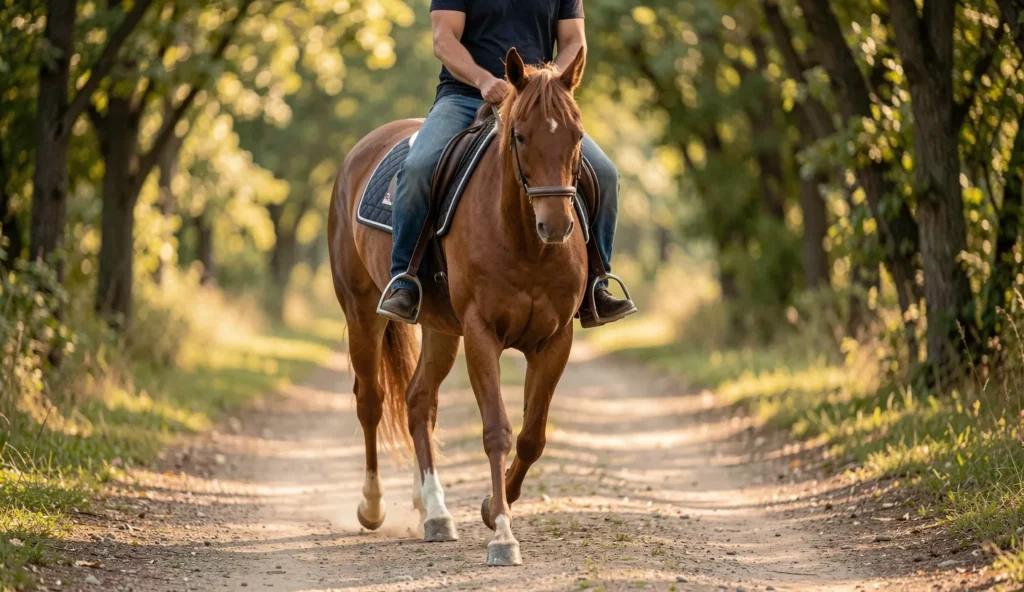
What Is A Missouri Fox Trotter?
The Missouri Fox Trotter is a gaited horse developed for a comfortable ride, especially on uneven ground. It is closely tied to the Ozark Mountains and is known for its signature fox trot gait. Many riders choose the Missouri Fox Trotter because it often feels smoother than a basic walk or trot.
Breed Origins And Development In The Ozark Mountains
Fox Trotter history starts in the Ozark Mountains region, where local needs shaped the breed. Horses were selected for dependable travel over rough trails and daily work conditions. Over time, breeders focused on horses that maintained a smooth, controlled rhythm rather than only speed.
Gaited horses brought to the American frontier helped influence early development. Then, local breeding programs refined the traits that became the modern Missouri Fox Trotter. This is where the breed identity took shape around trail comfort.
Because the selection pressure came from real terrain, the breed’s movement often stays practical in the saddle. The result is a horse built for long days, not short bursts. For riders comparing gaited options, understanding how each line developed can help. That context also clarifies why other gaited breeds like the Paso Fino horse can feel different on the trail.
Key Breed Traits Riders Notice On The Trail
Riders often recognize the Missouri Fox Trotter by a smooth, gliding fox trot gait. This gait typically provides a steady feel, which many people prefer for trail sessions. In everyday handling, many horses also show calm reactions to tack and motion.
In addition, these horses often support long rides when conditioning matches the workload. With steady warmups and proper hoof care, the gait quality usually stays more consistent. Most commonly, the Missouri Fox Trotter is used for trail riding, pleasure riding, and endurance-style efforts where comfort matters.
Temperament also plays a role in trail readiness. A horse that stays relaxed around movement and wildlife can reduce rider stress. That is why Fox Trotter temperament usually gets evaluated alongside physical soundness during selection.
Appearance And Physical Features
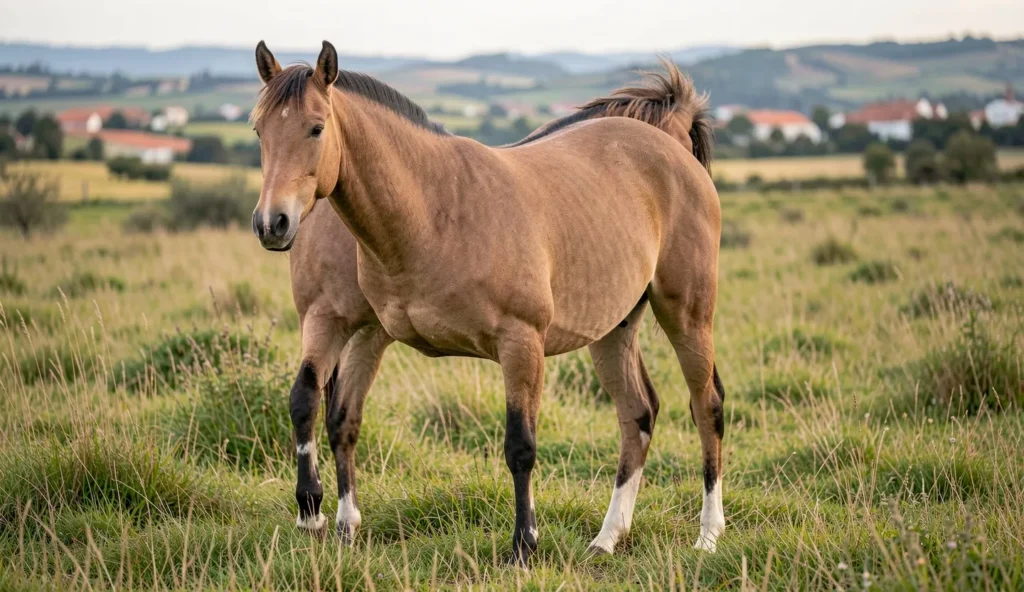
Appearance matters because the body structure often supports the type of movement riders feel. The Missouri Fox Trotter typically shows a balanced build with enough strength for trail travel. While individual horses vary, the overall conformation often helps with efficient, repeatable footfalls.
Typical Height Weight And Build
The Missouri Fox Trotter often falls in a medium size range, which suits many riders. A balanced body can support efficient movement through the stride. Sturdy legs and well-supported joints also help with footing on uneven trails.
Muscling usually reflects regular work and conditioning. When a horse moves often and correctly, the muscles support rhythm rather than random effort. Over time, this can help maintain a smooth gait across the ride.
Common Coat Colors And Patterns
Many solid coat colors may appear in the Missouri Fox Trotter population. Some horses show pattern variations, but coat color alone does not guarantee gait ability. Seasonal changes can also influence how the coat looks and feels to the touch.
Coat thickness can offer comfort in weather extremes. Still, the horse’s movement pattern, not appearance, confirms whether the fox trot gait shows up reliably. For buyers focusing on gait performance, training background and demonstration carry more weight than color.
Conformation Traits That Support Smooth Gaits
Conformation often affects rhythm, balance, and comfort under saddle. Natural balance can help the horse maintain consistent footfalls. Shoulders and hips influence stride length and how easily the cadence stays regular.
Leg alignment also affects comfort and long-term soundness. When feet and lower legs remain healthy, the fox trot gait often stays smoother for longer periods. Foot health becomes especially important for Fox Trotter care because small soreness can change the way a horse places each foot.
Fox Trot Gaits And How They Feel Under Saddle
The fox trot gait is the defining feature of the Missouri Fox Trotter. It typically presents as a four beat style gait with a smooth rhythm. Many riders find it easier on their seat than flat footed walks and less jarring than some trots.
To understand what to expect, it helps to compare the fox trot to other movement patterns. It also helps to know how training affects consistency across different trail conditions. When the gait works well, Fox Trotter gaits can feel steady even during gradual climbs.
Understanding The Fox Trot Versus Other Gaits
Fox trot is a distinct four beat style gait that aims to keep the rhythm smooth and even. Riders often notice a gliding motion that stays controlled rather than bouncy. In some horses, other gaited patterns may appear depending on training and natural ability.
Other horses may show walking type movement or a trot work pattern as training develops. Some lines can also show a running walk style movement similar in feel for certain riders. Even so, fox trot remains the hallmark gait for this breed.
Common Gait Types Owners Encounter
Many Missouri Fox Trotters show gait options beyond the fox trot, but the primary comfort comes from fox trot. Some horses begin by showing a steady walking type movement, then transition into the trot or gaited work as training progresses. The timing and cues vary, so rider experience often matters during early rides.
In a well trained horse, transitions feel smooth because the cadence changes gradually. If transitions feel abrupt, that often signals a need for better rider cues or additional groundwork. Some horses also show movement changes when saddle fit or tack pressure affects comfort.
For riders comparing breeds and gait styles, it may help to review how other American gaited horses perform. For example, the Tennessee Walking Horse also highlights a signature smooth motion that can feel different from fox trot timing, even though both aim for rider comfort.
What Changes The Smoothness On Trail
Cadence and rhythm need to stay steady for the fox trot to feel smooth. If speed rises too quickly, the horse may break rhythm and the feel can become less comfortable. Fatigue also plays a role, since late in longer rides some horses lose precision.
Trail footing matters as well. Loose gravel, wet ground, and uneven surfaces can change how a horse places its feet. Footwear and tack fit influence comfort too, so poor saddle placement can interrupt gait quality.
Because of these variables, consistent conditioning helps the Missouri Fox Trotter hold its gait through different days. A steady training plan supports both muscle endurance and coordination.
Fox Trotter Temperament And Behavior With People
Fox Trotter temperament can make or break trail rides, especially for riders who plan long sessions. The Missouri Fox Trotter often gets described as steady and willing in everyday handling. Still, each horse has its own personality and training history.
Temperament influences how a horse responds to mounting, tack changes, and outside stimuli. When the horse stays calm, riders can focus on navigation and safe pacing. That is why selecting for both movement and attitude remains essential.
Typical Personality Traits On The Ground
Many Missouri Fox Trotters tolerate grooming and tack setup without drama. During lead handling, some horses show consistent manners that help new riders feel more secure. However, some individuals can become sensitive to sudden changes or unfamiliar environments.
Because variation exists within the breed, observation plays a major role. A horse that seems relaxed at home may react differently in new spaces. For that reason, test sessions should include tack and mounting routines.
How Temperament Affects Trail Readiness
Confidence can help a horse stay focused during trail encounters with people, wildlife, and changing terrain. Quiet ears and a relaxed body often suggest comfort with the process of riding. Trainable horses also typically respond well to routine, which helps maintain reliable cues.
On longer routes, stress can reduce performance and harm gait quality. A steady trail temperament supports smoother movement because the horse does not need to spend energy reacting. This is one reason Fox Trotter care often includes mental comfort practices, not just physical management.
What To Check Before Committing
Before committing, evaluate how the horse responds to common trail handling tasks. Watch reactions to mounting and rider leg swings, since these can affect relaxation. Test grooming tolerance and lead behavior while the horse remains calm and attentive.
Next, ask for a demonstration at different speeds. Confirm the fox trot pace and observe how the horse maintains rhythm as effort increases. Also review any past soundness issues so trail comfort stays predictable.
If soundness history remains unclear, asking the seller for details helps reduce risk. Similar diligence applies when comparing other harness or trail-oriented breeds such as the Standardbred horse, where work background often affects behavior and comfort patterns.
Exercise Requirements And Trail Conditioning
Exercise keeps the Missouri Fox Trotter comfortable and supports consistent fox trot performance. These horses often benefit from regular movement that stays connected to rhythm and warmups. With proper progression, trail riders can build endurance without sacrificing gait quality.
Daily Movement That Supports Smooth Gaits
Regular turnout supports joint mobility and helps muscles stay ready for work. Short, steady work sessions can maintain rhythm and reduce stiffness that disrupts gait. Consistent warmups also matter because they help the horse settle into cadence.
Cadence building usually happens gradually over time. When training focuses on steady transitions, the horse often maintains smoother footfalls on trail. This daily structure is a core part of Fox Trotter care for both physical health and gait consistency.
Trail Work Progression For New Owners
New owners often start with short rides on familiar paths. Over multiple weeks, distance can increase slowly while observing fatigue and recovery. Hills should be used carefully to avoid overloading tendons and ligaments.
During each progression, monitor how the horse breathes and how posture changes near the end of the ride. If the fox trot becomes uneven, reduce intensity and return to shorter work. This approach supports safe conditioning for long days on the trail.
Endurance Considerations For Trail Riders
Endurance riding still depends on hydration and electrolytes, especially during warm conditions. Footcare and shoeing choices influence comfort because endurance depends on repeated footfalls. Rest intervals help protect tendons and ligaments so the horse can continue moving well.
Keeping basic records can help guide decisions. Track ride times, recovery behavior, and any changes in gait quality. Over time, these notes support more accurate training plans for Fox Trotter temperament and soundness management.
When comparing endurance approaches across breeds, work history can provide clues. For example, the Morgan Horse often gets used for versatile riding, so conditioning strategies may overlap even though gait patterns differ.
Training Tips For A Reliable Fox Trot
Training aims to teach cues that produce consistent fox trot gaits on command. A reliable gait depends on clear signals, balanced posture, and steady reinforcement. When cues remain consistent, the horse learns what the rider wants and can maintain rhythm more easily.
Foundations Before Gait Training
Before working on fox trot, basic obedience supports communication. Calm transitions between walk and gait help set up stable body alignment. Smooth steering also improves balance, which makes it easier to keep cadence steady.
Confidence during mounting and ground handling affects how focused the horse stays. If the horse tenses during tack up, training sessions can become less effective. For many riders, starting with ground work reduces confusion during saddle cues.
How Riders Ask For And Maintain The Fox Trot
Riders typically use consistent aids and avoid mixed signals that confuse the horse. Straightness helps protect rhythm, since crooked movement can disrupt coordination. Rewards should target the desired cadence and relaxed posture rather than forcing speed.
Practicing in controlled sections first supports better results. Then the horse can generalize the gait to the trail environment. If the gait breaks, returning to groundwork often helps identify whether the issue is balance, speed, or tack fit.
When saddle comfort changes, gait comfort usually follows. That is why riders often review fit details before repeating gait cues, similar to how saddle selection matters when evaluating other performance-focused breeds like the Thoroughbred Horse for rider balance and control.
Common Training Challenges And Fixes
A common challenge is the gait breaking when speed or balance changes. Often, this improves when cues remain steady and the horse works within its comfortable range. Poor saddle fit can also cause discomfort and lead to resistance or uneven gait.
Overusing harsh cues tends to reduce responsiveness and increases stress. Likewise, if conditioning stays low, the horse may not hold cadence late in sessions. In many cases, solving the training issue also improves Fox Trotter care by addressing physical readiness first.
Grooming Care Tips For Everyday Health
Grooming supports skin health, tack cleanliness, and comfort during riding. For the Missouri Fox Trotter, daily care also helps maintain the conditions needed for smooth movement. When grooming routines stay consistent, small issues often get noticed earlier.
These steps also reduce the chance that skin irritation leads to tack discomfort. With stable comfort, the fox trot gait often stays more consistent. Therefore, grooming becomes a practical part of Fox Trotter care.
Daily Grooming And Coat Care
Daily brushing removes dirt and helps distribute natural skin oils. During grooming, checking for bumps or skin irritation helps prevent rubbing problems under tack. Tack should also get cleaned and dried after rides to reduce salt buildup and odor.
Seasonal coat changes may require adjustments. In winter, careful drying helps prevent chill from dampness. In warmer months, extra attention may help spot early insect irritation or skin sensitivity.
Hoof Checks And Why They Matter
Hoof checks help owners catch soreness before it disrupts the gait. After work, inspect hooves for cracks, heat, or signs of tenderness. Clean feet reduce irritation from debris that can affect comfort during trail travel.
Farrier scheduling depends on growth rate and workload. Proper trimming and shoeing support balance and reduce uneven wear that can change how the fox trot feels. Footwear choices can also support smooth movement when conditions vary.
Blanketing And Seasonal Management
Blanketing should match actual weather needs rather than routine use. After rides, the horse should dry before blanketing to reduce moisture retention. Gear fit matters because rubbing can create skin problems and discomfort.
During hot months, shade and water matter for performance. Summer insects can irritate skin, so consistent checks help manage scratching and swelling. Seasonal planning often prevents flare ups that interfere with training and trail comfort.
Diet And Nutrition For Gaited Trail Work
Diet supports steady energy, healthy weight, and recovery after riding. The Missouri Fox Trotter often performs best when forage forms a reliable base. Nutrition also affects skin, hoof quality, and overall conditioning for trail demands.
Base Feed Plan With Hay Or Pasture
Hay and pasture provide the foundation for most feeding plans. Quality forage supports digestion and helps maintain daily energy. Portions should get measured to avoid weight issues that can stress joints and reduce comfort.
Forage frequency also matters. Many horses do well when forage gets offered multiple times per day, especially if long rides reduce feed intake temporarily.
Supplement Options For Performance And Hoof Health
Supplements should match the horse’s needs based on forage results and workload. Electrolytes can help during longer rides, especially when sweat losses increase. Mineral support should come from a plan rather than guesswork.
Adding concentrates without a ration plan can create imbalance and digestive stress. A controlled approach helps protect consistent energy for Fox Trotter gaits and reduces recovery problems after work. Working with a feed professional or equine veterinarian can improve accuracy.
Water Intake And Feeding Schedule On Ride Days
Fresh water should remain available daily and during hot weather. On ride days, forage timing often supports stable energy without upsetting digestion. Heavy meals right before riding can cause discomfort, so feeding schedules should account for work timing.
After rides, cool down first and then offer full grain or concentrate if the plan includes them. This approach supports digestion and helps keep the horse comfortable. Hydration also supports muscle recovery, which helps maintain gait smoothness across the ride.
Common Health Issues And When To Call A Veterinarian
Even well cared for Missouri Fox Trotters can develop health issues that affect soundness and gait. Many problems relate to feet, weight, metabolism, or seasonal exposure. Recognizing early warning signs helps prevent small problems from becoming long term concerns.
Trail riders should watch how the horse moves during and after work. If gait quality changes suddenly or swelling appears, prompt evaluation can help. When warning signs show up, calling a veterinarian becomes the safest next step.
Lameness Triggers In Trail Horses
Foot soreness can disrupt gait consistency and reduce the smooth feel riders expect. Overwork may contribute to tendon and ligament strain, especially when conditioning ramps up too fast. Dry conditions can worsen hoof cracks, which then affects comfort on rocky or hard terrain.
Early rest and veterinary checks can prevent longer recovery timelines. Owners also need to address tack issues because pressure points can mimic soreness. Proper shoeing, trimming, and clean feet support better outcomes for gait reliability.
Metabolic And Weight Related Problems
Some horses develop insulin resistance risk, which can make weight management more complex. Monitoring body condition helps guide safe conditioning and feed adjustments. If weight rises, changes to turnout and ration may help reduce risk.
Regular bloodwork can guide management plans when metabolic concerns appear. These decisions protect long term health and help keep the horse comfortable during trail work. Weight issues can also affect Fox Trotter temperament since pain and discomfort can increase sensitivity.
Skin Respiratory And Seasonal Concerns
Dust exposure can affect breathing in some horses, especially in dry areas or dusty arenas. Summer insects can irritate skin, leading to scratching or rubbing sores. Wet stalls can also increase skin problems, so cleanliness and drying matter.
Seasonal management often reduces flare ups and supports consistent training. When grooming and environment stay controlled, riders usually see fewer disruptions. This stable routine also helps maintain reliable fox trot performance.
Is A Missouri Fox Trotter Right For Trail Riders And Endurance Fans?
The Missouri Fox Trotter often fits riders who want a smooth ride with a distinct gait pattern. It can also suit endurance fans who prioritize steady pacing and recovery. Still, selection should match rider goals and the horse’s soundness history.
Best Fit For Riders Who Want A Smooth Ride
Trail riders usually choose this breed for comfort over long hours on uneven ground. Gaited horse fans often value consistent cadence rather than jarring motion. Endurance riders may also benefit when training focuses on gradual conditioning and safe rest intervals.
Because hoof and training quality determine comfort, owners who prioritize care often succeed. The best match is usually a rider who can commit to routine grooming, tack checks, and progressive trail work plans.
Questions To Ask When Choosing A Horse
Ask whether the horse performs the fox trot reliably and request a demonstration at the pace the rider intends to use. Review training background, including how the horse responds to cues and transitions. Then test tack fit and ask about any past soundness issues that might return on trail.
Also discuss diet plan, recent workload history, and recovery behavior after rides. If the horse recently changed feed or shoeing, ask how the change has affected comfort. The goal is to confirm both Fox Trotter temperament and Fox Trotter care needs match real riding plans.
For riders exploring other equine options, comparing breed backgrounds can provide useful perspective. For instance, an American Saddlebred might offer expressive motion but with different rhythm demands than a Missouri Fox Trotter.
Frequently Asked Questions
What Is The Fox Trot Gait In A Missouri Fox Trotter?
The fox trot gait is a distinct four beat style gait with a smooth rhythm. It often feels more comfortable than a basic walk for many riders, especially when trained correctly.
How Much Exercise Does A Missouri Fox Trotter Need?
Regular movement supports smooth gait performance, with consistent warmups before longer rides. Trail conditioning should increase gradually while monitoring fatigue and recovery.
Are Missouri Fox Trotters Good For Trail Riding?
They are often well suited to trail riding due to the smooth fox trot gait. Soundness, hoof care, and steady training influence whether the comfort stays reliable over time.
How Should A Missouri Fox Trotter Be Fed For Trail Performance?
Forage quality should guide the diet, since it supports digestion and stable energy. Supplements may depend on workload and forage results, and heavy feed should be avoided right before riding.
What Are Common Health Problems In Fox Trotter Horses?
Lameness and foot soreness can disrupt gait reliability, especially when feet get irritated. Some horses also face metabolic and weight related challenges, along with seasonal skin and breathing concerns.
How Can Fox Trotters Be Trained To Maintain A Smooth Gait?
Training typically uses consistent aids to reinforce correct cadence and relaxed posture. Riders often practice on controlled footing first, then adjust tack fit and conditioning when gait quality declines.
Final Note On Choosing Comfort And Consistency
A Missouri Fox Trotter can deliver smooth trail travel when the fox trot gait stays trained and the horse stays comfortable. With steady conditioning, careful grooming, and sensible nutrition, many owners support reliable performance over time.