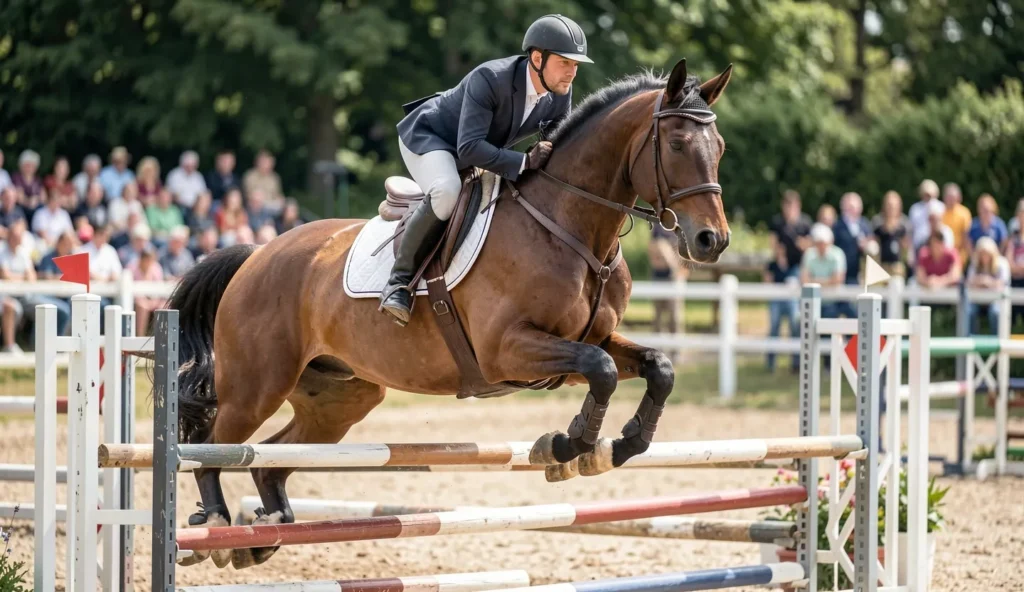
What Is A Holsteiner Horse?
The Holsteiner horse is a German warmblood known for athletic performance and calm, rideable behavior. It comes from Northern Germany and earned a reputation for powerful jumping in competition. Because of its sport focus and steady temperament, many riders and breeders choose the Holsteiner horse for show jumping goals.
Like many German warmbloods, the Holsteiner horse development emphasizes type, soundness, and consistent training pathways. Over time, breeding programs and selection standards shaped a horse that can move well on the flat and approach fences with purpose.
Origin In Northern Germany And Regional Roots
Holsteiner history traces back to the Schleswig-Holstein region of Northern Germany. Breeding traditions in this area helped shape one of the oldest German warmblood lines. As a result, the Holsteiner horse often reflects practical farm-to-sport goals while still meeting modern performance demands.
Associations and structured breeding support helped maintain the desired look and movement. Today, registered breeding and training-based selection continue to protect Holsteiner type and sport suitability.
For riders comparing different European warmblood paths, reviewing other warmblood histories can also help with planning. A similar sport-minded background appears in the Warmblood horse category, even though each registry has distinct traits.
What Makes It A Warmblood For Sport
As a German warmblood, the Holsteiner horse typically combines a balanced frame with a strong focus on work capacity. Its athletic frame supports both flatwork and jumping, which helps performance programs run more smoothly.
Breeders often select for rideability, soundness, and functional conformation. That approach supports longer careers in training and reduces the odds of problems caused by poor biomechanics.
Many performance riders also cross-compare warmblood lines to match specific sport demands. For example, a Hanoverian Horse may offer similar competition pathways, but selection priorities can differ by region and program.
Common Use Cases In Modern Equestrian Sport
The most common role for the Holsteiner horse is show jumping. Its jumping potential shows in scope, technique, and the ability to repeat efforts across rounds.
Beyond fences, some horses succeed in dressage systems and eventing when training matches their temperament and movement. Breeding prospects can also interest sport-focused breeders because the line often aims for predictable athletic traits.
Because Holsteiner horses often serve in competitive environments, they frequently become a reliable partner for structured training programs. Those programs benefit riders who already understand how conditioning, tack fit, and recovery affect results.
Appearance And Physical Features
Appearance tells part of the story for the Holsteiner horse, but conformation explains even more. The frame typically supports reach in flatwork and the kind of spring needed for Holsteiner jumping. Many riders recognize the overall balance before the horse even shows its full athletic potential.
At the same time, no single physical trait predicts performance by itself. Instead, the combination of shoulder, back, hindquarters, and sound feet creates a reliable base for sport work.
Typical Size Weight And Overall Frame
A Holsteiner horse usually falls in the medium to tall range for warmbloods. The head often appears refined, and the neck typically supports an even, balanced outline during movement.
Strong shoulders and a supportive back matter for carrying the rider while maintaining rhythm. In addition, hindquarters provide the propulsion that helps with takeoff and recovery over fences.
When evaluating body shape, it helps to compare how a horse moves across ground. If movement stays even during turns and transitions, the frame usually supports long-term training.
Coat Colors And What Is Most Common
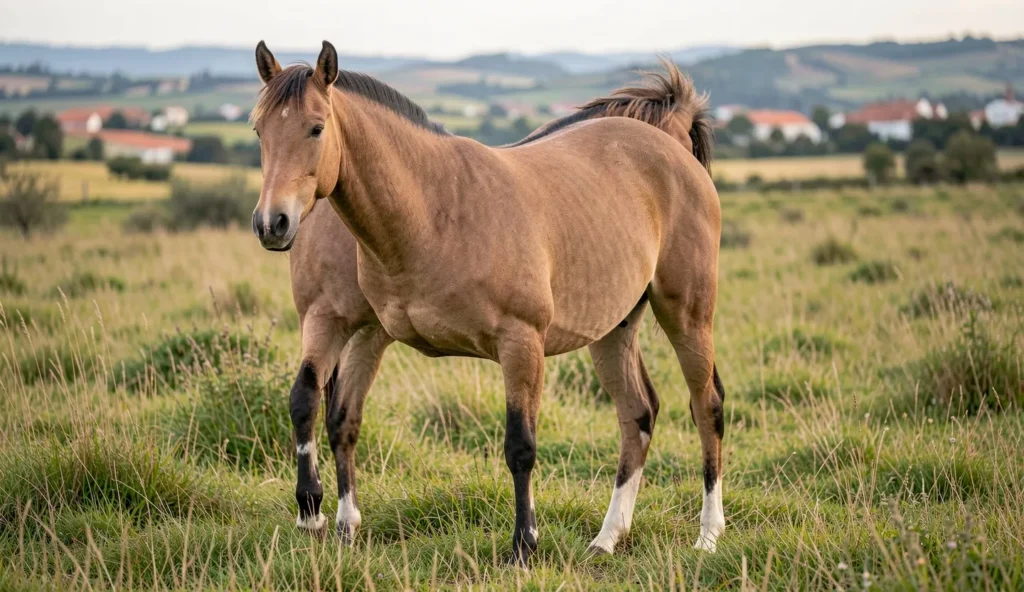
The most common colors seen in the Holsteiner horse are bay and dark bay. Black and chestnut can appear depending on breeding lines, and white markings vary from minimal to moderate.
Color alone should not drive expectations for temperament or jumping ability. Selection focuses more on movement, soundness, and training potential than on coat shade.
If coat color comparisons help with identification, looking at other historic German warmblood patterns can add context. The Most Famous Horse Breeds in History guide can also help when comparing how breed reputation formed over time.
Conformation Traits That Support Holsteiner Jumping
Several conformation traits support Holsteiner jumping outcomes. A springy hind end helps the horse lift and push from the ground with power and control.
Good shoulder angle supports reach, scope, and a smooth front leg path during takeoff. Balanced topline can improve bascule over fences, which many riders rely on for efficient technique.
Sound feet and legs also matter for repeat training. When the lower limbs tolerate workload, the horse can stay consistent through schooling and competition.
Holsteiner Temperament And Personality
Holsteiner temperament is one of the main reasons riders enjoy the breed. Many Holsteiner horses are calm and focused, which supports steady schooling and predictable show behavior. That calm temperament does not mean the horse stays passive, but it usually means the horse learns well under structured training.
Even so, individual variation exists based on line, handling history, and workload. A horse that receives consistent boundaries and routine management often shows more reliability than one trained irregularly.
Calm Trainable Mindset For Sport Horses
Many Holsteiner horses are described as calm and trainable once expectations get established. They often stay willing to work when the training plan uses clear aids and progressive goals.
During schooling, stable temperament can reduce stress responses and support repeatable sessions. Still, temperament should be evaluated in context, including how the horse responds to new arenas, tack, and routines.
For riders comparing behavior profiles across European breeds, it can help to understand how temperament links to selection priorities. The same performance focus exists in other warmblood systems, such as a Warmblood horse, but the specific handling style may differ.
Confidence Around People Equipment And Arenas
Holsteiner horses often show steady behavior with routine handling. They usually accept tack and rider contact well, which helps them settle quickly during warmup.
Because sport horses travel frequently, they also need adaptability to varied environments. Consistent management improves reliability, especially during busy competition weekends.
If a rider plans to enter shows regularly, the value of steady arena behavior becomes obvious. A horse that stays confident helps the rider focus on lines, distances, and technique rather than managing constant reactions.
Strengths And Potential Challenges For Riders
A common strength of the Holsteiner horse is rideability and steadiness. With respectful, consistent training boundaries, many horses stay calm while still offering energy for jumps.
Potential challenges can appear when structure changes too frequently. Some horses may become sharp if routines shift during a training cycle without a clear plan for recovery and schooling intensity.
Proper warmups also reduce stress responses. Gradual increases in pace, rhythm, and fence exposure often keep Holsteiner horses balanced in show settings.
Exercise Requirements And Activity Plan
Exercise planning supports both fitness and soundness for the Holsteiner horse. Regular movement keeps joints comfortable and helps the horse maintain mental balance. At the same time, jumping requires controlled conditioning so the horse can repeat efforts without overloading tendons and joints.
Work should match age, training level, and current soundness. When that alignment is missing, performance often drops and risk increases.
Daily Movement And Turnout Basics
Daily turnout supports joint health and mental stability. For many Holsteiner horses, a walk session or light work helps warm up joints before harder training.
Consistency matters more than occasional intense sessions. A predictable schedule helps the horse keep rhythm, especially when schooling focuses on Holsteiner jumping skills and approach mechanics.
Adjustments also help during growth phases or when workload increases for shows. A simple plan that matches recovery capacity often performs better than pushing every day.
Workload For Jumping Conditioning
Conditioning for jumping should build gradually. A periodized approach alternates flatwork, fence sessions, and recovery days to support strength and coordination.
Transitions and controlled canter work improve balance and power. After fence sessions, fatigue signs should trigger rest, even if the horse appears willing.
It can be useful to compare conditioning strategies with other sport-focused breeds. For example, many riders understand competition pacing by studying how a Thoroughbred Horse is trained for high output, even though the training style must stay appropriate for warmblood frame and longevity.
Rest Recovery And Injury Prevention
Rest plays a role in preventing injury and protecting soundness. Growth periods and heavy show blocks often require extra low-impact work and careful monitoring.
Low-impact work keeps rhythm without repeated high strain. In addition, checking tack fit and rider balance can prevent strain that comes from misalignment rather than from fitness alone.
Hoof condition also needs tracking, since hoof discomfort can change stride length and landing angles. If soreness patterns show up after jumping days, the workload or surfaces may need adjustment.
Training For Show Jumping And Flatwork
Training should match the Holsteiner horse combination of athletic ability and calm temperament. When groundwork, flatwork, and fence technique align, Holsteiner jumping often looks efficient and repeatable. By contrast, training that skips fundamentals usually creates inconsistent results.
Many show jumpers succeed by building a training plan that makes sense week to week. That plan should include clear warmups, predictable progression, and safe recovery between harder sessions.
Starting With Groundwork And Basic Handling
Start training with groundwork and handling basics. Calm leading, tying routines, and consistent grooming reduce stress and help the horse accept daily tasks.
Mounting readiness also matters for sport horses. Riders can practice safe mounting routines and tack placement so the horse stays focused during busy days.
Desensitization should remain routine and gradual. For example, introduce unfamiliar noises and equipment in short sessions while keeping handling predictable.
Flatwork Foundations For Jumping Capacity
Flatwork supports jumping by improving straightness, balance, and rhythm. Circles, transitions, and lateral suppleness help the horse organize movement before fence work begins.
Strengthening hindquarters supports takeoff and recovery. Progressive exercises can build that strength while keeping the horse comfortable and coordinated.
Responsiveness to leg and rein cues matters as well. When the Holsteiner horse understands aids clearly, stride length and frequency become easier to adjust.
Approach To Holsteiner Jumping Like Scope And Technique
Holsteiner jumping training should build confidence with consistent plans. Start with lower fences and reliable distances, then increase difficulty only after the horse stays balanced through takeoff and landing.
Gridwork can help technique, but it should be used carefully. Adequate recovery between sessions lets tendons adapt and keeps movement quality consistent.
Jump position and bascule can improve through specific technique exercises. Riders can evaluate stride adjustments after each fence, then adapt the next round based on the horse’s balance.
Common Training Mistakes That Reduce Performance
Over-jumping can harm coordination and fitness. Jumping too soon without a base in flatwork often leads to rushed takeoffs and a weaker bascule.
Skipping rhythm building creates another problem. If transitions and straightness work get neglected, the approach to fences can become unpredictable.
Another frequent issue involves saddle fit and rider alignment. When these factors stay uncorrected, the horse may resist contact or land unevenly even if training intensity looks normal.
Changing routines too rapidly during show season can also destabilize the horse. Consistent structure usually supports calmer competition behavior and more reliable jumping lines.
Holsteiner Care Tips For Healthy Hooves And Soundness
Holsteiner care supports long-term performance. Healthy hooves, balanced nutrition, and regular grooming help the Holsteiner horse stay comfortable and ready for training. With sport-focused management, the breed’s athletic potential becomes easier to maintain.
Care routines also protect calm temperament. Horses that feel good in daily handling usually stay more willing during schooling and competitions.
Grooming And Daily Maintenance Routine
Daily grooming supports skin health and helps owners spot issues early. Brushing removes dirt and distributes natural oils, which also improves comfort around tack areas.
Checking skin for rubs and pressure points helps reduce irritation. It also supports parasite awareness and early detection of heat or swelling around the legs.
Mane and tail care should match coat needs and local conditions. When grooming stays consistent, it becomes easier to track changes in the horse’s body condition over time.
Hoof Care And Shoe Or Barefoot Decisions
Hoof care depends on workload, footing, and individual hoof shape. Most Holsteiner horses benefit from regular farrier visits based on growth patterns and shoe wear.
Traction and support should match the horse’s training and jumping surfaces. If footing changes frequently, the hoof plan often needs updates to keep the horse comfortable.
Reassessing training surfaces helps prevent hoof imbalances. After jumping days, monitoring for lameness signs can prevent small issues from turning into longer setbacks.
For riders comparing management strategies across species, cattle hoof care articles show how surfaces and consistency affect hoof comfort. A dairy-focused example like Holstein Friesian can reinforce how routine management reduces stress on joints and feet.
Feeding And Nutrition For An Athletic Warmblood
Feeding supports energy needs while maintaining digestive comfort. A base diet should rely on quality forage and consistent feeding times, since sudden changes often upset the digestive system.
Energy and muscle support come from balanced ration planning. Minerals and electrolytes may be needed depending on workload, climate, and forage quality.
Gradual feed changes help protect gut stability. When the Holsteiner horse maintains steady body condition, training stays productive and the horse recovers faster.
Veterinary And Dental Care For Long-Term Readiness
Veterinary care should follow local vaccine schedules and individualized health plans. Parasite control should also follow fecal testing to avoid unnecessary treatments and improve effectiveness.
Routine dental checks support chewing efficiency and help maintain body condition. Tracking growth soundness and injury recovery gives a clearer picture of how training intensity affects the horse over time.
These steps work best when they connect to training goals. A horse prepared for sport through dental and health maintenance usually handles increases in work more smoothly.
Common Health Issues In Holsteiner Horses
Common health issues for the Holsteiner horse often relate to sport workload. Tendons, ligaments, joints, and hooves face repetitive stress during jumping seasons. With early detection and smart management, many risks can be reduced.
Still, symptoms should always prompt veterinary input. When problems get treated late, recovery often takes longer.
Orthopedic And Joint Concerns From Sport Work
Heavy jumping can increase the risk of tendon and ligament strain. Joint wear may also rise with training intensity, age, and repeated impacts.
Stiffness after increased training loads can show early. If that pattern appears, rest and controlled rehab usually matter more than pushing through.
Monitoring during training helps too. When stride shortening or uneven landings show up, the training plan may need adjustment.
Hoof Problems Related To Surfaces And Management
Hoof problems can result from overgrowth and imbalance. Wet or uneven footing can worsen discomfort and change landing mechanics, which then affects other parts of the body.
Shoeing changes should match workload and footing conditions. If training surfaces shift suddenly, the hoof plan should also be reviewed to prevent lingering soreness.
Prompt farrier or veterinary assessment reduces downtime. Even mild pain can influence a horse’s jump technique and approach rhythm.
Metabolic And Digestive Issues Linked To Diet
Diet affects energy levels, body condition, and digestive stability. A poor balance of forage and concentrates can trigger changes in manure consistency and body weight.
Sudden diet changes often cause digestive upset. That risk increases during busy show seasons when feeding routines may vary.
Monitoring weight, ribs, and manure helps owners spot early changes. Forage-first feeding strategies can support steady digestion when combined with balanced supplements.
Is A Holsteiner Horse Right For You
The Holsteiner horse fits many riders, especially those focused on show jumping performance and consistent training. Its calm temperament often supports reliable handling, while its athletic frame supports jumping scope and technique. Still, proper care and training systems must match the breed’s sport needs.
Before choosing, riders should compare their resources and goals with what Holsteiner care requires day to day.
Best Fit For Riders And Programs
The Holsteiner horse can fit show jumping riders who want power with steady handling. Programs that maintain consistent conditioning schedules often support the breed well.
Owners who plan daily turnout and manage hoof and nutrition routines usually find better long-term results. Breeding plans also benefit those targeting sport aptitude and soundness.
If competition goals include broader warmblood comparisons, other German warmblood styles may align with different rider preferences. A Hanoverian Horse comparison can help when deciding between lines.
When To Think Twice
Limited time for daily turnout and routine grooming can make it harder to meet Holsteiner care needs. Without reliable hoof and veterinary support, minor issues can become major setbacks.
Unstructured training also increases risk. Frequent routine changes can destabilize rhythm, increase stress, and reduce confidence around arenas.
Finally, a lack of planning for training load and recovery can overload tendons. Structured rest and low-impact work help prevent long-term problems.
Key Questions To Evaluate Before Buying Or Breeding
Assess soundness history and current movement quality before purchase decisions. Confirm that the horse’s training level matches rider goals and that responsiveness to aids stays consistent.
Lineage should be reviewed for sport traits and temperament patterns. Then, confirm practical health details like teeth status and recent hoof records.
Buying or breeding decisions improve when owners compare more than looks. Movement quality, training response, and recovery patterns usually predict long-term success more reliably.
Frequently Asked Questions
What Are Typical Temperament Traits Of A Holsteiner Horse?
Holsteiner temperament is often calm and focused once training expectations are clear. Many horses stay willing during schooling, though individual variation depends on handling history.
Are Holsteiner Horses Good For Show Jumping?
Holsteiner horses are commonly selected for show jumping due to athletic build and supportive conformation. Consistent training and conditioning strongly affect results.
How Much Exercise Does A Holsteiner Horse Need?
Most Holsteiner horses need regular daily movement plus structured work for conditioning. Workload should match age and soundness, and rest helps prevent overload.
What Should Be Included In Holsteiner Care?
Holsteiner care usually includes forage-based feeding with balanced supplements as needed. Daily grooming, scheduled hoof care, routine dental checks, and parasite control also matter.
What Health Problems Are Most Important To Watch For?
Key concerns include tendon strain, joint issues, and hoof discomfort tied to workload and footing. Digestive changes can also occur with improper diet transitions.
How Should Training Start For A Young Holsteiner?
Training should begin with handling basics and groundwork for calm acceptance. Flatwork rhythm and progressive fence exposure help protect growing joints while building jumping capacity.
Keeping Holsteiner Training And Care Practical
A well-managed Holsteiner horse often performs best when training, nutrition, and recovery stay consistent. With steady routines, the breed’s athletic ability and calm temperament can support years of sport work.