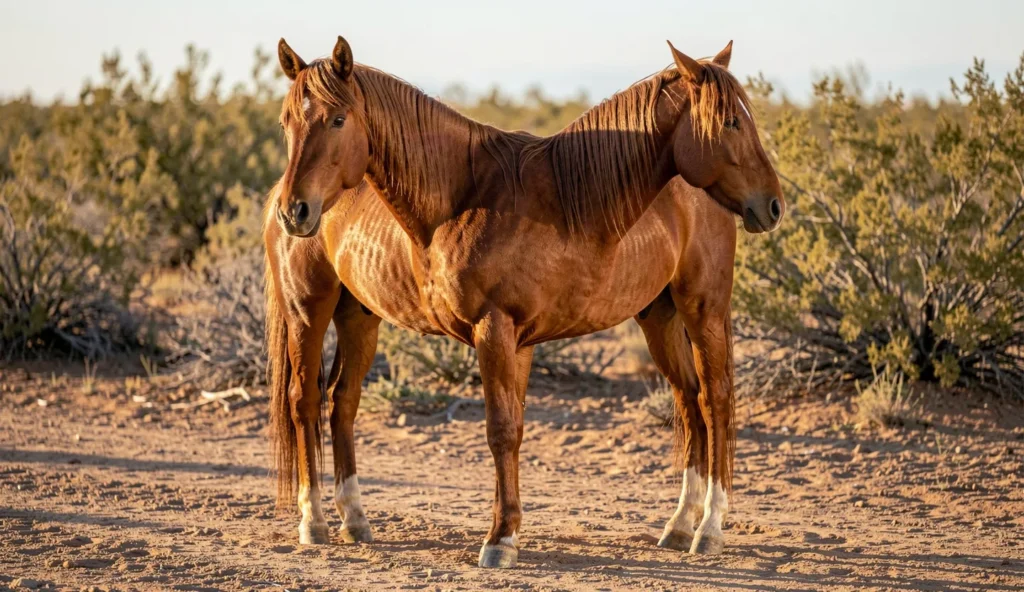
What Is an Akhal-Teke Horse?
The Akhal-Teke horse comes from Turkmenistan and the broader Central Asian steppe traditions. This breed stands out for its reflective coat look and reputation for long-distance stamina. Many people seek an Akhal-Teke because it combines a rare appearance with proven endurance performance.
Breed Origins And Why It Is Considered One Of The Oldest
Akhal-Teke history traces to equine populations shaped by travel across harsh landscapes. Over generations, breeders selected horses that stayed healthy and moved efficiently across long routes. That long timeline helped preserve the breed type and performance traits seen today.
Because the breed developed away from modern breeding farms, its shape and instincts matured under practical conditions. Travel needs favored speed, stamina, and surefooted movement. As a result, the Akhal-Teke became known as a horse built for endurance work.
Owners who study equine lineages often compare Central Asian breeds to other historic sport horses. For example, learning about the Arabian Horse can help clarify how desert-bred horses spread and influenced riding culture. That context can make the Akhal-Teke’s old-world development easier to understand.
Key Traits That Make The Akhal-Teke Easy To Recognize
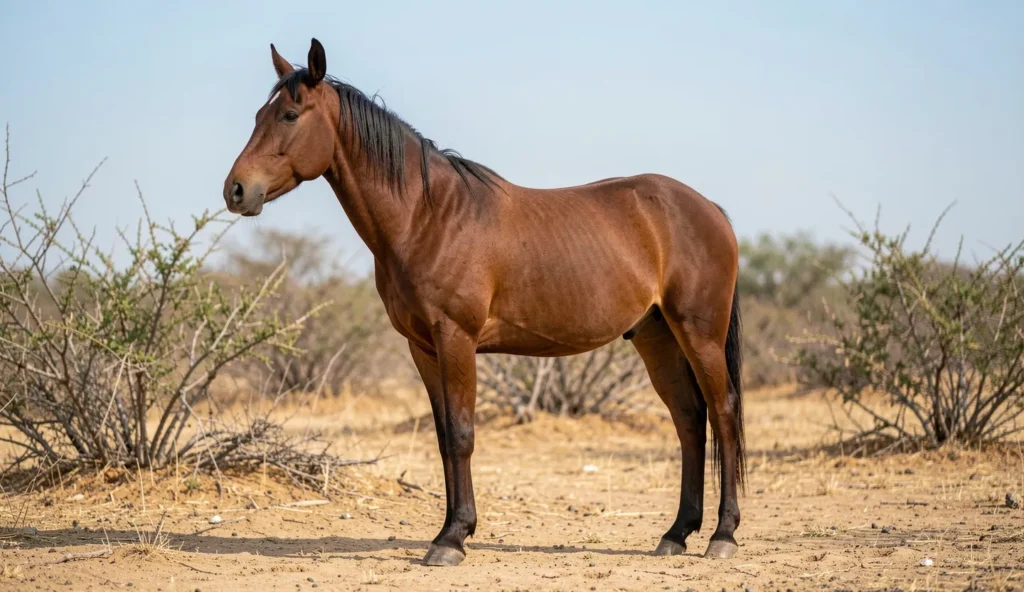
The Akhal-Teke body often looks lean and refined, with long legs and a light build. Its posture and movement can appear smooth and efficient rather than bulky. Many horses show a calm, alert manner that suggests sensitivity to handling.
Coat appearance also helps recognition, especially in certain light. The hair can reflect sunlight in a way that gives the horse a metallic look. Even when two horses share similar coat colors, sheen intensity can vary by season and grooming practices.
Typical Uses For Modern Owners
Most modern interest centers on Akhal-Teke endurance riding, where stamina and steady movement matter. The breed also fits performance disciplines that require responsiveness and rhythm control. Some owners also value the breed as a long-term companion when training stays consistent.
When performance goals match the horse’s strengths, owners often find that training feels clearer. Stable routines and predictable cues tend to support learning. For those comparing performance styles, reading about the Thoroughbred Horse can help show how different breeds dominate different performance categories.
Akhal-Teke Appearance And Metallic Sheen Coat
Appearance drives much of the fascination with the Akhal-Teke horse. The defining feature is the Akhal-Teke metallic sheen, a reflective coat look that appears under natural light. Beyond shine, the body shape and movement style also influence grooming needs and health monitoring.
Body Type And Movement Characteristics
The Akhal-Teke often shows fine bone structure and a sleek, athletic outline. Its long neck and deep ribcage support sustained effort during long work. On the move, the horse can cover distance with clean, efficient strides.
These traits matter for daily care because a lean build can highlight muscle changes quickly. When conditioning increases, visible topline support and comfortable gait usually follow first. If hoof or tendon strain develops, movement may show early signs of change.
Coat Colors And What Creates The Metallic Sheen
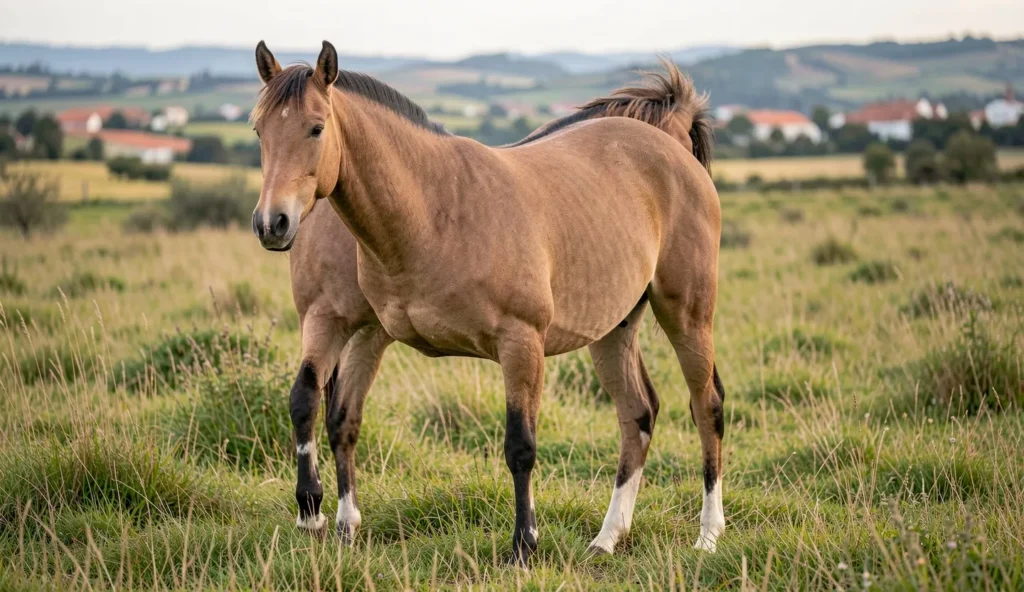
Common Akhal-Teke coat color options include chestnut, buckskin-like tones, and smoky shades. The metallic effect relates to how hair and pigment interact with light. In practice, sheen often looks strongest in bright sun or late-day light.
Seasonal coat changes can also affect appearance. Winter coats may look different from summer coats due to hair length and oil distribution. Grooming frequency and how thoroughly dirt and loose hair get removed can influence how reflective the coat looks.
Common Physical Features To Look For
A small, refined head often appears with an attentive expression and responsive ears. Ears may set forward and move quickly when the environment changes. Many horses also show a streamlined body line that emphasizes balance and athletic proportions.
Paying attention to tail set and overall topline helps during evaluation. While coat color attracts attention first, conformation supports endurance function. When evaluating potential purchases, physical balance can be more predictive than appearance alone.
Some owners also compare body styles when researching other athletic breeds. For instance, reviewing information on the Warmblood horse can provide contrast with more modern sport-horse body types. That comparison can make the Akhal-Teke’s lean efficiency easier to spot.
Grooming Considerations For Shine And Skin Health
Grooming supports the metallic look, but skin health comes first. Gentle brushing removes dust while minimizing hair breakage. After work, checking for rub spots under tack and along blanket edges helps prevent irritation from building.
Dryness can appear if grooming tools feel too harsh or if weather stays consistently dry. If skin needs extra moisture, use only products recommended for equine use and introduce them carefully. Over-oiling or heavy products can sometimes cause residue that dulls the coat look.
- Brush lightly to remove dust and loose hair.
- Check tack lines for rubs after riding.
- Clean legs and dry thoroughly after wet work.
- Use moisturizers only when dryness is present.
Akhal-Teke Temperament And How The Breed Responds To People
The Akhal-Teke temperament often gets described as intelligent and sensitive. Many horses notice subtle cues and respond best to steady handling. At the same time, inconsistent routines can lead to cautious behavior in unfamiliar settings.
Personality Traits Most Owners Notice
Many owners report that Akhal-Teke horses show strong awareness of their surroundings. They can appear calm when work stays predictable. Because sensitivity is part of the temperament, the horse often reacts quickly to changes in tone and pressure.
When a handler uses consistent patterns, bond and trust tend to grow. If the handler shifts aids often or changes routines too frequently, the horse may become wary. For safe handling, training plans should focus on calm repetition rather than sudden surprises.
Confidence Level Around New Environments
In new environments, an Akhal-Teke may assess before settling. That assessment does not always mean fear, but the horse can still take time to relax. Gradual exposure usually works better than forcing immediate comfort.
Stable routines reduce stress responses. When feeding times, grooming steps, and tack procedures stay consistent, the horse can predict what comes next. Over time, that predictability supports calmer body language and smoother learning.
Handling And Rider Fit For Temperament
These horses typically match riders and handlers who practice quiet consistency. Sensitive horses do best with predictable cues and clear boundaries. Patience matters during early stages of training because trust takes time.
For owners planning performance goals, the training style should match the horse’s needs. Harsh corrections can damage confidence and slow progress. Many endurance riders find that steady, structured practice fits the breed well.
When evaluating rider fit, comparing different horse temperaments can help. Reading about the American Quarter Horse can show how temperament and discipline focus differ across breeds. That contrast can guide expectations for handling style and training pacing.
Akhal-Teke Exercise Requirements For Endurance And Fitness
Exercise drives performance in the Akhal-Teke horse, especially for long-distance goals. The breed often supports efficient movement, but conditioning must still build gradually. Owners should plan work that protects tendons, joints, and hooves while improving cardiovascular fitness.
Exercise Priorities And How Much Work Is Enough
Regular movement supports musculature and overall fitness. For endurance goals, long slow sessions usually work better than repeated high-intensity work. During busy periods, shorter sessions can maintain conditioning if rest stays consistent.
Because the breed often appears lean, fitness progress can show quickly in visible posture. Even so, overuse can develop if workloads increase too quickly. A structured schedule helps keep training stable and measurable.
Conditioning For Endurance Riders
Akhal-Teke endurance conditioning often benefits from a gradual build that matches joint tolerance. Mix walking, trotting, and controlled canter work based on the horse’s current level. Recovery time also provides key feedback after each session.
Monitoring heart rate trends can help decide when to stop a workout. If breathing takes longer to normalize, the next training day may need to shift to easier work. Consistent progress usually depends on steady effort rather than frequent maximum sessions.
Warm Up And Cool Down Steps
Warm up supports tendon and joint readiness before demanding movement. A short routine that steadily increases effort can reduce strain risks. After work, cool down should include walking until breathing normalizes.
Light post work care helps too. Hydration and quick grooming to remove sweat and dirt can keep the skin comfortable. Even simple routines can support recovery and reduce tack-related rub risk.
Rest, Paddock Time, And Recovery Needs
Rest days reduce overuse injuries and lower stress on the body. Turnout gives the horse room to move naturally and supports mental balance. When soreness appears, addressing it promptly with appropriate veterinary advice prevents small issues from growing.
Owners often gain better results when they treat recovery as part of training. Healthy recovery supports steady conditioning rather than repeated pauses. In the long term, this approach better protects the horse for endurance seasons.
Training An Akhal-Teke Horse Without Triggering Stress
Training an Akhal-Teke horse requires consistency and calm cues. Because the breed can be sensitive, stressful handling can create long-lasting resistance. Thoughtful training principles help build trust while still teaching useful skills for riding and ground work.
Best Training Principles For A Sensitive And Intelligent Breed
Use clear, consistent aids to reduce confusion. Reward calm effort and try to keep sessions short and focused. Harsh methods often harm trust and can increase tension in the next session.
When training stays structured, the horse learns that calm behavior leads to predictable outcomes. That predictability supports confidence during grooming, tack, and riding. Over time, training becomes easier for both handler and rider.
Common Areas To Train Early
Early training should include leading, standing for grooming, and accepting tack calmly. Desensitization can also help the horse stay comfortable with grooming tools and different footing. Ground manners support safe mounting and dismounting in busy environments.
Keeping early sessions low-pressure helps reduce stress. If the horse shows signs of concern, the training plan should slow down and return to familiar steps. Safe repetition helps the horse understand that new tasks remain manageable.
Ridden Work Approaches That Support Responsiveness
Ridden work can start with basic transitions and rhythm control. Use steady leg and seat aids and avoid abrupt changes that can confuse a sensitive horse. Progress to longer sessions only after stable contact and consistent response appear.
Training goals should match the horse’s conditioning level. A horse that feels physically fit often learns faster because the body can stay relaxed. When goals remain realistic, responsiveness improves without overloading the horse.
For riders comparing endurance-style responsiveness to other sport disciplines, reviewing the American Paint Horse may help show how breed backgrounds influence training patterns. That comparison can support better planning when selecting training methods.
Akhal-Teke Care Tips For Daily Grooming, Feeding, And Housing
Daily care supports coat quality, comfort, and safe performance. Akhal-Teke care usually centers on steady grooming, consistent feeding, and careful monitoring of skin and hooves. With a simple routine, owners can catch problems early and keep the horse ready for work.
Grooming Routine To Maintain Coat Quality And Comfort
A gentle grooming routine helps remove dust without damaging hair texture. After riding or turnout, clean legs and hooves to reduce irritation risk and improve comfort. If the skin seems dry, light moisturizers can help, but only when needed.
Tack-related rubs often appear under common friction zones. A quick scan after work can catch redness early. That small habit also supports the metallic shine by keeping coat and skin in good condition.
- Brush gently to remove dust and reduce hair tangling.
- Clean legs and dry thoroughly after wet sessions.
- Check for rubs where tack and blankets contact skin.
- Keep mane and tail care simple and untangled.
Diet And Nutrition Basics For Performance And Recovery
Feeding should begin with high quality forage and consistent daily amounts. Concentrates should change based on workload and body condition, not on guesses. For Akhal-Teke care, maintaining stable body weight often supports endurance readiness.
Salt and minerals should match local needs and the horse’s diet balance. Fresh water must stay available, especially during hot weather or after conditioning sessions. Feeding schedules that stay consistent can also reduce stress in sensitive horses.
Housing And Stable Management For A Lean, Athletic Horse
Clean bedding and good ventilation keep the horse comfortable and reduce skin irritation risks. Turnout supports natural movement and helps the horse stay mentally balanced. Shelter should protect from wind, rain, and extreme heat, particularly for horses that get stressed by sudden changes.
Because the breed often appears lean and athletic, owners should watch body condition closely during weather shifts. If the environment changes dramatically, feed plans may need careful adjustment. A steady routine in the stall and paddock can support calm behavior too.
Health Checks New Owners Can Perform
Daily checks help prevent minor issues from turning into serious problems. Owners can review appetite, hydration, and manure consistency each day. If behavior changes suddenly, that sign often deserves a closer look.
Owners should also inspect tack areas for hair loss and skin redness. Heat or swelling in legs, or uneven weight bearing, can signal early lameness. Early detection supports faster treatment and safer training decisions.
Common Health Issues In Akhal-Teke Horses And Preventive Care
Health care should match the Akhal-Teke horse workload and body demands. The breed’s endurance focus means that tendons, hooves, and legs deserve careful attention. Preventive steps reduce the chances of overuse problems and skin complications.
Hoof, Leg, And Overuse Concerns In Active Horses
Conditioning increases can strain tendons if training volume rises too quickly. Monitoring for signs of tendon strain during a build up phase helps keep the horse safe. Hoof balance should also be reviewed through ongoing farrier work.
Soreness after increased training often provides early feedback. When soreness appears, adjusting the schedule and seeking veterinary advice can prevent longer recovery. Owners should treat leg comfort as a training metric, not just a daily nuisance.
- Monitor tendon comfort during conditioning increases.
- Track hoof balance and shoeing needs.
- Watch for soreness after longer sessions.
- Adjust work volume if recovery slows down.
Skin And Coat Related Problems
Some Akhal-Teke horses can show rubs from tack or blanket friction. Dryness may increase with weather changes or certain grooming tools. Because the metallic sheen depends on healthy hair and skin, skin problems often affect appearance too.
Insect irritation can also trigger itching and rubbing. Owners should use region-appropriate preventative plans guided by veterinary advice. A quick inspection after turnout helps identify early skin trouble.
Parasite Control And Vaccination Planning
Parasite programs work best when they match local risk. Many owners use fecal testing when available and follow a veterinarian guided plan. Irregular dosing can create resistance and reduce long term effectiveness.
Vaccination schedules should follow regional recommendations set with a veterinarian. Keeping records helps track what the horse received and when boosters are due. Consistent planning reduces preventable disease risks.
When To Contact A Veterinarian Quickly
Some signs should trigger prompt professional help. Sudden appetite or attitude changes often deserve attention. Lameness, abnormal heat, or swelling in legs also calls for timely veterinary assessment.
Breathing effort during or after light work can signal an issue that needs evaluation. The goal is to avoid waiting until symptoms become severe. Faster action usually leads to better outcomes and safer training plans.
Is An Akhal-Teke Horse Right For You?
The right match depends on training style, time, and the ability to follow consistent care. The Akhal-Teke temperament often rewards patient handling and predictable routines. Before choosing this breed, potential owners should check whether daily care needs fit real schedules.
Best Fit For Endurance And Dedicated Training Plans
Akhal-Teke horses can fit owners who plan conditioning gradually. The breed tends to work well when training stays calm and consistent. Endurance goals often align with the horse’s natural strength for long work.
Owners who track routines, recovery, and body condition usually see better long term results. Stable plans also support learning for sensitive horses. If training stays structured, performance progress can become steady.
Those comparing breeds for distance riding may find it useful to review Fastest Horse Breeds in the World for contrast. Speed focused breeds are not always the best choice for endurance pacing. That distinction can help set realistic expectations.
Potential Challenges For First Time Owners
First time owners may find the sensitivity level challenging. Extra patience may be needed for handling, grooming, and early training sessions. If cues remain inconsistent, the horse may respond with hesitation or tension.
Grooming and skin monitoring can also require attention. A routine must stay gentle and regular to protect comfort and appearance. With proper support, these challenges often become manageable.
Checklist For Research And Buying Readiness
Before bringing an Akhal-Teke horse home, confirm health history and current hoof status. A plan for diet should match local forage availability and expected workload. Budgeting for farrier visits, veterinary care, and training support also helps prevent rushed decisions.
It also helps to review the horse’s current behavior with daily routines. Seeing how the horse responds to tack, grooming tools, and trailer loading provides practical insight. That evaluation supports better fit for both horse and owner.
Final Note For Akhal-Teke Owners And Potential Adopters
The Akhal-Teke horse rewards consistent care and patient training. With attention to coat, conditioning, and stress awareness, owners can support a strong daily routine and long-term performance potential.
Frequently Asked Questions
How Long Do Akhal-Teke Horses Typically Live?
Many Akhal-Teke horses live a lifespan similar to other sport horse types. Proper diet, hoof care, and routine veterinary follow-up support longevity.
What Is The Best Diet For An Akhal-Teke Horse?
The best diet starts with high quality forage fed consistently each day. Concentrates should change only when workload or body condition requires adjustment.
Do Akhal-Teke Horses Need Special Grooming To Keep Their Metallic Sheen?
Gentle grooming and regular skin checks help maintain coat quality and shine. Harsh brushing can irritate skin and dull the coat look over time.
Are Akhal-Teke Horses Good For Endurance Riding?
Akhal-Teke horses are known for stamina and efficient movement over distance. Conditioning should still build gradually to protect tendons and joints.
How Does The Akhal-Teke Temperament Affect Training?
Akhal-Teke temperament often includes sensitivity and quick awareness. Training works best with consistent handling, calm cues, and short structured sessions.
What Health Issues Should Owners Watch For Most?
Owners should monitor hooves and legs for overuse or early lameness signs. Skin checks matter too, especially for rubs, dryness, and irritation.
Final Note For Akhal-Teke Owners And Potential Adopters
The Akhal-Teke horse rewards consistent care and patient training. With attention to coat, conditioning, and stress awareness, owners can support a strong daily routine and long-term performance potential.