What Is a Lineolated Parakeet
Origin and Natural Habitat
The Lineolated Parakeet, also known as the Bolborhynchus lineola or barred parakeet, is a small parrot native to the cloud forests of Central and South America. This species thrives at elevations between 1,000 and 3,000 meters, where cool temperatures and dense vegetation provide shelter. Its quiet nature makes it an excellent choice for apartment dwellers and noise-sensitive environments.
In the wild, these parakeets travel in small flocks and feed on seeds, berries, and blossoms. Their calm demeanor and manageable size have made them increasingly popular in aviculture. Beginners often find the linnie care routine straightforward compared to larger, more demanding parrots.
Appearance and Physical Features
Size and Weight
A mature Lineolated Parakeet measures about 16 cm from head to tail and weighs between 40 and 50 grams. This compact body makes it one of the smallest parrot species suitable for home keeping. Its stocky build and short tail distinguish it from other small parrots like the Budgie Parakeet, which has a slimmer profile.
Color Variations and Markings
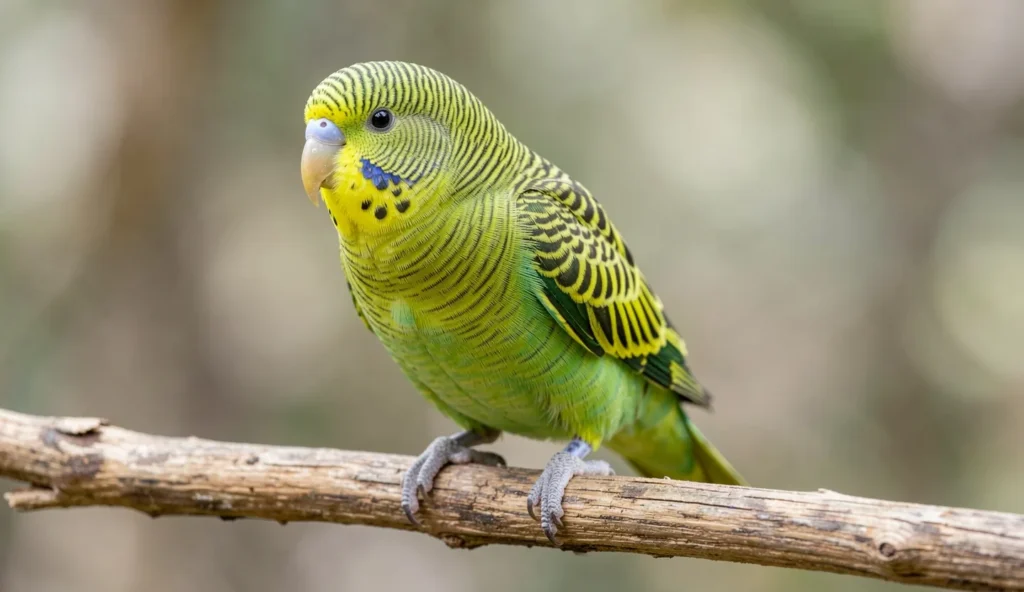
Wild-type Lineolated Parakeets display a rich green plumage with dark barring across the back, wings, and nape. This barring gives the species its alternative name, the barred parakeet. Captive mutations have produced striking colors including blue, yellow, cinnamon, and white.
- Wild type: green with black barring
- Blue mutation: soft sky blue with white barring
- Yellow mutation: bright canary yellow with faint barring
- White mutation: cream or pure white with subtle barring
Sexual Dimorphism
Males and females look nearly identical, making visual sexing unreliable. The only dependable method is DNA sexing through a blood or feather sample. Breeders rely on this test to pair birds accurately.
Temperament and Personality
Why Are Lineolated Parakeets So Quiet
Unlike many parrots that produce loud screeches, the Lineolated Parakeet communicates with soft chirps, whistles, and mutters. This quiet parrot rarely emits piercing calls, making it ideal for apartments and shared walls. Owners describe their vocalizations as a gentle, pleasant background murmur.
Their calm vocal behavior results from their natural ecology. In dense cloud forests, loud calls would attract predators. Over generations, the species evolved a repertoire of quiet contact calls. This trait is a major reason why apartment dwellers choose the Lineolated Parakeet over noisier species such as the Quaker Parrot.
Social Behavior and Bonding
Lineolated Parakeets form strong bonds with their owners and enjoy moderate handling. They are not overly cuddly but appreciate sitting on a shoulder or exploring hands. A well-socialized bird will eagerly interact with its human family.
Because they are social by nature, a single bird needs daily attention. Providing a same-species companion can prevent loneliness, though two birds may bond more with each other than with the owner. For beginners, a single Linnie with dedicated interaction time works well.
Activity Level and Playfulness
These parakeets are active without being hyperactive. They love climbing, swinging, and exploring toys. Foraging activities that mimic wild food searching keep them mentally stimulated. In many ways, their play style resembles that of the Green Cheek Conure, though with less intensity.
Housing Requirements for a Linnie
Cage Size and Bar Spacing
A minimum cage size of 18 x 18 x 24 inches is recommended for a single Lineolated Parakeet. Larger cages allow more room for flight and exercise. Bar spacing should not exceed 1/2 inch to prevent escape or injury.
Horizontal bars are preferred because they enable climbing. Avoid round cages, as they can cause disorientation. A rectangular or square cage with a play top offers the best environment.
Perches and Accessories
Provide natural wood perches of varying diameters to promote foot health. Manzanita, grapevine, and java wood work well. Include at least two stainless steel food bowls and a water bottle or dish.
- Use perches of different textures and widths
- Place perches away from food and water to avoid contamination
- Add a mineral block or cuttlebone for calcium
Toys and Enrichment
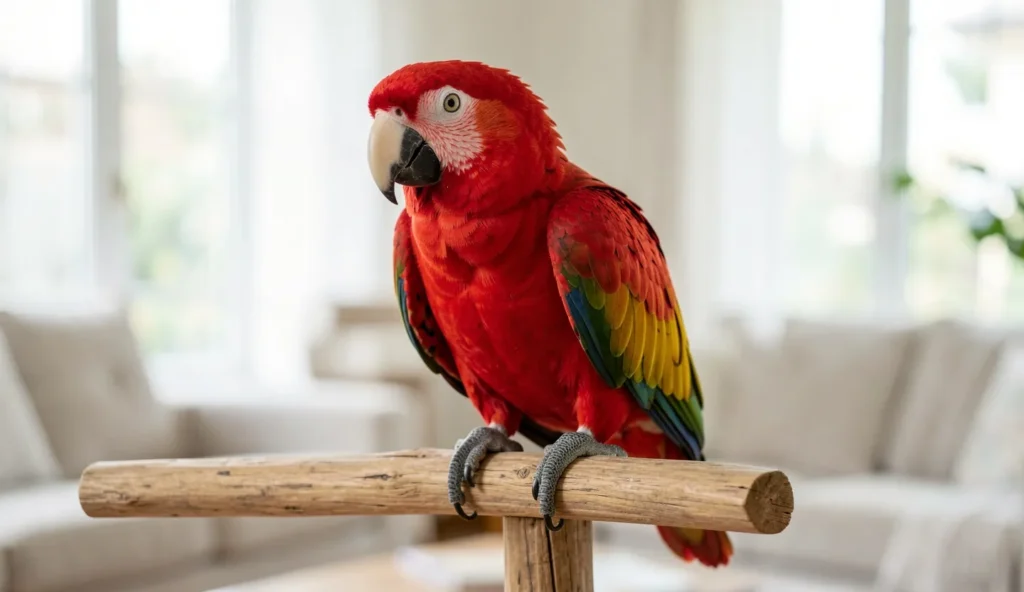
Offer foraging toys, shredders, bells, and foot toys. Rotate toys weekly to prevent boredom. Lineolated Parakeets enjoy puzzle toys that hide treats, similar to enrichment used for the Red Bellied Parrot.
Avoid toys with small parts that could be swallowed. Supervise new toys initially to ensure safety. Climbing ropes and ladders also add variety.
Cage Placement and Environment
Place the cage in a quiet but social area of the home, such as a living room or home office. Avoid direct sunlight, drafts, and kitchens where fumes can be harmful. The room temperature should remain stable between 65 and 80 degrees Fahrenheit.
Cover the cage at night to provide 10 to 12 hours of uninterrupted sleep. A consistent light cycle helps maintain a healthy circadian rhythm.
Diet and Nutrition
Staple Foods
A high-quality pellet mix should form the base of the diet. Supplement with fresh vegetables such as dark leafy greens, carrots, and bell peppers. Fruits like apple, mango, and berries can be offered in small amounts.
Include sprouted seeds and occasional cooked legumes for variety. For birds on a nectar-rich diet, owners of the Rainbow Lorikeet use specialized formulas, but the Linnie does not require nectar.
Foods to Avoid
Never feed avocado, chocolate, caffeine, alcohol, or salty foods. These substances are toxic to parrots. Limit high-fat seeds like sunflower and safflower to prevent obesity.
- Avoid fruit seeds and pits that contain cyanide
- No dairy products in large amounts
- Never offer moldy or spoiled food
Feeding Schedule and Portions
Offer fresh food twice daily, once in the morning and once in the evening. Remove uneaten fresh food after a few hours to prevent spoilage. Provide a constant supply of clean water.
A tablespoon of pellets per bird per day is a general guideline. Adjust portions based on activity level and body condition.
Common Health Issues
Respiratory Infections
Drafts, poor ventilation, or sudden temperature changes can cause respiratory infections. Symptoms include sneezing, nasal discharge, and tail bobbing. Prompt veterinary care is essential.
Prevent infections by keeping the cage away from air conditioners, open windows, and humid areas. Regular cleaning of the cage and accessories reduces airborne pathogens.
Feather Plucking and Overgrooming
Stress, boredom, or loneliness often lead to feather plucking. Providing enrichment and social interaction can prevent this behavior. If plucking persists, consult an avian veterinarian to rule out medical causes.
Overgrooming may also indicate skin irritation from mites or poor diet. A balanced diet with adequate vitamin A supports healthy feathers.
Obesity and Fatty Liver Disease
A high-fat diet heavy in seeds can lead to obesity and hepatic lipidosis. Encourage exercise by providing climbing structures and flight opportunities. Limit seed treats to no more than 10 percent of the diet.
Routine weigh-ins help detect weight changes early. A healthy adult Lineolated Parakeet maintains a body condition where the keel bone is palpable but not prominent.
Is a Lineolated Parakeet Right for You
Evaluating Your Lifestyle
This quiet parrot suits individuals who want a companion without constant noise. Apartment dwellers, families with children, and first-time bird owners often find the Lineolated Parakeet a perfect fit. Its moderate handling needs mean it thrives with daily interaction but does not demand constant attention.
Potential owners should consider the 10 to 15 year lifespan. Commitment to daily care, enrichment, and veterinary visits is necessary. Those who travel frequently may need to arrange bird-sitting. The linnie care routine is manageable, but neglect can lead to health and behavioral issues.
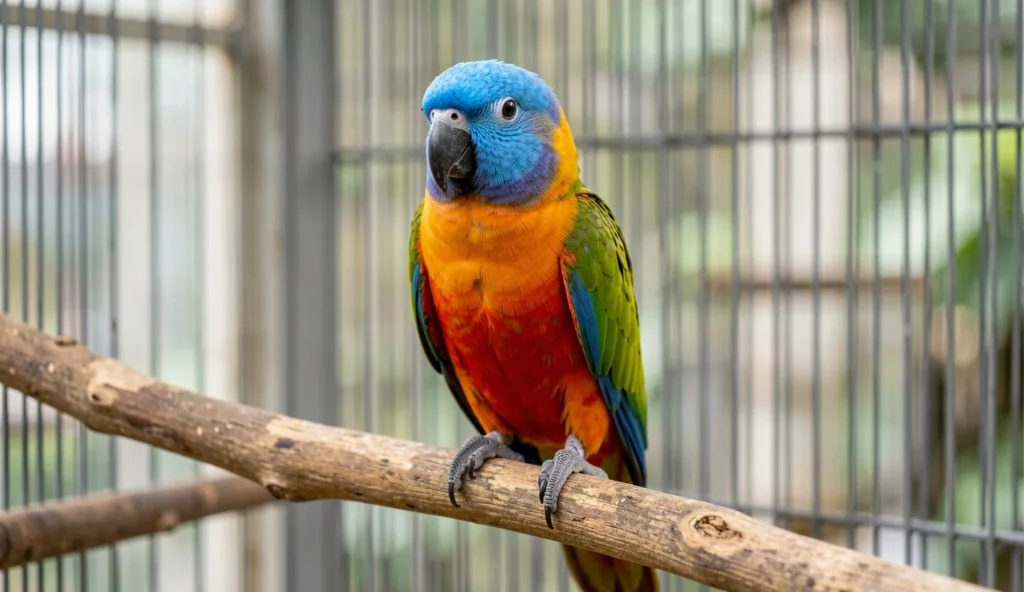
If you already own a quiet species like the Blue Headed Pionus, the Linnie will likely harmonize in a multi-bird household. However, always quarantine new birds before introduction.
Frequently Asked Questions
Are Lineolated Parakeets good for beginners?
Yes, their calm temperament and simple care requirements make them ideal for first-time bird owners.
How long do Lineolated Parakeets live?
With proper care, they can live 10 to 15 years.
Do Lineolated Parakeets talk?
Some may learn a few words, but they are not known for extensive talking ability like the Indian Ringneck Parakeet.
Can a Lineolated Parakeet live alone?
They can live alone with plenty of human interaction, but a same-species companion is beneficial for social fulfillment.
How much does a Lineolated Parakeet cost?
Prices range from 150 to 400 dollars depending on color mutation and breeder reputation.
What size cage do you need for a Lineolated Parakeet?
A minimum cage size of 18 x 18 x 24 inches is recommended, with larger cages preferred for optimal activity.
Final Note
The Lineolated Parakeet combines a peaceful personality with straightforward care, making it a rewarding companion for those seeking a quiet parrot. With the right housing, diet, and attention, this small parrot will thrive in your home for many years.