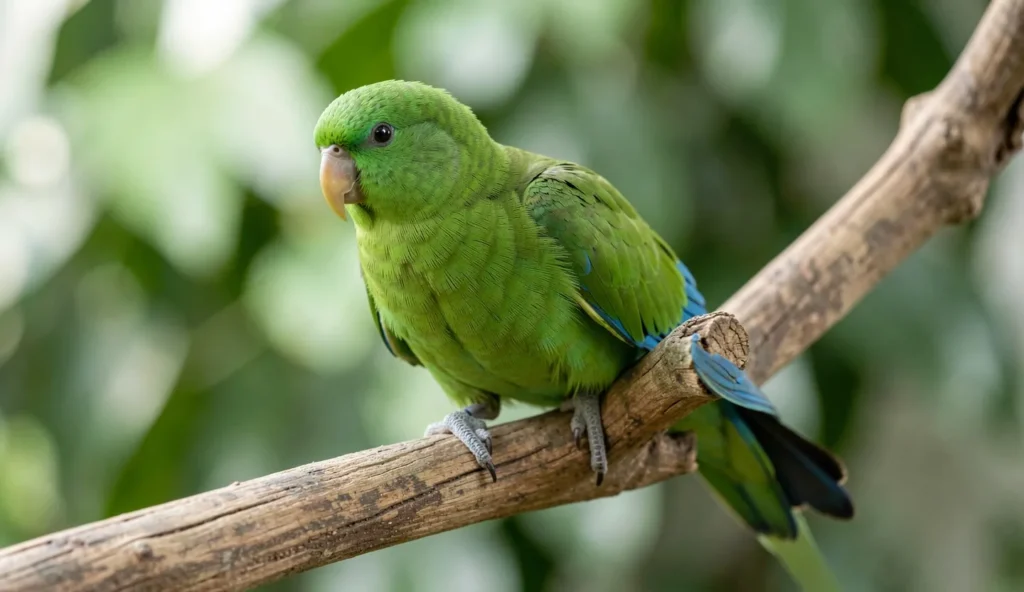
What Is a Mexican Parrotlet
Species Background and Origin
The Mexican Parrotlet, scientifically known as Forpus cyanopygius, is a small parrot native to the western regions of Mexico. It belongs to the family Psittacidae and is one of the less common parrotlet species in captivity. This bird is slightly larger than the Pacific parrotlet, reaching about 5.5 to 6 inches in length, and weighs between 30 and 35 grams.
Mexican parrotlets inhabit tropical deciduous forests and scrublands along the Pacific coast of Mexico. Their natural range extends from Sinaloa to Oaxaca. In the wild, they forage in small flocks for seeds, fruits, and vegetation. This species is also referred to as the blue-rumped parrotlet due to the male’s distinct blue markings.
For potential owners, understanding the Mexican Parrotlet’s origin helps replicate an appropriate environment in captivity. This species is not as commonly bred as other small parrots, such as the Green Cheek Conure, so finding one may require contacting specialty breeders.
Appearance and Physical Features
Size and Weight
Mexican parrotlets measure 5.5 to 6 inches from head to tail, making them one of the larger parrotlets. Their weight ranges from 30 to 35 grams, slightly heavier than the Pacific parrotlet. Despite their small size, they have a sturdy build and a short, squared tail.
Color Variations and Sex Differences
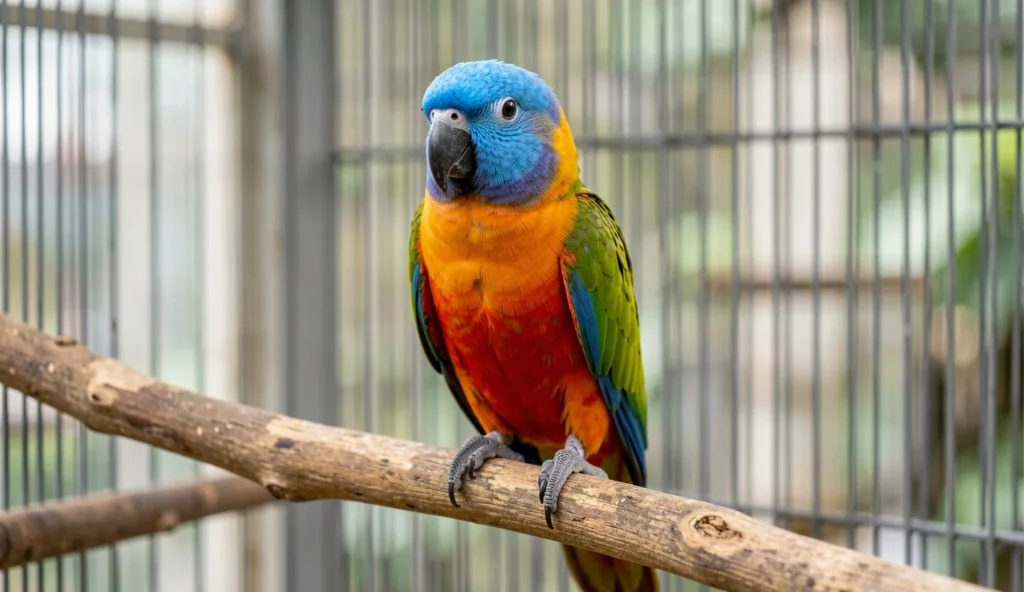
Sexual dimorphism is pronounced in this species. Males display a bright blue rump, lower back, and primary wing feathers, while the rest of the body is green with a yellowish hue on the head. Females lack blue entirely and are mostly green with a paler underside. Color mutations are rare in captivity, so most birds retain the wild-type plumage.
Compared to other rare parrots breeds, the Mexican parrotlet has a more subdued appearance but still offers striking blue accents in males. Juveniles resemble adult females until their first molt.
Temperament and Personality
Social Behavior
Mexican parrotlets are active, curious, and can be territorial, especially during breeding season. They bond strongly with their owner but may become nippy if not handled regularly. These birds are known for their feisty attitude despite their small size.
In the wild, they live in small flocks, so they appreciate same-species companionship. A single bird requires daily interaction to prevent behavioral issues. This species is better suited for intermediate owners who have experience with small parrots, such as the Senegal Parrot, which shares a similar confident personality.
Noise Level
Mexican parrotlets produce a moderate level of noise, consisting of soft chattering and occasional chirps. They are quieter than most larger parrots but may screech when alarmed or excited. Their vocalizations are generally not disruptive for apartment living, but consistent training helps manage excessive sound.
Housing Essentials for a Mexican Parrotlet
Cage Size and Setup
A minimum cage size of 18 x 18 x 18 inches is recommended, with bar spacing no wider than 0.5 inch to prevent escape or injury. Horizontal bars allow the bird to climb easily. The cage should be placed in a draft-free area away from direct sunlight and household fumes.
Provide multiple perches at different heights using natural wood branches to promote foot health. Avoid sandpaper perches, which can irritate the feet. Include a variety of toys such as bells, chewable wood blocks, and foraging puzzles to keep the bird mentally stimulated.
Perches and Toys
Use perches of varying diameters (0.5 to 1 inch) to exercise the feet. Natural materials like manzanita or java wood are ideal. Rotate toys regularly to prevent boredom. Mexican parrotlets enjoy shredding paper and solving simple puzzle toys. This species, like the Meyer Parrot, benefits from enrichment that mimics foraging behaviors.
Diet and Nutrition
Pellet Base
A high-quality small parrot pellet should form 70 to 80 percent of the diet. Choose pellets without artificial colors or preservatives. Brands formulated for budgies or conures are suitable due to the bird’s size. Pellets provide balanced nutrition and prevent selective eating.
Fresh Foods
Fresh vegetables like dark leafy greens, carrots, bell peppers, and broccoli are essential. Offer small amounts of fruit such as apple, berries, or melon once or twice a week. Seeds can be given as treats but should not exceed 10 percent of the diet. Toxic foods like avocado, chocolate, caffeine, and onion must never be offered. Clean, fresh water should be available at all times.
Additional calcium sources like cuttlebone or mineral blocks support bone health, especially for breeding females. A varied diet helps prevent nutritional deficiencies common in small parrots.
Common Health Issues in Mexican Parrotlets
Respiratory Infections
Mexican parrotlets are susceptible to respiratory infections if exposed to drafts, smoke, or poor air quality. Signs include sneezing, nasal discharge, tail bobbing, and lethargy. Prompt veterinary care is necessary, and prevention involves maintaining a clean, temperature-stable environment.
Feather Plucking
Feather plucking often stems from boredom, stress, or lack of social interaction. Providing enrichment, regular out-of-cage time, and a consistent routine reduces this behavior. If plucking persists, consult an avian veterinarian to rule out underlying medical issues.
Other health concerns include obesity, egg binding in females, and psittacosis. Annual checkups with an avian vet help detect problems early. Like many Peach Faced Lovebird owners, Mexican parrotlet keepers should monitor weight and droppings regularly.
Is a Mexican Parrotlet Right for You
Key Considerations for Potential Owners
This species is best suited for intermediate owners who already have experience with small parrots. Mexican parrotlets require consistent handling, daily interaction, and a stimulating environment. Their territorial nature can lead to biting if not respected, so patience is necessary.
They need a minimum of two to three hours of out-of-cage time each day in a safe, supervised area. The lifespan of 15 to 20 years means a long-term commitment. If you have the space, time, and willingness to learn their behaviors, the Mexican Parrotlet can be a rewarding companion. For those considering other options, the Red Bellied Parrot offers a similar size and personality but with different care nuances.
Frequently Asked Questions
How long do Mexican parrotlets live?
Mexican parrotlets can live 15 to 20 years in captivity with proper diet, housing, and regular veterinary care.
Are Mexican parrotlets good pets for beginners?
They are better suited for intermediate owners due to their territorial tendencies and need for consistent handling.
Do Mexican parrotlets talk?
They have limited speech ability and may mimic a few words or sounds if trained consistently from a young age.
How can you tell the difference between male and female Mexican parrotlets?
Males have blue on the rump and wings, while females are mostly green with no blue markings.
What is the cage size requirement for a Mexican parrotlet?
A minimum cage size of 18 x 18 x 18 inches is required, with bar spacing no larger than 0.5 inch.
Do Mexican parrotlets need a companion?
They are social and often do better in pairs, but a single bird can thrive with daily human interaction and enrichment.
Final Note
Providing a proper environment, balanced diet, and regular attention helps the Mexican Parrotlet thrive. This species offers a compact yet spirited personality for owners who appreciate its unique traits.