Anna’s Hummingbird – The Sparkling Jewel of the West Coast
Introduction
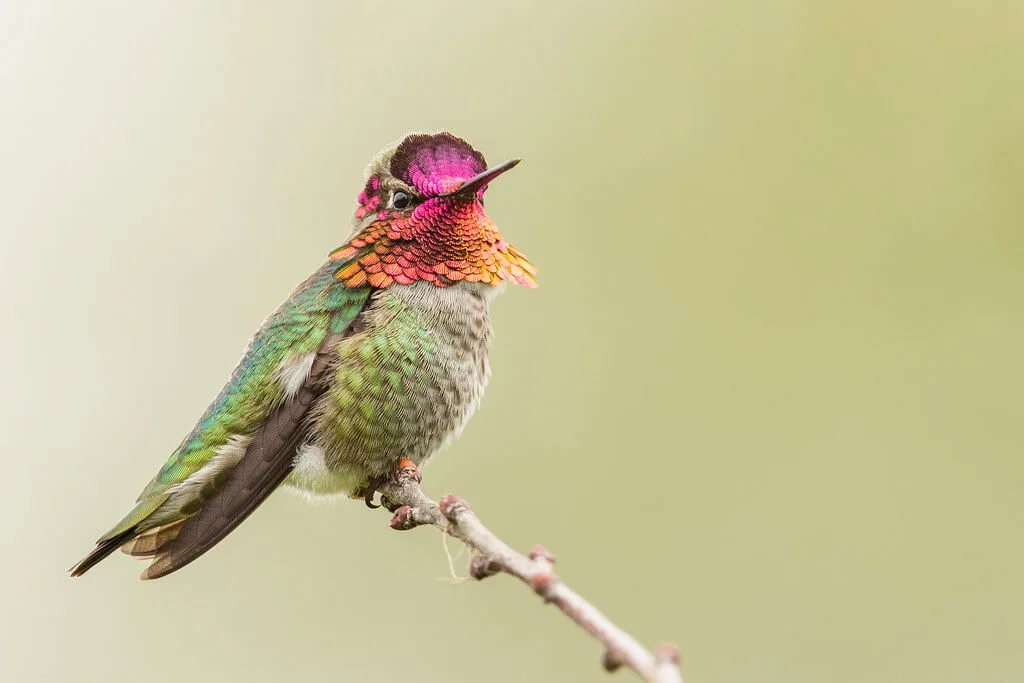
With a heart that beats up to 1,260 times per minute and wings that beat 50 to 80 times per second, the Anna’s Hummingbird is one of the most energetic birds native to the western coast of North America. Known for its shimmering magenta-pink crown and throat, this tiny marvel thrives in both wild and urban environments. With a fearless spirit and a song-filled presence, Anna’s Hummingbird brings life to gardens, parks, and forests all year long.
Natural Habitat and Range
Unlike many hummingbird species that migrate long distances, Anna’s Hummingbird is a resident bird that stays in its range throughout the year. This sets it apart from migratory species like the Ruby-throated Hummingbird, which travels thousands of miles each season.
- Found along the Pacific Coast from southern Canada to Baja California
- Common in backyards, gardens, and city parks
- Prefers areas with flowering shrubs, open woods, and plenty of nectar sources
This adaptability allows them to live comfortably alongside people, even in bustling cities.
Physical Appearance
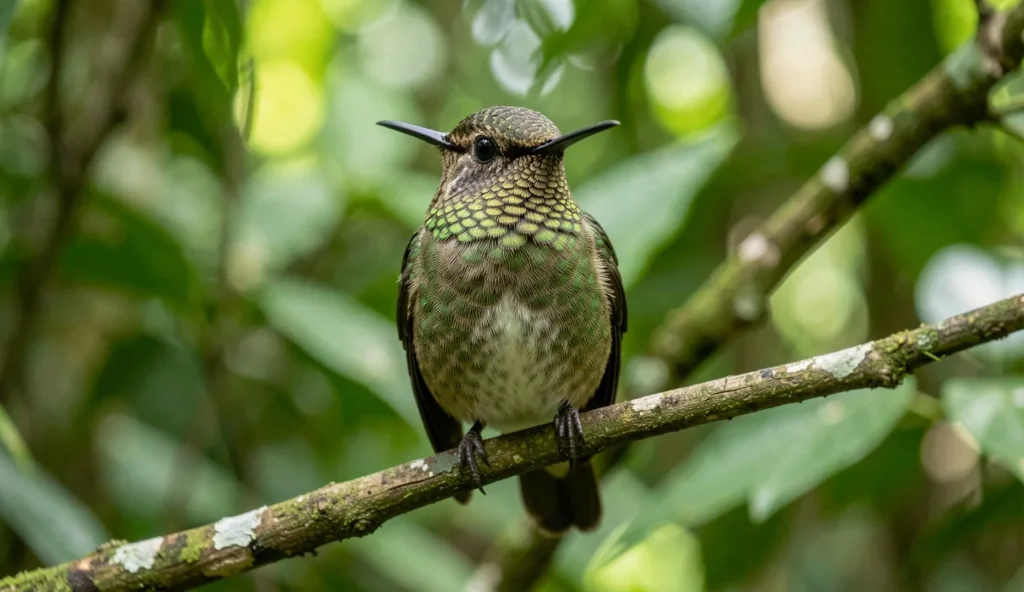
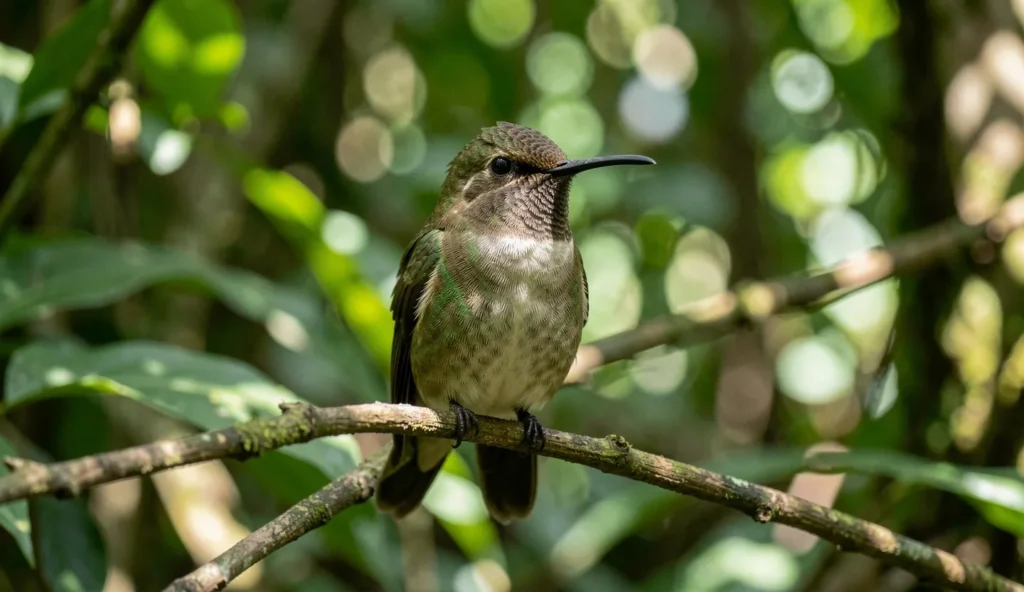
Anna’s Hummingbird stands out with bold, iridescent colors and a compact form:
- Size: 3.9 to 4.3 inches long
- Weight: Around 4 to 4.5 grams
- Male: Vibrant rose-pink crown and throat (gorget), grayish-green body
- Female: Green back, lighter underparts, often with a small pink throat patch
Their brilliant plumage reflects sunlight in breathtaking ways, often appearing to glow in midair.
Behavior and Communication
Anna’s Hummingbird is one of the few North American hummingbirds with a distinctive song:
- Males produce a scratchy, high-pitched song during courtship
- Courtship displays include dramatic U-shaped dives and aerial dances
- Vocal and expressive, often chirping or buzzing around feeders
Their lively sounds are often heard before they’re even seen.
Diet and Feeding Habits
These hummingbirds have a fast metabolism and spend much of their time feeding:
- Feed on nectar from flowers like fuchsia, sage, and eucalyptus
- Eat insects, spiders, and small arthropods for protein
- Readily visit feeders filled with a 4:1 water-to-sugar solution (no red dye needed)
Anna’s Hummingbirds also play a key role in pollinating native plants as they move from bloom to bloom. In desert regions, they share similar feeding habits with the Costa’s Hummingbird, another species that relies heavily on nectar-rich tubular flowers.
Nesting and Reproduction
Anna’s Hummingbirds can nest as early as December, which is rare for hummingbirds:
- Females build the nest alone using plant down, spider silk, and feathers
- Typically lay 2 tiny eggs about the size of peas
- Mothers raise the young solo, feeding them insects and nectar
Nests are often found in shrubs or tree branches, camouflaged to avoid predators.
Seasonal Activity
While most hummingbirds migrate, Anna’s stay active year-round. Their presence offers joy and beauty, even in winter.
- Adapt well to colder climates with shelter and feeder support
- Begin courtship and nesting earlier than most hummingbirds
This resilience has helped their population expand northward in recent decades, similar to the range expansion seen in the Black-chinned Hummingbird across the western United States.
Conservation and Protection
Anna’s Hummingbird is currently not threatened, but urbanization and environmental shifts can still impact them.
- Support native plant gardening and pollinator habitats
- Avoid pesticides and chemicals in yards and gardens
- Participate in citizen science bird counts to help track populations
Their ability to thrive in urban areas is a testament to nature’s adaptability, but it still needs our protection.
Interaction with People
Anna’s Hummingbirds are among the most people-friendly species. They often return to the same feeders and gardens:
- Clean feeders regularly to prevent mold and disease
- Planting native flowering plants helps support natural food sources
- Excellent subjects for bird photography and backyard birdwatching
Their confident nature and vibrant beauty make them favorites among bird enthusiasts of all ages.
Fun Facts About Anna’s Hummingbirds
- They sing—a rare trait among hummingbirds!
- Can fly up to 60 mph during mating dives
- Named after Anna Massena, a 19th-century Italian duchess
- Males display their throat and crown in the sunlight to impress mates
Frequently Asked Questions
Q1: Do Anna’s Hummingbirds migrate?
A: Not typically. They are mostly non-migratory and stay in their habitat year-round.
Q2: What flowers attract Anna’s Hummingbirds?
A: They love tubular flowers such as salvia, bee balm, fuchsia, and manzanita.
Q3: Can Anna’s Hummingbirds survive the winter?
A: Yes! Their unique adaptation allows them to survive colder months, especially with access to feeders and shelter.
Q4: Are they aggressive?
A: Males can be territorial around food sources and may chase other birds from feeders.
Q5: How long do Anna’s Hummingbirds live?
A: In the wild, they typically live 5 to 8 years, although some individuals may live longer.
Conclusion
The Anna’s Hummingbird is a resilient and radiant member of the bird world. Its year-round presence, vibrant colors, and curious personality make it a beloved sight across western North America. By planting pollinator-friendly gardens and appreciating these incredible birds with care, we can ensure they continue to inspire future generations with their shimmering brilliance and cheerful energy. For those interested in learning about other hummingbird species, the Allen’s Hummingbird offers a fascinating comparison with its similar coastal range but distinct migratory patterns.