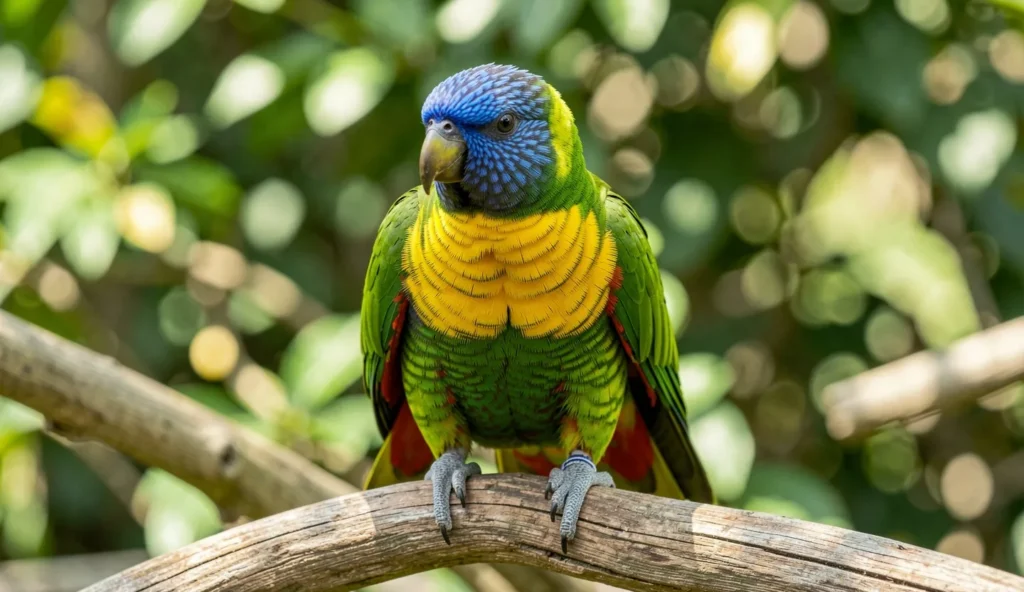
What Is a Scaly Breasted Lorikeet
The Scaly Breasted Lorikeet, scientifically known as Trichoglossus chlorolepidotus, is a small, nectar-feeding parrot native to eastern Australia. This species stands out for its green plumage with distinctive yellow scalloped markings on the chest and belly. It belongs to a group of less common Australian lorikeets, making it an intriguing alternative to the more popular Rainbow Lorikeet.
Origin and Natural Habitat
The Scaly Breasted Lorikeet is found along the eastern coast of Australia, from northern Queensland down to New South Wales. It inhabits forests, woodlands, and suburban gardens, often moving in flocks alongside Rainbow Lorikeets. These birds adapt well to urban environments as long as food sources remain available.
Scientific Name and Taxonomy
Trichoglossus chlorolepidotus belongs to the subfamily Loriinae, characterized by a brush-tipped tongue adapted for nectar extraction. The species name chlorolepidotus comes from Greek words meaning green and scaled, referring to the scaly pattern on its chest. This taxonomy places it among the true lorikeets, sharing a close relationship with the Rainbow Lorikeet.
Physical Features and Identification
The Scaly Breasted Lorikeet has a compact, agile body built for fast flight and climbing. Its most recognizable feature is the yellow scalloped pattern on the chest, which gives the species its common name.
Size and Body Shape
This parrot measures 23 to 25 cm in length with a wingspan of about 42 cm. Adults weigh between 80 and 110 grams, making it a medium-small parrot. Its body is slender with a long tail, similar in proportions to the Eclectus Parrot but much smaller.
Plumage and Color Patterns
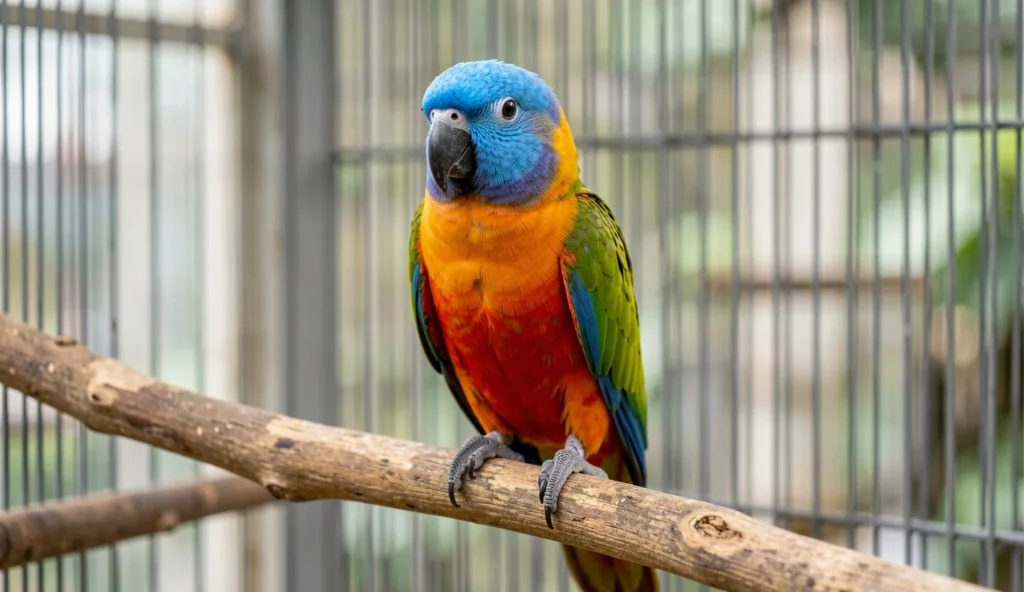
The overall body color is bright green, with the chest and belly covered in yellow scalloped markings edged in darker green. The crown and face are deep blue, while the nape and upper neck display a yellow collar. Red patches appear under the wings and on the sides of the breast, especially visible when the bird spreads its wings.
Differences from the Rainbow Lorikeet
The Rainbow Lorikeet has a deep blue belly and a red and blue banded head, which the Scaly Breasted Lorikeet lacks. Instead, the Scaly Breasted Lorikeet shows yellow scallops on a green chest rather than barring. Its red wing linings are also more extensive, covering a larger area under the wing.
Temperament and Personality
Scaly Breasted Lorikeets are highly social, intelligent, and active birds. They form strong bonds with their owners and thrive on daily interaction. Their playful nature requires consistent mental stimulation.
Social Behavior
These lorikeets live in flocks in the wild and need companionship in captivity. They can bond closely with one person but may become territorial if not properly socialized. Owners who interact regularly find them affectionate and responsive, much like the Peach Faced Lovebird in its social demands.
Activity Level and Playfulness
Scaly Breasted Lorikeets are extremely active and curious. They enjoy climbing, swinging, and chewing on toys. Without enrichment, they can become destructive, chewing furniture or cage bars out of boredom.
Noise Level and Vocalizations
This species produces frequent chattering and occasional loud calls, especially at dawn and dusk. Noise levels are moderate compared to other parrots, but they are not suitable for noise-sensitive households. Some individuals can mimic simple words with training.
Housing Essentials for a Scaly Breasted Lorikeet
A proper enclosure is critical for this energetic parrot. The cage must accommodate active climbing and flight while preventing escape through narrow bar spacing.
Cage Size and Placement
The minimum cage size is 60 cm wide, 60 cm deep, and 90 cm tall. Bar spacing should not exceed 2 cm to prevent head entrapment. Place the cage in a draft-free area with natural light but no direct sun exposure.
Perches and Enrichment
Use natural wood perches of varying diameters to promote foot health. Provide foraging toys, puzzle feeders, hanging toys, and climbing ropes. Rotate these items weekly to maintain the bird’s interest.
Bathing and Humidity
Offer a shallow water dish for bathing daily. Lightly mist the bird with lukewarm water if it prefers spray baths. Maintain humidity between 50 and 70 percent to support healthy skin and feathers.
Diet and Nutrition
The Scaly Breasted Lorikeet requires a specialized nectar-based diet. Inappropriate foods can lead to serious health problems like iron storage disease.
Commercial Lorikeet Nectar
Use a high-quality dry or wet powdered nectar mix formulated for lorikeets. Prepare fresh nectar twice daily and discard leftovers to prevent bacterial growth. Avoid brands with added sugar, as they contribute to obesity. Other lorikeet species, such as the Red Lory, share similar dietary needs.
Fresh Fruits and Vegetables
Offer apples, pears, grapes, melon, and berries as treats. Leafy greens like spinach and kale provide additional nutrients. Never feed avocado, chocolate, caffeine, or salty foods, as these are toxic to parrots.
Supplements and Treats
Calcium and vitamin D3 supplements are necessary, especially for breeding females. Small amounts of seeds or nuts can be given as occasional treats. Non-toxic fresh flowers, such as hibiscus and dandelions, encourage natural foraging behavior.
Exercise and Activity Requirements
This lorikeet needs substantial daily exercise to maintain physical health and mental well-being. Lack of activity leads to obesity and behavioral problems.
Daily Out-of-Cage Time
Provide a minimum of 2 to 3 hours of supervised freedom each day. Set up a bird-safe room or a play gym with perches and toys. Allow short, supervised flights if the bird’s wings are clipped appropriately.
Foraging and Mental Stimulation
Hide food in foraging toys to mimic natural feeding behavior. Teach simple tricks like step-up or target training to strengthen the bond. Rotate toys weekly to keep the environment novel and engaging.
Common Health Issues in Scaly Breasted Lorikeets
Scaly Breasted Lorikeets are prone to several health conditions, many linked to nutrition and hygiene. Early detection improves treatment outcomes.
Nutritional Disorders
Iron storage disease (hemochromatosis) is the most serious threat, caused by excessive iron in the diet. Hypocalcemia from calcium deficiency leads to tremors and seizures. Obesity results from high-sugar nectar and limited exercise.
Respiratory and Fungal Infections
Aspergillosis can develop from moldy food or damp bedding. Sinus infections occur when hygiene is poor. Watch for sneezing, nasal discharge, and lethargy, and consult an avian veterinarian promptly.
Feather Picking and Behavioral Issues
Stress, boredom, or poor diet often trigger feather picking. Provide enrichment and social interaction to prevent this behavior. If feather picking persists, seek veterinary advice to rule out underlying medical causes.
Is the Scaly Breasted Lorikeet Right for You
This parrot is best suited for intermediate owners who can dedicate time and space. It requires consistent care and specialized feeding.
Time and Attention Commitment
Scaly Breasted Lorikeets need daily interaction and out-of-cage time. They are not ideal for owners who are away all day. Their lifespan of 15 to 25 years means a long-term commitment.
Noise and Space Considerations
Moderate noise levels make them unsuitable for apartments with thin walls. A large cage and a dedicated play area are necessary. A bird room is ideal for providing enough space.
Experience Level
Intermediate parrot owners handle this species best. The specialized nectar diet and hygiene demands require careful management. Beginners may find the daily preparation and monitoring overwhelming.
Frequently Asked Questions
What does a Scaly Breasted Lorikeet look like?
It has an overall green body with yellow scalloped markings on the chest and belly, a blue crown and face, and red patches under the wings.
How long do Scaly Breasted Lorikeets live?
In captivity, they live an average of 15 to 25 years, depending on diet, housing, and veterinary care.
What do Scaly Breasted Lorikeets eat?
They eat a specialized lorikeet nectar formula as a base, supplemented with fresh fruits and vegetables. Seeds and high-iron foods should be avoided.
Are Scaly Breasted Lorikeets good pets?
Yes, for owners who can provide daily interaction and proper care. They are playful and affectionate but require time, space, and intermediate experience.
How can I tell a Scaly Breasted Lorikeet from a Rainbow Lorikeet?
The Scaly Breasted has yellow scallops on a green chest, while the Rainbow has a blue belly. The Scaly Breasted also lacks the red and blue head bands and has larger red wing linings.
Do Scaly Breasted Lorikeets need a special cage?
They require a minimum cage size of 60x60x90 cm with bar spacing no wider than 2 cm. Natural perches, foraging toys, and a bathing dish are essential.
Final Note
The Scaly Breasted Lorikeet is a rewarding parrot for dedicated owners who understand its unique dietary and social needs. With proper care, this active and intelligent bird becomes a fascinating companion for many years.