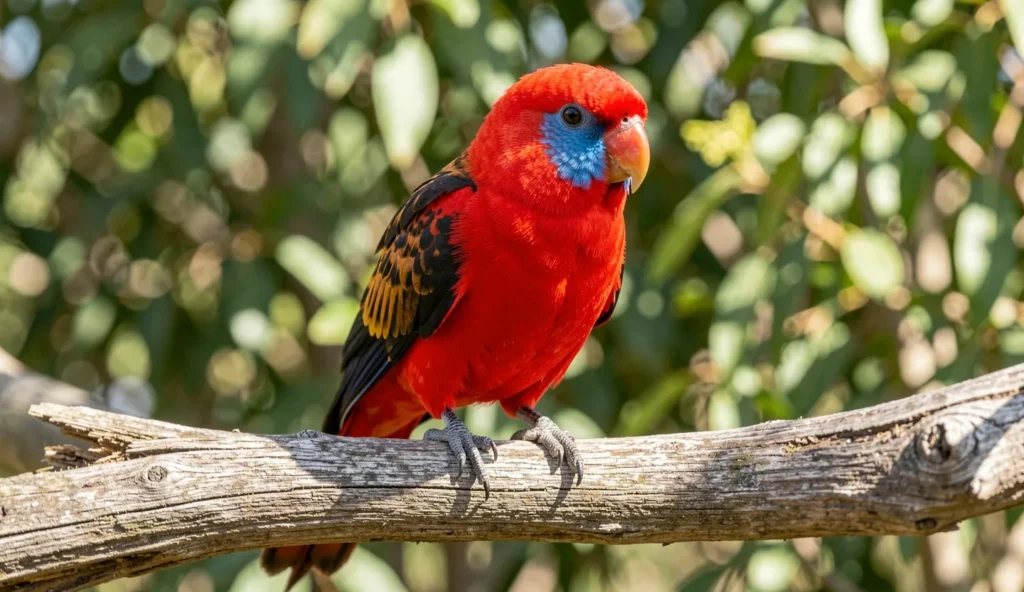
What Is a Crimson Rosella
The Crimson Rosella is a striking Australian parrot known for its deep red plumage and intelligent temperament. This medium parrot, scientifically named Platycercus elegans, belongs to the rosella family and is native to southeastern Australia. Its vibrant colors and curious nature make it a popular choice among intermediate bird owners.
Origin and Natural Habitat
The Crimson Rosella originates from the forests, woodlands, and suburban gardens of southeastern Australia. Wild populations thrive in coastal regions from Queensland through New South Wales to Victoria and into South Australia. This species prefers dense canopy cover and often forages on the ground for seeds and fallen fruits. The Crimson Rosella is closely related to the Eastern Rosella but is slightly larger in size.
Appearance and Physical Features
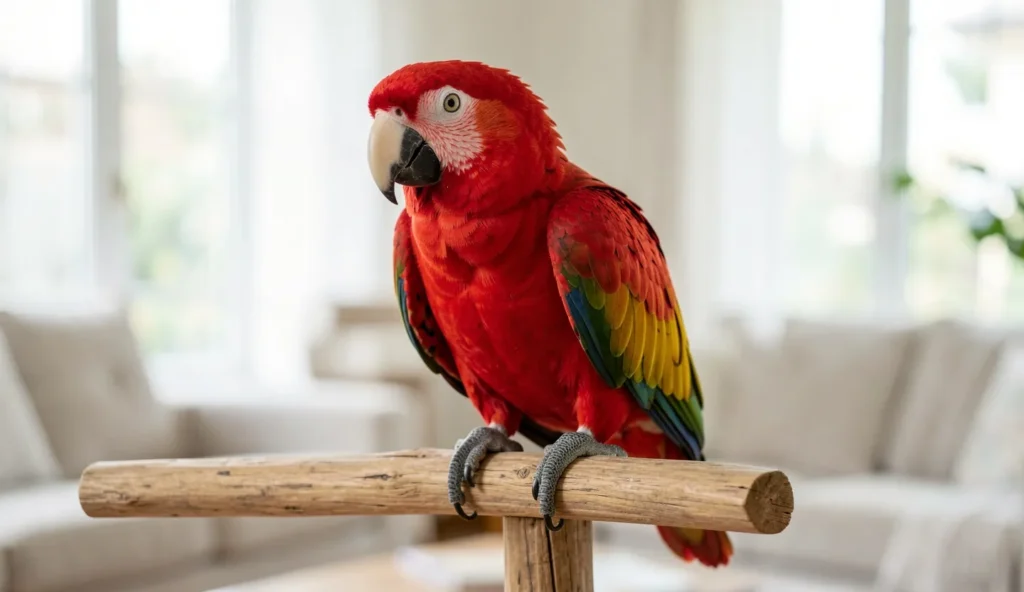
The Crimson Rosella displays a bright crimson body with vivid blue cheek patches and a black back that contrasts sharply with its red feathers. Adults reach approximately 36 cm in length, making them a medium parrot. Males and females look similar, though juveniles exhibit greenish plumage that gradually transitions to red over the first year. The tail is long and blue-tipped, adding to its elegant silhouette.
Size and Color Variations
Adult Crimson Rosellas measure between 32 and 36 cm from head to tail tip. Their crimson body is complemented by white and blue wing markings. Juvenile plumage is mostly green with some red patches on the belly, chest, and forehead. This green phase helps young birds blend into foliage for protection. The full red adult plumage develops after the first molt, around 12 to 15 months of age.
Temperament and Personality
The Crimson Rosella is intelligent and curious but can be shy with strangers. Early socialization is essential to prevent nippiness and encourage a calm disposition. Consistent, gentle handling builds trust over time. This parrot forms strong bonds with its primary caregiver but may remain reserved around unfamiliar people.
Temperament with People
Owners should introduce themselves slowly, allowing the bird to observe before direct interaction. A Crimson Rosella that feels threatened may bite, so patience is key. Positive reinforcement through treats and soft speech helps the bird feel secure. Once bonded, it enjoys perching on shoulders and interacting during out-of-cage time.
Temperament with Other Birds
Crimson Rosellas are generally peaceful with other rosella species and similar-sized parrots. However, they can become territorial during breeding season, especially if nesting sites are limited. Keeping them in pairs or small groups reduces aggression. A single bird requires extra human interaction to prevent loneliness and feather plucking.
Diet and Nutrition
A balanced rosella diet is the cornerstone of a healthy Crimson Rosella. The base should consist of high-quality parrot pellets, making up about 60% of the daily intake. Supplement with a low-fat seed mix rich in millet and limited sunflower seeds to prevent obesity. Fresh water must always be available.
Pellets and Seeds
Select a pellet formula designed for medium parrots, as it provides essential vitamins and minerals. The seed mix should be low in sunflower and high in millet, oats, and canary seed. Avoid seed-only diets, which lead to nutritional deficiencies and obesity. Offer pellets in the morning and seeds as a small portion later in the day.
Fresh Fruits and Vegetables
Dark leafy greens such as kale, spinach, and Swiss chard should be offered daily. Safe fruits include apple, pear, berries, melon, and mango. Remove uneaten fresh food after two hours to prevent spoilage and bacterial growth. Never feed avocado, chocolate, caffeine, or alcohol, as these are toxic to parrots. A varied produce selection supports the immune system and vibrant feather coloration.
Supplements and Treats
A cuttlebone or mineral block provides calcium and helps keep the beak trimmed. Sprouted seeds offer extra protein and enzymes during molting or breeding periods. Occasional treats like a small piece of whole-wheat bread or a few unsalted nuts can be used for training. Avoid sugary or salty human foods.
Exercise Requirements
Crimson Rosellas need at least two hours of supervised out-of-cage time daily. This exercise prevents obesity and maintains muscle tone. Provide climbing toys, rope perches, and swings inside the cage. A flight-safe room with closed windows and no ceiling fans allows the bird to stretch its wings. For a similar energetic parrot, the Rainbow Lorikeet also requires substantial daily activity.
Recommended Exercise Types
Allow the Crimson Rosella to fly short distances in a controlled environment. Foraging toys that hide treats encourage natural searching behavior. Place perches at different heights to promote climbing. Rotate toys weekly to maintain interest and prevent boredom.
Training and Socialization
Training a Crimson Rosella requires patience and consistency. Use positive reinforcement with favorite treats, such as small pieces of apple or millet spray. Start with the step-up command once the bird is comfortable with your hand. Keep training sessions short, around five to ten minutes, to maintain focus.
Basic Training Tips
Always end sessions on a positive note to keep the bird eager for the next lesson. Repeat commands in a calm, clear voice. Avoid punishment or shouting, as this damages trust. Socialize the bird by exposing it to different people, sounds, and environments gradually. The Red Bellied Parrot shares a similar trainable nature and responds well to positive reinforcement.
Grooming and Care Tips
Routine grooming keeps the Crimson Rosella healthy and comfortable. Provide a shallow water dish for bathing several times a week. Misting with lukewarm water helps maintain feather condition, especially in dry indoor environments. Allow feathers to dry completely before exposing the bird to drafts.
Bathing and Misting
Place a birdbath or shallow dish in the cage for self-bathing. Alternatively, gently mist the bird with a spray bottle set to a fine mist. Avoid misting directly on the face. Bathing encourages preening and removes dust and dander. Offer bathing opportunities in the morning so feathers dry by evening.
Nail and Beak Care
Mineral perches and concrete perches help wear down nails naturally. Trim nails every four to six weeks if they become too long. Use a bird-specific nail clipper and have styptic powder ready for bleeding. Beak overgrowth is rare but may require a veterinarian’s attention if it affects eating. For more on grooming different parrot species, the Red Lory has similar nail and feather care needs.
Common Health Issues
Crimson Rosellas are generally hardy but prone to diet-related conditions. Obesity from high-fat seed diets is a frequent problem. Vitamin A deficiency can result from insufficient vegetables, leading to respiratory issues and poor feather quality. Feather plucking often signals nutritional gaps or boredom. Regular veterinary checkups and fecal tests catch problems early.
Diet-Related Problems
Limit sunflower seeds to no more than 10 percent of the seed mix. Provide a variety of vegetables daily to ensure adequate vitamin intake. Overweight birds may develop fatty liver disease or heart problems. Adjust portions if the bird becomes lethargic or shows abnormal weight gain.
Infections and Parasites
Psittacosis, a bacterial infection, can cause respiratory distress and must be treated by an avian vet. Giardia and other gut parasites affect digestion and cause loose droppings. Quarantine new birds for at least 30 days before introducing them to an existing flock. Annual fecal exams and blood work are recommended for all parrots.
Is a Crimson Rosella Right for You
The Crimson Rosella is ideal for intermediate owners who can provide daily out-of-cage time, a balanced diet, and consistent socialization. This Australian parrot thrives in a calm environment with minimal loud noises. A spacious cage with plenty of toys is essential. Commitment to a 20-to-30-year lifespan is necessary. For those ready to invest in a medium parrot with striking beauty and engaging personality, the Crimson Rosella is a rewarding companion. The Eclectus Parrot shares a similar lifespan and care complexity, making it another option for experienced owners.
Ideal Owner for This Parrot
Owners should have experience with medium parrots and understand the need for a non-stressful environment. A household without large predators or constant commotion works best. A dedicated room or flight cage allows safe exercise. With proper care, the Crimson Rosella becomes a loyal and interactive pet.
Frequently Asked Questions
What does a Crimson Rosella eat in the wild?
In the wild, Crimson Rosellas eat seeds, fruits, berries, and flower nectar. They forage both on the ground and in trees for these natural food sources.
How often should I feed my Crimson Rosella?
Offer fresh pellets and vegetables daily. Remove uneaten fresh food after two hours to prevent spoilage and bacterial contamination.
Can Crimson Rosellas talk?
Crimson Rosellas are not known for extensive talking ability. Some individuals may learn a few words with patient, consistent training.
Are Crimson Rosellas friendly?
They can be friendly with consistent gentle handling. They may be shy initially and require a calm environment to feel secure.
Do Crimson Rosellas need a companion?
They benefit from the company of another rosella. A single bird needs extra human interaction to prevent loneliness and behavioral issues.
How long do Crimson Rosellas live?
With proper care, Crimson Rosellas can live 20 to 30 years. Lifespan depends on diet, exercise, and regular veterinary care.
Final Note
The Crimson Rosella is a beautiful and intelligent medium parrot that rewards dedicated owners with its vibrant colors and engaging personality. Providing a proper rosella diet, ample exercise, and gentle socialization ensures a long, healthy life for this stunning Australian parrot.