What Is a Syrian Pigeon
The Syrian pigeon is an ancient breed originating in the Middle East, particularly in Syria and surrounding regions. This bird is prized for its remarkable flying ability and striking ornamental appearance. Pigeon fanciers worldwide value the Syrian pigeon for its endurance in the air and its wide range of color variations.
Syrian pigeons belong to the group of flying and fancy pigeons. They have been developed over centuries for both performance and show. Their calm temperament makes them suitable for both beginners and experienced keepers.
Understanding the Syrian pigeon starts with its origins. The breed shares ancestry with other Middle Eastern flying breeds such as the Maltese pigeon, though each has distinct traits. Syrian pigeons are larger and more robust than many ornamental breeds.
Syrian Pigeon Appearance and Color Varieties
The Syrian pigeon has a medium to large body with a broad chest and a short, strong beak. Its legs are clean and feathered only lightly. The wings are powerful, enabling long flight sessions.
Common Color Patterns
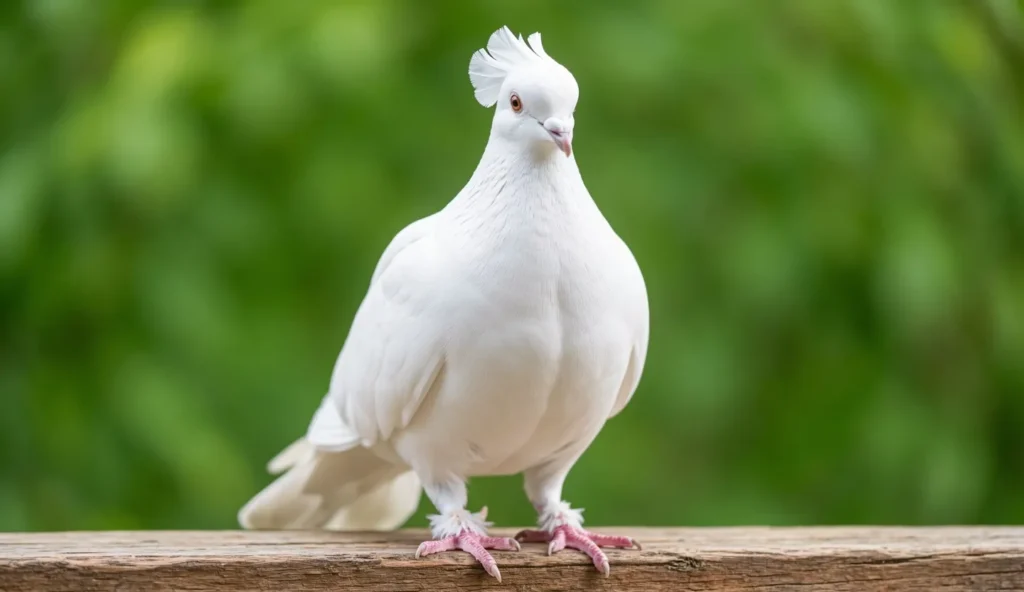
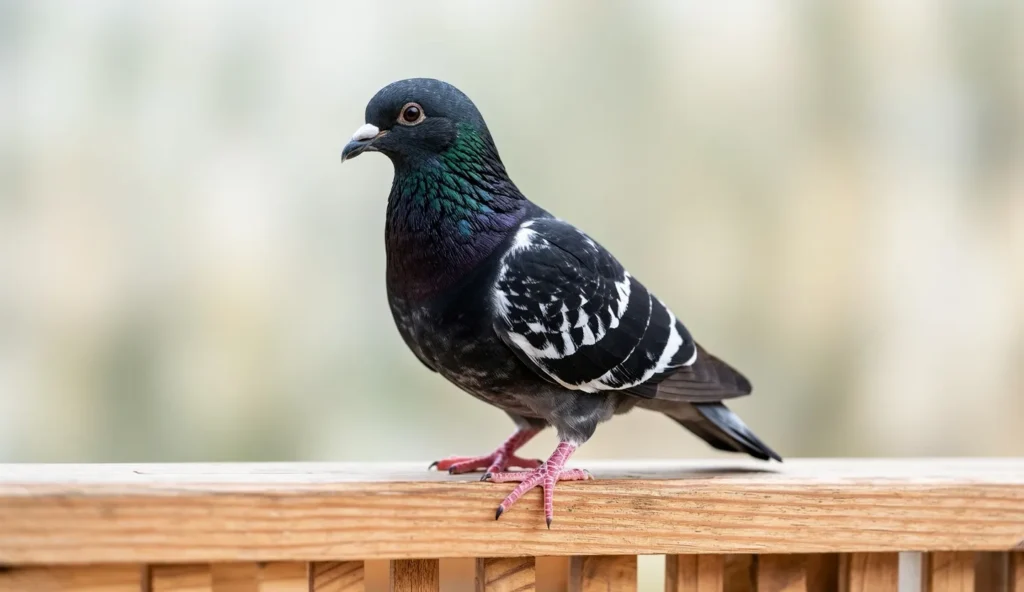
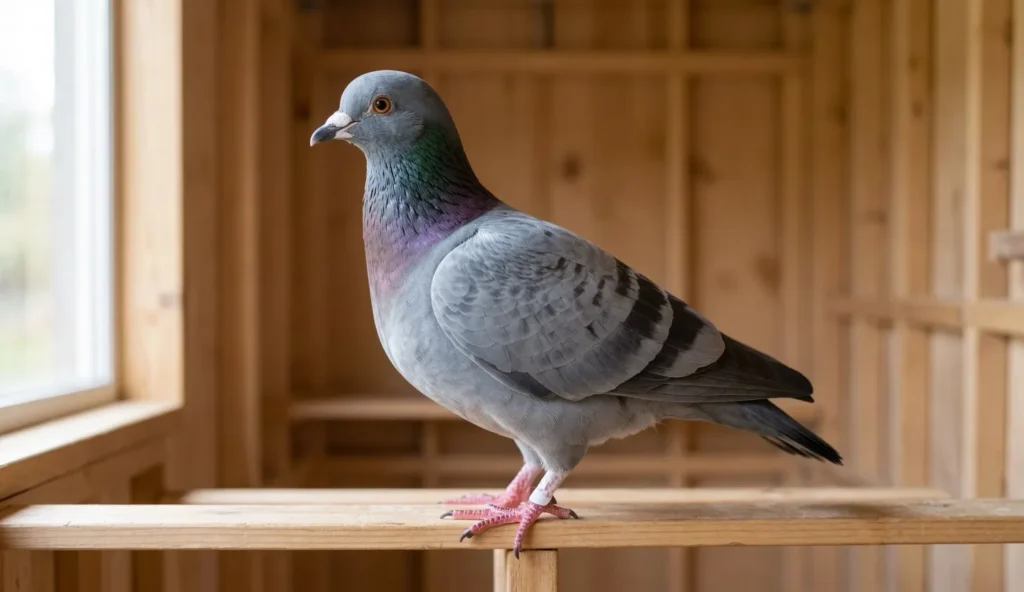
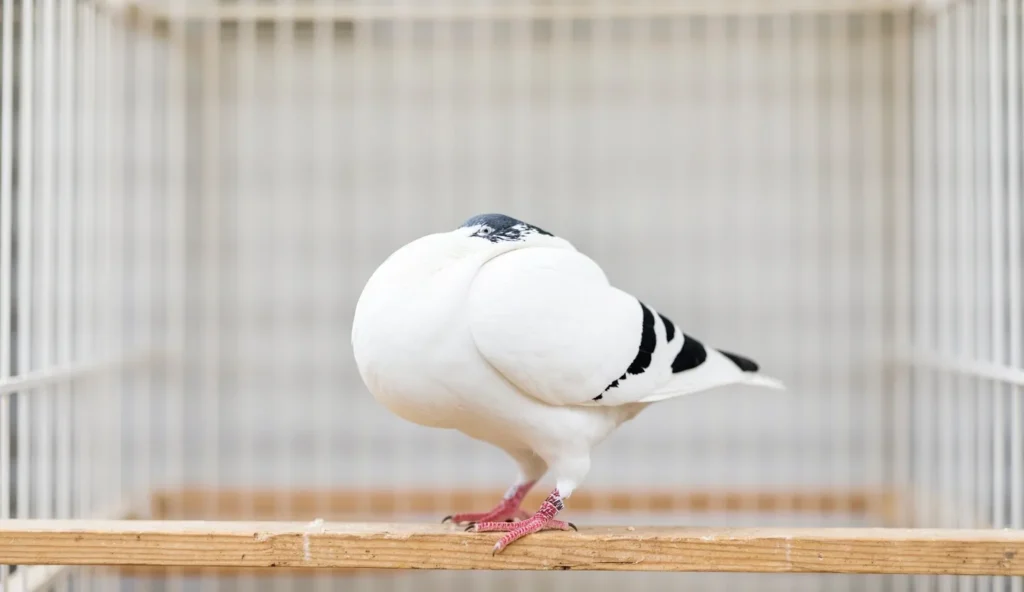
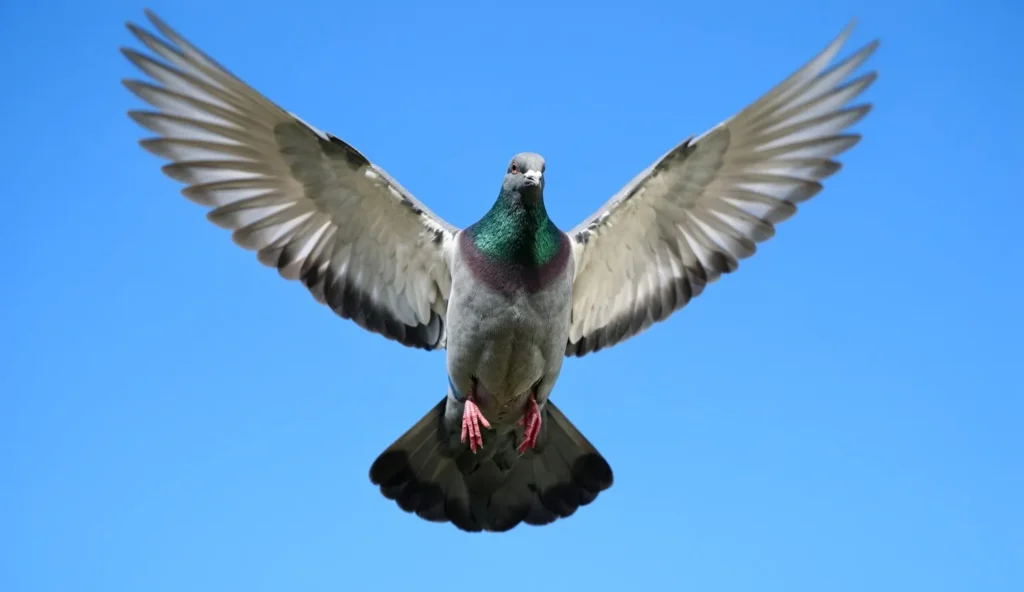
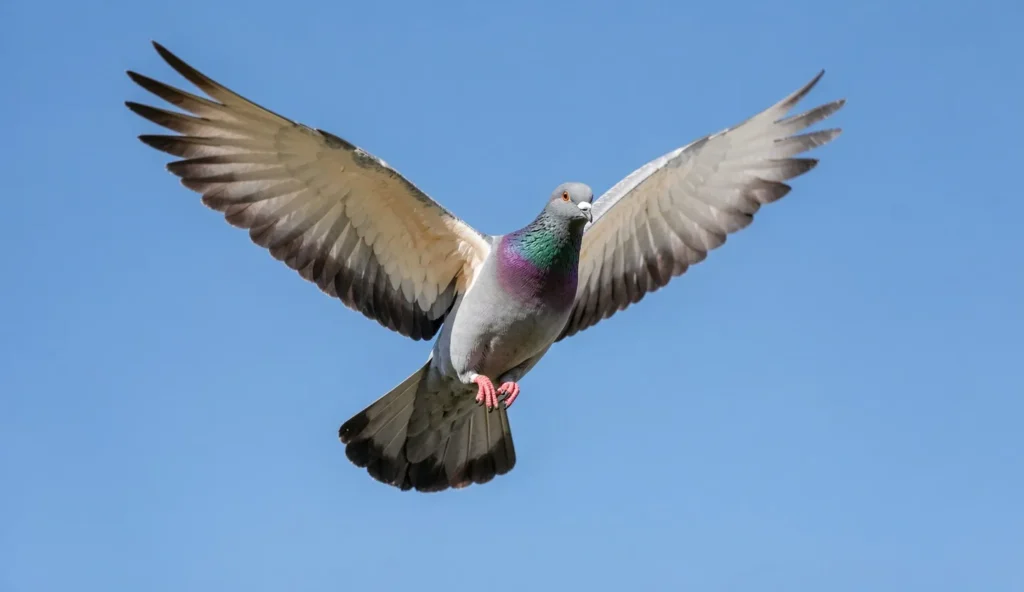
Syrian pigeon colors include solid shades as well as patterned varieties. Solid colors commonly seen are black, red, white, yellow, and blue. Patterned types include saddle, pied, mottle, and splash. Many birds display iridescent neck feathers that shimmer green and purple in sunlight.
Eye color varies by mutation, ranging from dark brown to pearl white. The beak is usually horn-colored but can be darker in black birds. Breeders often select for specific color combinations, making the Syrian pigeon a popular show bird.
For comparison, the Saddleback pigeon has a distinct color patch on the back, whereas Syrian pigeons show color across the whole body. This difference highlights the diversity in fancy pigeon breeds.
Syrian Pigeon Temperament and Personality
Syrian pigeons are known for their calm and gentle nature. They are not aggressive toward other birds and adapt well to life in a loft. Their quiet demeanor makes them easy to handle during routine care.
These birds are intelligent and form strong bonds with their keepers. Syrian pigeon care involves regular interaction to maintain trust. They respond well to hand-feeding and gentle handling.
Their placid temperament does not diminish their flying drive. Syrian pigeons are eager to fly and will circle the loft for hours if given opportunity. This combination of calmness and athleticism is rare among pigeon breeds.
Syrian Pigeon Flying Ability
The Syrian pigeon flying ability is one of its most celebrated traits. These birds are built for endurance, capable of sustained flights lasting several hours. They often reach significant heights and perform rolling or tumbling maneuvers during flight.
Their flying style is characterized by strong, steady wingbeats and excellent stamina. Syrian pigeons can cover large distances without tiring. This makes them suitable for long-distance flying competitions and recreational loft flying.
Training for Flight Performance
Training a Syrian pigeon for flight performance requires patience and consistency. Start with young birds by allowing short flights around the loft. Increase duration gradually as the bird builds muscle and confidence.
Use a trap system so birds learn to re-enter the loft promptly. Always train in good weather to avoid disorientation. Avoid overtraining during molting periods, as this can stress the bird.
Regular exercise is essential for maintaining the Syrian pigeon flying ability. A daily flight session of 30 to 60 minutes keeps them in peak condition. Birds that fly regularly develop stronger respiratory and cardiovascular systems.
Syrian Pigeon Diet and Nutrition
A balanced diet is critical for Syrian pigeon health and performance. The base of their nutrition should be a high-quality seed mix formulated for pigeons. Include a variety of grains such as wheat, barley, millet, and corn.
Supplement the seed mix with legumes like peas and lentils for protein. Provide grit and crushed oyster shell for digestion and calcium. Fresh water must be available at all times and changed daily.
Occasionally offer leafy greens such as spinach or lettuce. Avoid feeding bread or processed human food. Proper nutrition supports strong bones, vibrant plumage, and sustained energy for flying.
For the Hungarian Giant pigeon, diet focuses on growth, but Syrian pigeons need a leaner mix to maintain flight condition. Adjust portions based on activity level.
Syrian Pigeon Housing and Care
Proper housing ensures that Syrian pigeons remain healthy and active. The loft should be spacious, dry, and well-ventilated. Protect birds from predators such as rats, cats, and birds of prey.
Loft Requirements
Provide at least two square feet of floor space per bird. Ensure good ventilation without creating drafts. Include sturdy perches at different heights, feeding stations, and clean nest boxes.
Install a bath pan filled with shallow water for regular bathing. Birds enjoy dust baths as well, which help control parasites. Keep bedding clean and dry to prevent respiratory infections and foot problems.
Clean the loft weekly and disinfect perches and nesting areas monthly. Good hygiene is a cornerstone of Syrian pigeon care. A clean environment reduces disease risk and keeps birds comfortable.
Similar housing principles apply to the Old German Owl pigeon, though Syrian pigeons require more space due to their larger size and active nature.
Common Health Issues in Syrian Pigeons
Syrian pigeons are generally hardy, but they can face several common health problems. Respiratory infections often arise from poor ventilation or damp bedding. Paratyphoid, coccidiosis, and worms are also frequent concerns.
Prevent these issues by maintaining a clean loft and providing a balanced diet. Quarantine new birds for at least 30 days before introducing them to the flock. Watch for signs of illness such as lethargy, ruffled feathers, or loss of appetite.
Regular health checks include inspecting the eyes, nostrils, and droppings. Treat external parasites like mites with approved powders or sprays. Vaccinations are available for some diseases and should be discussed with an avian veterinarian.
The damascene pigeon shares similar health vulnerabilities, so cross-referencing care protocols can be useful for multi-breed lofts.
Is the Syrian Pigeon Right for You
The Syrian pigeon suits fanciers who want a bird that combines beauty with performance. They are ideal for people who have space for a spacious loft and time for daily flying sessions. Their calm nature makes them manageable even for keepers with limited experience.
Consider your local climate; Syrian pigeons tolerate heat well but need shelter from extreme cold. They also require an environment free from predators. If you can commit to regular exercise and hygiene routines, this breed will reward you.
For those seeking a less demanding option, the Carneau pigeon is a calmer utility breed. However, the Syrian pigeon offers unmatched flying spectacle and color diversity.
Frequently Asked Questions
What is the origin of the Syrian pigeon?
The Syrian pigeon originates from the Middle East, specifically Syria and neighboring regions, where it has been bred for centuries as a flying and ornamental bird.
What colors do Syrian pigeons come in?
Syrian pigeons come in many solid colors including black, red, white, yellow, and blue, as well as patterned varieties like saddle, pied, and mottle, often with iridescent neck feathers.
How high can a Syrian pigeon fly?
Syrian pigeons are known for sustained high-altitude flights that can last several hours, and with training they can achieve significant heights while performing rolling maneuvers.
What do Syrian pigeons eat?
Syrian pigeons eat a balanced diet of seeds, grains, and legumes, supplemented with grit, calcium, and occasional greens for optimal health and flying condition.
Are Syrian pigeons easy to train for flying?
Yes, Syrian pigeons are intelligent and respond well to consistent training from a young age, especially when positive reinforcement and a secure loft system are used.
What kind of housing do Syrian pigeons need?
Syrian pigeons need a spacious, well-ventilated loft with perches, nest boxes, feeding stations, and regular cleaning to ensure a healthy environment free from predators.
A Rewarding Breed for Dedicated Enthusiasts
The Syrian pigeon offers a unique combination of beauty, flying skill, and gentle temperament. With proper care, this breed can become a centerpiece of any loft.
Whether you are new to pigeon keeping or an experienced fancier, the Syrian pigeon provides years of enjoyment through its elegant flights and vibrant colors.