South China Tiger – The Ghost of the Forests of China
Introduction to the South China Tiger
The elusive and critically endangered South China Tiger is often referred to as the “ghost tiger” due to its near extinction in the wild. Once roaming the dense forests and mountains of southern China, this magnificent big cat is now one of the rarest tiger subspecies in the world. Conservationists are racing against time to bring this tiger back from the brink of extinction. Unlike the more numerous Bengal tiger found in India, the South China tiger faces a far more precarious future with no confirmed wild sightings in decades.
Scientific Classification
- Scientific Name: Panthera tigris amoyensis
- Common Name: South China Tiger
- Family: Felidae
- Conservation Status: Critically Endangered (Possibly Extinct in the Wild)
- Native Range: Southern China (Fujian, Jiangxi, Hunan, and Guangdong)
Physical Appearance
The South China Tiger has a distinct and elegant look:
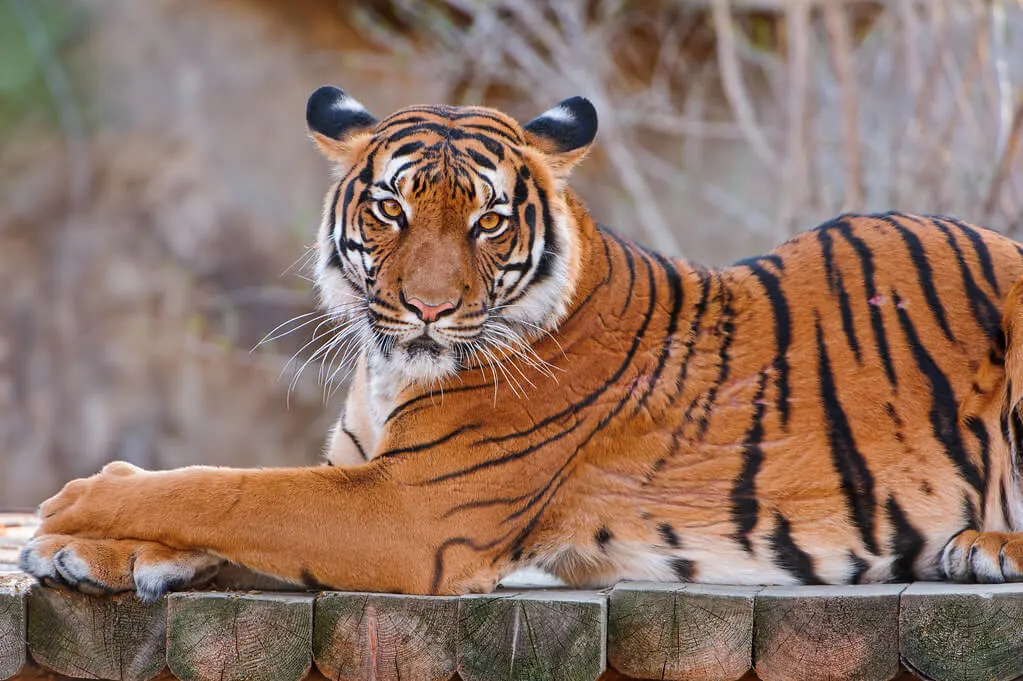
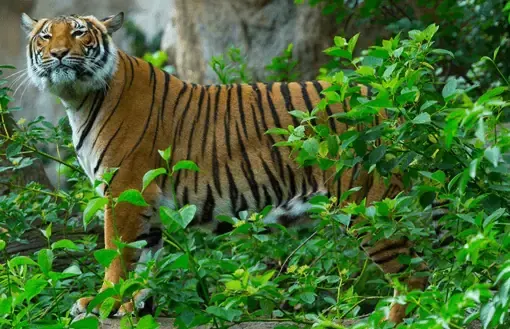
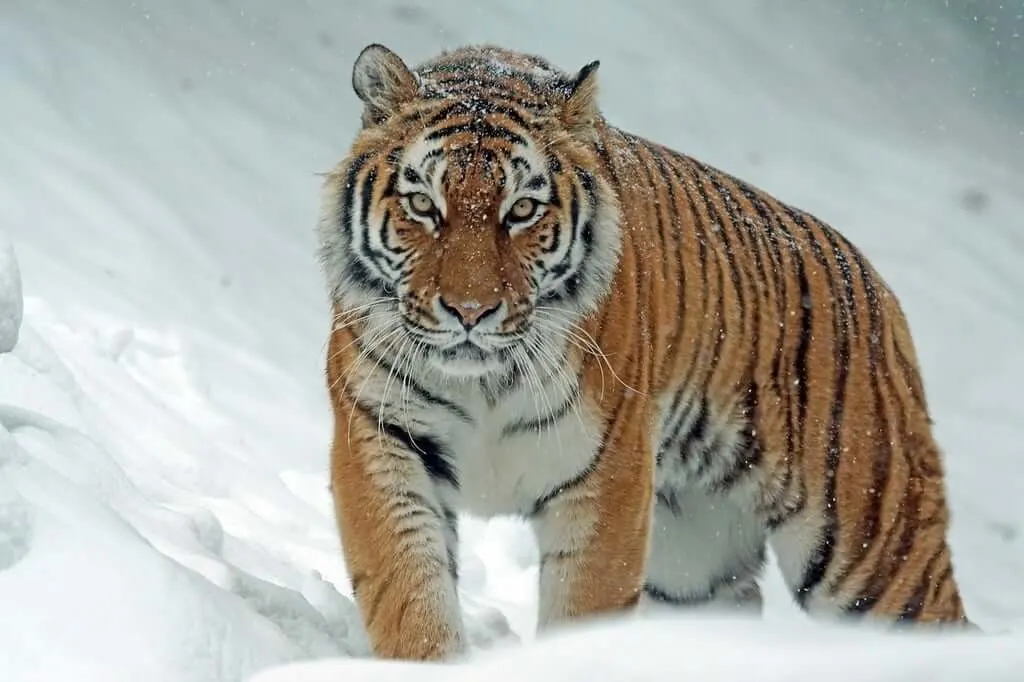
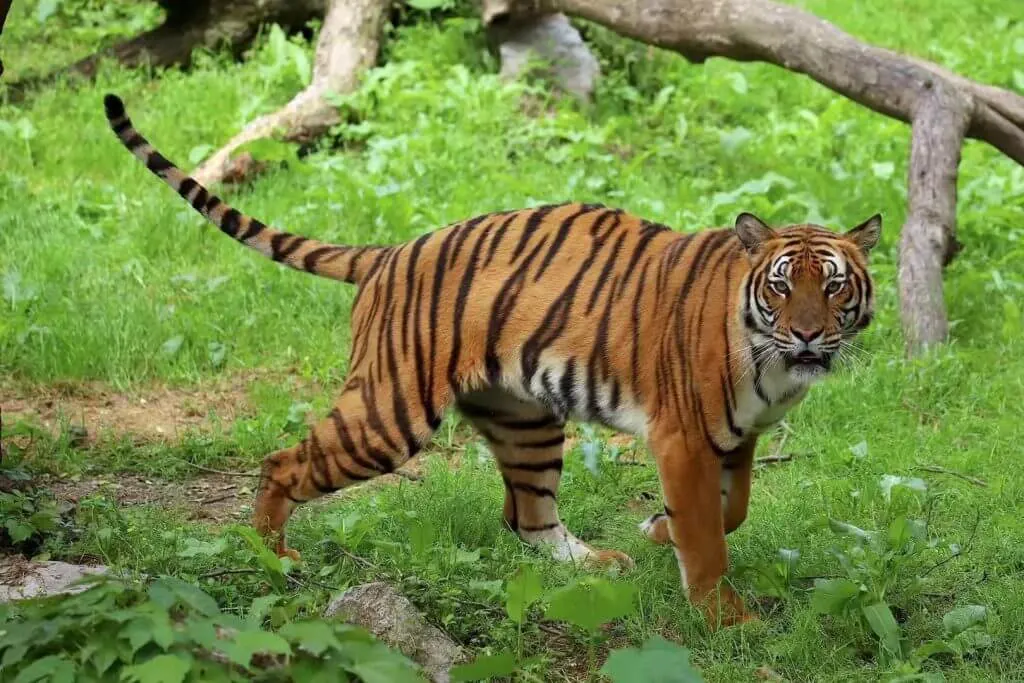
- Rich orange coat with narrow, widely spaced black stripes
- Pale underbelly and white facial markings
- Smaller and more slender than Bengal and Siberian tigers
- Males weigh around 130–175 kg; females around 100–115 kg
- Length: 2.3–2.6 meters (including tail)
Behavior and Lifestyle
South China Tigers are known for their shy and solitary nature:
- Primarily nocturnal and elusive in the wild
- Territorial – each tiger needs a large area to roam and hunt
- Generally avoid humans, but may become aggressive if cornered
- Excellent hearing and sight aid in ambushing prey
Natural Habitat
Before they disappeared from the wild, South China Tigers thrived in:
- Subtropical evergreen forests and bamboo thickets
- Hilly and mountainous regions with dense vegetation
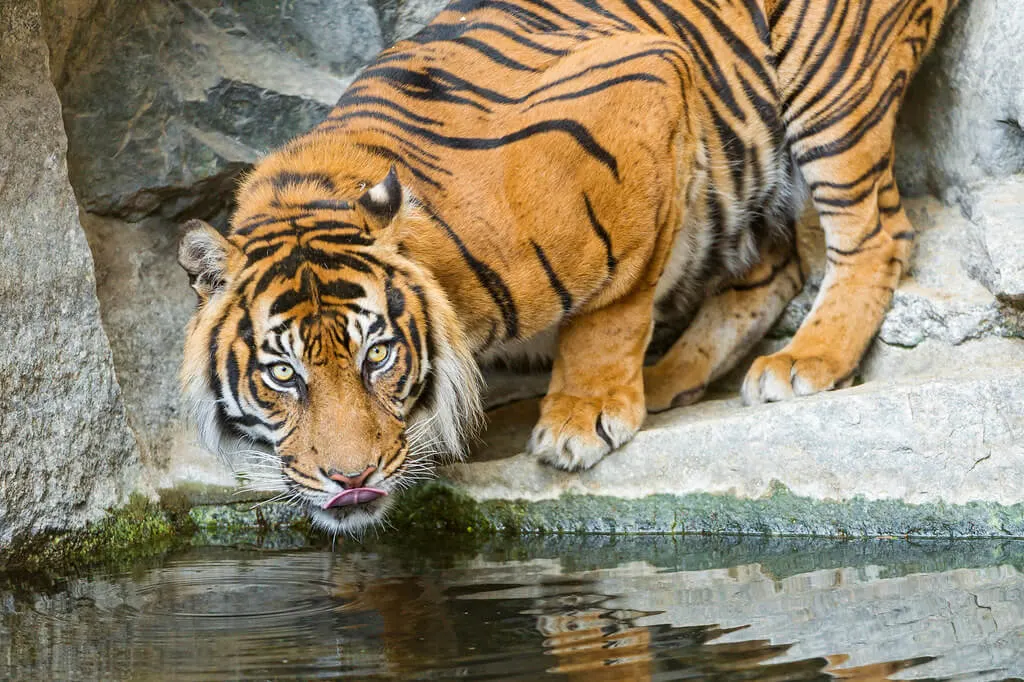
- Areas with access to freshwater sources like rivers and streams
- Now extinct in the wild, last seen in the 1980s
Diet and Hunting
As apex predators, these tigers once played a vital ecological role:
- Natural diet included wild boars, deer, porcupines, and small mammals
- Excellent ambush hunters using stealth and patience
- Capable of taking down prey much larger than themselves
- Prey scarcity due to human encroachment contributed to their decline
Reproduction and Life Cycle
South China Tigers reproduce similarly to other tiger species:
- Mating season varies; occurs year-round in captivity
- Gestation lasts 3–3.5 months
- Litters consist of 2–4 cubs
- Cubs stay with their mother for 18–24 months
- Lifespan: 15–20 years in captivity
Major Threats
This tiger’s extinction in the wild was caused by:
- Intense poaching in the mid-20th century
- Habitat destruction for agriculture and development
- Conflict with farmers over livestock predation
- Genetic bottleneck from reduced breeding population
- Prey population collapse due to overhunting
Conservation Efforts
Conservationists are working hard to revive this subspecies:
- Captive Breeding: Over 100 individuals in zoos and breeding centers in China
- Rewilding Programs: Breeding and training in semi-wild reserves like Save China’s Tigers in South Africa
- Genetic Research: To maintain genetic diversity and avoid inbreeding
- Education: Campaigns raising awareness about this forgotten tiger
- Habitat Restoration: Plans to reintroduce tigers to secure areas in China
These efforts draw on lessons learned from other subspecies, such as the Siberian tiger recovery program, which has shown that dedicated conservation can increase wild populations over time.
South China Tiger vs Bengal Tiger
| Feature | South China Tiger | Bengal Tiger |
|---|---|---|
| Size | Smaller and more slender | Larger and bulkier |
| Coat | Lighter orange, fewer stripes | Rich orange, bold dark stripes |
| Status | Critically Endangered (Possibly Extinct in the Wild) | Endangered |
| Habitat | Southern China forests | India, Bangladesh, Nepal |
| Population | ~100 (Captive only) | ~2,500 (Wild) |
Fascinating Facts About the South China Tiger
- Once called the “Chinese Tiger” and revered in folklore and martial arts
- Historically found in 13 provinces across China
- Considered the most ancient living tiger subspecies genetically
- Bones and body parts were heavily trafficked in traditional Chinese medicine
Cultural Significance
The South China Tiger holds deep meaning in Chinese history:
- A symbol of bravery and power in Chinese culture
- Represented in traditional paintings, literature, and folklore
- Ancient Chinese generals were often nicknamed after the tiger
Why the South China Tiger Matters
Protecting this species has far-reaching benefits:
- Helps preserve biodiversity and ecosystem balance
- Teaches vital lessons in wildlife management and conservation ethics
- Symbolizes global cooperation in conservation
- Inspires future generations to protect endangered species
Frequently Asked Questions
Q1: Is the South China Tiger extinct?
A: It is possibly extinct in the wild. No confirmed sightings have occurred since the 1990s, though it survives in captivity.
Q2: How many South China Tigers are alive today?
A: Fewer than 150 individuals are kept in captivity, mostly in China, with a few in international conservation programs.
Q3: Why did the South China Tiger disappear?
A: Poaching, habitat loss, and reduced prey populations led to their decline and eventual disappearance from the wild.
Q4: Can South China Tigers be reintroduced to the wild?
A: Reintroduction is possible but challenging. It requires a suitable habitat, restored prey populations, and trained tigers capable of surviving independently.
Q5: What is being done to save the South China Tiger?
A: Captive breeding, rewilding programs, habitat restoration, and public education are all part of current conservation strategies.
Conclusion – A Last Chance to Save China’s Wild Soul
The South China Tiger represents a critical chapter in China’s natural and cultural history. While it teeters on the edge of extinction, hope is not lost. With sustained conservation efforts and public awareness, we may one day see this majestic cat roam free again. Protecting the South China Tiger means preserving a living symbol of nature, strength, and resilience. For those interested in learning about other rare tiger subspecies, the Indochinese tiger and the Sumatran tiger face similar challenges in their native habitats across Southeast Asia.