Tuxedo Cat – Appearance, Personality, and Care Guide
With their distinctive black-and-white markings that resemble formal evening wear, Tuxedo Cats are among the most recognizable and beloved feline companions. This pattern appears across numerous breeds and mixed-breed cats, making Tuxedo Cats a common yet striking choice for pet owners. This guide explains what a Tuxedo Cat is, how it behaves, and how to care for one at home.
What is a Tuxedo Cat?
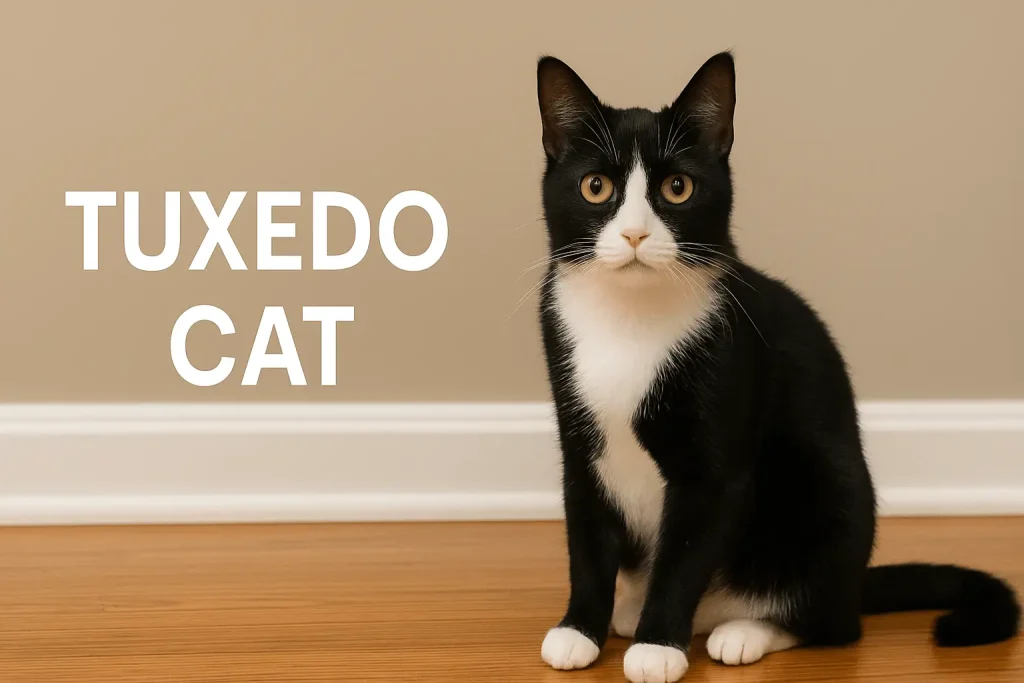
A Tuxedo Cat is not a breed. It is a color pattern found in many breeds and mixed-breed cats. These cats usually have a black coat with white on the chest, belly, and paws. The pattern is distinct from other bicolor patterns like the calico cat, which features three colors, or the white cat, which lacks dark markings entirely.
Appearance
- Black coat with white “bib” on the chest
- White paws and belly
- Optional white markings on the chin or face
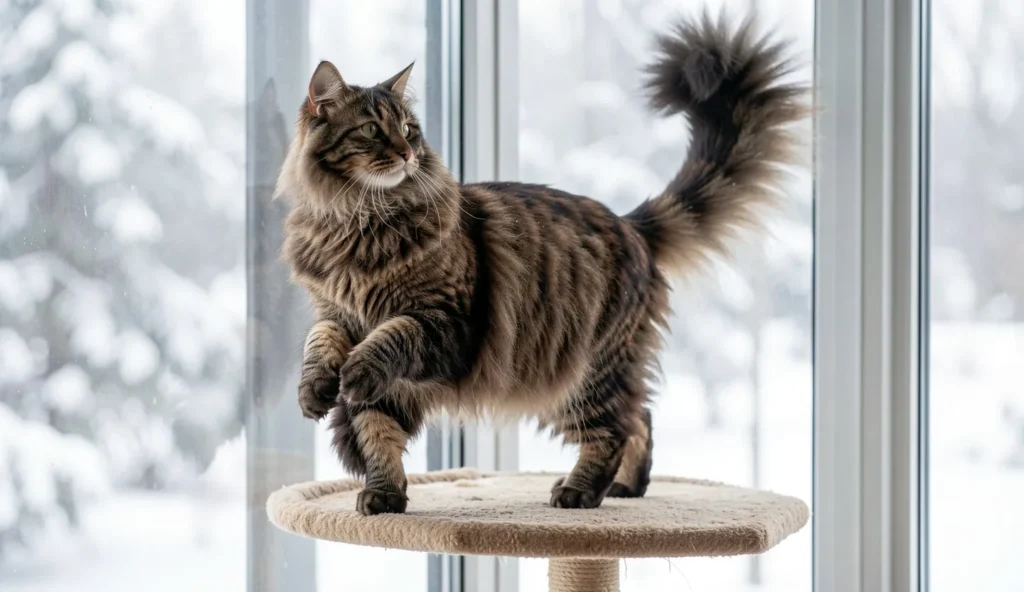
- Pattern appears in short-haired and long-haired cats
Personality
Tuxedo Cats are often friendly, social, and confident. Individual personality varies, but many Tuxedo-pattern cats enjoy interacting with people and exploring their surroundings. Owners often describe them as having a dog-like loyalty, following their humans from room to room and greeting them at the door.
- Playful and curious
- Often intelligent and quick to learn
- Can be good with children when introduced gently
- Adapt well to indoor homes
Health and Lifespan
Health depends on the cat’s breed and genetics, not the color pattern. Most Tuxedo Cats live between 12 and 20 years with good care. Regular veterinary checkups, vaccinations, and dental care are essential for maximizing lifespan, just as they are for any other cat. Some breeds that commonly carry the Tuxedo pattern, such as the British Shorthair, have their own breed-specific health considerations to monitor.
Caring for a Tuxedo Cat
Diet:
Feed a balanced diet based on age and activity level. High-quality cat food supports long-term health. Wet food can help maintain hydration, especially for cats that do not drink enough water on their own.
Grooming:
Short-haired cats need weekly brushing. Long-haired cats may need brushing several times a week. The white areas of the coat may show dirt more readily, so occasional spot cleaning with a damp cloth can keep the fur looking crisp.
Exercise:
Provide toys, play sessions, and climbing options to keep the cat active and mentally stimulated. Interactive puzzle feeders work well for the intelligent Tuxedo Cat, challenging their problem-solving skills while preventing boredom.
Litter Box:
Place the litter box in a quiet and clean area. Scoop daily to maintain hygiene. Cats are fastidious animals, and a dirty litter box can lead to behavioral issues such as inappropriate elimination.
FAQ about Tuxedo Cats
Are Tuxedo Cats rare?
This pattern is common and appears in many cat breeds, including the Persian cat and other popular breeds.
Do Tuxedo Cats need special care?
Their needs are the same as any other cat. Grooming and diet depend on the breed and coat length.
Are they good with kids?
Many are friendly and adapt well to family life when introduced calmly. Their social nature often makes them excellent family pets.
How long do Tuxedo Cats live?
Most live 12 to 20 years with proper care and regular veterinary checkups.