🐏 Lohi Sheep – The Majestic Wool Producer of Pakistan
🌍 Introduction to Lohi Sheep
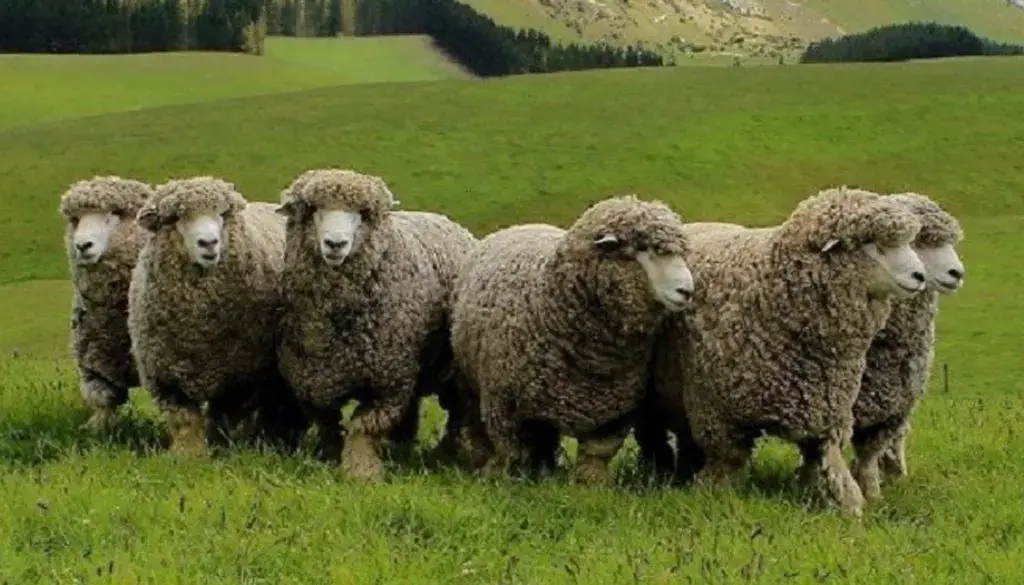
Did you know the Lohi sheep produces one of the finest fleeces in Pakistan, prized by textile artisans for its softness and shine? The Lohi sheep is a prized indigenous breed of Pakistan, celebrated for its elegant appearance, exceptional wool quality, and adaptability to local conditions. Originating from the fertile plains of Punjab, this breed is a top choice for farmers seeking dual-purpose livestock that offers both premium wool and meat. Unlike some specialized breeds like the Merino sheep, which is renowned globally for ultra-fine wool, the Lohi combines wool quality with robust meat production and heat tolerance.
📜 History and Origin
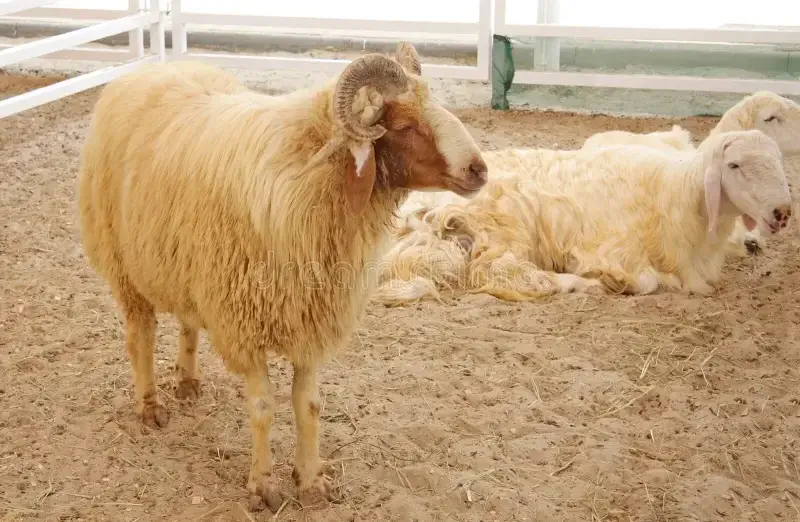
This native of Punjab, especially common in Bahawalpur, Multan, and Rahim Yar Khan, has been refined over generations to suit the region’s subtropical climate. Its presence at livestock fairs and deep-rooted cultural value have earned it iconic status among Pakistani sheep breeds. For farmers comparing indigenous options, the Awassi sheep offers a similar story of regional adaptation, though it originates from the Middle East rather than South Asia.
🧬 Physical Characteristics
These animals boast a striking appearance and robust frame:
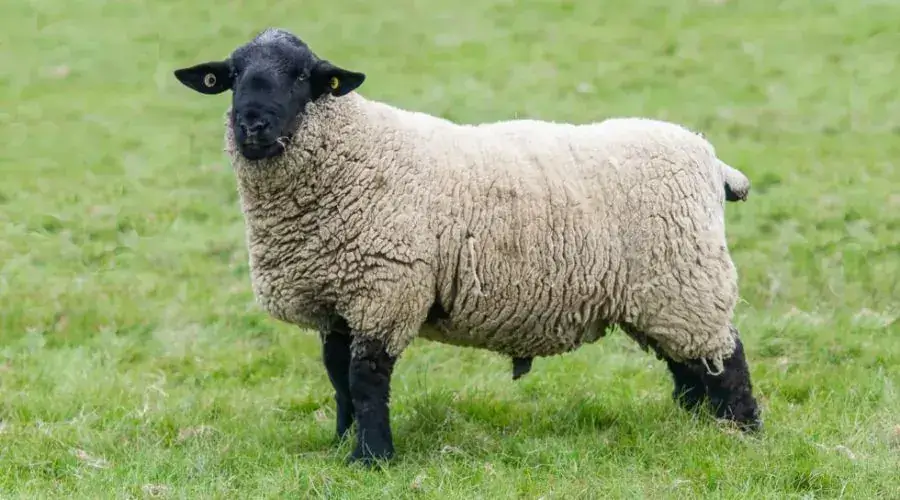
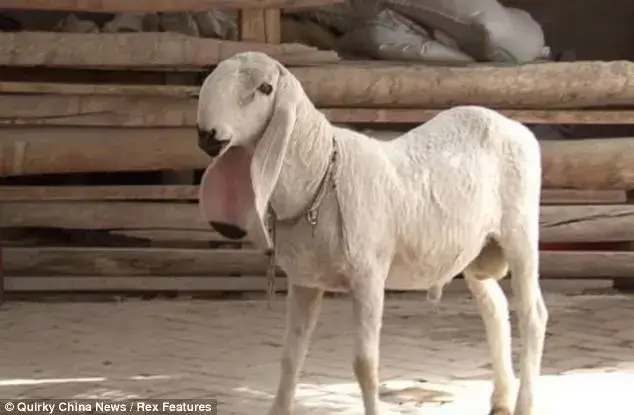
- 🤍 Color: Predominantly white with a black or brown head and ears
- 🐏 Build: Large, muscular structure with a broad chest and strong legs
- 🧥 Wool: Long-stapled, fine-quality fleece perfect for hand spinning and weaving
- 📏 Weight: Rams: 65–90 kg; Ewes: 45–60 kg
🌟 Temperament and Behavior
These sheep are known for their calm and cooperative nature:
- 🧠 Intelligent and responsive to their handlers
- 🚶 Easy to manage even in large groups
- 🌱 Highly adaptable to various grazing environments
🌄 Preferred Environment
Well-suited to Pakistan’s central plains and beyond:
- ☀️ Excellent performance in hot, semi-arid regions
- 🌾 Ideal for open grazing and integrated farming systems
- 💨 Naturally resistant to heat and local diseases
🥗 Nutrition and Feeding
A balanced diet is key to optimal productivity:
- 🌿 Enjoys free grazing on pastures, grasslands, and crop residues
- 🌾 Gains from seasonal supplements like wheat bran or cottonseed cake
- 💧 Requires access to clean, fresh water at all times
🩺 Health and Lifespan
With routine care, these sheep can lead healthy, productive lives:
- 🧬 Resilience: Naturally hardy against common parasites and diseases
- 🩺 Care: Regular deworming, vaccinations, and vet checks are recommended
- 📆 Lifespan: Typically ranges from 10 to 12 years
🎯 Main Uses
Farmers value this breed for multiple reasons:
- 🧥 Wool: Soft, shiny, and long — prized by textile artisans
- 🥩 Meat: Flavorful mutton with great tenderness
- 🐏 Breeding: Often used to enhance other local flocks through crossbreeding
👑 Economic and Cultural Importance
This animal plays a vital role in rural livelihoods:
- 🏆 Featured in livestock contests and religious festivities
- 💼 A source of income for thousands of small-scale farmers
- 🧶 Supports cottage industries by providing top-quality fleece
📈 Breeding and Reproduction
Highly regarded for reproductive efficiency:
- 🍼 Fertility: Excellent lambing rates with seasonal cycles
- 🤱 Maternal Traits: Ewes are caring mothers and good milk producers
- 👶 Lambs: Vigorous, fast-growing, and ideal for market or flock growth
🎉 Fun Facts
- 🏆 Frequently wins beauty contests at agricultural shows
- 🧥 Produces one of the finest fleeces in the country
- 🐏 Rams often have dramatic spiral-shaped horns
- 🕌 A preferred choice for Qurbani due to its grand look
❓ Frequently Asked Questions
Q1: What makes this breed special compared to others?
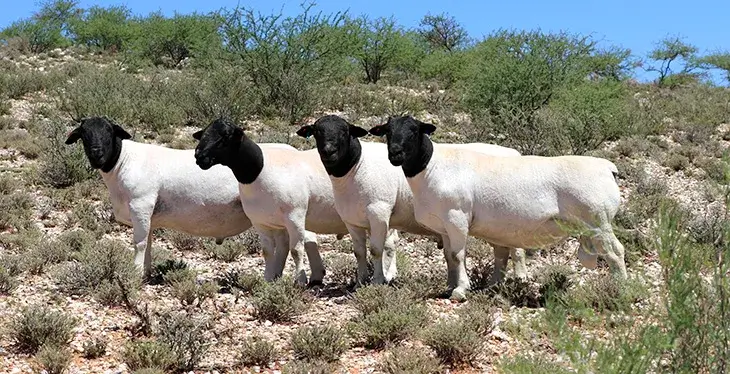
A: It’s dual-purpose, offering both high-quality wool and meat, while also being well-suited to the local climate. For a comparison, the Dorper sheep is another dual-purpose breed but is more focused on meat production and thrives in arid conditions.
Q2: How frequently do the ewes lamb?
A: Most ewes lamb once a year, though with proper care, some may do so twice annually.
Q3: Do they require intensive care?
A: Not really. They are relatively low-maintenance but thrive best with regular health routines and a proper diet.
Q4: Can they live in colder climates?
A: While they prefer warmer regions with adequate shelter and nutrition, they can adapt to cooler settings too.
Q5: Is their wool good for business?
A: Absolutely! Their fleece is highly valued in local markets for crafting premium textiles.
✅ Conclusion – Why Choose Lohi Sheep?
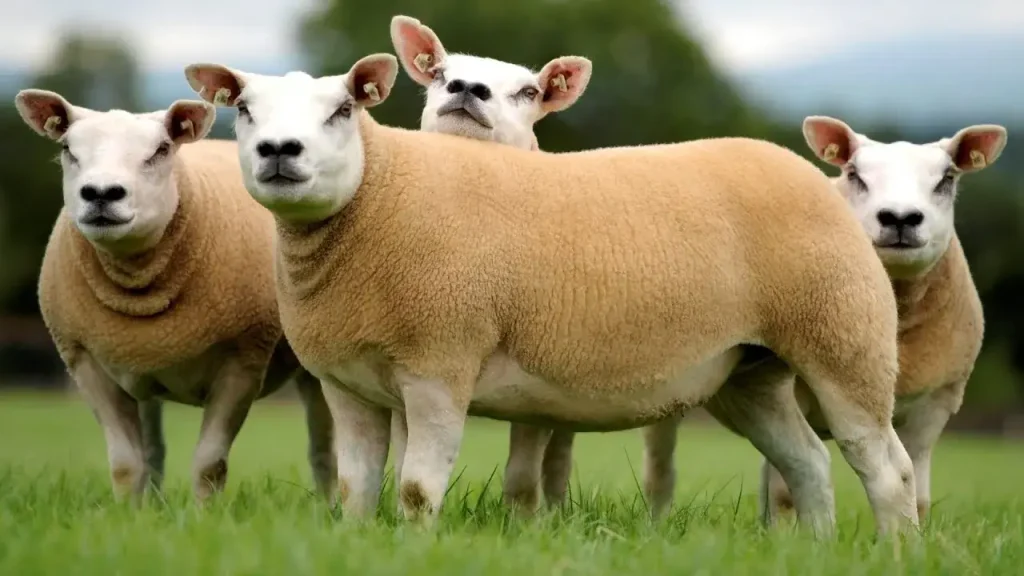
This remarkable breed offers the perfect balance of aesthetics, productivity, and hardiness. Whether your goal is wool production, meat supply, or simply keeping livestock that thrives in local conditions, this breed delivers exceptional results. A true asset to rural Pakistan, it remains a symbol of agricultural pride and sustainability. For those interested in other hardy breeds from the region, the Suffolk sheep offers a different set of strengths, particularly in rapid growth and meat yield. 🐏🧥🇵🇰