🐏 Suffolk Sheep – The Bold and Muscular Meat Breed
🌍 Introduction to Suffolk Sheep
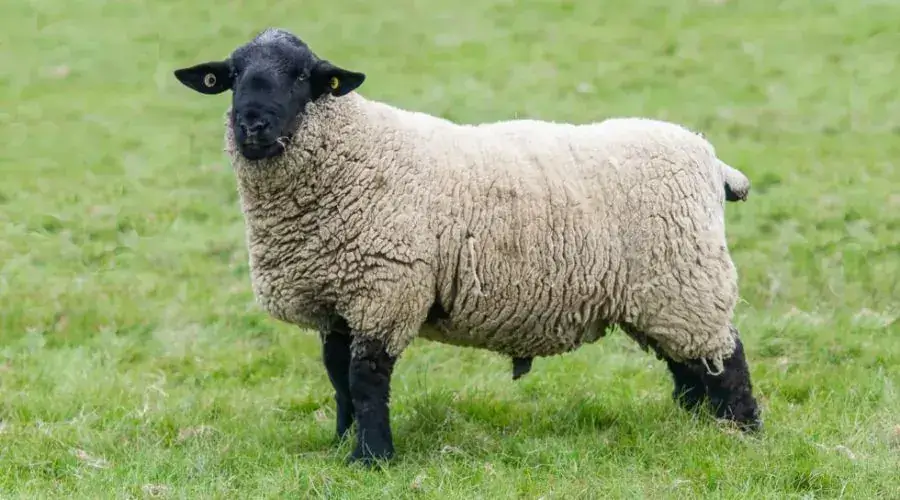
The Suffolk is one of the most iconic and dependable meat-producing sheep breeds, prized globally for its rapid growth rate and exceptional carcass quality. Recognized for its distinctive black face and powerful, muscular build, this British breed consistently delivers top-tier meat yields with remarkable feed efficiency. Whether you’re a commercial producer or a hobby farmer, the Suffolk’s hardiness and productivity make it a standout choice for any meat-focused flock.
📜 History and Origin
This breed traces its roots back to early 19th-century England, developed by crossing Southdown and Norfolk Horn sheep. The resulting breed matured faster and yielded better carcasses. Over time, its popularity spread across the globe — from the UK to the U.S., Australia, and beyond — where it’s now a staple in many meat sheep operations. Today, the Suffolk remains a cornerstone of the sheep industry, often used to improve growth traits in other breeds through crossbreeding.
🧬 Physical Characteristics
These sheep are easily identified by their distinct look and powerful bodies:
- 🖤 Face and Legs: Jet-black, wool-free features
- 💪 Body Type: Sturdy, muscular, and well-proportioned
- 📏 Size: Rams weigh 110–160 kg (240–350 lbs); ewes 70–100 kg (150–220 lbs)
- 🐑 Fleece: White, medium-grade wool yielding 2.5 to 4 kg annually
🌟 Temperament and Behavior
These animals are known for being lively yet calm. Their manageable nature and adaptability make them suitable for both small-scale farms and larger enterprises. Lambs are typically strong at birth and show impressive early growth. Many farmers note that Suffolks are surprisingly intelligent and quick to learn farm routines, which makes handling and management easier over time.
🌄 Ideal Environment
This breed does well in diverse conditions:
- 🌤️ Thrives in temperate and cool climates
- 🌾 Excels on open pasture or under rotational grazing
- 🏠 Basic shelter is needed during heavy rain or snow
🥗 Nutrition and Feeding
To maximize health and productivity:
- 🌿 Provide lush pasture and good-quality hay
- 🌽 Offer grain supplements during pregnancy and nursing
- 🧂 Ensure access to mineral blocks or supplements
- 💧 Maintain fresh, clean water at all times
🩺 Health and Lifespan
These sheep can live 10–12 years with proper care. Essential health practices include:
- 💉 Regular vaccinations, especially for clostridial diseases
- 🦠 Deworming based on seasonal needs
- 🔍 Routine hoof trimming and inspection
- 🧼 Clean, dry housing to avoid infections
🎯 Main Uses
Primarily bred for meat, they also provide moderate-quality wool:
- 🥩 Lamb: Known for its tenderness and rich flavor
- 🧶 Wool: Suitable for outerwear and home textiles
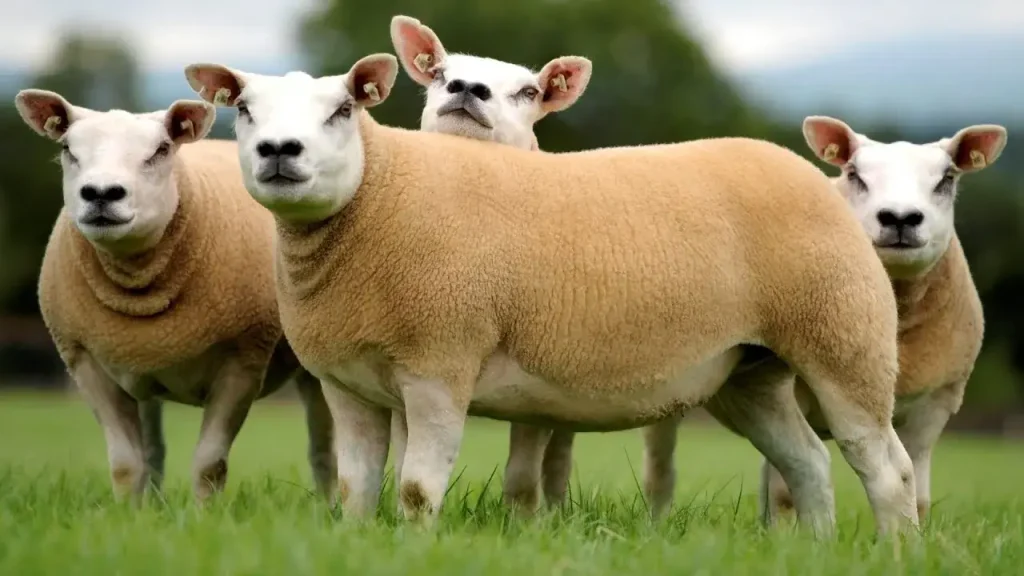
- 👶 Genetics: Commonly used in crossbreeding programs to enhance growth traits, much like the Texel sheep is valued for its muscle development
👑 Economic and Cultural Importance
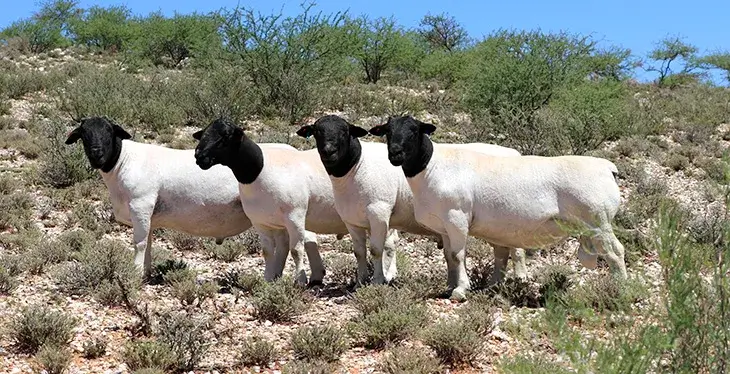
This breed has become a key player in the global sheep meat industry. Thanks to its excellent feed conversion and high-quality carcasses, it’s often the go-to breed for farmers aiming for profitability. At agricultural shows, its powerful frame and bold appearance often win judges over. For those looking at hardy, low-maintenance meat breeds, the Dorper sheep is another excellent option that thrives in warmer climates.
📈 Breeding and Reproduction
With strong fertility and easy lambing, they’re a reliable choice for breeding:
- 👩👧 Ewes commonly give birth to one or two lambs per season
- 👶 Lambs are robust and grow rapidly
- 🍼 Mothers are attentive and produce enough milk to support growth
🎉 Fun Facts
- 🏆 Frequently featured in national livestock competitions
- 🌍 Raised across multiple continents for their meat production
- ⚡ Lambs can hit market weight in 100–120 days
- 🧠 Surprisingly quick learners — they adapt well to farm routines
❓ Frequently Asked Questions
Q1: What makes this breed ideal for meat production?
A: Their muscular build, fast growth, and efficient feed usage make them excellent for high-yield meat farming.
Q2: Can they be used for wool?
A: Yes, though their wool is secondary. It’s medium in quality and best used for durable fabrics like blankets or jackets. If you’re after premium fleece, the Merino sheep is the gold standard for wool production.
Q3: Are they beginner-friendly?
A: Definitely. Their hardy nature, friendly temperament, and good mothering instincts make them great for new farmers.
Q4: What’s their average lifespan?
A: Around 10 to 12 years when properly cared for, though their commercial value peaks much earlier.
Q5: Do they need intensive care?
A: Not really. Standard livestock care, like vaccinations, hoof trimming, and parasite control, is usually enough.
✅ Conclusion – Why Add This Breed to Your Flock?
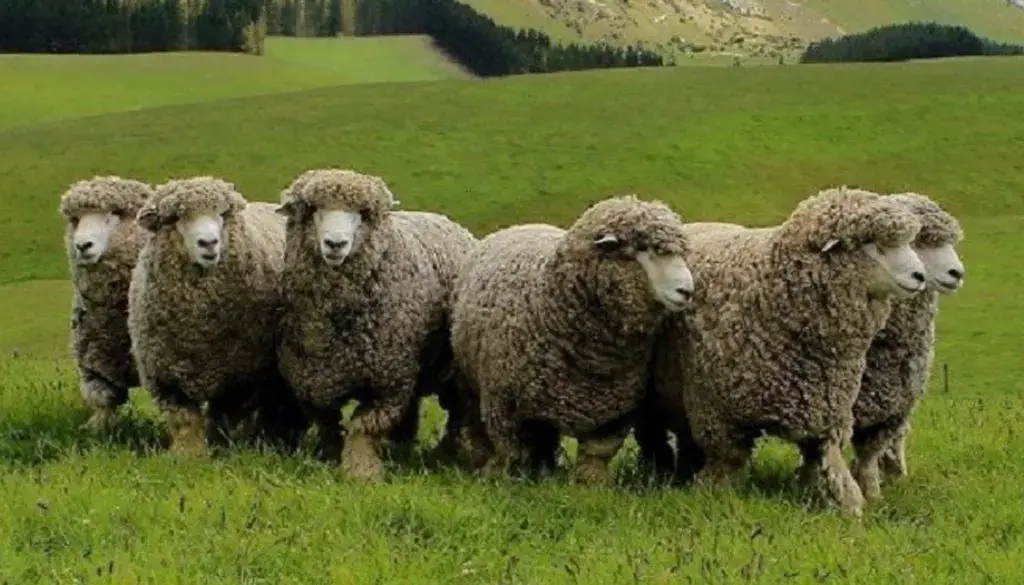
Whether you’re building a small hobby farm or expanding a commercial meat operation, this breed offers strength, reliability, and returns. Its fast growth, hardy constitution, and excellent meat quality make it a favorite across the globe. If you want a meat-focused sheep with minimal fuss and maximum productivity, this breed should be at the top of your list. For those exploring other dual-purpose options, the Corriedale sheep offers a nice balance of wool and meat production. 🐑💼🌱