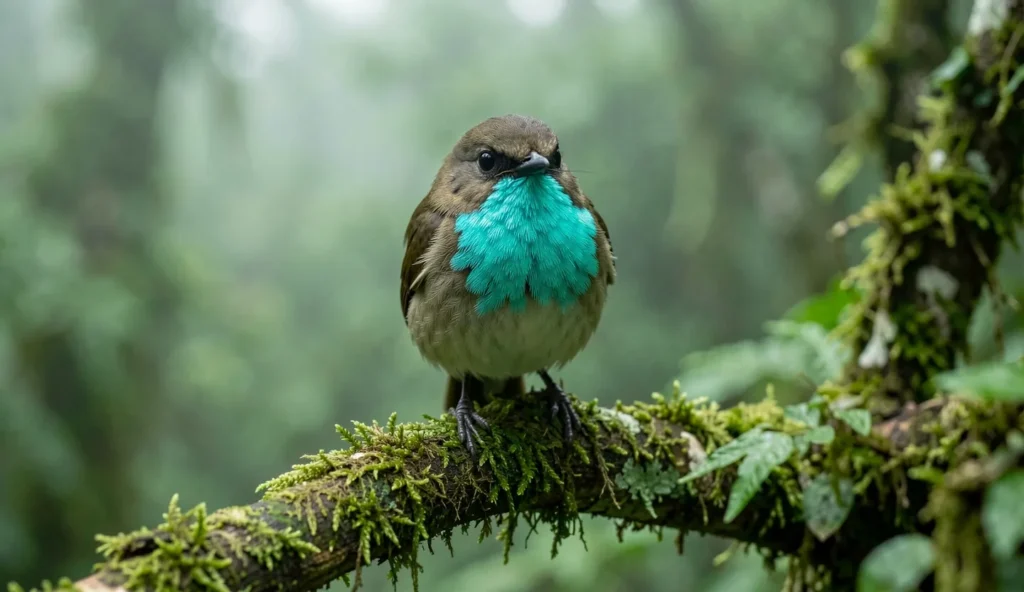
What Is a Turquoise-Throated Puffleg
The Turquoise-throated Puffleg is a hummingbird from Ecuador with a storied history in high-elevation cloud forests. This species, classified in the genus Eriocnemis, is known for its turquoise throat and diminutive puffleg body, traits that have drawn the attention of ornithologists for decades, alongside regional relatives such as the Lucifer Hummingbird.
Taxonomy and Historical Context
- Genus Eriocnemis placement and puffleg characteristics
- Historic records and type specimens for Turquoise-throated Puffleg
- Scientific importance of the name Godini
Why This Species Matters to Researchers
Rarity drives conservation interest and field study relevance. Historic observations help guide current surveys and checklist work; for example, comparing Turquoise-throated Puffleg with the Plain-capped Starthroat reveals patterns in habitat use.
Appearance and Physical Features
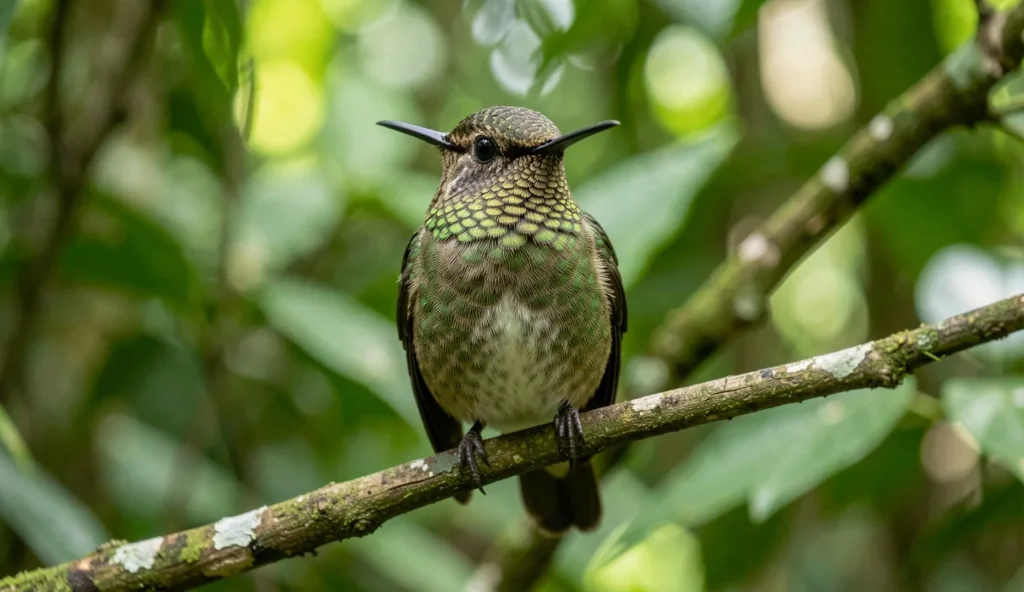
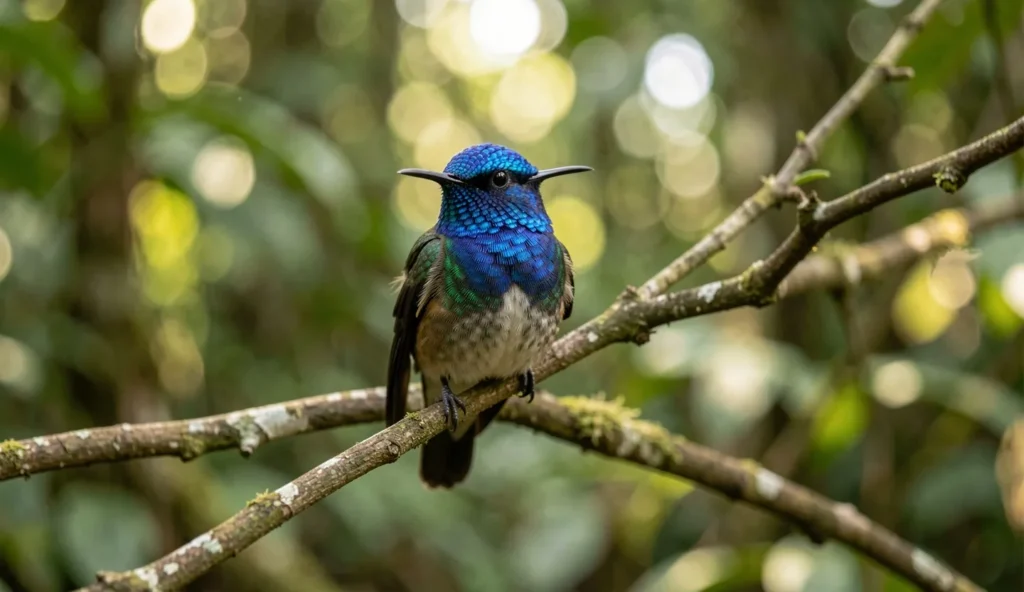
The Turquoise-throated Puffleg displays a small, compact body typical of pufflegs, with iridescent turquoise throat feathers that glow in dappled forest light, a feature not unlike that seen in the Fiery-throated Hummingbird. This pattern makes the bird stand out during brief surfacing bouts in shaded canopies.
Plumage Color and Size
- Iridescent turquoise throat feathers as a key identifier
- Small body size typical of pufflegs
Sexual Dimorphism and Variability
Only a few specimens exist, limiting confirmed differences between sexes. Any reproductive or plumage variation remains speculative until more data are found.
Habitat and Range in Ecuador
Historically, the Turquoise-throated Puffleg was limited to select montane forest regions of Ecuador and is known only from historic specimens and scattered reports. The exact range remains uncertain due to the scarcity of confirmed sightings.
Historical Range
- Endemic to high-elevation montane forests in Ecuador
- Presence inferred from historic specimens and reports
Elevation and Environment
- Associated with high elevation cloud forests or páramo zones
- Habitat loss and fragmentation are major concerns
Behavior and Diet
Flight and Foraging: The puffleg likely exhibits rapid, agile hovering while visiting nectar sources, supported by small arthropods in the diet. Similar flight strategies are observed in the Sword-billed Hummingbird.
Flight and Foraging
- Rapid, agile hover during nectar feeding
- Depends on nectar sources and small arthropods
Breeding and Seasonality
Breeding data are scarce due to limited sightings, and any reproductive information remains speculative.
Conservation Status and Threats
Rarity and Evidence: Very few records exist since historic specimens, leading some experts to consider the Turquoise-throated Puffleg possibly extinct.
Protection and Research Efforts
Protected areas exist in Ecuador, yet targeted surveys are essential; noninvasive methods are required for ethical study, and collaborations with local communities can aid detection efforts, with approaches paralleling work on the Cuban Emerald.
Final Note
The Turquoise-throated Puffleg remains a key symbol of Ecuador’s high-elevation biodiversity and the fragility of extremely rare hummingbirds. Careful study and habitat protection are essential to understanding whether this bird persists in the wild.
Frequently Asked Questions
What is the Turquoise-throated Puffleg and why is it so rare?
It is a hummingbird species known from Ecuador with very limited records and historic specimens, making it extraordinarily rare.
Where in Ecuador was the Turquoise-throated Puffleg last recorded?
Historical specimens suggest montane forest habitats in specific high elevation zones within Ecuador.
What factors threaten the Turquoise-throated Puffleg’s survival?
Habitat loss, climate change, and the paucity of sightings contribute to its precarious status.
Is there any chance the Turquoise-throated Puffleg still exists in the wild?
There is uncertainty due to lack of recent verifiable sightings, but surveys and careful fieldwork are essential to confirm status.