What Is A Fiery-Throated Hummingbird
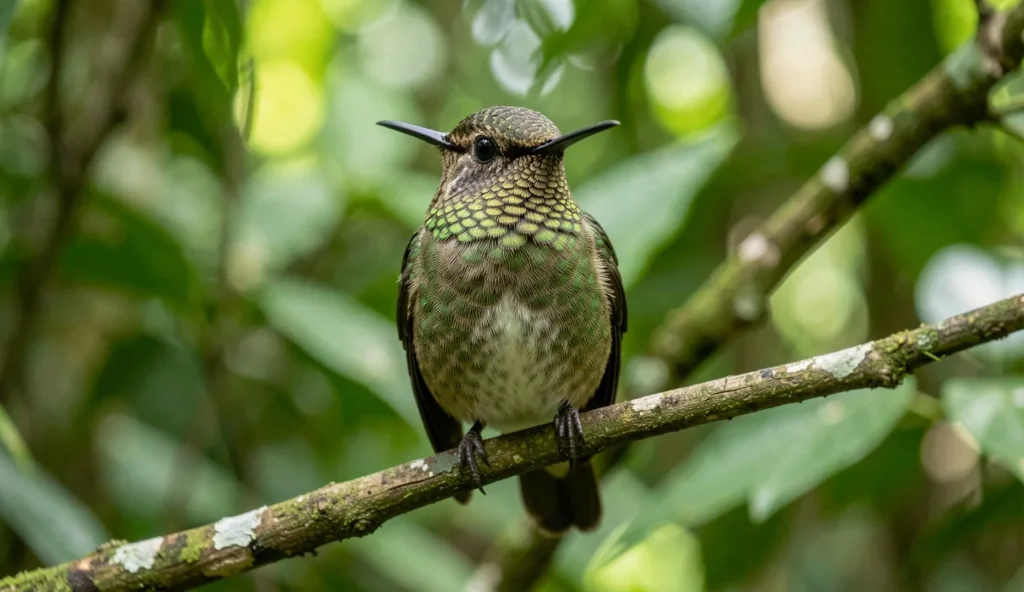
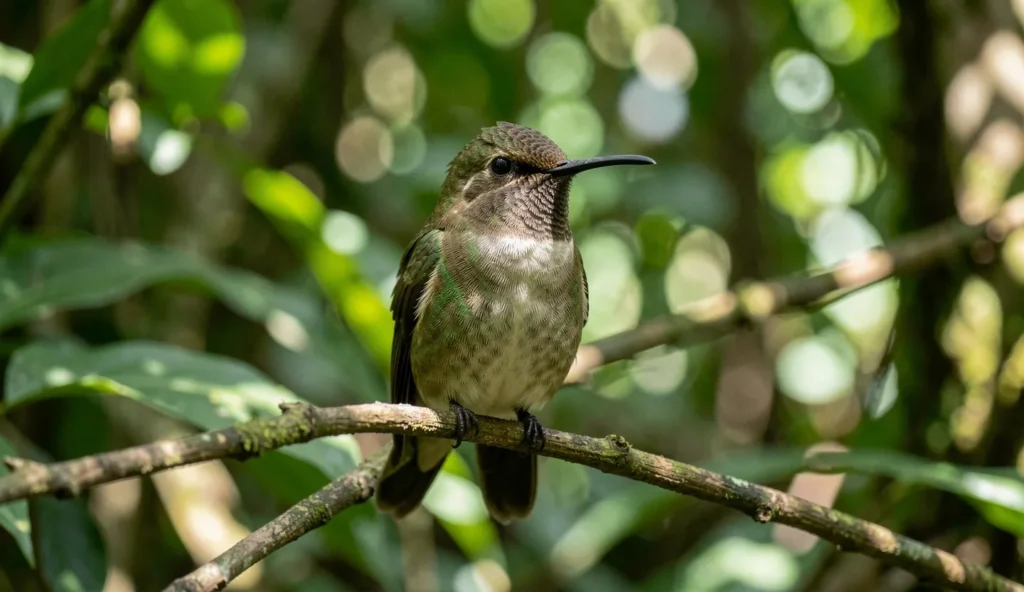
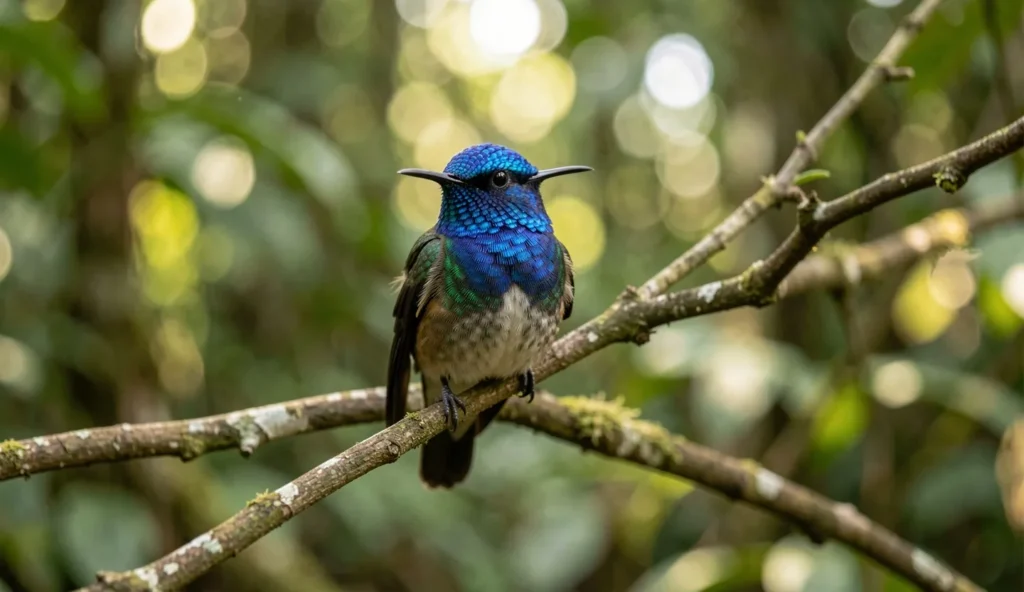
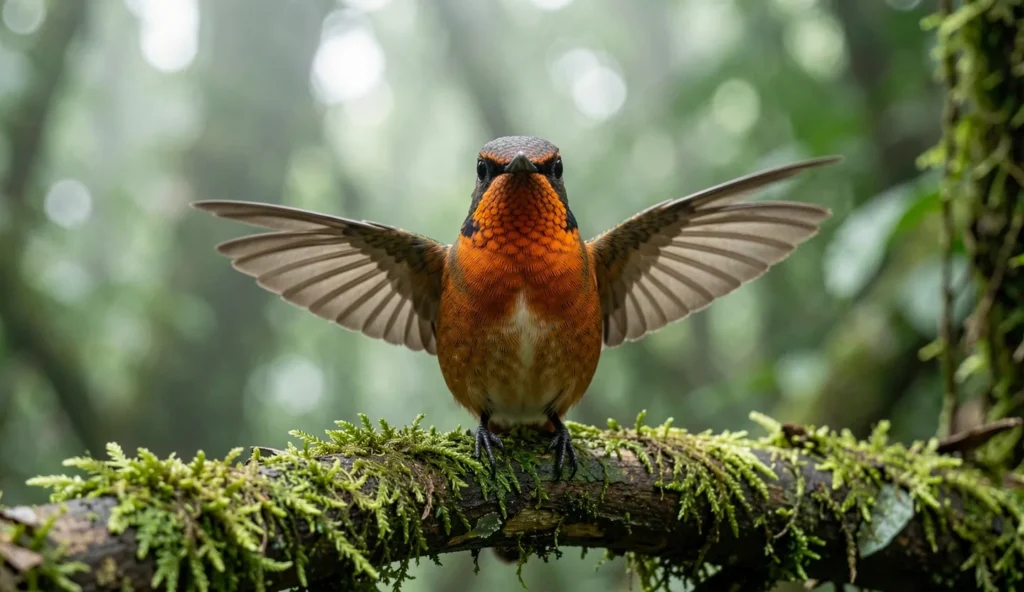
Fiery-throated Hummingbird, scientifically Panterpe insignis, is a small nectar feeder in the Trochilidae family native to Central American cloud forests. The species features a dramatic rainbow gorget and active daytime foraging, making it a favorite among Costa Rica tourists and bird photographers alike.
In the wild, this species is often studied alongside related nectar specialists; for example, the Broad-tailed Hummingbird offers a useful comparison of color and flight patterns. Broad-tailed Hummingbird is frequently cited in field guides as a useful reference point for highland hummingbirds.
Species Overview
- Scientific name Panterpe insignis
- Male displays a rainbow gorget
- Small nectar feeder in the Trochilidae family
- Found in Central American cloud forests
- Active daytime nectar specialist
Common Names And Distinguishing Features
- Also known as rainbow throat hummingbird
- Distinct iridescent gorget visible at close range
- Males show more vibrant coloration than females
- Slender body with swift wingbeat
- For a related species see Costa’s Hummingbird
Distinctive Appearance And The Rainbow Gorget
The Fiery-throated Hummingbird is renowned for its shifting iridescent gorget, which appears as a rainbow when viewed from different angles. This effect is enhanced by the bright emerald back and metallic throat tones that shimmer under natural light.
Gorget Colors In Different Light
- Iridescent gorget shifts with viewing angle
- Gorget displays reds, oranges, greens in sunlight
Observers often compare the gorget to other highland jewels; for instance, the Magnificent Hummingbird is another spectacular example of iridescent color in the region. Magnificent Hummingbird offers a reference point for color range and intensity.
Size And Build
- Body length about 8 to 9 cm
- Slim, high metabolism with rapid wingbeat
Sexual Dimorphism
- Males wear full rainbow gorget
- Females have duller throat coloration
Habitat And Range In Costa Rica And Panama
This species favors moist, cooler environments at high elevations, where cloud forest microhabitats provide abundant nectar sources and insects. Observers in Costa Rica frequently encounter this hummingbird in protected montane zones, often alongside other highland specialists.
Elevation Preferences
- Typically found around 1,800 to 3,000 meters
- Specializes in cloud forest microhabitats
In geographic terms, central and western Costa Rica host the core populations, with Panama’s highlands extending the range into neighboring regions. Costa Rica-specific habitats support a diverse hummingbird community, including Costa’s Hummingbird, which can be observed in similar elevations. Costa’s Hummingbird is a notable companion species for keen observers.
Geographic Distribution
- Concentrated in central and western Costa Rica
- Present in highland regions of Panama
Diet And Feeding Habits
Diet centers on nectar with supplemental protein from small insects. The Fiery-throated Hummingbird capitalizes on flower-rich patches in montane forests, darting between blooms with precision.
Nectar Sources
- Prefers tubular flowers like Heliconia and Fuchsia
- Feeds by hovering at flower corollas
Other highland nectar specialists appear in the same landscapes, such as the Magnificent Hummingbird, which shares similar foraging strategies. Magnificent Hummingbird provides a useful comparison for nectar preference and flight patterns.
Insects And Protein
- Insects provide essential protein
- Catches prey midair or from foliage
Feeding Behavior
- Territorial around flowering patches
- High energy expenditure during peak activity
Observing The Fiery-Throated Hummingbird In The Cloud Forest
Cloud forests offer dramatic backdrops for field observations and photography. Humidity and mist add atmosphere, while keeping equipment ready for rapid action.
Best Times For Observation
- Early morning hours are productive
- Dusk periods can reveal feeding flurries
For comparison and broader context, the Violet-crowned Hummingbird also thrives in highland habitats and provides a useful visual reference in similar lighting. Violet-crowned Hummingbird shows how iridescence can shift with light conditions.
Photography Tips For Hummers
- Use fast shutter speeds 1/2000s or faster
- Slight backlighting enhances gorget iridescence
When composing, keep subjects in natural context and avoid blocking branches; this helps maintain the bird’s natural behavior and minimizes disturbance. For additional species context, see the Ruby-throated Hummingbird when photographing comparable size classes in mixed habitats. Ruby-throated Hummingbird offers a useful comparison for flight tempo and feather sheen.
Ethical Birdwatching
- Maintain respectful distance
- Avoid luring or baiting near nests
Responsible visitors support conservation by using designated trails and staying in guided groups when possible. Browsing the broader region through ecotourism initiatives helps protect fragile montane ecosystems and the birds that rely on them.
Is This Bird Right For You
The Fiery-throated Hummingbird appeals to travelers who relish vibrant color and cloud forest scenery. It also suits photographers who seek dramatic gorget reflections under natural light.
Ideal For Tourists And Photographers
- Excellent subject for nature lovers visiting cloud forests
- Photographers chase vibrant gorget under natural light
In addition, the experience can be complemented by exploring nearby reserves and learning about regional biodiversity through guided tours. For enthusiasts seeking related regional contrasts, the Broad-tailed Hummingbird presents a valuable comparative study. Broad-tailed Hummingbird serves as a practical benchmark for highland species behavior.
Conservation And Ethical Considerations
- Protected in many reserves
- Support ecotourism to minimize impact
Visitors can contribute to local conservation by choosing certified lodges and avoiding disruptive behaviors in sensitive habitats. Additionally, responsible birdwatching helps maintain the integrity of cloud forest ecosystems for future visitors and researchers alike.
Final Note
Guided observation of the Fiery-throated Hummingbird reveals a spectrum of color and dynamic flight in Costa Rica’s highlands. With patience and respectful behavior, photographers can capture the rainbow gorget in natural light.
Frequently Asked Questions
Where is the Fiery-throated Hummingbird found in the wild?
Found in the cloud forests of Costa Rica and Panama at higher elevations.
What does the Fiery-throated Hummingbird look like?
Males display a rainbow gorget with emerald green back; females are more muted.
When is the best time to see the Fiery-throated Hummingbird in Costa Rica?
Early mornings and late afternoons offer the best visibility; timing varies by season.
How big is the Fiery-throated Hummingbird?
Approximately 8 to 9 centimeters in length with rapid wingbeats.