Broad-tailed Hummingbird – The High-Altitude Jewel of the West
Introduction
The Broad-tailed Hummingbird is a vibrant and charismatic bird, often seen fluttering through the mountainous regions of western North America. With its iridescent plumage and distinctive wing hum, this hummingbird brings energy and life to alpine meadows, woodlands, and backyard gardens. Despite its small size, it plays a big role in the ecosystem as a pollinator and a symbol of nature’s resilience. Unlike the Ruby-throated Hummingbird of the eastern United States, the Broad-tailed species thrives at elevations where few other hummingbirds can survive, making it a true high-altitude specialist.
Habitat and Distribution
Broad-tailed Hummingbirds thrive in high-elevation habitats ranging from 5,000 to over 10,000 feet. Their range includes:
- Rocky Mountains
- Aspen forests and pine-oak woodlands
- Flower-rich alpine meadows
- Mountain towns and gardens with native plants
They migrate between Central America and the western United States, following blooming flower trails. Their breeding range overlaps with that of the Magnificent Hummingbird, though the Broad-tailed is more commonly encountered at slightly lower elevations in mixed conifer forests.
Physical Characteristics
Broad-tailed Hummingbirds are known for their striking appearance and unique flight sound:
- Size: 3.5 to 4 inches in length
- Weight: Around 3.5 grams
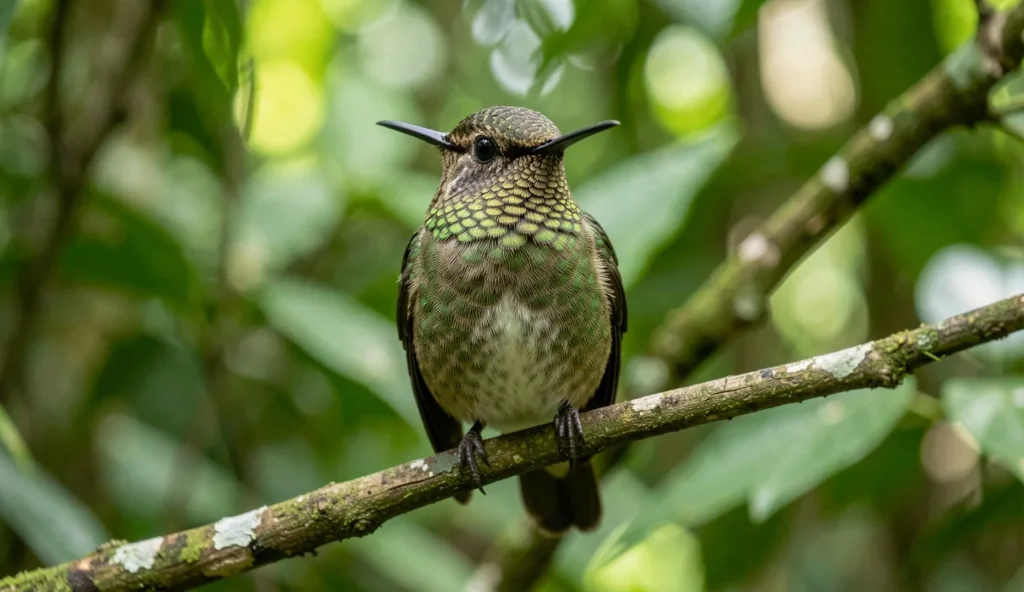
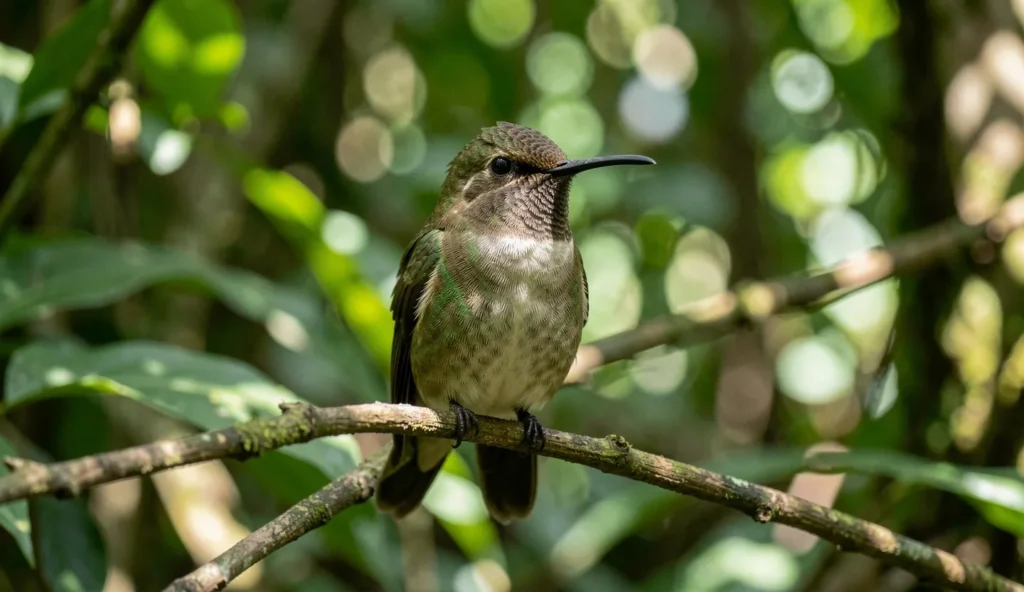
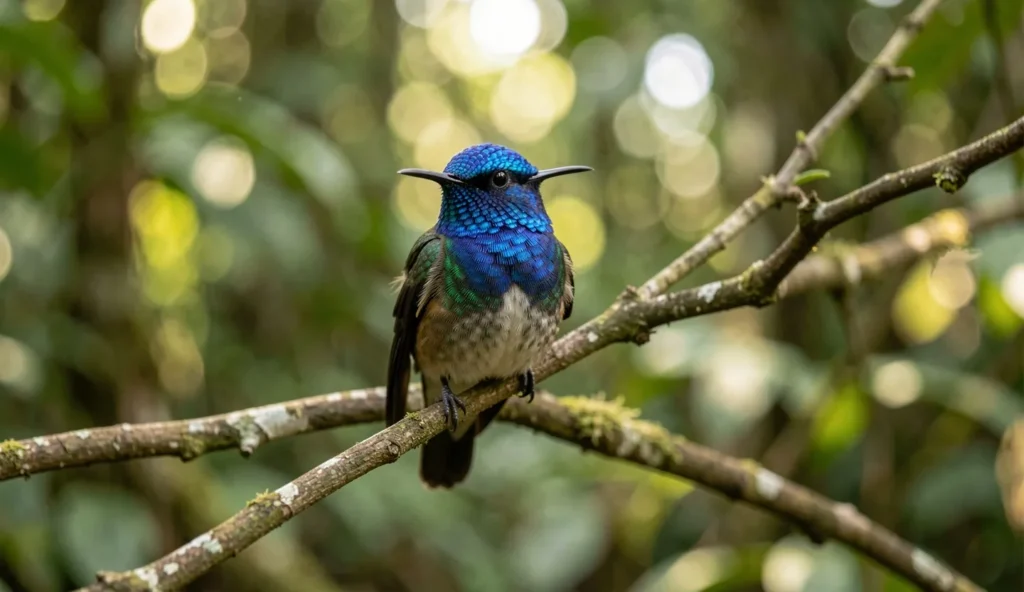
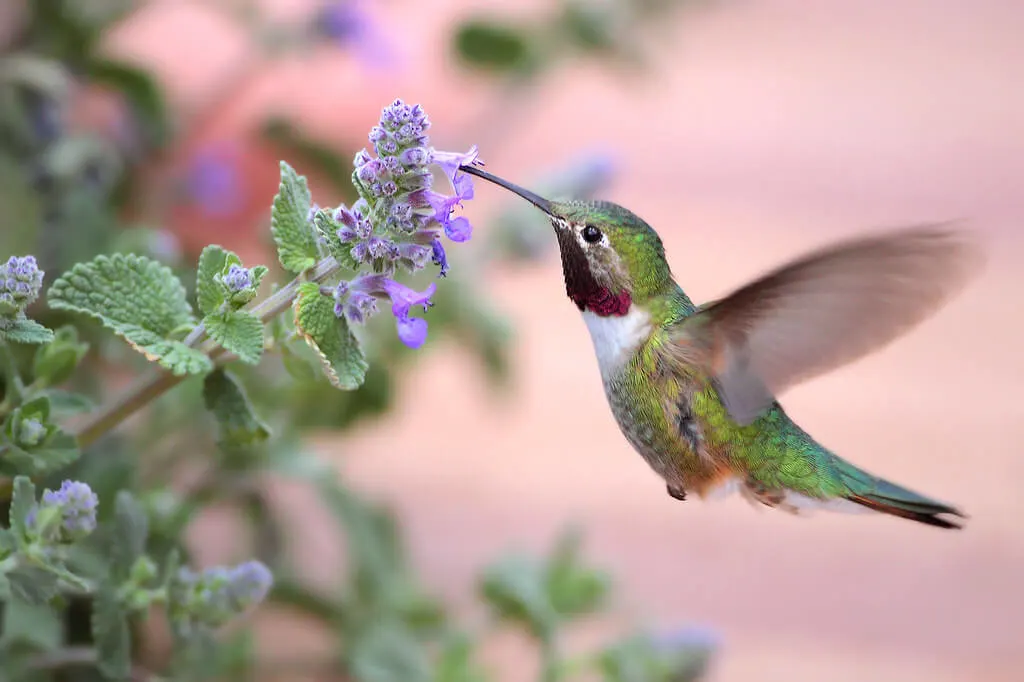
- Male: Bright green back, rosy-magenta throat (gorget), and pale chest
- Female: Green above with speckled throat and buff-colored underparts
The males produce a distinctive metallic trilling sound with their wings, especially during courtship. This wing trill is a key identification feature that sets them apart from similar species like the Black-chinned Hummingbird, which produces a softer, less metallic wing sound.
Diet and Feeding Behavior
These hummingbirds are agile pollinators and consume a rich variety of foods:
- Nectar from wildflowers such as larkspur, paintbrush, and columbine
- Small insects and spiders for protein
- Sugar-water from feeders placed at safe, shaded spots
Their long tongues and hovering abilities help them reach deep into tubular flowers. Unlike the more aggressive Rufous Hummingbird, Broad-tailed Hummingbirds are generally less combative at feeders, though they will still defend a reliable food source when necessary.
Social Behavior and Communication
Broad-tailed Hummingbirds are generally solitary, coming together mainly for mating:
- Males perform aerial dive displays during the breeding season
- Their wing-produced trill is used to attract mates and mark territory
- Both males and females can be territorial around food sources
Despite their solitary nature, they play an essential role in sustaining biodiversity through pollination. Their high-elevation habitat means they are often the primary pollinator for alpine wildflowers that bloom only briefly during the short mountain summer.
Nesting and Breeding
Female Broad-tailed Hummingbirds handle all aspects of nesting and rearing chicks:
- Nests are built in trees or shrubs using plant fibers, spider silk, and lichen
- Usually lays 2 tiny white eggs per clutch
- Chicks are fed insects and regurgitated nectar until they fledge
Nest sites are often reused or built upon year after year. A single female may raise up to two broods per season in areas with a long enough blooming period.
Migration and Seasonal Movement
Broad-tailed Hummingbirds are migratory, traveling long distances annually:
- Winter in southern Mexico and Central America
- Return to breeding grounds in the western U.S. by late spring
- Depart in late summer before temperatures drop
They navigate using environmental cues and an innate sense of direction. Climate change has begun to shift their migration timing, with some birds arriving on breeding grounds earlier than they did just a few decades ago.
Conservation and Challenges
While currently not endangered, Broad-tailed Hummingbirds face several environmental threats:
- Habitat loss due to logging, development, and agriculture
- Climate change is affecting flower bloom timing and migration patterns
- Pesticide use reduces insect availability
You can help by planting native flowers, reducing pesticide use, and supporting conservation efforts. Creating a hummingbird-friendly garden with a mix of early and late-blooming flowers can provide critical food resources throughout their breeding season.
Human Connection
These birds are a favorite among birdwatchers and gardeners:
- Attracted to brightly colored native flowers and feeders
- Popular subjects for nature photographers
- Used in educational programs to highlight pollinator conservation
Creating bird-friendly habitats encourages their presence and supports biodiversity. Many mountain communities now host hummingbird festivals and citizen science programs focused on tracking Broad-tailed Hummingbird populations.
Fun Facts About Broad-tailed Hummingbirds
- Males produce a high-pitched “zing” sound from their wings during flight
- Can enter a state of torpor on cold nights to conserve energy
- Their heart can beat over 1,200 times per minute while flying
- They often return to the same nesting and feeding sites each year
Frequently Asked Questions
Q1: How can I attract Broad-tailed Hummingbirds to my yard?
A: Plant native flowering plants like columbine, penstemon, and bee balm. Use clean, red feeders with sugar-water (no dyes) and avoid pesticides.
Q2: Are Broad-tailed Hummingbirds aggressive?
A: They can be territorial around food sources, especially feeders, but are not aggressive toward humans.
Q3: How do they survive cold mountain nights?
A: They enter a state of torpor, lowering their body temperature and metabolic rate to conserve energy.
Q4: When is the best time to see them?
A: Spring and early summer in the western U.S., especially in higher elevations where wildflowers are in bloom.
Q5: Are they affected by climate change?
A: Yes, shifts in climate can affect flowering schedules and migration timing, which impacts their feeding and breeding success.
Conclusion
The Broad-tailed Hummingbird is more than just a pretty visitor—it’s a vital pollinator and symbol of high-mountain beauty. By supporting native plants, avoiding harmful chemicals, and spreading awareness, we can help ensure that these high-flying wonders continue to brighten forests, gardens, and meadows for generations to come. Whether you are comparing them to the Costa’s Hummingbird of the desert southwest or the Violet-crowned Hummingbird of the borderlands, the Broad-tailed remains one of the most rewarding hummingbirds to observe in its natural mountain habitat.