Violet-crowned Hummingbird – Nature’s Grace in Motion
Introduction
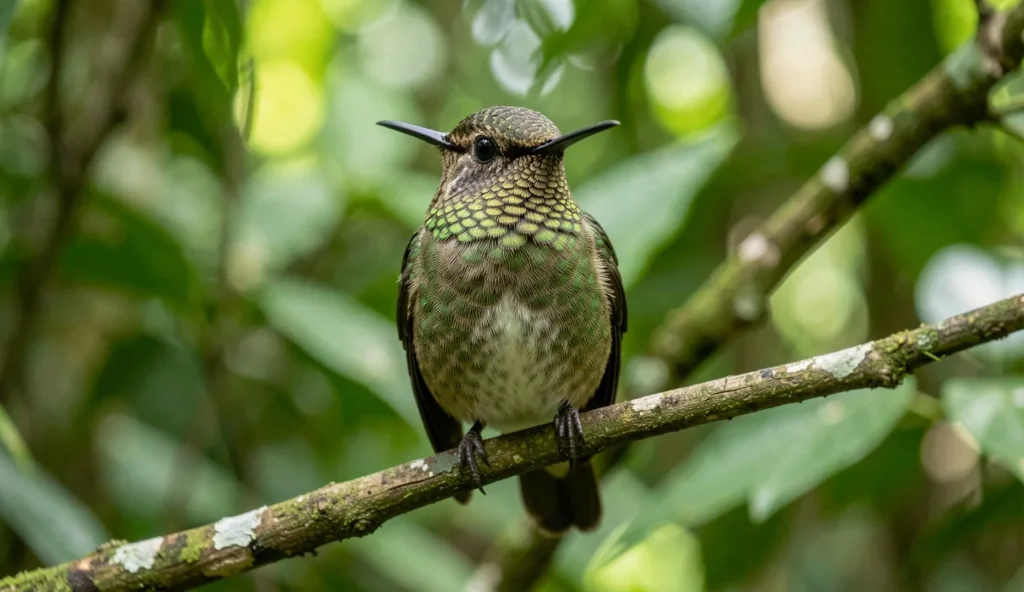
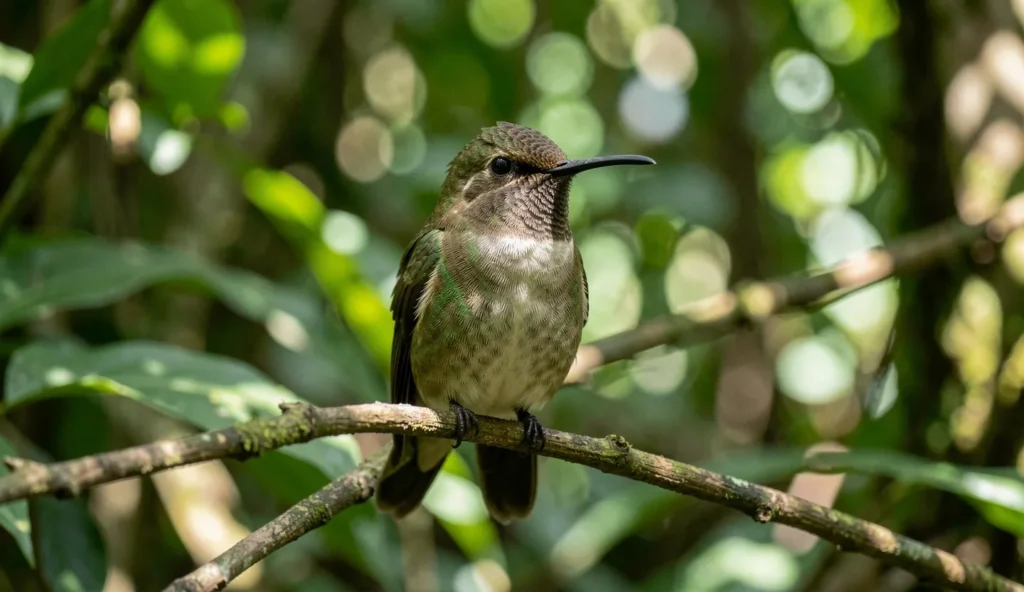
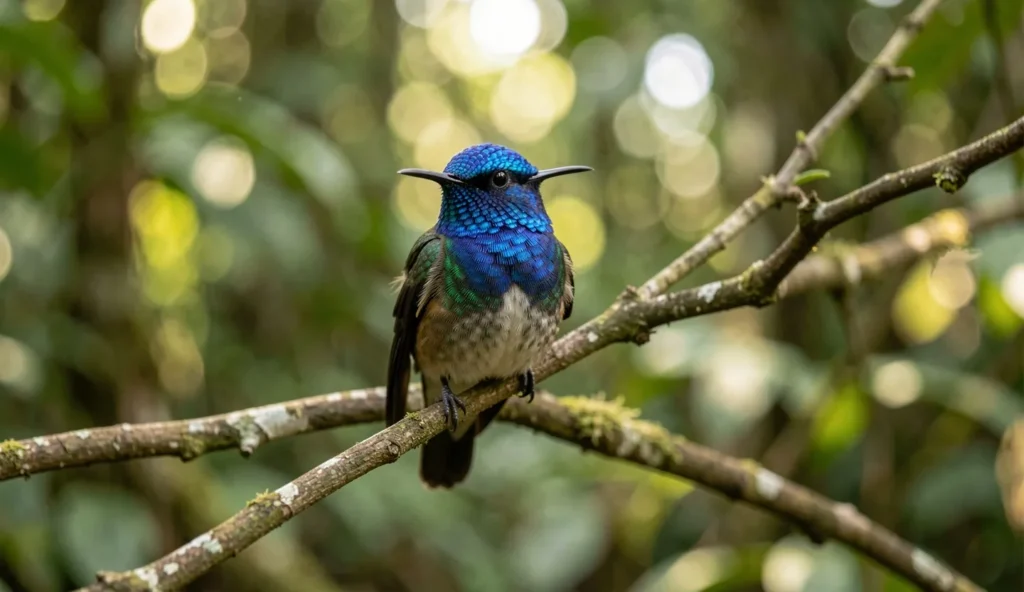
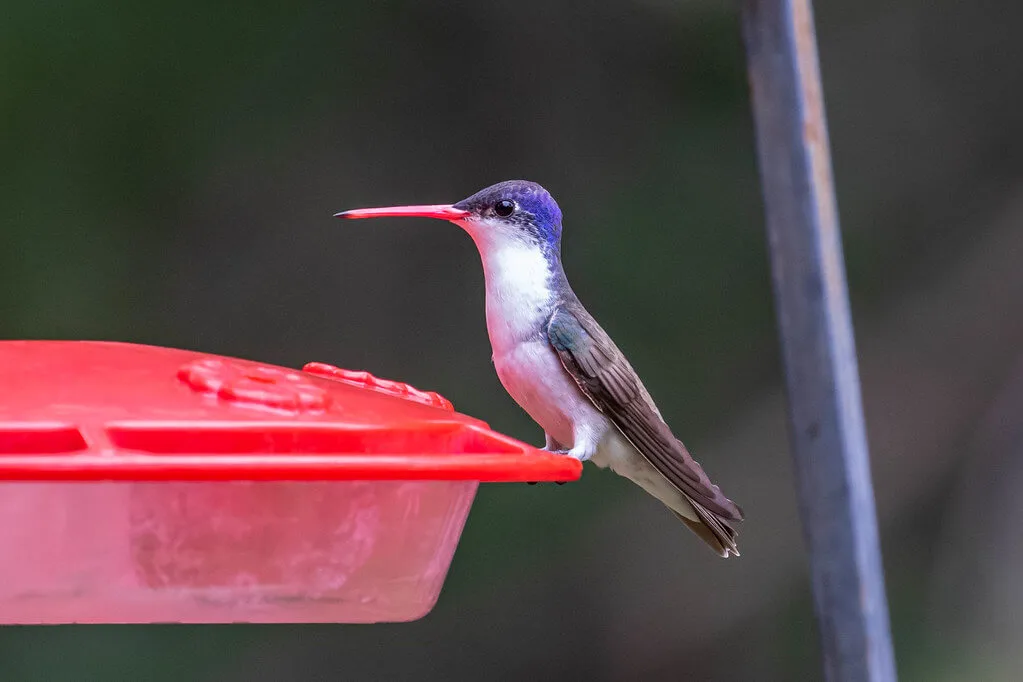
With a shimmering violet-blue crown that catches the light like a precious gem and clean white underparts that set it apart from nearly every other North American hummingbird, the Violet-crowned Hummingbird is one of the most elegant and peaceful species in the southwestern United States and Mexico. Unlike the more aggressive Rufous Hummingbird, this bird is known for its calm demeanor and striking appearance, making it a favorite among birdwatchers and nature enthusiasts alike.
Natural Habitat and Range
These hummingbirds prefer areas near rivers, gardens, and canyons with plenty of flowering plants. You can find them in:
- Mexico (year-round)
- Arizona and New Mexico (mainly in spring and summer)
They are partial migrants, which means some stay in one area all year, while others travel short distances depending on the season. Their range overlaps with that of the Black-chinned Hummingbird, another species that frequents similar riparian habitats in the Southwest.
Physical Features
The Violet-crowned Hummingbird is known for its clean and simple beauty:
- Size: Around 4 inches long
- Weight: 4 to 5 grams
- Color: White chest, green back, and a violet-blue crown
- Beak: Red with a black tip
Unlike many hummingbirds, males and females look quite similar, making identification straightforward even for beginners.
Diet and Feeding
These hummingbirds are important pollinators and have a varied diet:
- Nectar from flowers like agave and desert willow
- Small insects and spiders for protein
- Sugar-water from clean feeders (no red dye)
They feed often throughout the day, using their long tongues to reach deep into flowers. If you want to attract them to your yard, consider planting native species that also draw in the Costa’s Hummingbird, which shares similar feeding preferences.
Behavior and Temperament
Violet-crowned Hummingbirds are calm and less aggressive than many other hummingbird species:
- Usually seen quietly perched or feeding
- Communicate with soft chirps and quick movements
- Often visit gardens with native plants
Their peaceful nature makes them a joy to observe in backyard habitats. This gentle temperament contrasts sharply with the territorial behavior of the Anna’s Hummingbird, which is known for its aggressive defense of feeding territories.
Nesting and Reproduction
Females take the lead in building nests and raising their young:
- Nests are made from plant fibers and spider silk
- Usually lays two tiny white eggs
- Chicks are fed on insects and nectar
Nests are often tucked into branches where they’re protected from wind and predators. The female may reuse the same nesting site in consecutive years if conditions remain favorable.
Migration
These birds migrate only short distances, depending on weather and flower availability:
- Arrive in the U.S. in early spring
- Return to Mexico in late summer
Their movement helps connect ecosystems as they pollinate plants in different areas. Unlike the long-distance traveler Ruby-throated Hummingbird, which crosses the Gulf of Mexico, the Violet-crowned Hummingbird stays relatively close to its year-round range.
Conservation
Violet-crowned Hummingbirds are not endangered, but they do face threats:
- Habitat loss due to construction and drought
- Use of pesticides that reduce insect populations
- Climate change is affecting flower bloom cycles
You can help by planting native flowers, avoiding pesticides, and supporting local conservation efforts. Creating a pollinator-friendly garden benefits not only this species but also other southwestern hummingbirds like the Broad-tailed Hummingbird.
Relationship with People
These hummingbirds are welcome guests in many southwestern gardens:
- Attracted to red, pink, and tubular flowers
- Popular among photographers for their beauty
- Used in education to promote pollinator conservation
Providing a safe space for them supports not only these birds but the larger ecosystem. A practical tip for homeowners: place feeders in shaded areas to keep the sugar-water from spoiling too quickly in the desert heat.
Fun Facts
- The violet crown shines only under the right light angle
- They may return to the same nesting spot every year
- Important pollinators in their natural range
- They don’t sing songs but use flight displays to attract mates
Frequently Asked Questions
Q1: Are Violet-crowned Hummingbirds rare?
A: They’re uncommon in the U.S. but are seen regularly in Arizona and parts of Mexico during spring and summer.
Q2: How can I attract them to my garden?
A: Plant native flowering plants and use feeders with clean sugar-water (1 part sugar to 4 parts water, no dyes).
Q3: Do they migrate?
A: Some do, especially those living near the U.S.–Mexico border. Others stay in Mexico year-round.
Q4: Are they different from other hummingbirds?
A: Yes, they’re quieter and less aggressive, and their white underparts with a violet crown are unique.
Q5: Why are they important?
A: They help pollinate flowers and keep ecosystems healthy, making them essential to nature’s balance.
Conclusion
The Violet-crowned Hummingbird is a peaceful, graceful presence in the wild and our gardens. Its gentle nature, important role in pollination, and striking appearance make it a truly special bird. By creating pollinator-friendly spaces, we help support not just hummingbirds, but the health of our environment for generations to come. Whether you are a seasoned birder or a backyard enthusiast, taking steps to attract this species offers a rewarding glimpse into the delicate beauty of the natural world.