What Is a Sword-Billed Hummingbird
The Sword-billed Hummingbird is a remarkable nectar-foraging bird native to high elevations of the Andes. Its defining feature is a bill longer than its body, a specialization that allows it to reach nectar in flowers others cannot access.
Scientific Name And Quick Facts
- Scientific name is Ensifera ensifera.
- Resides in Andean cloud forests and montane habitats.
- Not commonly kept in captivity.
- Not commonly found in the United States.
Distinctive Traits At A Glance
- Longest bill relative to body size among birds.
- Bill length can exceed the bird’s body length.
- Specialized for accessing deep nectar sources.
Appearance And Bill Adaptations
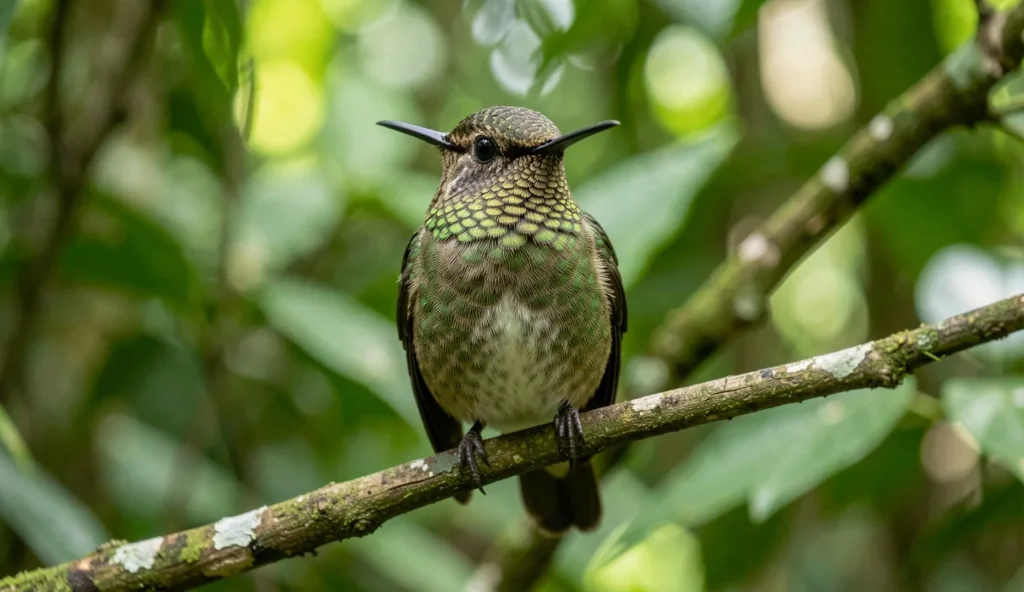
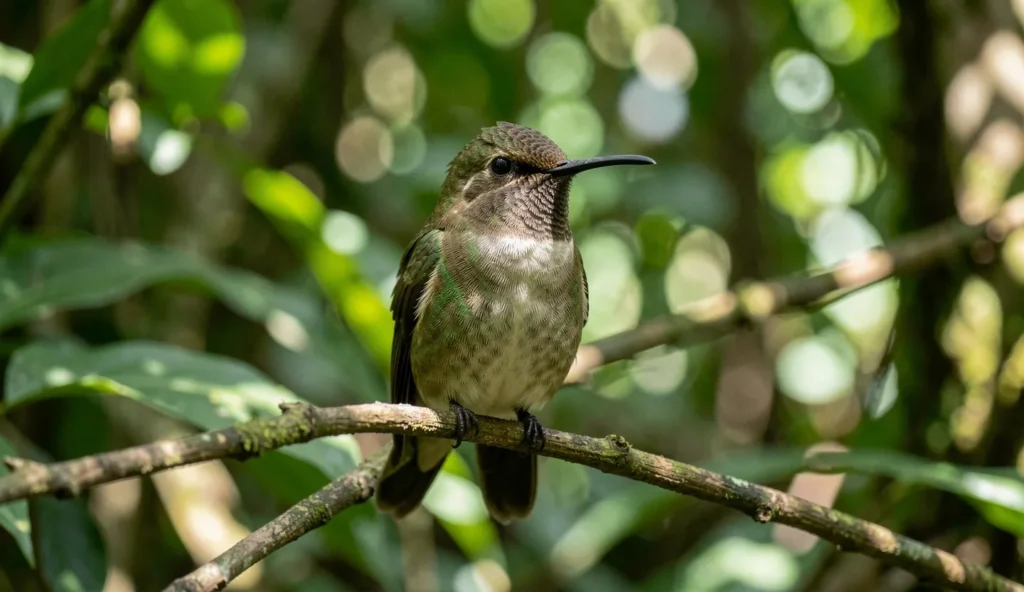
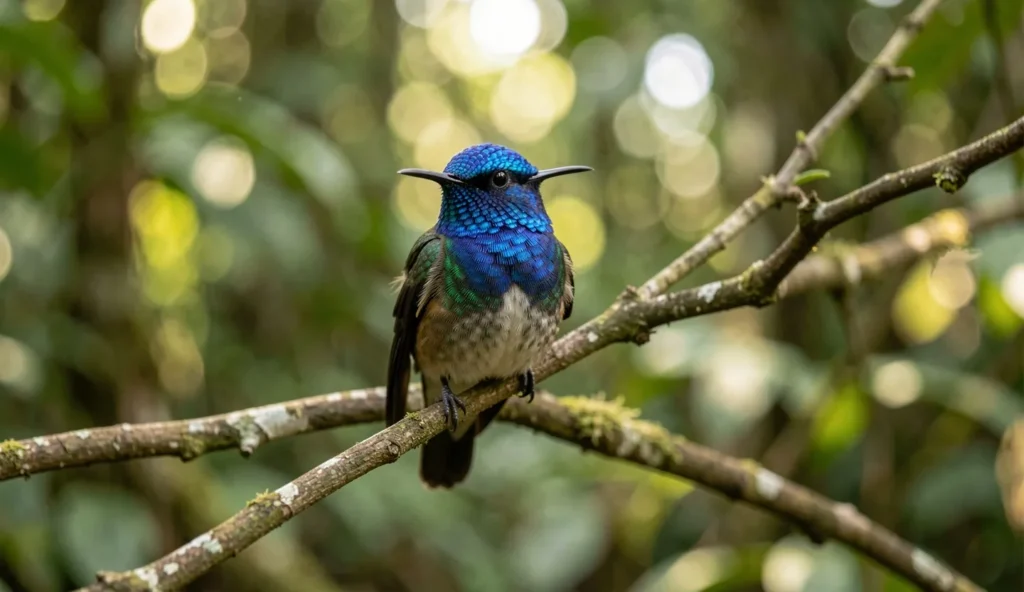
The Sword-billed Hummingbird is a medium-sized bird with an iridescent green back and a streamlined body that supports agile flight. Its long, slender beak is perfectly matched to its nectar foraging style.
Physical Features
The Sword-billed Hummingbird features a bright, iridescent plumage and a compact, efficient shape for rapid hovering. It is a striking member of Andean forests and can be identified by its graceful profile.
Bill Length And Function
- The Sword-billed Hummingbird’s bill length surpasses body length, enabling access to long corollas.
- Bill remains slender and straight for precise nectar extraction.
Habitat And Range In The Andes
The Sword-billed Hummingbird inhabits humid montane forests and cloud forests along the Andean corridor in South America. It can be found across several Andean countries and shares habitat with a number of nectar-feeding relatives such as the Broad-tailed Hummingbird.
Elevation preferences place it typically between 2,000 and 4,000 meters above sea level, where flowers abound in misty environments. In the Andes, Sword-billed Hummingbird habitats host a suite of nectar sources that shape their daily movements.
Diet And Foraging Specializations
Nectar Sources And Floral Adaptations
The Sword-billed Hummingbird relies on long-tubed flowers with deep corollas, which match its bill length. This specialization supports efficient nectar access and pollination of select Andean plants.
- Feeds on long-tubed flowers that match bill length.
- Nectar provides primary energy and supports pollination of specialized plants.
Foraging Behavior And Pollination Roles
Hover feeding allows precise nectar collection during mid-air checks of flower clusters. Through this behavior, the Sword-billed Hummingbird contributes to the reproduction of high-elevation plant species.
Is This Bird Right For You
Who Might Be Interested
Ideal for field naturalists and serious birdwatchers, especially those focusing on Andean life and nectar-foraging strategies. This topic also appeals to researchers studying coevolution with flowers, including enthusiasts of the Magnificent Hummingbird.
Conservation And Ethical Considerations
Not suitable as a pet; observed in wild habitats only. Observe in protected areas to minimize disturbance and support conservation, a viewpoint echoed by specialists studying the Costa’s Hummingbird and other wild nectar feeders.
Final Note
Final Thoughts
For researchers and travelers, the Sword-billed Hummingbird offers a compelling glimpse into high-elevation adaptation and plant-pollinator relationships. Its striking bill is a reminder of how specialized niches shape evolution in South America.
Frequently Asked Questions
What makes the Sword-billed Hummingbird unique among birds?
It has the longest bill relative to body size among birds, enabling access to deep flowers.
In which part of the Andes can this hummingbird be found?
It occurs in humid montane and cloud forests across parts of the Andean region in South America.
Why is the bill so long for this species?
The elongated bill allows nectar feeding from long-tubed blossoms that other hummingbirds cannot reach.
Can the Sword-billed Hummingbird be kept as a pet in captivity?
No, it is wild and best observed in natural habitats with ethical wildlife viewing.