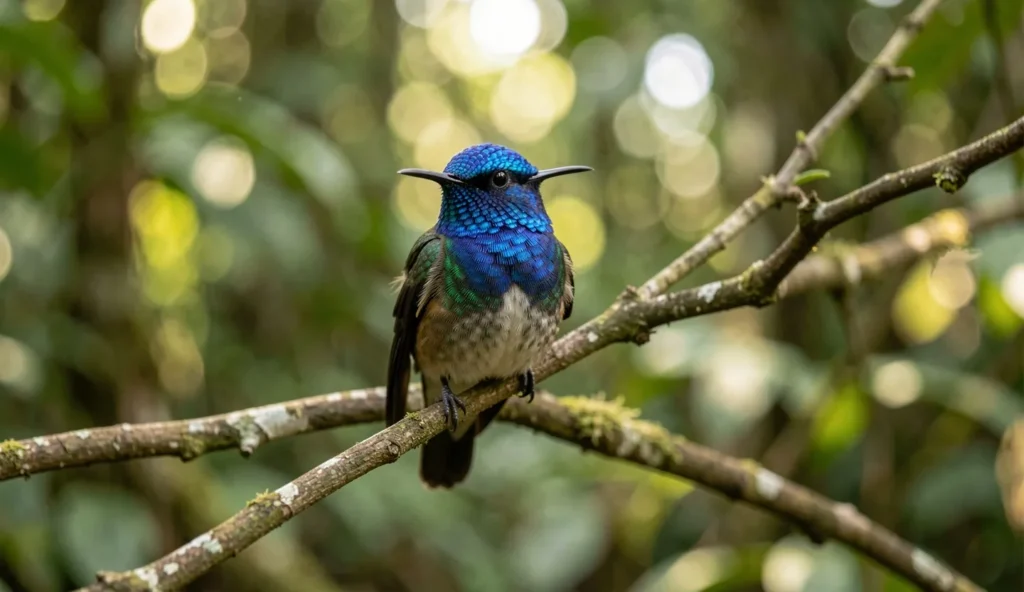
What Is a Giant Hummingbird
Scientific name and classification
The Giant Hummingbird, Patagona gigas, is the largest hummingbird species and belongs to the family Trochilidae. This high-altitude species is notable for its size among relatives and its adaptations to cool Andean environments.
Patagona gigas’ distinct stature makes it a frequent subject of study for world bird record enthusiasts and researchers alike. In size comparisons, it often serves as a benchmark when discussing large hummingbirds such as the Magnificent Hummingbird.
Size overview
Length reaches up to about 23 cm, roughly 9 inches, giving the bird a robust profile that resembles a swift in shape rather than a typical small hummingbird. This notable size places it firmly in the spotlight as the largest hummingbird by physical dimensions.
Appearance and Physical Features
Size and plumage
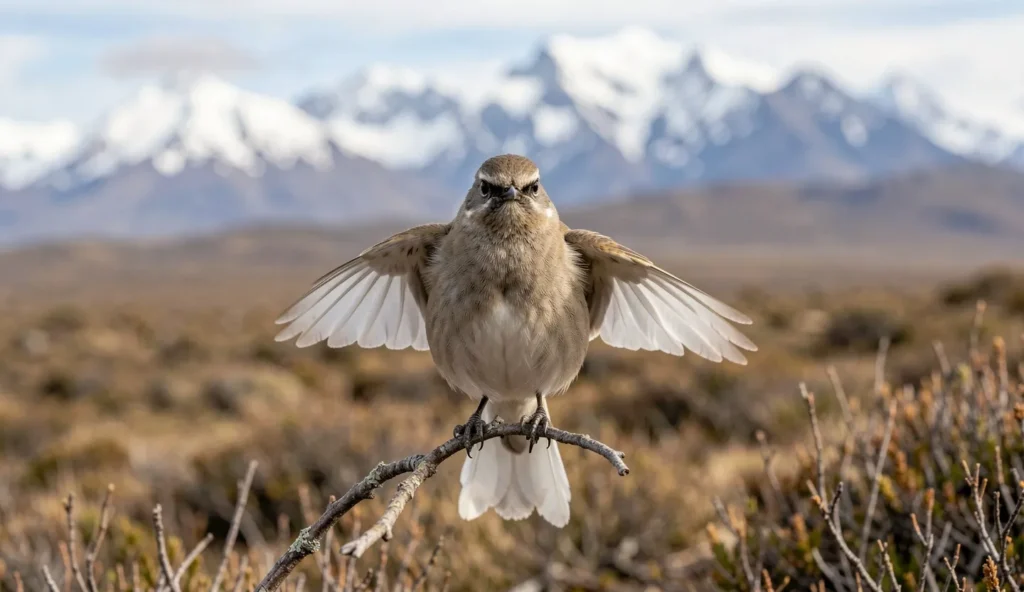
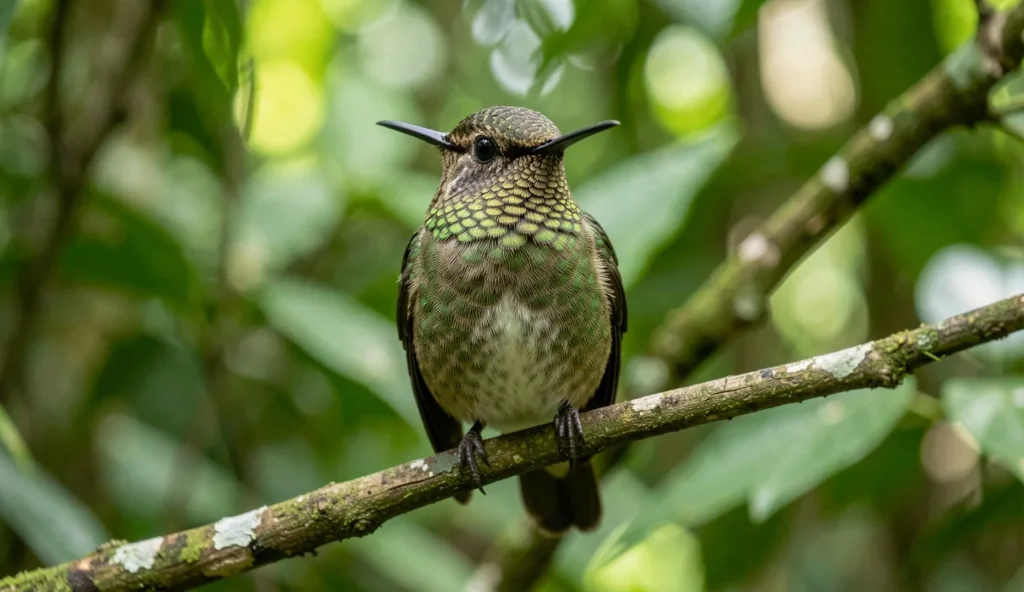
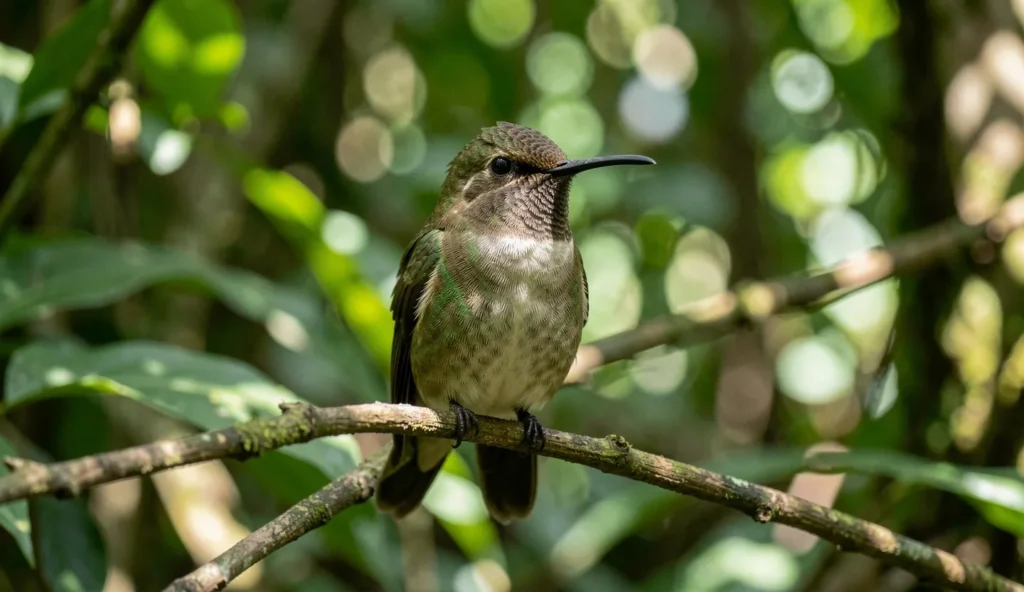
The Giant Hummingbird is large for a hummingbird, with a solid build and strong necks features. Plumage tends to green upperparts with lighter underparts that reduce glare in bright highland light.
Beak and bill characteristics
The beak is long and slender, well suited to nectar feeding from tall flowers. Bill length correlates with the preferred plant species found at high elevations.
Habitat and Range in the Andes
Geographic distribution
The Giant Hummingbird is found along the Andean region from Colombia to Chile and Argentina. It favors habitats such as cloud forests and puna high in the mountains. This distribution includes areas where researchers also observe other large species like Costa’s Hummingbird for comparison across elevations. Additionally, some field observers compare its range with the high-elevation patterns seen in Broad-tailed Hummingbird to understand nectar timing and migration cues.
Altitude and climate
Typically observed above 2,000 meters, the Giant Hummingbird is adapted to cool, windy high elevation environments. The high-altitude climate influences its nectar timing and foraging patterns, similar to other Andean specialists such as Costa’s Hummingbird and nearby taxa like the Calliope Hummingbird in some microhabitats.
Behavior and Diet
Feeding habits and nectar sources
The primary diet consists of nectar from high altitude flowers, supplemented by small arthropods for protein. This mixed foraging supports its larger energy needs, and field observations often note a preference for sturdy bloom structures found in puna habitats.
Wingbeat and flight style
The wingbeat tends to be slower than smaller hummingbirds, yet the Giant Hummingbird can hover and execute rapid aerial shifts when necessary. Observers comparing species sometimes remark that the slow wingbeat is a hallmark of its size class, a trait noted in contrast with the nimble movements of the Broad-tailed Hummingbird.
Breeding and territorial behavior
Males display during the breeding season to attract mates, while females construct small cup nests in shrubs or vegetation. These nests are often well camouflaged in dense highland growth.
Conservation and Interaction with Humans
Conservation status and threats
Not globally endangered but habitat loss affects local populations. Protected Andean reserves help support long term survival of this emblematic species.
Best times and places to observe
Dawn and late afternoon are peak activity periods, while cloud forest and puna habitats offer reliable viewing spots. When in the field, visitors should minimize disturbance to feeding stations and nesting sites, and consider insights from researchers studying nectar cycles similar to those described for Rufous Hummingbird.
Is Giant Hummingbird Right for You
Who this species appeals to
Bird watchers and scientific researchers often target this species during Andean expeditions. Travelers visiting high elevations will find it a compelling study subject, especially those pursuing world bird record data and high altitude biodiversity.
What to know before observing in the wild
Respect wildlife and avoid feeding wild birds, and prepare for high altitude conditions with variable weather. Adequate gear and acclimatization are essential for a successful encounter, and seasoned observers often compare field notes with published profiles of other large hummingbirds like the Anna’s Hummingbird.
Final Note
The Giant Hummingbird stands as a remarkable example of high altitude adaptation and extreme size in the hummingbird family.
Frequently Asked Questions
What is the scientific name of the giant hummingbird?
Patagona gigas is the scientific name.
Where can the giant hummingbird be found?
In the high Andes from parts of Colombia to Chile and Argentina.
How big is the giant hummingbird?
Length can reach up to about 23 cm (roughly 9 inches).
What does a giant hummingbird eat?
Nectar from high altitude flowers and small arthropods for protein.