Bee Hummingbird – World’s Smallest Bird & Complete Breed Guide
The Bee Hummingbird, Mellisuga helenae, is the world’s smallest bird and is endemic to Cuba. This tiny nectar specialist measures about 2 inches in length and weighs around 2 grams, making it a focal point for world record fans and conservationists.
What Is a Bee Hummingbird
Overview Of Mellisuga helenae
Scientific name Mellisuga helenae.
Commonly known as the Bee Hummingbird.
Endemic to Cuba.
Measures about 2 inches long.
Weighs around 2 grams.
Other tiny hummingbirds, such as the Calliope Hummingbird, illustrate how small hummingbirds can become while foraging.
Conservation Context For The Bee Hummingbird
Endangered status results from habitat loss and fragmentation. Restricted geographic range increases vulnerability. Focus of Cuban and international conservation efforts is to protect critical habitats and promote research.
Appearance And Physical Features
Size And Weight
- Length about 2 inches (5 cm).
- Weight around 2 grams.
Coloration And Plumage
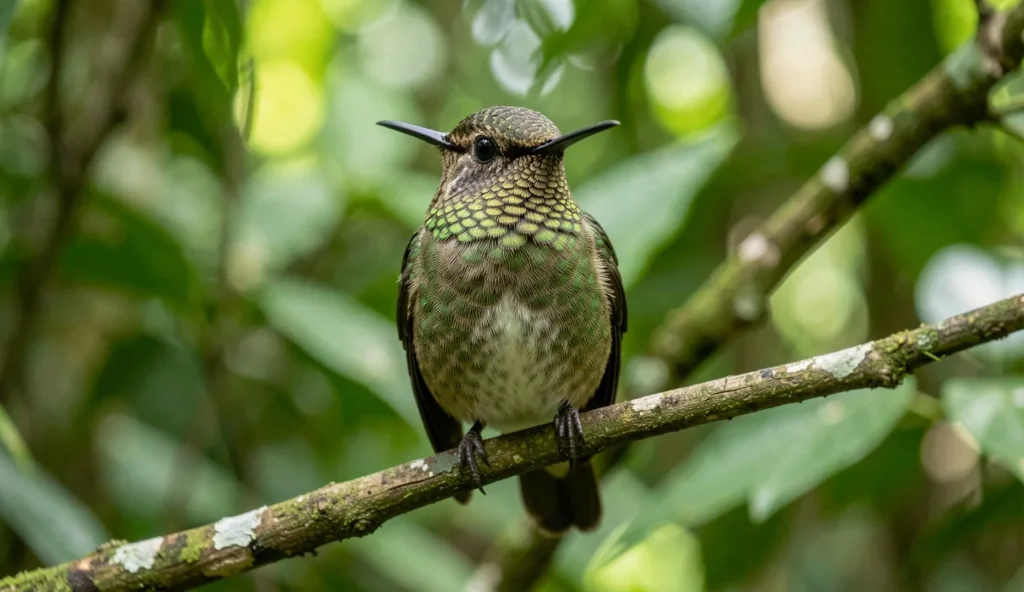
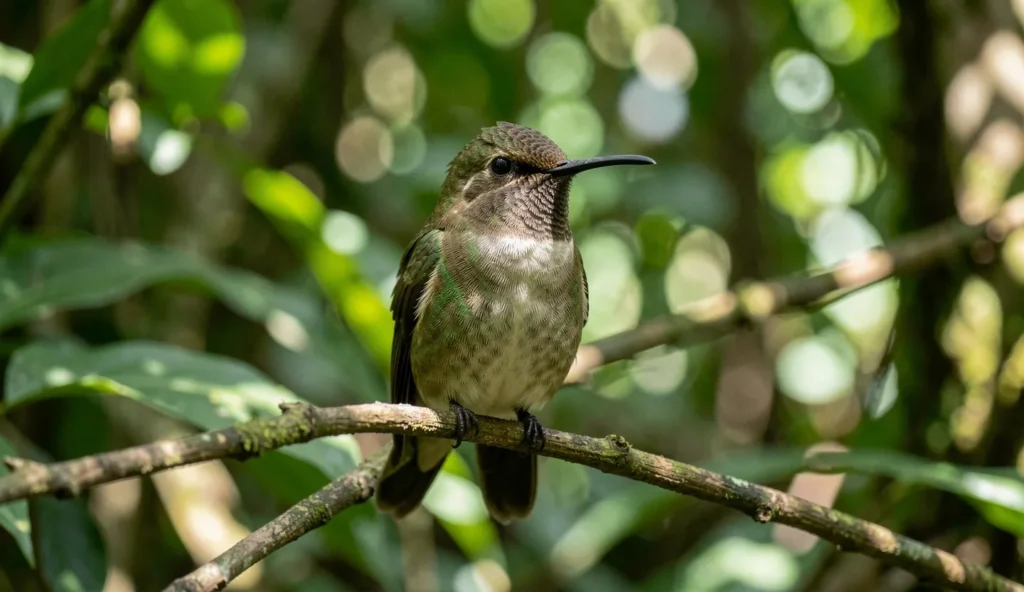
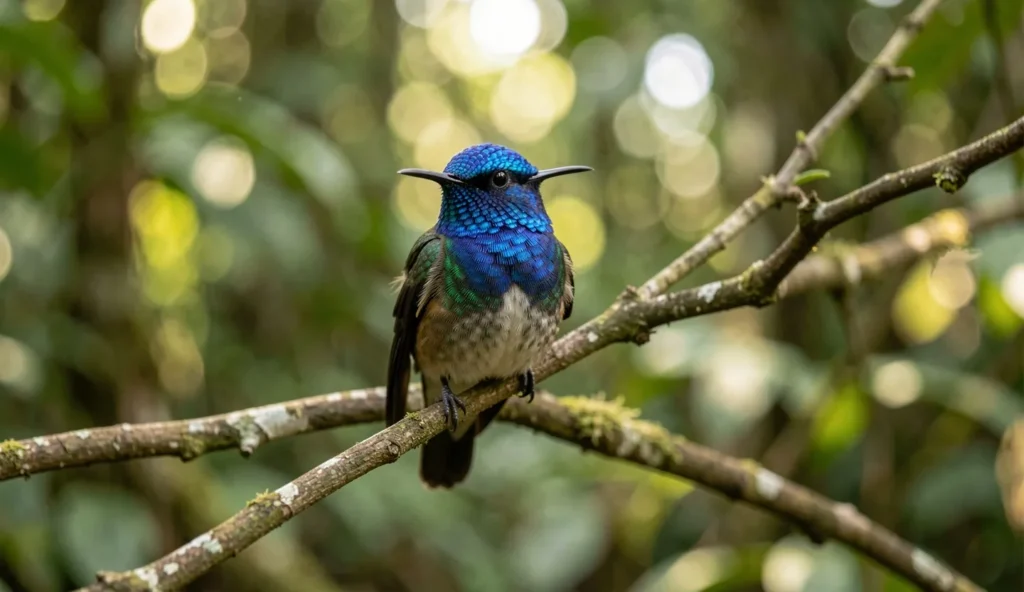
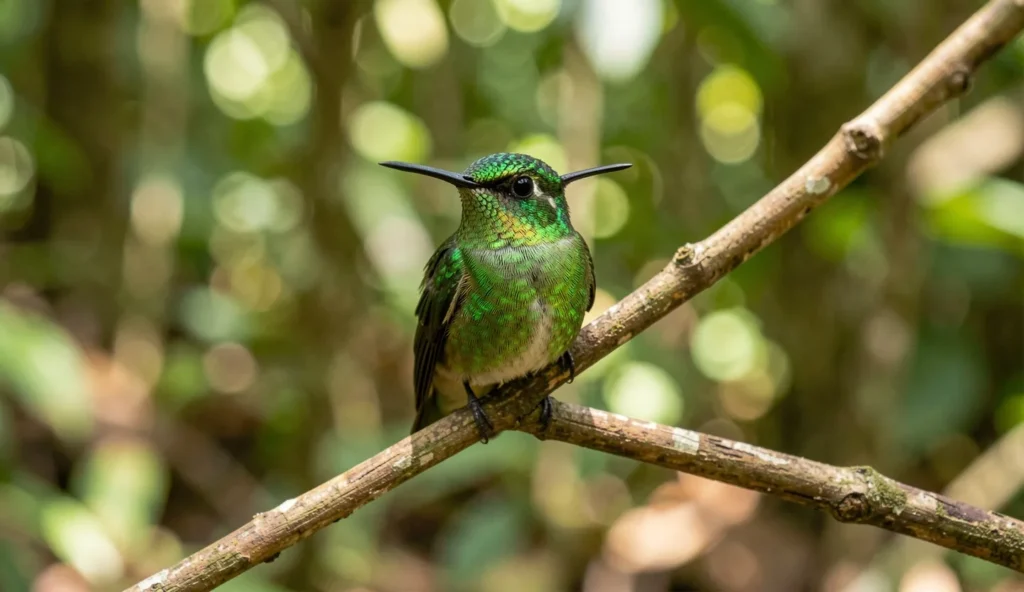
- Iridescent green back and crown.
- Male may display a vibrant gorget.
- Female generally shows duller tones.
Beak And Flight Adaptations
- Long slender beak suited for nectar feeding.
- Remarkable hovering ability during foraging.
In comparisons with other species such as the Costa’s Hummingbird, the Bee Hummingbird remains notably smaller and more specialized in nectar foraging.
Habitat And Conservation Status
Natural Range In Cuba
- Found across forested areas and scrublands in Cuba.
- Prefers dense vegetation near flowering plants.
In Cuba, the Bee Hummingbird relies on flowering plant communities for nectar and insect prey, which supports its high-energy lifestyle.
Conservation Status And Threats
- Officially endangered in many classifications.
- Threats include habitat loss and fragmentation.
Conservation actions mirror those for other tiny island endemics, such as Magnificent Hummingbird, with habitat protection and restoration playing key roles.
Conservation Actions And Research
- Protected reserves support surviving populations.
- Ongoing research informs habitat management.
Research on nectar plant availability and seasonal flowering cycles guides restoration efforts in Cuban habitats, paralleling work with Rufous Hummingbird.
Diet And Foraging
Nectar Sources And Feeding Patterns
- Primary diet consists of nectar from small flowers.
- Visits multiple flowers rapidly for energy.
Efficient nectar feeding is complemented by selective foraging in dense Cuban vegetation to minimize energy loss.
Insects And Protein
- Consumes tiny insects as a protein source.
- Increases foraging efficiency during breeding.
Insect intake supports egg production and chick growth, a pattern shared by many hummingbird species including Rufous Hummingbird.
Hydration And Water Intake
- Obtains moisture mainly from nectar.
- Sips water when available in the habitat.
Hydration is closely tied to nectar availability and microclimate, a factor that conservation efforts consider when mapping Cuban nectar resources.
Is Bee Hummingbird Right For You
Care Considerations For A Rare Species
- Requires large natural space or aviary setups.
- Needs specific nectar plant communities.
- Captivity challenges include diet and space requirements.
For collectors and researchers, acquiring or simulating a Bee Hummingbird habitat demands careful planning and legal compliance, not feasible in ordinary settings.
Captivity And Legalities
- Captivity is often restricted or illegal in many regions.
- Legal compliance and ethical considerations are essential.
Private keeping is rarely supported by wildlife authorities, and conservation priorities favor habitat protection over private keeping, echoing ethics observed with Anna’s Hummingbird.
Ethical And Conservation Focus
- Prioritize habitat protection over private keeping.
- Support Cuban conservation initiatives and research.
Ethical stewardship means funding habitat restoration projects and partnering with local researchers to monitor populations, aligning with global conservation goals for the Bee Hummingbird.
Final Note
Protecting Cuba’s forests safeguards the Bee Hummingbird and its pollination role in native ecosystems. Ongoing conservation efforts, driven by researchers and local communities, help maintain this tiny national treasure.
Frequently Asked Questions
Why is the Bee Hummingbird considered the smallest bird in the world?
It measures about 2 inches in length and weighs roughly 2 grams.
Where is the Bee Hummingbird found in the wild?
It is endemic to Cuba, inhabiting diverse Cuban habitats.
What does the Bee Hummingbird eat in its natural habitat?
Its diet mainly consists of nectar from flowers and small insects.
Is the Bee Hummingbird endangered and why?
Yes, it is endangered due to habitat loss and its limited range.
Can the Bee Hummingbird be kept as a pet or in captivity?
Captivity is generally not suitable and may be illegal; conservation favors habitat protection.
What conservation efforts help protect Mellisuga helenae?
Protected areas, habitat restoration, and research support population stability.