Calliope Hummingbird – The Smallest Bird in North America
Introduction
Weighing less than a penny and measuring just three inches from bill to tail, the Calliope Hummingbird is a tiny, jewel-like bird known for its delicate beauty and impressive long-distance migrations. Despite being the smallest bird in North America, this hummingbird is full of life, energy, and resilience. With its dazzling colors and spirited personality, the Calliope is a remarkable symbol of nature’s intricate design. In fact, this species shares its breeding range with the Broad-tailed Hummingbird, another high-altitude jewel of the western mountains.
Natural Habitat and Range
Calliope Hummingbirds breed in the mountainous regions of the western United States and Canada and migrate to Mexico for the winter.
- Summer: Western mountain meadows and open forests (British Columbia to California)
- Winter: Southwestern Mexico in tropical scrub and pine-oak woodlands
- Can also visit suburban gardens with the right nectar sources
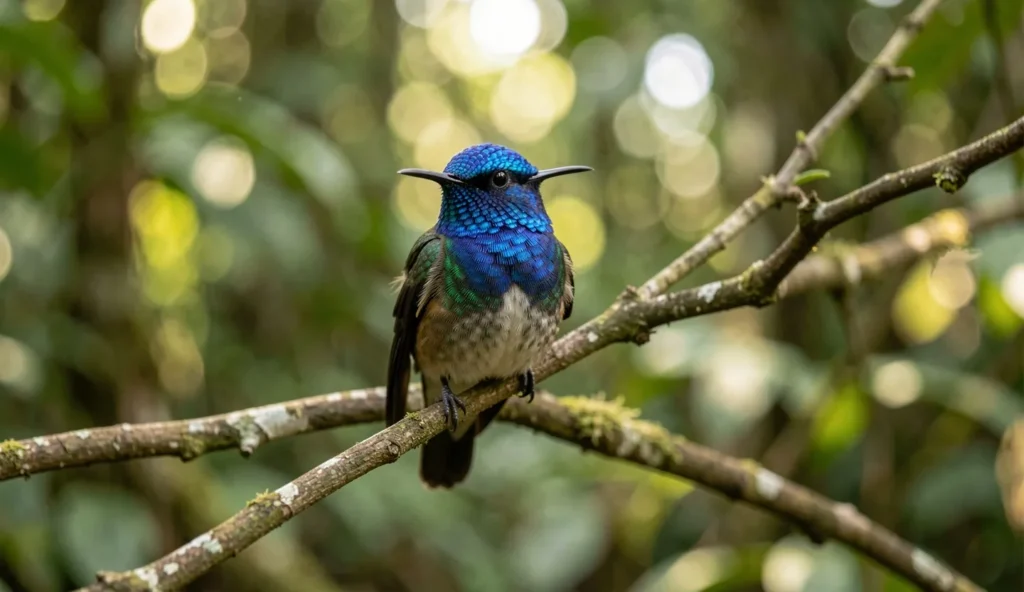
Their ability to adapt across such different landscapes is a true marvel. Bird watchers in the Southwest may also encounter the Violet-crowned Hummingbird, a peaceful species that shares similar habitat preferences in the region.
Physical Appearance
Though tiny, the Calliope is easily recognizable:
- Size: About 3 inches in length
- Weight: Approximately 2.5 grams
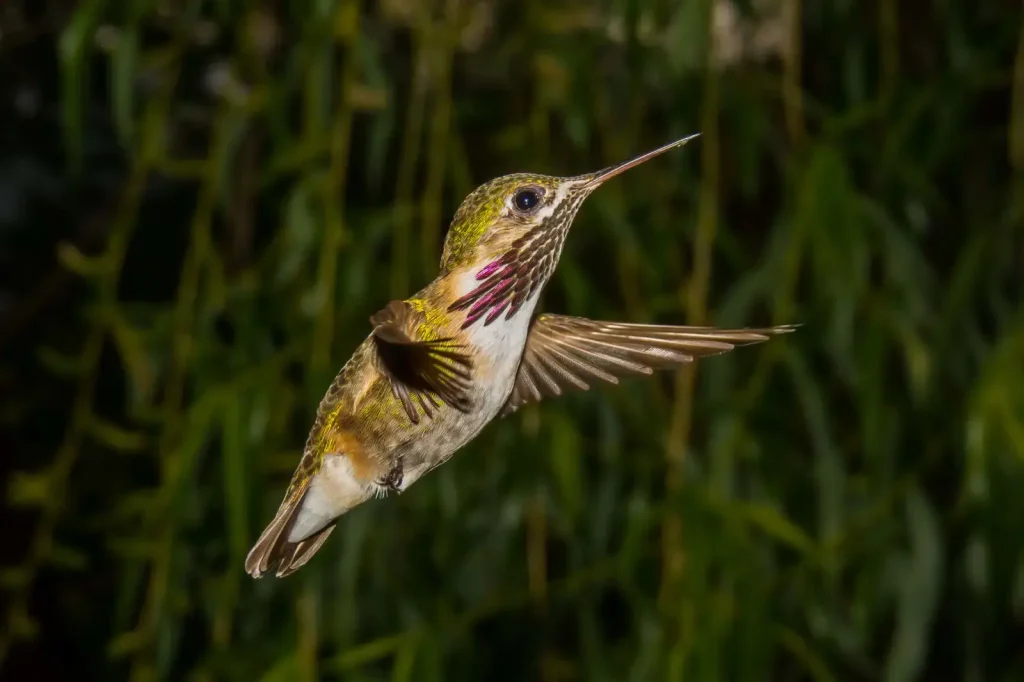
- Male: Vivid magenta streaks on the throat (gorget), green back
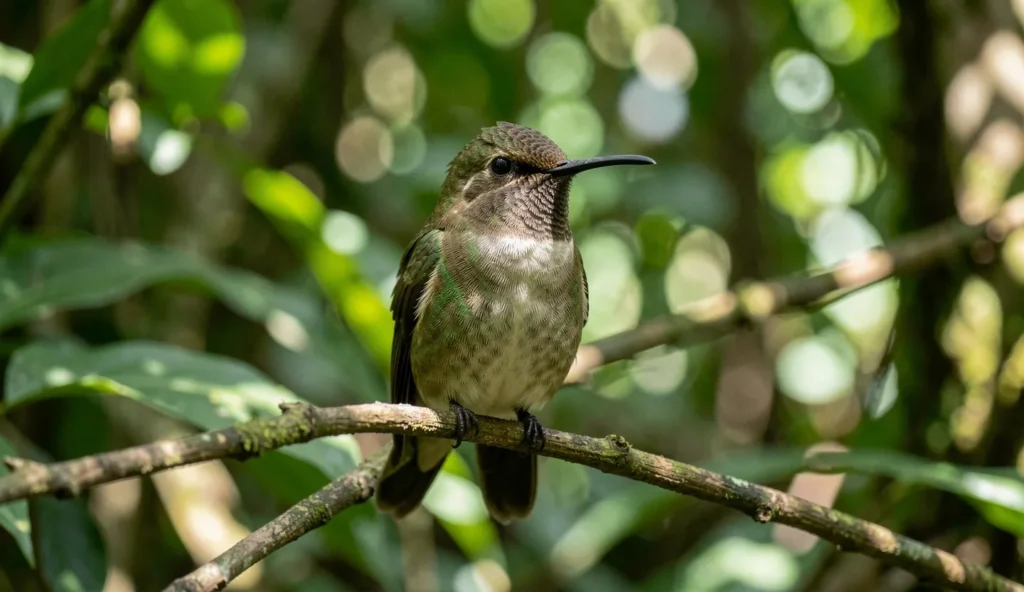
- Female: Pale with subtle markings, greenish back, buffy sides
Their gorget feathers are often flared out like a fan during display, creating a dramatic effect. This display behavior is similar to that of the Rufous Hummingbird, another fiery species known for its bold territorial displays.
Feeding Habits
Calliope Hummingbirds are nectar feeders that also rely on insects for protein:
- Nectar from native wildflowers like columbine, penstemon, and Indian paintbrush
- Small insects such as gnats, aphids, and spiders
- Sugar-water from hummingbird feeders (without dyes)
Their quick, darting movements make them efficient pollinators of many mountain wildflowers. Gardeners who successfully attract Calliopes often find that the same nectar-rich plants also draw in the Black-chinned Hummingbird, a subtle yet graceful visitor to backyard feeders.
Behavior and Personality
Don’t let their size fool you—Calliopes are bold and active birds:
- Males perform elaborate courtship flights, buzzing and diving with flair
- They fiercely defend their feeding territories from larger birds
- Communicate with high-pitched chirps and rapid wingbeats
Their tiny size doesn’t limit their assertive personalities. In fact, they have been observed chasing away birds many times their size, including jays and even larger hummingbird species like the Magnificent Hummingbird.
Nesting and Reproduction
Calliope females are solely responsible for building nests and raising the young:
- Nests are built with plant fibers, moss, and spider silk for flexibility
- Lay 2 tiny white eggs, incubated for about 15–16 days
- Chicks fledge approximately 18–21 days after hatching
These nests are often placed in coniferous trees, well-camouflaged and secure. The female’s dedication to nest building and chick rearing is a common theme among hummingbirds, much like the Ruby-throated Hummingbird, which builds similarly intricate nests in eastern North America.
Migration and Seasonal Movements
One of the most fascinating aspects of Calliope Hummingbirds is their long migration:
- Travel over 5,000 miles round-trip annually
- Use mountain corridors during migration seasons
- Arrive in breeding areas by spring and return to Mexico by fall
They are among the smallest long-distance migrants in the bird world. Their migration route often overlaps with that of the Costa’s Hummingbird, a desert-dwelling species that also undertakes seasonal movements in the Southwest.
Conservation and Challenges
Calliope Hummingbirds are not currently endangered, but they do face environmental pressures:
- Habitat loss due to logging, development, and climate change
- Loss of native flowering plants
- Pesticides reduce insect availability
Conservationists emphasize the importance of pollinator gardens and protected natural areas. Recent studies indicate that climate change is shifting the timing of wildflower blooms, which can disrupt the synchronization between hummingbird migration and nectar availability. Gardeners can help by planting a succession of native flowers that bloom from early spring through late fall.
Connection with People
These hummingbirds delight backyard bird watchers and nature lovers:
- Can be attracted with native flowering plants and clean feeders
- Popular among bird photographers due to their brilliant plumage
- A great species for educating about pollination and bird migration
Ethical observation and conservation support their continued survival. Setting up feeders in early spring before flowers bloom can provide critical energy for arriving migrants after their long journey.
Fun Facts About Calliope Hummingbirds
- Named after Calliope, the Greek muse of eloquence and epic poetry
- Smallest long-distance migratory bird in the world
- Despite their size, they aggressively chase away much larger hummingbirds
- Male’s gorget feathers can be flared into a starburst shape
Frequently Asked Questions
Q1: Are Calliope Hummingbirds rare?
A: No, they are relatively common within their range but can be hard to spot due to their small size and remote breeding locations.
Q2: How can I attract Calliope Hummingbirds to my yard?
A: Plant native flowers and provide sugar-water feeders with perches. Avoid pesticides to ensure insect availability. A practical tip: place feeders in partial shade to keep the nectar from spoiling too quickly in hot weather.
Q3: What flowers do Calliope Hummingbirds prefer?
A: They love tubular flowers like penstemon, honeysuckle, and columbine, which match their feeding style.
Q4: Do both males and females have bright throat feathers?
A: No, only males have the vivid magenta gorget. Females have lighter, more camouflaged coloring.
Q5: Are Calliope Hummingbirds endangered?
A: Not currently, but they rely on healthy ecosystems, so habitat protection remains essential for their future.
Conclusion
The Calliope Hummingbird may be the tiniest bird in North America, but it carries an enormous charm and ecological value. With their vibrant displays, long migrations, and essential role in pollination, Calliopes remind us of the beauty and strength found in even the smallest beings. Supporting native plants and preserving wild spaces ensures these incredible birds continue to brighten our landscapes and inspire hearts for generations to come.