What Is a Lucifer Hummingbird
The Lucifer Hummingbird is a striking nectar specialist found mainly in Mexico with sporadic visits to the southwestern United States. This tiny bird, a member of the genus Calothorax, is one of the rarest hummingbirds in the US, and its bold purple gorget makes it instantly recognizable.
Origin and Classification
- Belongs to genus Calothorax
- Scientific name Calothorax lucifer
- One of the rarer hummingbird species in the US
- Commonly referred to as the Lucifer Hummingbird in field guides
How This Bird Stands Out
- Notable purple gorget on males
- Curved bill suited for specific flowers
- Very limited in US range
Appearance and Physical Features
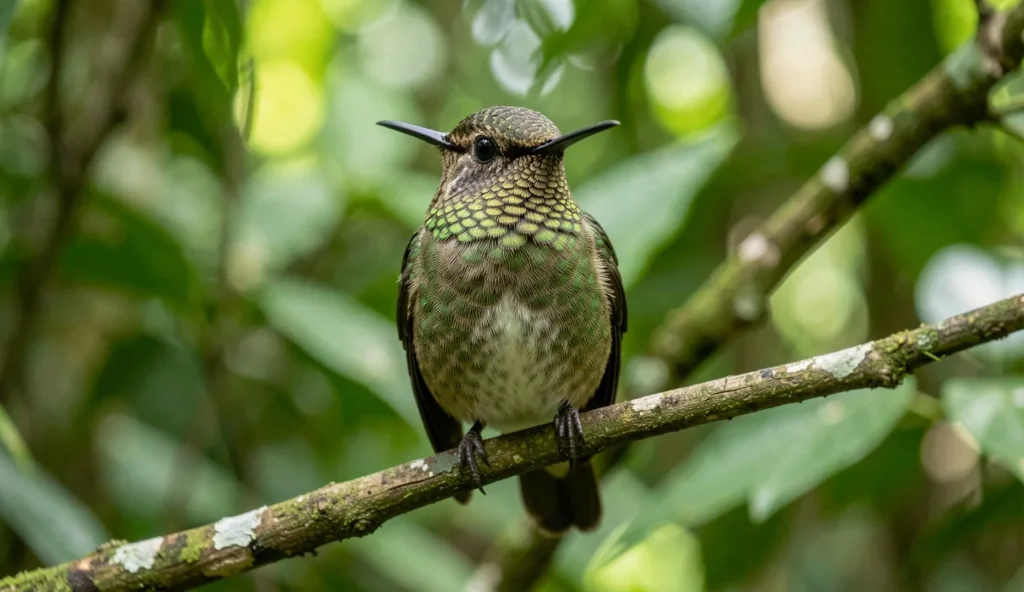
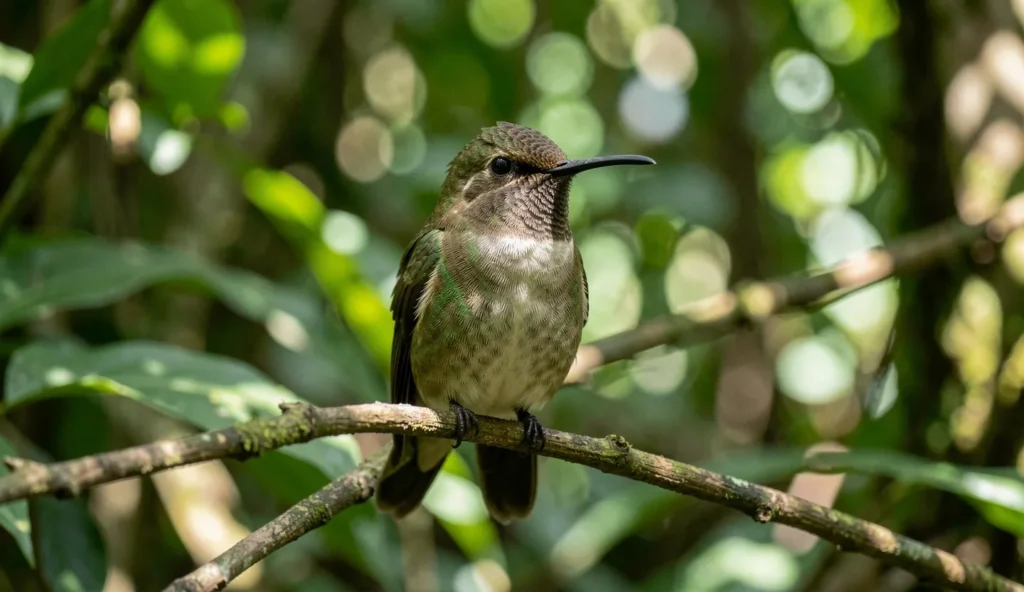
The Lucifer Hummingbird displays iridescent plumage and a long curved bill used to reach nectar deep within flowers. Its diminutive size emphasizes a rapid wingbeat essential for hovering during feeding.
Plumage and Gorget
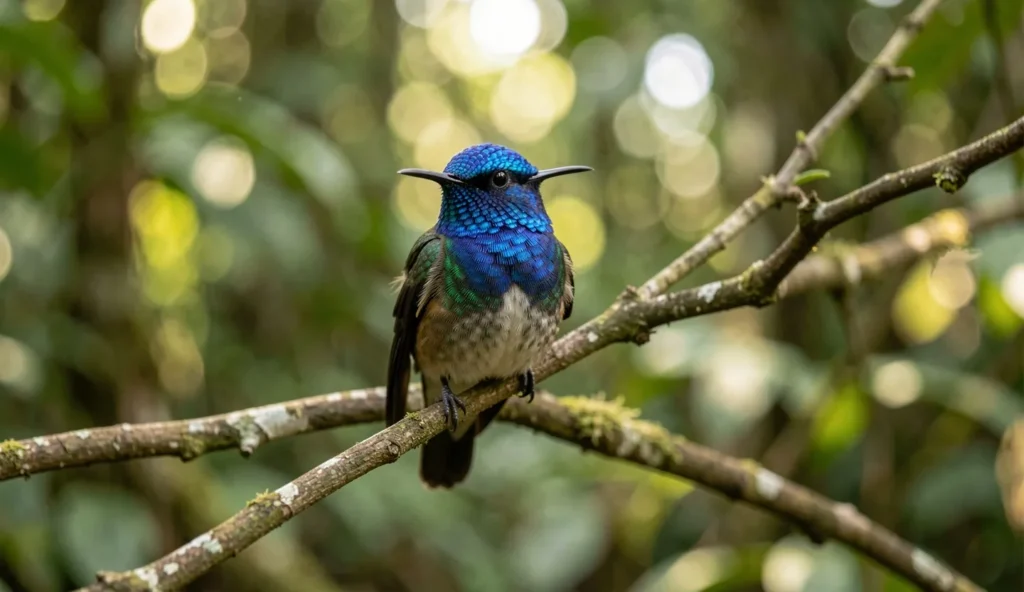
Males showcase an iridescent purple gorget that catches the light from multiple angles. Females lack the bright gorget and show more subdued tones in most lighting.
Bill Shape and Tail
The bill is notably long and curved, enabling access to tubular blossoms. In some individuals, a forked tail adds a distinctive silhouette while at rest.
Size and Build
Lucifer Hummingbird is tiny, typically under 4 inches in length and weighing about 3 grams. Wings beat rapidly to sustain hovering during nectar foraging.
Habitat and Range in the Southwest
Desert scrub and riparian zones form core nectar habitats, while high elevation canyons with flowering plants offer seasonal resources. Occasionally, urban gardens may host brief visits, particularly during peak blooms, a pattern seen in related species like the Violet-crowned Hummingbird.
Natural Habitat Types
Desert scrub, oasis patches, and riparian corridors provide year to year nectar sources. High-elevation canyons with abundant flowers support periodic migrations and lingering individuals.
Geographic Distribution
Sightings are extremely rare in the US, usually near the border of Arizona and New Mexico, and on the edge of the species range. For comparison with a more established southwestern hummer, see the Broad-tailed Hummingbird for typical range patterns.
Diet and Foraging Behavior
Nectar comes from tubular flowers such as sages and agaves, with bloom timing driving presence. The proximity of flowering plants can attract other species nearby, such as the Anna’s Hummingbird when resources are abundant.
Nectar Sources
Nectar sources include tubular flowers like sages and agaves, with bloom availability guiding presence.
Insects and Protein
Small insects provide essential protein during energy-demanding periods, especially near nesting sites.
Migration and Seasonal Movements
Seasonal movements align with climate and flower bloom, with some individuals lingering in favorable years. In the Southwest, peak viewing occurs during spring and fall when flowers are most abundant, making spotting the Ruby-throated Hummingbird a useful comparison for enthusiasts.
Seasonal Patterns
Migration is tied to climate and nectar availability, while some birds remain longer in productive years.
Observation Tips in the Southwest
Plan outings for early dawn or late afternoon along desert edges and garden hedges in bloom, increasing the chance of sightings. Keeping an eye on flowering hedges mirrors methods used to observe the Anna’s Hummingbird in urban areas.
Is This Hummingbird Right for You
Watching ethically means maintaining distance and avoiding disturbance to nests or roost sites, which is essential for rare species like the Lucifer Hummingbird. Conservation and thoughtful garden choices help protect habitat for this species and others such as the Costa’s Hummingbird.
Watching Ethically
Observe from a distance to minimize impact, especially near potential roosts or nests.
Conservation and Ethical Considerations
Habitat loss reduces range; planting native nectar sources supports this species and related ones like the Costa’s Hummingbird.
FAQs: Lucifer Hummingbird
How rare is the Lucifer Hummingbird in the United States?
The species is extremely rare in the United States with most sightings in Mexico and the edge states of Arizona and New Mexico.
Where can observers best glimpse the Lucifer Hummingbird in the Southwest?
Edge habitats in southern Arizona and southwestern New Mexico during peak flowering periods.
What does the Lucifer Hummingbird feed on?
Nectar from tubular flowers and small insects for protein.
Is the Lucifer Hummingbird considered endangered or protected?
Status can vary by region but it is generally protected due to rarity and habitat sensitivity.
Final Note
Though rare, the Lucifer Hummingbird inspires careful observation and respect for desert ecosystems.