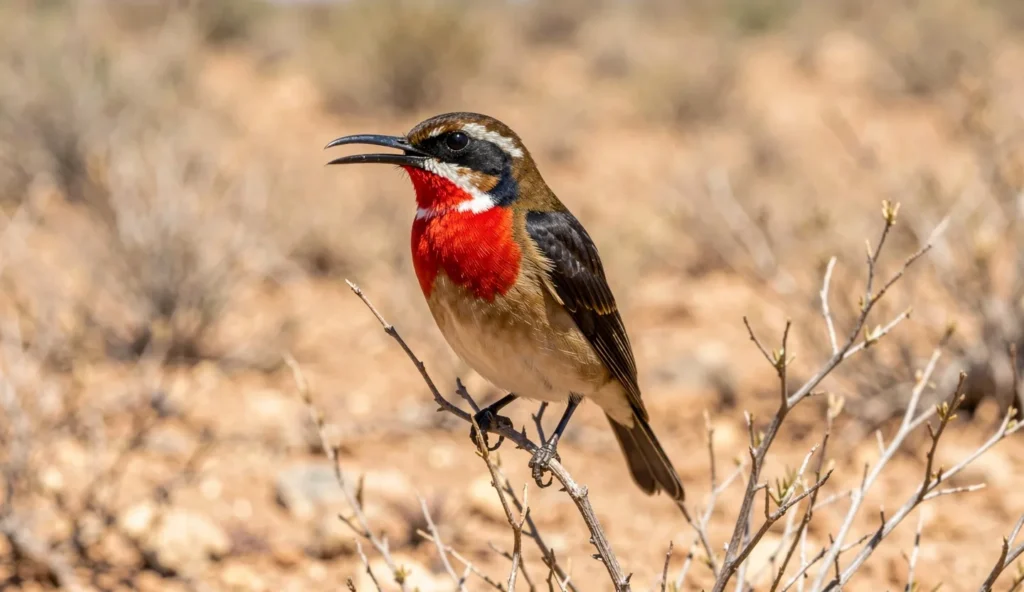
What Is a Plain-capped Starthroat
The Plain-capped Starthroat is a hummingbird species native to Mexico, distinguished by its unusually long decurved bill and a striking throat pattern. This rare bird attracts extreme birders who chase distinctive nectar feeders and migration quirks.
Its scientific name is Heliomaster constantii, and the name Plain-capped Starthroat highlights a characteristic field mark that helps observers identify it in mixed flocks.
Taxonomy and Distinctive Features
- Belongs to hummingbird family Trochilidae
- Scientific name Heliomaster constantii
- Notable long bill compared to other species
- Distinct white throat stripe in adults
- Rare vagrant in parts of the United States
Appearance and Physical Features
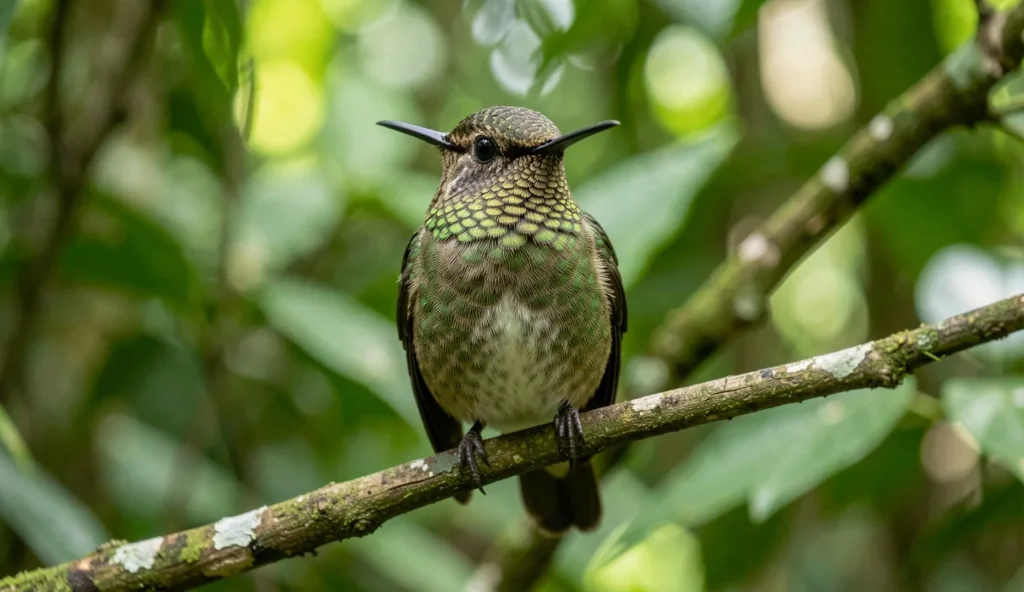
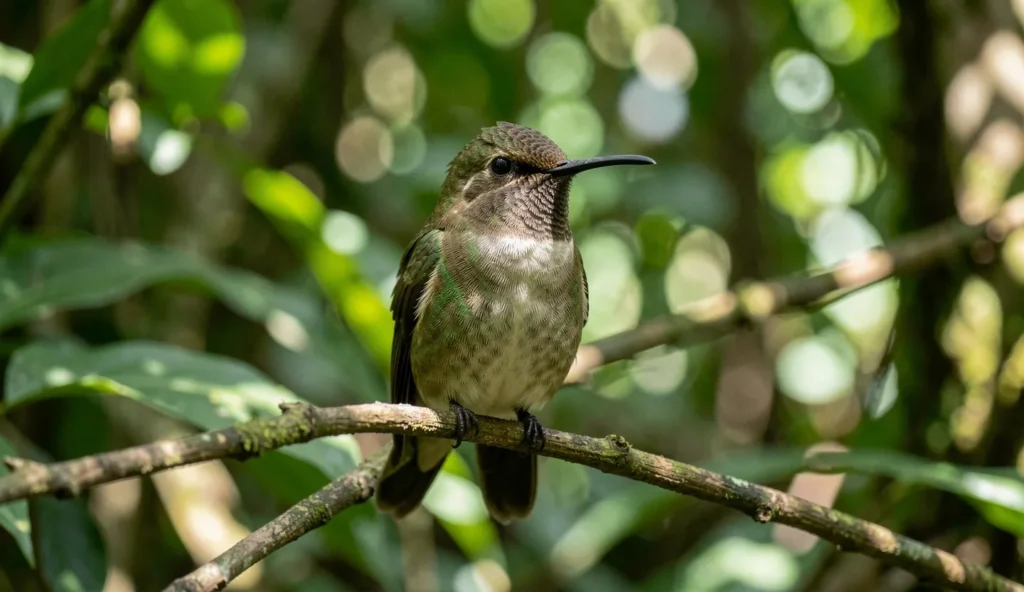
The Plain-capped Starthroat is a compact, vibrant hummingbird with a slender bill and quick, energetic movements, making it a striking sight in appropriate habitats.
Key Physical Traits
- Medium sized hummingbird with slender bill
- Overall green upperparts with lighter underparts
- Red throat patch visible in males
- White throat stripe contrasting the throat color
- Long, pointed wings and rapid wingbeat
Color Patterns and Bill Shape
- Red throat patch intense during breeding
- White throat stripe extends along the neck
- Bill is long and decurved for nectar probing
- Iris color often dark in adults
Habitat and Range
The natural range centers in Mexico’s arid and montane zones, with occasional rare sightings as a visitor in the United States, including Arizona.
Natural Habitat
- Found in arid to semi desert regions
- Floral rich canyons and montane areas
- Nectar plants include desert flowering shrubs
Habitats often overlap with other nectar specialists, such as the Broad-tailed Hummingbird, which frequents similar elevations and nectar flowers.
Notable Sightings in the United States
- Very rare US vagrant sightings
- Arizona records are extremely uncommon
- Typically reported during migration periods
Arizona observers have noted that sightings are sporadic, yet occasional reports echo patterns seen in other desert specialists like the Costa’s Hummingbird in desert corridors.
Diet and Nutrition
The Plain-capped Starthroat relies on nectar from tubular flowers common in its range, and it visits flowering shrubs during migration, often visiting feeders during travel.
Typical Nectar Sources
- Nectar from tubular flowers common in its range
- Flowering shrubs and feeders during migration
- In captivity provide simulated nectar sources
Field observations show similar foraging tactics to the Ruby-throated Hummingbird, especially in mid-season nectar pulses.
Feeding Behavior in the Field
- Sips nectar with rapid tongue action
- Aggressive defending flower patches
- Hover feeding with swift flights
Is Plain-capped Starthroat Right for You
This species suits dedicated observers and researchers who chase migration patterns and rare sightings in deserts and canyons.
Who Should Seek Sightings
Extreme birders chasing rare species, researchers studying migration patterns, and Arizona visitors with professional guides may be drawn to this bird’s unique profile and predictable activity windows. For broader context, observers may also study the Violet-crowned Hummingbird in related habitats.
Ethical and Legal Considerations
- Observe from safe distance to avoid disturbance
- Follow local regulations about protected species
- Do not handle or collect wild birds
Final Note
The Plain-capped Starthroat remains a coveted find for serious birders and deserves careful, ethical observation, much like enthusiasts of the Magnificent Hummingbird.
Frequently Asked Questions
How rare is the Plain-capped Starthroat in the United States?
It is an extremely rare US vagrant with very few confirmed records.
What distinguishes the Plain-capped Starthroat from other hummingbirds?
Long bill and distinctive white throat stripe set it apart.
Where in Mexico is the Plain-capped Starthroat typically found?
Occurs in arid to semi desert habitats across parts of Mexico.
Why is the Plain-capped Starthroat considered a rare vagrant to Arizona?
Its normal range is farther south, making Arizona sightings unusual.