White-Eared Hummingbird Distinctive Markings & Complete Breed Guide
\n
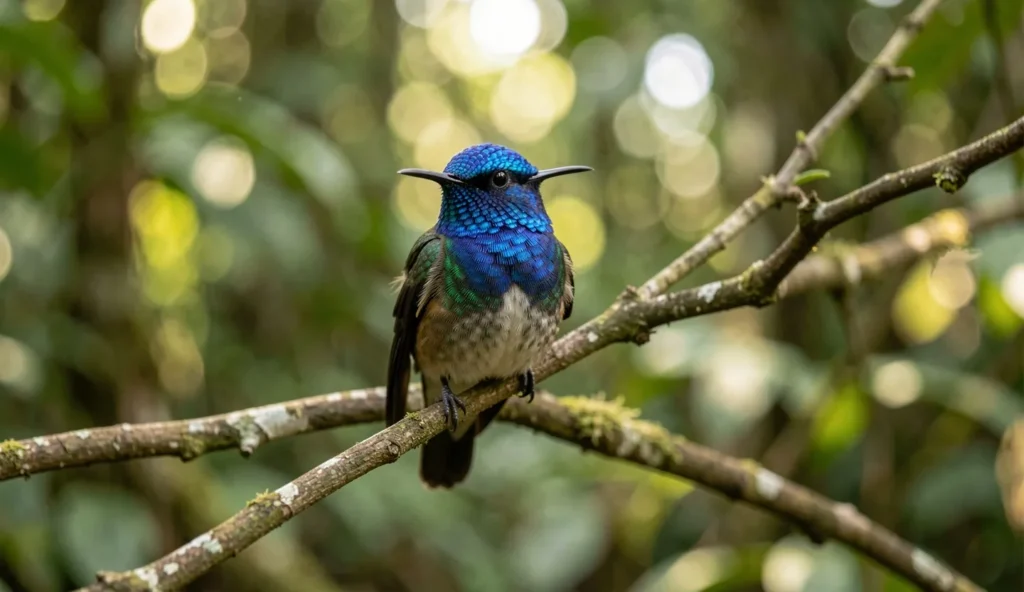
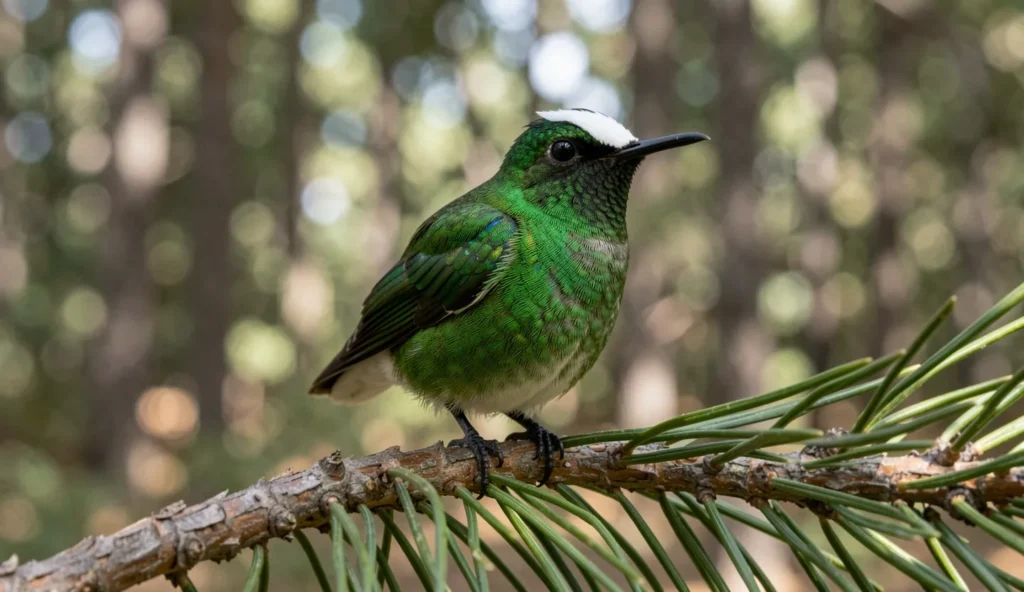
The White-eared Hummingbird is a small nectar-feeding bird native to pine-oak forests of Mexico and the southwestern United States. Its most distinctive feature is a white ear stripe behind the eye that contrasts with a vivid green body, making it a favorite among birdwatchers exploring high-elevation habitats, alongside sightings of the Violet-crowned Hummingbird.
\n\n
What Is a White-Eared Hummingbird
\n\n
Scientific Name and Taxonomy
\n
The White-eared Hummingbird’s scientific name is Hylocharis leucotis. It belongs to the hummingbird family Trochilidae and is often recognized by its distinctive ear markings rather than a single common name.
\n\n
Overview of Appearance
\n
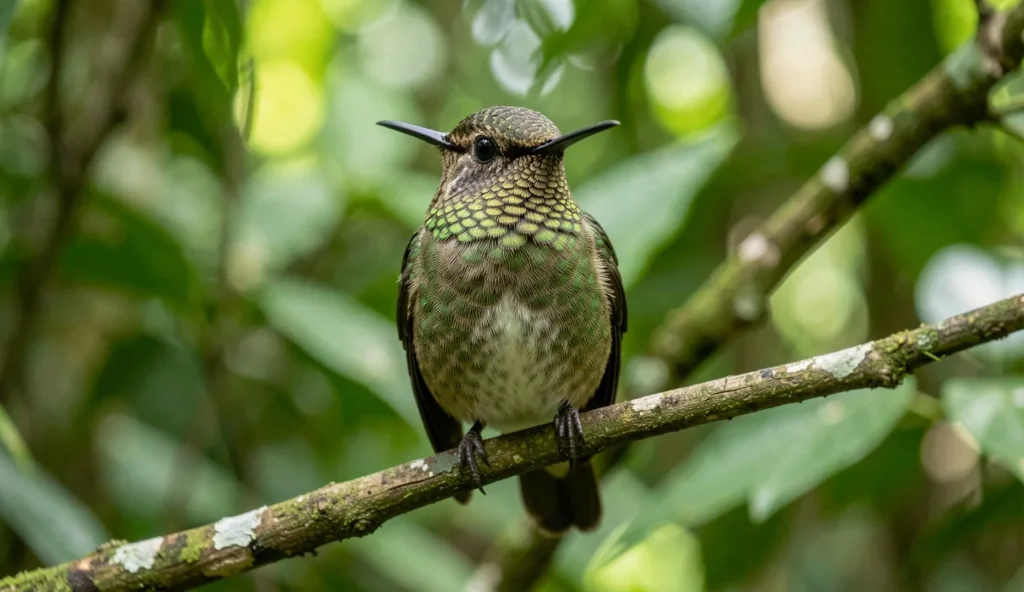
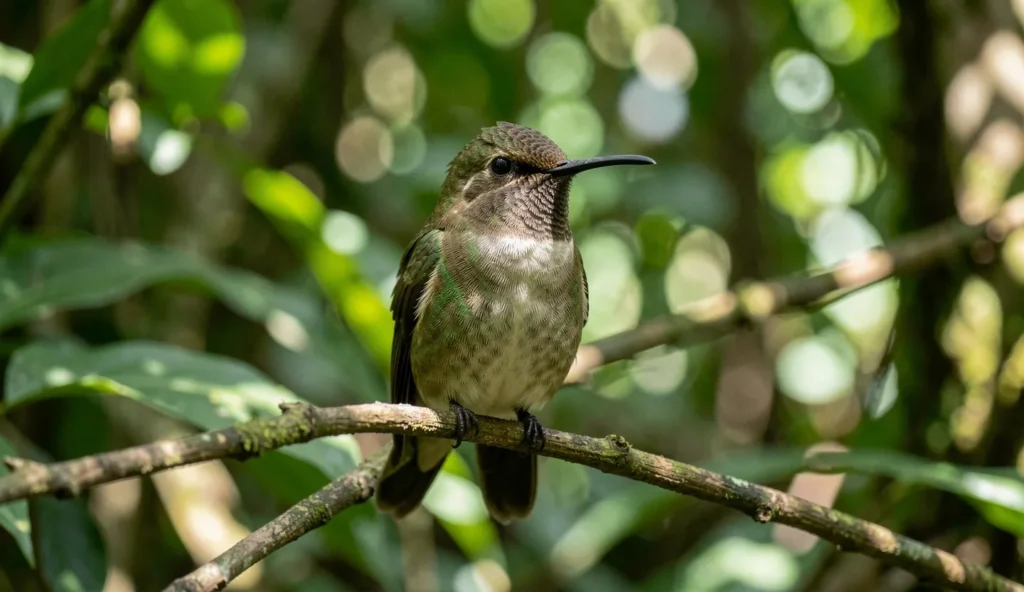
The White-eared Hummingbird has a bright green back and a metallic throat that shimmers in sunlight. The most noticeable feature is the white ear stripe behind the eye that remains visible for much of the year.
\n\n
Geographic Range
\n
The White-eared Hummingbird is native to southwestern North America, including Mexico and parts of the southwestern United States. In regions such as Arizona, observers record it during favorable flowering periods, often alongside the Costa’s Hummingbird.
\n\n
Distinctive Markings and Physical Features
\n\n
White Ear Stripe Behind the Eye
\n
The white stripe runs behind the eye and is a primary cue for identification, helping separate it from closely related species. This marking is typically seen even when light angles change during field observations.
\n\n
Green Body Coloring
\n
The dorsum presents emerald-green coloration with an iridescent sheen in bright light. The contrast with the white ear stripe enhances visibility during quick, aerial flits.
\n\n
Size and Shape
\n
As a small species, it has a compact, rounded body and a short bill suited for nectar sipping. Its lightweight form allows fast, precise movements among blossoms.
\n\n
Natural Habitat and Range
\n\n
Geographic Range
\n
Found across pine-oak forests and adjacent arid scrub in Mexico and the southwestern United States, including Arizona. Seasonal movements align with flowering patterns in higher elevations and canyons, similar to what is observed in the Broad-tailed Hummingbird.
\n\n
Preferred Habitat
\n
It favors forest edges, canyons, and open woodlands with a diversity of flowering plants. Proximity to blooming shrubs supports steady nectar intake during the day.
\n\n
Altitude and Climate
\n
Mid-elevation habitats with moderate to cool climates suit this species best. In higher canyons, temperatures influence daily activity and feeding windows.
\n\n
Diet and Feeding Habits
\n\n
Primary Diet
\n
Nectar from flowers provides the main energy source, supplemented by small insects for protein. Sufficient sugar intake supports high metabolism for rapid wingbeats, and the Magnificent Hummingbird is another nectar specialist often cited in field guides.
\n\n
Feeding Behavior
\n
Hummers sip from multiple blossoms in quick bursts and can aggressively defend feeding sites. Observers often note darting flights between blooms with short interludes.
\n\n
Seasonal Variations
\n
Flower availability drives diet shifts and visits to different plant species. Migratory patterns may vary by region, altering local presence throughout the year.
\n\n
Is White-Eared Hummingbird Right for You
\n\n
Watching in the Wild Versus Personal Care
\n
Best observed in natural habitat using ethical birdwatching practices that minimize disturbance. Quiet observation from a respectful distance yields clearer views and better photography, and includes occasional encounters with species like the Black-chinned Hummingbird.
\n\n
Ethical and Care Considerations
\n
Hummingbirds are wild birds, and captive care is generally not recommended or legally permissible in many areas. Observing them in the wild supports conservation and natural behaviors.
\n\n
Final Note
\n\n
Closing Thoughts
\n
From its bright green body to the defining white ear stripe, the White-Eared Hummingbird is a striking subject for field fans. Continued respectful observation helps protect this species in its pine-oak habitats.
\n\n
Frequently Asked Questions
\n\n
What is the White-Eared Hummingbird and where is it found?
\n
The White-Eared Hummingbird is a small nectar-feeding bird native to pine-oak forests in Mexico and the southwestern United States.
\n\n
How can you identify a White-Eared Hummingbird by its markings?
\n
It features a distinctive white stripe behind the eye and a vivid green upper body.
\n\n
What does the White-Eared Hummingbird eat?
\n
Its diet consists mainly of nectar, supplemented by small insects.
\n\n
Is the White-Eared Hummingbird found in Arizona and Mexico year round?
\n
Yes, it occurs in suitable habitats across those regions with movements that follow flowering patterns.
\n\n
Can White-Eared Hummingbirds be kept as pets or bred in captivity?
\n
They are wild birds and are generally not kept as pets; captivity is discouraged and often illegal.