What Is a Buff-Bellied Hummingbird
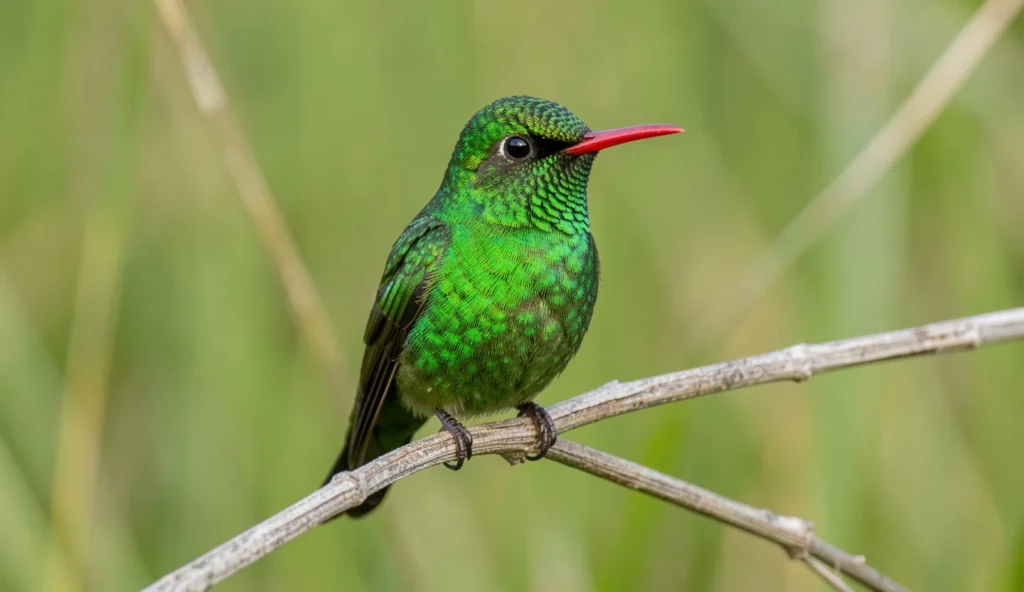
The Buff-Bellied Hummingbird, scientific Amazilia yucatanensis, is a Gulf Coast resident known for its bright green upperparts and buff belly. Its red bill is a key field mark for observers along the coast.
Taxonomy and Naming
The scientific name is Amazilia yucatanensis, and common naming reflects the buff belly coloration. It belongs to the Trochilidae family, the hummingbird group.
Distinctive Features Compared to Similar Species
The buff belly appears in some plumages, aiding identification during certain seasons. The red bill helps recognition along the Gulf Coast, and the Buff-Bellied Hummingbird differs from the Berylline Hummingbird in range and color.
Appearance and Physical Features
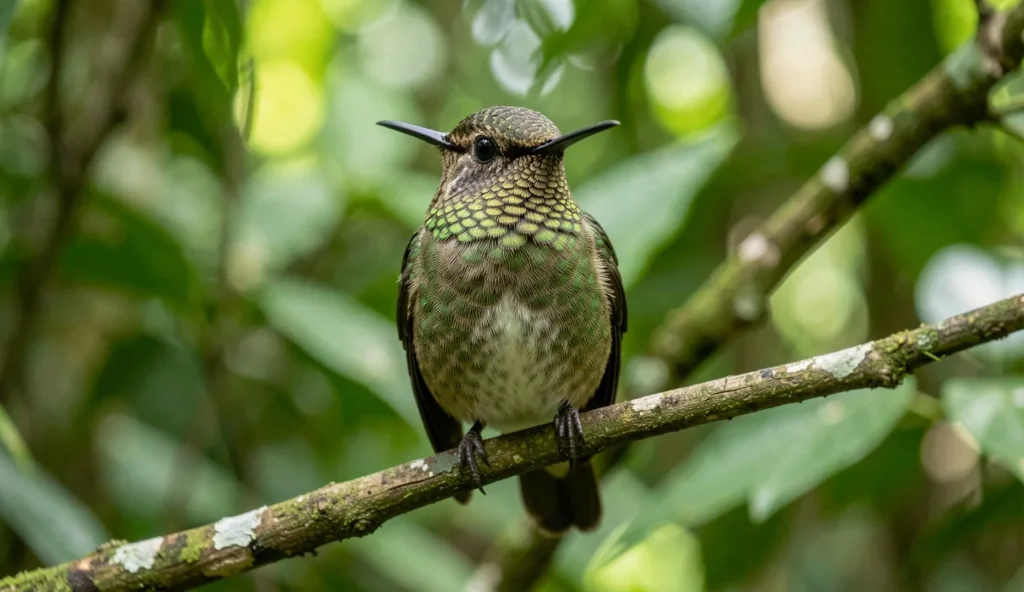
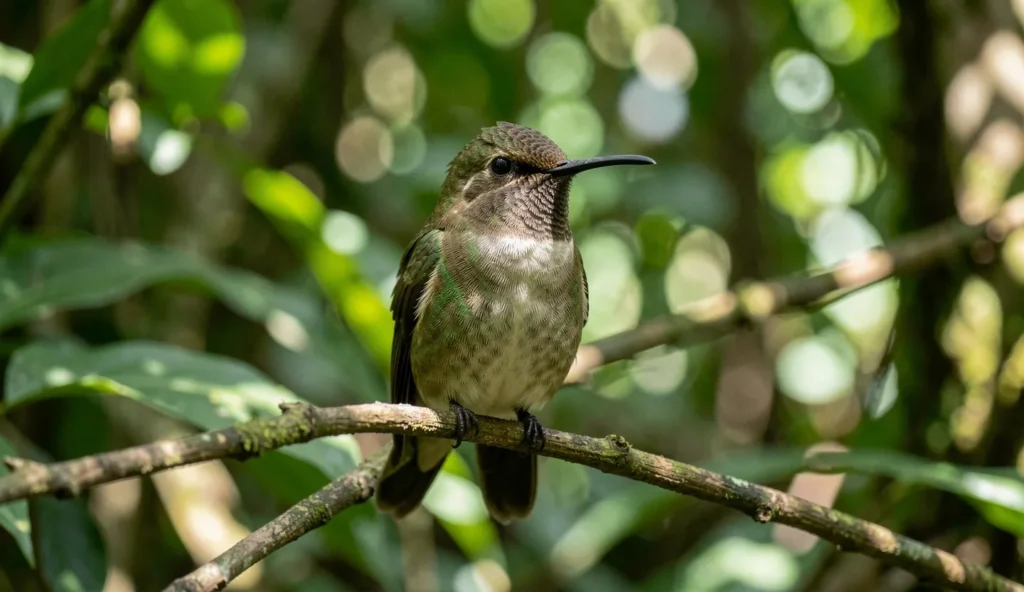
The Buff-Bellied Hummingbird is small, about 3 inches long, with iridescent bright green upperparts. A buff belly may be present in some individuals, especially during particular molts.
Plumage Colors and Size
Upperparts shimmer with emerald greens that catch the sun, while the underparts can show a warm buff tone in some birds. Average length remains around three inches, making it a compact and agile flyer.
Bill and Wing Characteristics
The bill is slender and red, a striking contrast against green plumage. Wingbeats are rapid, and the tail is short with rounded tips, aiding quick maneuvers near flowers and shrubs.
Range and Habitat Along the Gulf Coast
Texas Gulf Coast residency is well documented for the Buff-Bellied Hummingbird, with individuals observed year round in certain locales. The species commonly shares coastal habitats with other hummingbirds during migration and local activity.
Texas Gulf Coast Residency
Residents along suitable coastal habitats occur in parts of Texas, with birds observed year round in some locales. The presence of the Buff-Bellied Hummingbird is linked to consistent nectar sources and water availability along the shoreline and inland woodlands. For context, observers sometimes note patterns similar to the Broad-tailed Hummingbird, illustrating how coastal and inland ranges can intersect seasonally.
Preferred Habitats and Microhabitats
Coastal marshes, woodlands, and gardens along the Gulf Coast provide nectar sources and perches. Access to flowering plants and reliable water sources supports year-round presence. In similar coastal environments, the Magnificent Hummingbird has been observed, showing how lush habitats attract diverse species.
Diet and Nutrition
Diet centers on nectar from native tubular flowers along the Gulf Coast, supplemented by small insects for protein. Nectar availability influences year-round presence, with flowering peaks driving feeding activity.
Nectar Sources and Plant Preferences
The Buff-Bellied Hummingbird prefers native tubular flowers such as salvia and bee balm hosted in Gulf Coast gardens and natural habitats. Availability of these nectar sources shapes local presence throughout the year.
| Plant Type | Examples |
|---|---|
| Native Tubular Flowers | Salvia, Bee Balm |
| Water-Side Nectar Plants | Pickerelweed, Cardinal Flower |
Insects and Protein Needs
Small insects provide essential protein and minerals. Insect availability affects feeding patterns, especially during heat and wind events.
Feeding Tips for Backyard Observers
- Plant native tubular flowers like salvia and bee balm.
- Keep nectar feeders clean with a 4:1 sugar water solution.
- Avoid pesticide use to protect insect prey.
Care Tips for Buff-Bellied Hummingbird
Practical observations for supporting this species in Texas gardens and neighborhoods.
Housing Requirements and Outdoor Setup
Provide outdoor space with safe perches and flowering plants; shield feeders from predators and pesticides.
Nesting Considerations
Nests are typically built in shrubs or low trees; breeding activity aligns with the warm Gulf Coast climate.
Water Sources and Hydration
Misting or shallow water helps with dust bathing; fresh water should be available daily.
Health Monitoring and Seasonal Care
Watch for exhausted feeders and changes in body condition; monitor signs of stress or illness.
Observation Tips and Ethical Birding
Maintain a respectful distance during observations; do not handle wild birds unless trained and licensed.
Is Buff-Bellied Hummingbird Right for You
Assessing suitability helps readers decide if this Gulf Coast resident fits a personal feeding garden and birding routine.
Who Benefits Most From This Species
Ideal for Texas birders and Gulf Coast residents seeking vibrant backyard visitors; it adds color to native plant gardens.
What to Prepare Before Attracting Them
Establish a native plant garden and create a pesticide-free environment to support a robust insect and nectar supply.
Conservation and Legal Considerations
Follow local wildlife guidelines and support native habitat restoration efforts in your community.
Final Note
Closing Thoughts
The Buff-Bellied Hummingbird is a striking Texas Gulf Coast resident worth careful observation and habitat-friendly gardening.
Frequently Asked Questions
Is the Buff-Bellied Hummingbird a Resident of Texas Year Round?
Yes, it is a resident along parts of the Texas Gulf Coast, with some seasonal fluctuations in numbers.
What Does a Buff-Bellied Hummingbird Look Like and How Can I Identify It?
It has bright green upperparts, a buff belly, and a distinctive red bill, aiding identification among Gulf Coast hummingbirds.
Where On the Gulf Coast Can I Spot This Bird in Texas?
Common along coastal habitats with nectar sources, especially in coastal marshes and gardens.
How Can I Attract Buff-Bellied Hummingbirds to My Garden?
Plant native tubular flowers, provide clean nectar feeders, and avoid pesticides that harm insects.