What Is A Shubunkin Goldfish
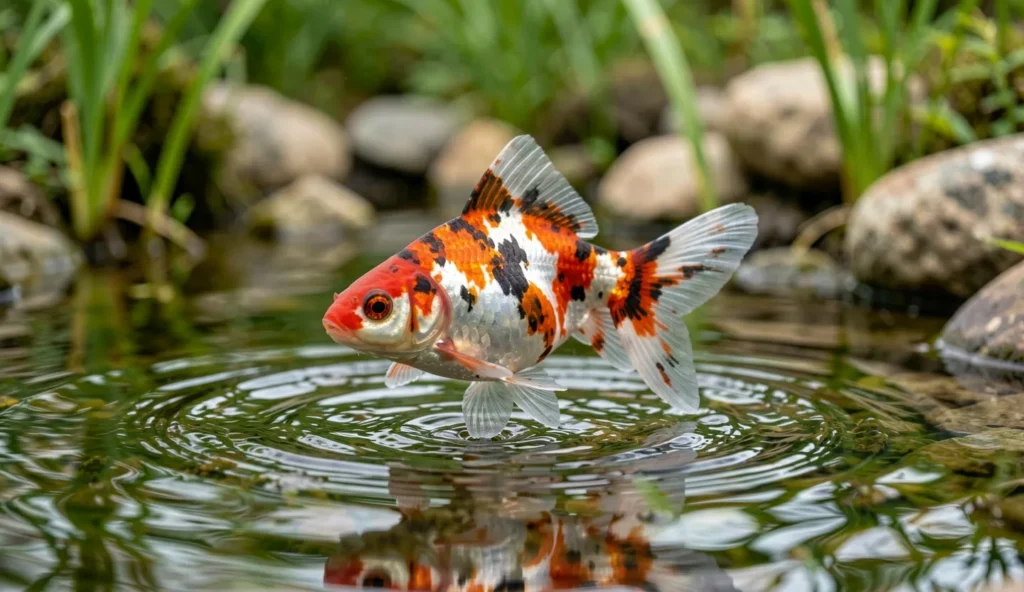
Shubunkin goldfish are fancy goldfish bred for stronger outdoor life, especially in ponds where seasonal swings occur. They typically show a calico-like patch pattern and a single-tail body that supports steady swimming in larger spaces.
Because of those traits, many keepers treat them as an approachable beginner goldfish for outdoor setups when water quality stays stable.
Where Shubunkins Come From And What They Are
Shubunkin is a fancy goldfish variety developed through selective breeding aimed at pond potential. They are commonly grouped with pond goldfish kept outdoors because they can handle temperate conditions better than tropical fish.
Most shubunkins are single-tail goldfish, meaning they keep a normal tail shape rather than the double or split tails seen in some fancy lines. In practice, the single-tail build helps them move smoothly around pond features.
Single Tail Body Support Helps Them Swim Confidently
A single-tail body supports steady swimming and predictable direction changes in open water. Compared with some more fragile fancy forms, the build often tolerates everyday pond activity with fewer coordination issues.
Fins still matter for pond life, since maneuvering around plants and mild water currents keeps stress lower. For pond keepers comparing goldfish types, body shape should be weighed along with temperament and filtration.
Color Traits That Make Them Easy To Recognize
Calico goldfish coloring in shubunkins often includes red, white, and dark patches that appear across the head, sides, and fins. Patchwork patterns can look similar from a distance, but each fish usually develops its own layout over time.
Iridescence can change as water conditions improve or age passes, and color contrast often becomes more defined later. Some marks also fade or shift after the fish settles into a new pond.
How Hardy Are Shubunkins In Outdoor Ponds
Shubunkin goldfish are often described as pond hardy because their physiology can manage outdoor temperature swings and changing oxygen levels better than many tropical fish. Even so, hardy does not mean maintenance-free, and water stability still drives long-term success.
With proper depth, filtration, and feeding control, shubunkins usually handle common pond seasons more reliably than more delicate fancy types.
Temperature Tolerance For Pond Life
Shubunkins can handle seasonal temperature variation since they evolved through goldfish domestication rather than strict tropical habitat needs. Winter survival typically depends on pond depth, where deeper water holds more consistent temperatures.
Cold snaps can slow digestion, so feeding should be adjusted to avoid unused waste. Heat extremes can also push oxygen down, which makes monitoring and basic pond planning necessary.
Oxygen And Water Movement Requirements
Good filtration supports oxygen stability by keeping waste low and promoting beneficial bacteria. Surface agitation helps gas exchange, especially when warmer water holds less dissolved oxygen.
Low oxygen can occur after heavy feeding, during hot weather, or when algae and organic debris increase oxygen demand. When pond keepers compare systems, consistent flow and aeration often determine whether fish stay active.
Weather And Seasonal Challenges To Plan For
Heat waves increase oxygen demand and raise waste production, which can stress fish even when they look fine at first. Cold snaps can slow digestion and feeding response, so nutrient spikes from overfeeding become more risky.
Algae blooms can reduce clarity and disrupt nighttime oxygen levels, particularly when ponds get lots of sunlight and nutrients. Keeping stable water habits also aligns with how other aquarium fish tolerate weather shifts, such as the differences discussed in betta fish care.
Appearance And Color Changes You Can Expect
Shubunkins can look striking from the start, yet their final color usually develops as they mature. Calico-like patches tend to grow more defined, and the intensity of red or dark pigment often depends on diet and water quality.
These changes matter for beginner goldfish expectations, since early photos may not match the adult look.
Typical Physical Features To Expect
Most shubunkins show a single-tail form with a generally goldfish body shape that supports balanced swimming. The caudal fin and dorsal fin help create a recognizable silhouette that stays consistent even as color changes.
Scale pattern and patching are often easier to notice than solid-color markings, especially when fish move in natural light. For keepers comparing pattern types, patch emphasis is one of the easiest visual tells.
Calico Color Patterns And How They Develop
Calico color patterns can become more noticeable as the fish ages and the immune system adapts to a new environment. New marks may appear, while older patches can fade depending on genetics, diet, and water conditions.
Color strength often improves when water stays clean, because stress can reduce pigment expression. Nutrition also plays a role, since balanced feeds support growth and skin health across the body.
How Shubunkins Differ From Common Goldfish
Shubunkins often show heavier calico patching compared with many common goldfish that may present a more uniform color. Common goldfish can still develop spots, yet the patch layout in shubunkins is usually more varied.
Body and fin shape also matter, because even a similar color does not guarantee the same swimming style. A single-tail build can feel more “pond friendly” than some more specialized fancy forms.
Housing Essentials For Pond Hardy Results
Outdoor success for shubunkin goldfish depends on stable pond water and a plan for filtration, stocking, and maintenance. When pond setup matches the fish’s waste load, pond hardy qualities show up in better growth and calmer behavior.
Because ponds act like living systems, equipment alone is not enough, and routines keep the system working.
Pond Size And Stocking Considerations
Bigger ponds dilute waste and stabilize temperature swings, which reduces stress in both summer and winter. Overcrowding increases ammonia and nitrate faster, and sudden increases often cause disease outbreaks.
Stocking should match filtration capacity and feeding rate, since waste production rises with food quantity and fish biomass. For keepers who also manage fish like goldfish breeds in aquariums, it helps to view stocking as a stability problem rather than a numbers game.
Filtration And Beneficial Bacteria Basics
Biological filtration converts ammonia into nitrite and then into nitrate, which prevents toxic spikes. Stable cycling supports safer daily feeding and keeps oxygen demand lower because waste stays controlled.
Mechanical filtration reduces debris that can increase waste load between cleanings. When a pond cycle is new, following a proven routine matters, similar to how guppy fish breeding tips emphasize planning around reproduction and waste.
Water Parameters To Monitor For Shubunkins
Ammonia and nitrite should remain at zero, since even small readings can irritate gills and stress fish. Nitrate should stay relatively low and should be reduced through maintenance rather than waiting for it to “go away.”
pH and hardness should remain stable rather than swinging widely, because rapid shifts can weaken immune response. Stable parameters often mirror the same logic used in betta fish care, where clean water and consistent conditions prevent many problems.
Substrate, Plants, And Pond Layout Tips
Use pond-safe materials that do not leach harmful substances into the water. Plants can help with waste uptake and offer shelter, but they should not block open swimming space for active single-tail fish.
Pond layout should also consider flow paths so fish can access calmer areas when water movement gets strong. When pond enthusiasts think about habitat design, the layout can be as important as equipment because it shapes how fish use space.
Feeding A Shubunkin Without Overloading The Pond
Feeding affects more than growth, since outdoor food also increases waste and oxygen demand. A beginner goldfish approach works best when shubunkin goldfish get small, predictable meals that the pond can process.
Overfeeding is the most common error because it can trigger water quality problems that the fish then must withstand.
Best Food Types For Balanced Growth
High-quality goldfish pellets provide a consistent base for growth and color support. Sinking gel foods can help deliver nutrients without floating food that often gets ignored.
Protein-based options can add variety, but portions should remain controlled. Vegetable items support digestion and can reduce waste, which matters for pond hardy stability.
How Much To Feed And How Often
Feed small amounts that fish consume quickly, typically within a short period after serving. Adjust feeding to season, because colder water slows digestion and warmer water increases oxygen demand.
Uneaten food should be removed if it does not get eaten, since it decomposes and increases waste rapidly. Keeping feeding amounts sensible also supports stable nitrates, which is the same principle keepers follow in goldfish breed care routines.
Seasonal Feeding Changes That Reduce Risk
In colder months, reduce feeding because digestion slows and uneaten food becomes a nitrate problem. In warmer months, feed lightly but consistently since fish use energy more quickly and oxygen demand rises.
Consistent schedules help keep waste predictable, which makes filtration and maintenance easier to manage. When feeding aligns with temperature, stress drops and immune response stays stronger.
Care And Health Management For Shubunkins
Even pond hardy fish need consistent monitoring, because small water quality dips can lead to illness. Shubunkin goldfish health usually improves when routines focus on early signs, stable parameters, and prevention.
Problems start more often from stress than from the fish itself, so acting early reduces losses.
Routine Checks For Early Warning Signs
Observe appetite, swimming behavior, and breathing at the surface to catch trouble before it becomes severe. Clamped fins, rubbing, or unusual hanging in the water can signal irritation or disease stress.
Water testing should happen on a regular schedule, not only after fish act sick. Testing habits also reduce uncertainty, just like established care guides do for other species with specific water needs.
Common Health Issues In Pond Goldfish
Ich and other parasites can appear when water conditions get unstable or when fish get stressed by temperature or poor oxygen. Fin damage can happen from rough surfaces, aggressive interactions, or debris that injures tissue.
Dropsy often links to poor water quality and chronic stress, so preventive maintenance becomes the key factor. When fish show swelling or raised scales, immediate water checks and targeted care become urgent.
Preventive Care Steps That Work For Beginners
Quarantine new fish before adding them to a pond to reduce disease introductions and reduce parasite carryover. Maintain filtration and avoid heavy feeding, since both reduce toxin build-up.
Perform partial water changes when nitrate rises, and remove excess debris after storms or heavy algae growth. Beginners who learn a similar planning mindset from breeding topics like guppy fish care generally find pond routines easier to follow.
Is A Shubunkin Goldfish Right For A Pond Keeper
Shubunkin goldfish often fit pond keepers who want a colorful single-tail goldfish that can handle outdoor seasons with sensible care. Their calico color traits add variety without requiring complex breeding or specialized aquarium housing.
Still, the pond must provide enough water volume, oxygen, and filtration to keep waste from accumulating.
Good Fit For Most Pond Setups
Shubunkins are often chosen as a beginner goldfish for outdoor ponds because their single-tail form supports reliable swimming. Many keepers also like the visual interest from calico goldfish patterns, since each fish develops a distinct patch layout.
When ponds stay clean and oxygen stays stable, shubunkins usually maintain good body condition and active behavior. That makes them a common choice for people expanding beyond basic pond fish.
When A Different Approach May Be Better
Small or poorly filtered ponds increase stress and disease risk because waste concentration rises quickly. If water testing is not possible, hardy fish may still decline because toxic buildup can go unnoticed.
Extreme temperature swings can still require extra planning, such as deeper water or reliable aeration. If comparing other backyard poultry and pond ecosystems helps planning, looking at Cayuga Duck or Welsh Harlequin Duck care style checklists can support habitat thinking, even though those are not fish species.
Starter Checklist For New Owners
Start with a pond that has biological filtration and verify that the cycle runs reliably before stocking heavily. Test ammonia and nitrite regularly, especially during setup, and keep nitrate under control with timely maintenance.
Feed small portions and remove uneaten food quickly to protect oxygen and prevent waste buildup. Plan for winter oxygen and summer heat management, and quarantine new fish before adding them to the pond.
Keep Shubunkins Healthy With Consistent Water Quality
Consistent water quality supports the pond hardy strengths that make shubunkin goldfish attractive for outdoor keepers. Stable routines protect color development, reduce disease risk, and help single-tail fish stay active throughout the year.
Frequently Asked Questions
Are Shubunkin Goldfish Pond Hardy In Winter?
They can survive cold if the pond has enough depth and oxygen to prevent low-oxygen stress.
What Makes Shubunkins Different From Common Goldfish?
They usually show stronger calico patching and a single-tail build that supports predictable swimming.
How Often Should Water Be Tested For Shubunkin Goldfish?
Test ammonia, nitrite, and nitrate regularly, especially during early pond setup and after maintenance changes.
What Should Shubunkin Goldfish Eat In An Outdoor Pond?
Feed sinking pellets as a base and adjust amounts with season and water temperature.
How Can Overfeeding Affect Pond Hardy Shubunkins?
Overfeeding increases waste, lowers oxygen, and can trigger parasite and bacterial problems.
Final Note
With stable pond water, careful feeding, and regular testing, shubunkins can thrive and display vivid calico goldfish color traits across seasons.