What Is A German Blue Ram And Why Temperature Matters
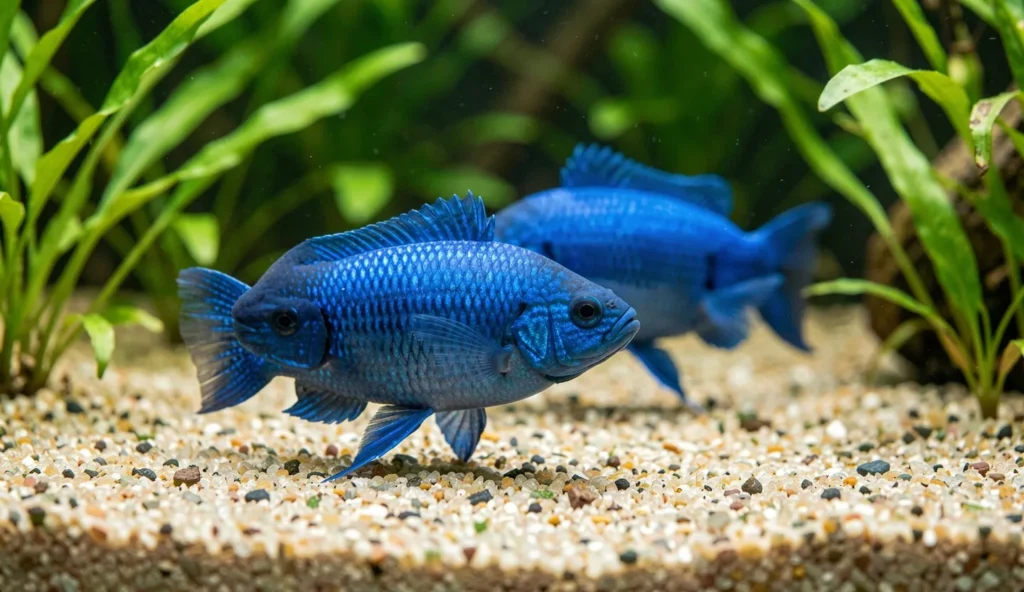
The german blue ram is a dwarf cichlid often sold as a calm community fish, but it reacts quickly when conditions shift. Because metabolism, immunity, and appetite track water temperature, stable warm water becomes the difference between steady growth and repeated setbacks.
Species Basics And Natural Water Conditions
The german blue ram is a dwarf cichlid called Mikrogeophagus ramirezi, closely related to ramirezi strains kept by aquarists worldwide. In its natural waters, temperatures stay warm with limited day to night swings, and that stability supports normal feeding and immune function.
That background explains why the fish often gets described as delicate. When temperature stability fails, the stress response can rise fast, even if the aquarium looks clean at first glance.
How Temperature Stress Shows Up In Behavior And Color
When temperatures swing quickly, the german blue ram may hide more often and show reduced interest in food. Color can also pale, and fins may clamp if the fish cannot settle after the change.
High temperature typically increases respiration and can reduce appetite within a short window. Low temperature often slows metabolism, which can weaken defenses and prolong recovery after handling or minor injuries.
Why Stable Warm Water Beats Chasing Ideal Numbers
Reliable heater control matters because thermometer accuracy, calibration, and placement affect readings. Even when the chosen setpoint looks correct, heater cycling and power events can create short spikes that still stress a delicate dwarf cichlid.
In practice, stable warm water supports consistent digestion, stable energy use, and steadier immune function. For aquarists setting up a new tank, pairing careful temperature control with a sound stocking plan also reduces the pressure that triggers illness.
Ideal Water Temperature Range For German Blue Ram
For the german blue ram, the target should focus on consistency within the species care range, not on chasing a single exact number. Staying steady lowers stress hormones, which helps the fish maintain normal appetite and regular swimming.
Temperature Targets For Stable Daily Care
A consistent warm target works best, and many keepers aim for a narrow band that stays steady day after day. Rather than adjusting often, selecting a practical heater setpoint and letting the system stabilize usually improves outcomes.
Heater verification also helps, especially when tanks use controllers or multiple devices. Independent thermometer checks confirm that readings match reality, and probe placement avoids false data from stagnant corners.
What Counts As A Harmful Temperature Swing
The risk depends on how much the water changes, how fast it changes, and how long the fish remains outside the ideal band. Problems often follow repeated small changes, because stress accumulates even when the aquarium stays near target.
Heater cycling and power interruptions commonly create those repeat shifts. Water exchanges without matching temperature also add shock, so matching the incoming water before adding it to the aquarium reduces stress.
High Temperature Risks And Delicate Fish Effects
High temperature raises oxygen demand, and warmer water holds less dissolved oxygen. If oxygen supply does not keep pace, the german blue ram may show faster breathing and reduced feeding.
Heat stress can also increase vulnerability to infections by taxing the immune response. Even short heat spikes can depress appetite, and reduced appetite often leads to poor recovery and more waste buildup.
Low Temperature Risks And Slowed Recovery
Low temperature slows immune response and can delay healing after fin wear or handling. At the same time, digestion slows, which can raise internal stress when the fish cannot process food normally.
During transfers, colder water often triggers sudden decline. Matching temperature during transfers and water changes reduces that shock and helps the dwarf cichlid rebound faster.
How To Maintain Stable Warm Water In A Home Aquarium
Stable warm water requires both equipment and routine. Temperature stability fails most often from poor probe placement, heater undersizing, or gaps in monitoring during seasonal changes.
Heater Choice Placement And Control Settings
Choose a heater rated for the tank volume, because undersized heaters tend to cycle too aggressively. Place the heater where tank flow mixes heat evenly, which reduces hot and cold zones that a german blue ram can notice quickly.
A reliable thermostat controller helps, but it still must be verified with independent testing. Probes placed in stagnant corners can mislead control systems, so distributing warm water through gentle circulation improves stability.
Thermometers Timers And Backup Plans
Use at least one independent thermometer for cross checking so the german blue ram receives true stable warmth. Recording temperature during the day can reveal cycling patterns that only appear after hours.
Backup planning matters because power outages and tripped breakers can cause rapid drops. A second heater or tank insulation can reduce temperature loss during interruptions, which supports the fish through the stressful window.
Water Change Temperature Matching Method
Match water change water temperature before adding it to the aquarium, since temperature shock adds stress on top of routine handling. Using a mixing container allows gradual equalization rather than dumping a sudden hot or cold stream into the tank.
If conditions are unstable, smaller and more frequent water changes may work better than large swings. This approach helps maintain stable parameters while the heater and filtration stabilize overall tank conditions.
Acclimation for new arrivals also reduces risk because the fish needs time to adjust to both temperature and water chemistry. For aquarists who also keep other tropical fish, temperature matching works the same way when planning tank upgrades.
For example, tank mates like a dwarf gourami can also suffer when temperature control is inconsistent, so using a stable setup benefits multiple species. A practical reference for warm-water community planning is available in the guide on dwarf gourami tank care.
Tank Insulation And Environmental Sources Of Fluctuation
Drafts around windows and doors can cool the tank surface and push temperature down between heater cycles. Aquarium placement away from direct air movement reduces that drift and helps a delicate dwarf cichlid settle.
Heating vents and air conditioning can create short cooling bursts that do not show on a single quick reading. Filter flow and return lines also matter, so check whether those lines cause temperature drift across the tank.
Testing Schedule For Temperature And Other Key Parameters
Measure temperature daily during acclimation and after water changes, then continue routine checks at least a few times per week. During busy periods, small missed readings can turn into larger swings that the german blue ram experiences as stress.
Temperature does not act alone, so track ammonia and nitrite routinely because stress weakens coping ability. Since pH stability often compounds stress, keep pH steady as well, and adjust buffering with care rather than frequent changes.
When other species share the tank, water quality targets should match their needs too. Compatibility and parameter planning for cichlids often overlap, so the guide on african cichlid tank mates compatibility can help with stocking decisions that preserve stability.
Tank Setup That Reduces Stress For A Delicate Dwarf Cichlid
Temperature sensitivity connects directly to overall stress load. When filtration, oxygen support, territory, and feeding practices stay consistent, the german blue ram handles warm water stability more reliably.
Filtration And Oxygen Support For Warm Water
Warm water holds less dissolved oxygen, so effective aeration or surface agitation can support stable breathing. Gentle flow also helps because strong currents force energy use and can prevent the fish from resting.
Avoid sudden filter changes that disturb biological stability. When ammonia or nitrite levels rise, temperature stress becomes worse, and the dwarf cichlid may show rapid breathing or reduced appetite.
Substrate Hides and Territory Management
Hiding spots reduce stress responses, especially for fish that respond to bright light or open spaces. Bottom-friendly substrate supports natural foraging, which also helps the german blue ram maintain normal behavior.
Territory matters because aggression can rise in cramped tanks. If decor rearranging becomes necessary, do it cautiously, since rearrangement can temporarily restart territorial behavior and chase activity.
Stocking Levels And Compatible Tank Mates
Overstocking increases waste and destabilizes water chemistry, which indirectly undermines temperature control. Choose calm tank mates that do not bully, because constant chasing keeps stress hormones elevated even with stable warmth.
New fish introduction should include temperature matching and acclimation so the german blue ram does not face sudden changes at the same time. If chasing starts, separating incompatible fish early prevents repeated stress cycles.
Feeding Practices That Reduce Temperature Related Declines
Feed small portions to reduce fouling, and stop feeding when water quality begins to worsen. Warm water accelerates bacterial activity, so excess food becomes a bigger problem for delicate dwarf cichlids.
Prioritize high quality protein and include varied foods so nutrition supports immune function. Appetite changes often appear after temperature shifts first, so monitoring feeding behavior acts as an early warning system.
For intermediate aquarists who also keep other sensitive fish, the same feeding discipline helps prevent water quality drops. Consistency in temperature and feeding also supports long-term stability across multiple setups.
Common Health Issues Linked To Temperature Instability
Temperature instability rarely causes one isolated problem, since stress can weaken defenses and change digestion. With the german blue ram, illness signs often appear after heat spikes, cold dips, or repeated small shifts.
Ich And Other Parasites After Stress Events
Temperature swings can reduce immune function, allowing parasites to multiply faster than usual. Watch for rapid breathing paired with flashing, since those combined signs often track stress plus early infection.
Quarantine new fish reduces parasite introduction into the main tank. If symptoms appear, acting early limits spread and prevents the outbreak from becoming chronic.
Bacterial Infections And Fin Damage After Improper Conditions
Unstable warmth and stressful handling can cause minor wounds that bacteria later exploit. Infections often become more visible when appetite drops, so reduced feeding can signal that something worse is starting.
During treatment, keep water quality high and restore stable temperature as quickly as possible. Removing the stress trigger, such as aggressive tank mates or unstable heating, prevents relapse after treatment ends.
Constipation And Digestive Stress From Thermal Changes
Low temperature slows digestion, which can contribute to constipation and internal stress. When high temperature reduces feeding rhythm, gut stability can also become less consistent.
Adjust feeding during temperature transitions and avoid overfeeding while the fish adjusts. Clean water and measured portions reduce waste and support more stable digestive processing.
Oodinium And Respiratory Strain From Heat
High temperature increases respiration and oxygen demand, so respiratory strain becomes more likely. When the german blue ram shows heavy breathing or stays near the surface, improved oxygenation often helps support recovery.
Oodinium and other skin parasites can still develop during heat stress, so prompt action matters when clinical signs appear. Once treatment begins, maintaining stable warm water helps the fish endure the therapeutic period.
Some aquarists also manage temperature sensitivity across other species with different disease profiles. If similar stress management ideas apply to other delicate aquarium animals, a broader approach can be found in care guides such as the one for Leopard Gecko housing, even though reptiles require different environmental control.
Prevention Steps For German Blue Ram Temperature Sensitivity
Prevention works best when it focuses on stability and early detection. With a german blue ram, small routines protect the fish from repeated stress cycles that lead to illness.
Daily Weekly And Monthly Habits That Prevent Problems
Check temperature each day during seasonal shifts and verify it after any heater adjustment. Test ammonia and nitrite on a routine schedule to catch instability before it becomes visible to the fish.
Inspect heater performance and watch cycling patterns so short spikes do not pass unnoticed. Gravel vacuuming helps limit detritus buildup, which supports water quality stability in warm conditions.
Quarantine And Acclimation For New Arrivals
Quarantine reduces parasite introduction into the main tank, which matters because stress can amplify outbreaks. Acclimate gradually to match temperature and water chemistry, then observe for appetite changes and abnormal swimming.
Treat or isolate early when symptoms begin so the parasite load stays low. This approach also protects tank mates, especially if the main aquarium includes other sensitive species.
How To Respond When Temperature Drifts
Stabilize temperature first before making other changes, because additional parameter changes can stress the fish further. Avoid rapid laddering of heater setpoints, since frequent adjustments often create new swings.
Review root causes like drafts, heater undersizing, or power events, then correct them. After readings stabilize, resume normal water change routines and feeding schedules.
Starter Checklist For Stable Warm Water Setup
A stable setup supports better health outcomes for the german blue ram and reduces stress on the biological filter. Use the checklist below to confirm the aquarium supports warm stability before symptoms appear.
- Heater sized for tank volume and verified with independent thermometer
- Stable warm target with minimal heater cycling swings
- Backup plan for power outages and short-term insulation
- Aeration or surface agitation for oxygen support
- Decor with hiding spots and careful territory spacing
- Quarantine tank for new fish with temperature matching
When planning species in the same tank, compatibility and stable parameters stay connected. Even for aquarists building new stock lists, referencing other care guides like German Modena pigeon differences can reinforce the idea that each animal has a distinct threshold for stability, even though husbandry differs.
Frequently Asked Questions
What Temperature Range Is Best For A German Blue Ram?
Use a consistently warm target within the species care range and prioritize stability over chasing one exact number.
Can High Temperature Harm A German Blue Ram?
Yes, high temperature increases oxygen demand and stress, which can reduce appetite and worsen illness susceptibility.
How Can Temperature Swings Cause Ich In German Blue Rams?
Stress weakens immune defenses after warmth changes, and parasite outbreaks often follow unstable conditions.
Should Water Change Water Match The Tank Temperature?
Yes, matching temperature helps prevent shock and reduces added stress during routine water changes.
Why Does A German Blue Ram Go Off Food After A Heater Adjustment?
Even small shifts can stress a delicate dwarf cichlid, so restoring stable conditions and feeding small portions usually helps.
A Stable Warm Setup Supports Long-Term Health
Consistent warm water, careful monitoring, and early prevention reduce the main triggers behind common illness patterns. With stable conditions, the german blue ram can show steadier appetite, color, and activity.