What Is a Trumpeter Pigeon
The Trumpeter pigeon is a domesticated breed renowned for its deep, prolonged cooing that resembles a trumpet. This unique vocal trait results from selective breeding efforts that began in the United States during the 20th century. The breed stands out among fancy pigeons because of its calm temperament and remarkable vocal display.
Trumpeter pigeons belong to the group of vocal fancy pigeons often kept for exhibition and personal enjoyment. Their distinctive call makes them a favorite among pigeon enthusiasts who appreciate behavioral traits. The breed’s history is relatively recent compared to older European varieties such as the Strasser pigeon.
A well-bred Trumpeter pigeon combines a soft personality with a powerful voice. Many owners find the bird both relaxing to watch and entertaining to listen to. The breed adapts well to aviaries and lofts when provided with proper care.
How Does the Trumpeter Pigeon Sound
Understanding the Trumpet Call
The trumpeter pigeon sound is deeper and longer than the coo of most other pigeon breeds. Males produce this call primarily during courtship or when defending their territory. The sound originates from vibrations in the syrinx, modified by airflow through the beak to create a muted trumpet-like tone.
A single coo can last three to five seconds, which is noticeably longer than typical pigeon cooing. Males often repeat the call several times in a row, especially when a female is present. The pitch and rhythm vary slightly between individuals, giving each bird a personal vocal signature.
Why This Vocal Trait Matters
The distinctive call defines the Trumpeter pigeon as a breed and is the primary reason keepers seek it out. Exhibition breeders prioritize birds with the purest, most resonant trumpet tones. When multiple Trumpeters are housed together, they create a layered chorus of varied pitches that is both striking and pleasant.
This vocal behaviour also serves a social function within the flock. Frequent cooing reinforces bonds between mated pairs and helps establish a stable hierarchy. Owners who appreciate vocal activity will find this breed especially rewarding.
What Does a Trumpeter Pigeon Look Like
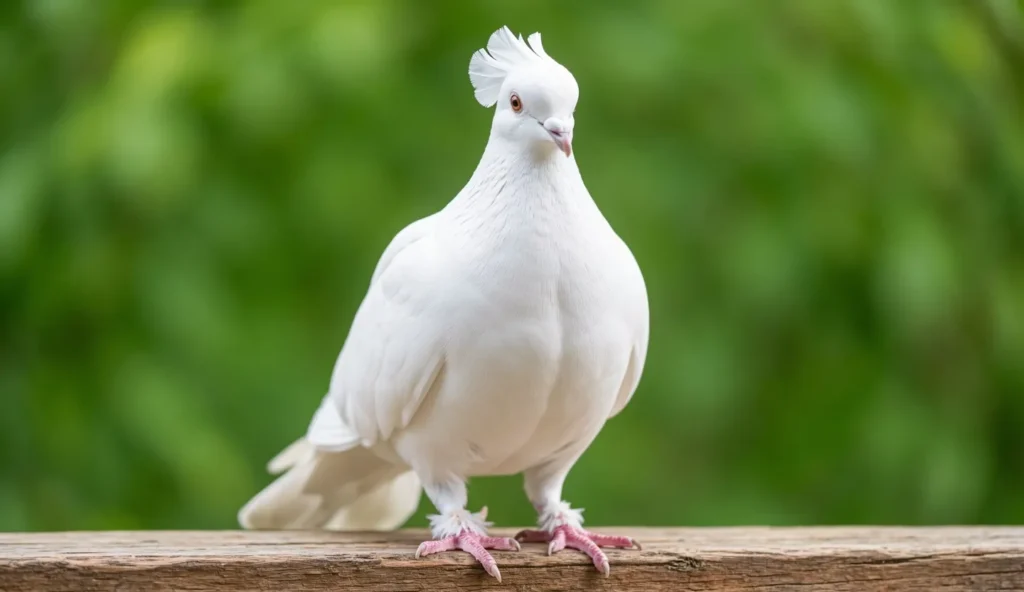
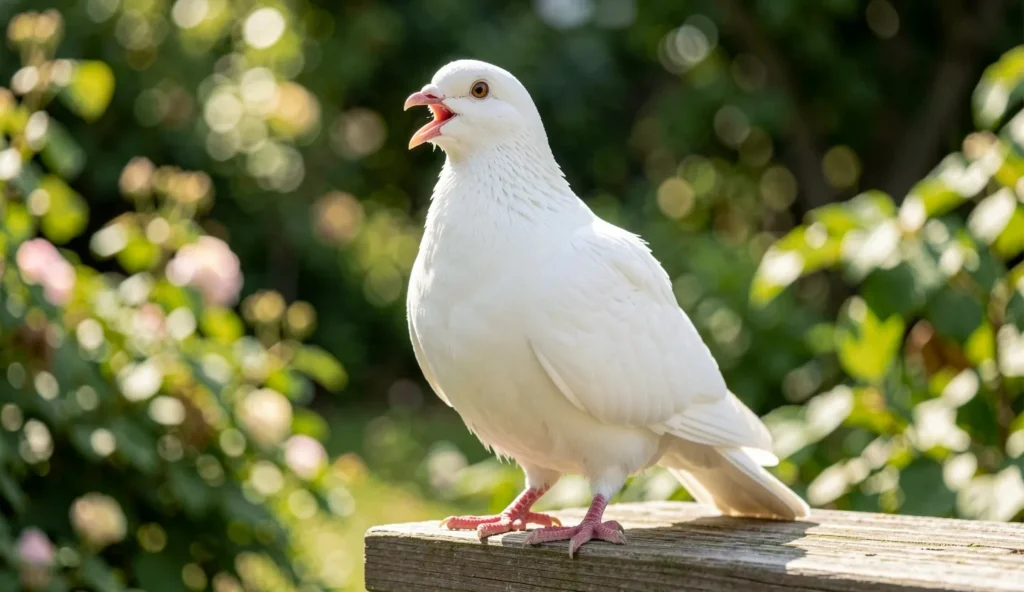
The Trumpeter pigeon is a medium-sized bird with a compact, rounded body and a full chest. Its short beak and slightly raised tail when alert give it a poised, alert silhouette. The breed carries a calm expression that matches its gentle disposition.
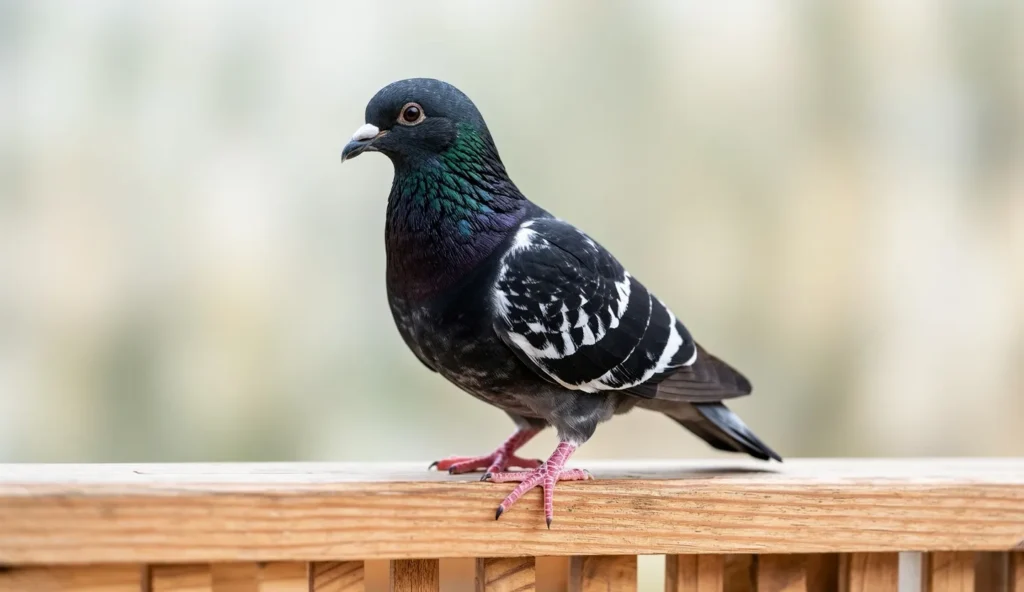
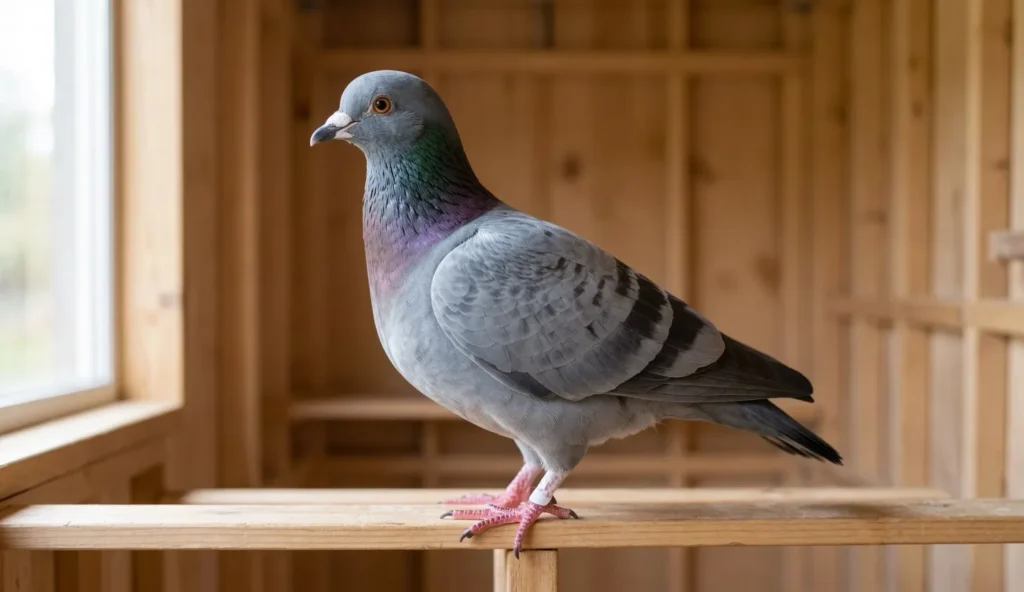
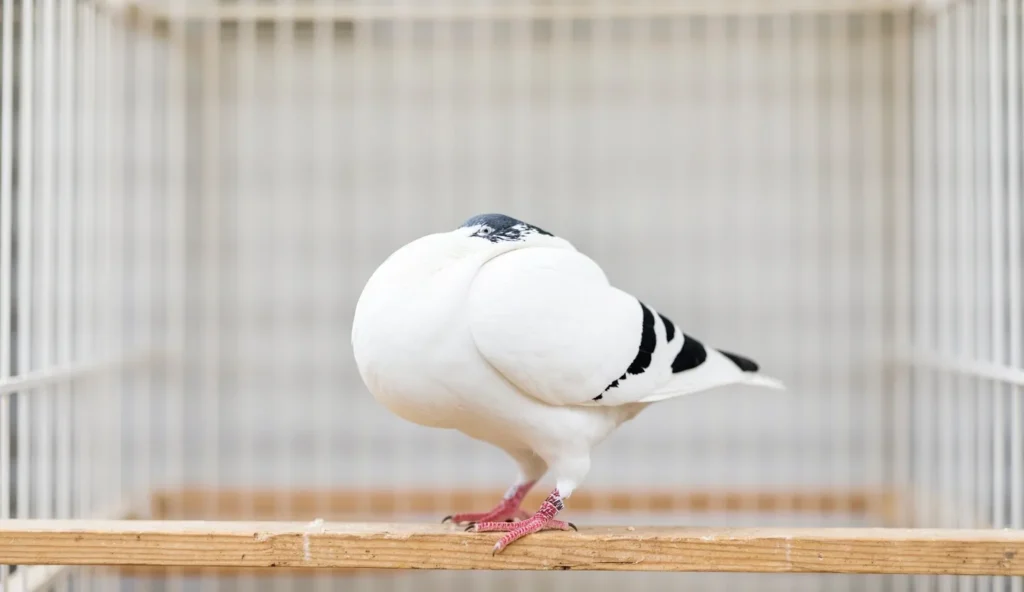
Feather colors range widely, including solid white, black, red, yellow, and blue. Patterned varieties such as splash, mottle, and self are also common and accepted in show standards. The appearance is less flamboyant than some ornamental breeds like the frillback pigeon, but still pleasing to look at.
What Is the Personality of a Trumpeter Pigeon
Temperament Overview
Trumpeter pigeons are generally calm, docile, and easy to handle. They bond strongly with their mate and can become attached to human caretakers who handle them regularly. Aggression is less common in this breed than in some other pigeon varieties.
The bird’s gentle nature makes it a suitable choice for hobbyists who want a relaxed companion. It does not startle easily and adapts well to routine handling. This steadiness is a key reason why the breed appeals to both beginners and experienced fanciers.
Social Behavior
Trumpeter pigeons thrive in pairs or small flocks where they can interact socially. They coo frequently when content, using the sound to communicate with flock mates or their owner. A solitary bird may become quieter and show signs of stress, so companionship is strongly recommended.
When housed with other breeds, Trumpeters typically maintain a peaceful co-existence. They do not bully smaller birds or compete aggressively for food. Their social demeanor is similar to that of the Maltese pigeon, another calm fancy breed.
How to Care for a Trumpeter Pigeon
Housing Requirements
A spacious loft or aviary is essential. Minimum dimensions of four feet by four feet by four feet per pair provide adequate room for exercise and nesting. Good ventilation must be maintained to prevent respiratory issues, a common problem in poorly ventilated coops.
The enclosure should be protected from predators and extreme weather. Perches at varying heights and nesting boxes with soft bedding are necessary for comfort. A covered outdoor loft works best, though a large indoor cage is possible if natural light is provided.
Diet and Nutrition
A high-quality pigeon pellet mix forms the base of the diet. Supplement with grains, seeds such as millet and sunflower, and fresh greens like spinach or kale. Grit aids digestion and must be available at all times.
Clean, fresh water should be provided daily. During breeding or molting, increase protein content by offering peas or commercial breeding supplements. Proper nutrition supports the energy required for frequent vocalising and general health.
Grooming Needs
Trumpeter pigeons require minimal grooming. Dust baths help keep feathers clean and free of parasites. Check feet and beak regularly for any abnormalities, such as overgrowth or injuries. Trim nails if they become too long, using proper bird nail clippers.
Occasionally inspect the vent area for signs of soiling, which could indicate digestive upset. Healthy birds keep themselves clean without much intervention. This low-maintenance aspect makes the breed appealing for busy owners.
How to Train a Trumpeter Pigeon
Taming and Bonding
Begin training with quiet, slow movements inside the loft to avoid startling the bird. Hand-feed treats such as sunflower seeds to build trust over several sessions. Allow the Trumpeter to step onto your hand voluntarily rather than grabbing it.
Patience is critical; some individuals tame quickly, while others take weeks. Once bonded, the bird will approach you willingly and may even coo in greeting. Regular gentle handling reinforces the bond and reduces stress for both bird and owner.
Encouraging the Trumpet Call
Play recordings of Trumpeter pigeon coos to stimulate a vocal response. Provide a mirror or introduce another pigeon to trigger social calling. Note that not all individuals coo with equal frequency, and some may never produce the full trumpet sound.
Environmental enrichment such as perches at different heights and toys can also encourage vocalisation. A content, well-socialised bird is more likely to display its full range of sounds. Avoid forcing the bird to coo, as stress may quiet it further.
Common Health Issues in Trumpeter Pigeons
Respiratory infections are the most frequent problem, often caused by poor loft ventilation. Signs include sneezing, nasal discharge, and laboured breathing. Improve airflow and consult a veterinarian if symptoms appear.
Coccidiosis and internal worms can affect birds housed on dirty floors. Regular cleaning and routine deworming prevent these parasites. Females may experience egg binding, especially if calcium levels are low or nesting conditions are inadequate. Provide a calcium supplement and proper nesting boxes to reduce risks.
Monitoring droppings daily helps catch health issues early. Healthy droppings are firm and dark with a white urate cap. Any sudden change in consistency, color, or frequency warrants attention. Regular health checks are a vital part of trumpeter pigeon care.
Is a Trumpeter Pigeon the Right Breed for You
The Trumpeter pigeon suits hobbyists who appreciate vocal birds and calm companions. It requires a dedicated outdoor loft or a large indoor enclosure with adequate ventilation. The breed is not ideal for apartment living because its deep cooing can carry and disturb neighbors.
Owners should be prepared to keep at least two birds, as Trumpeters thrive on social interaction. They do well in mixed flocks with other docile breeds such as the English Pouter. With proper care, this breed offers years of rewarding companionship and auditory pleasure.
Frequently Asked Questions
Why is it called a Trumpeter pigeon?
The breed is named for its deep, prolonged cooing sound that resembles a trumpet. This unique vocalization is the result of selective breeding specifically for that trait.
How long does a Trumpeter pigeon coo?
A single coo can last three to five seconds, which is longer than most pigeon breeds. Males may repeat the call several times in a row during courtship.
Are Trumpeter pigeons noisy?
They can be louder than other pigeon breeds because of the depth and duration of their coo. Noise is manageable in outdoor lofts but may disturb neighbors in close quarters.
Can Trumpeter pigeons be kept indoors?
Indoor housing is possible with a large cage and daily out-of-cage time. The space must be clean, well-ventilated, and receive natural light.
What color variations do Trumpeter pigeons have?
Common colors include white, black, red, yellow, and blue. Patterns such as splash, mottle, and self are also recognized in breed standards.
How do you encourage a Trumpeter pigeon to coo?
Play recordings of Trumpeter pigeon coos to prompt a response. Introducing a mate or a mirror can also stimulate vocal displays.
Final Note
Trumpeter pigeons bring a unique vocal presence to any aviary of trumpeter pigeon breeding. Their calm temperament and distinctive sound make them a rewarding choice for dedicated pigeon keepers.