What Is a Scandaroon Pigeon
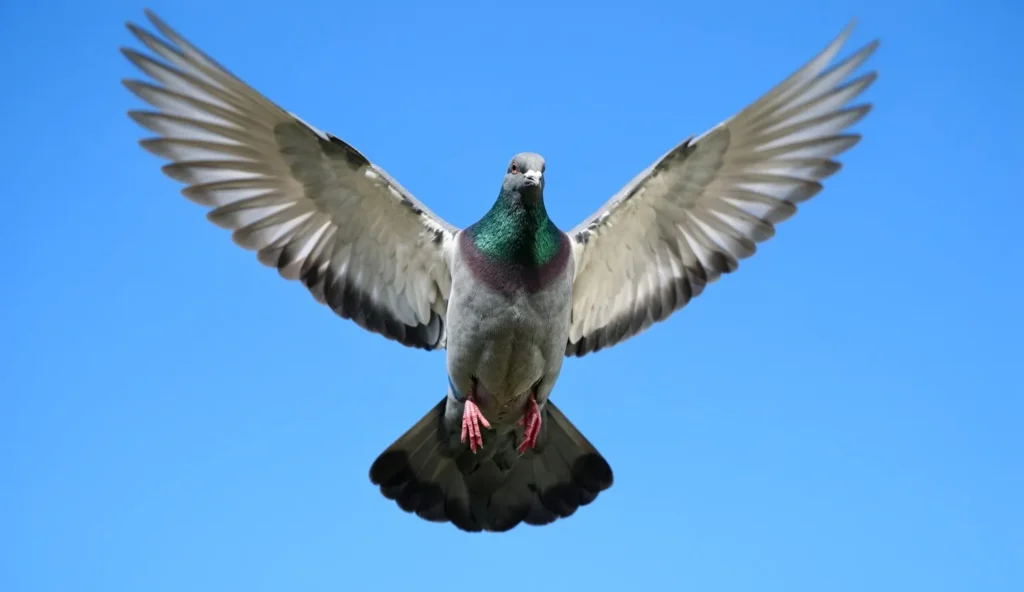
The Scandaroon pigeon is one of the oldest known domesticated pigeon breeds, with origins believed to trace back to the Middle East, possibly Persia or Arabia. This breed stands out for its distinctive elongated head, large cere, and calm demeanor. Historical pigeon keepers value the Scandaroon for its unique appearance and rich heritage.
Origins and Historical Background
The Scandaroon pigeon has been documented since at least the 16th century, appearing in early aviculture texts from Europe and the Ottoman Empire. These birds were bred as symbols of status among nobility and were often kept for decorative purposes in grand aviaries. Trade routes and Ottoman influence helped spread the breed to Europe, where it gained popularity among pigeon fanciers. Like the Old German Owl, the Scandaroon has a long and storied past that fascinates breeders.
Breed Classification and Purpose
The Scandaroon is classified as both a utility and fancy breed, prized for its unusual head shape rather than for meat or racing. This breed has influenced the development of other prominent breeds, most notably the English Carrier. Historically, Scandaroon pigeons were also used for message carrying due to their homing ability and strong flight. Their primary purpose today remains exhibition and preservation of an ancient lineage.
Appearance and Physical Features
The Scandaroon pigeon is a large, robust bird with a broad chest and an upright, proud posture. Its most defining features are the long, narrow head and the prominent, rounded cere at the base of the beak.
Size and Body Structure
Adults typically weigh between 450 and 550 grams and measure 30 to 35 centimeters in length. The body is sturdy with strong legs and a slightly sloping back, giving the bird a balanced and powerful silhouette. This size makes the Scandaroon one of the larger fancy pigeon breeds.
Head and Beak
The head is long and narrow, often described as ram-like due to its distinctive profile. The cere is large, rounded, and fleshy, sitting prominently above the thick, slightly curved beak. This unique head structure is the breed’s most prized characteristic in the show ring.
Plumage and Color Varieties
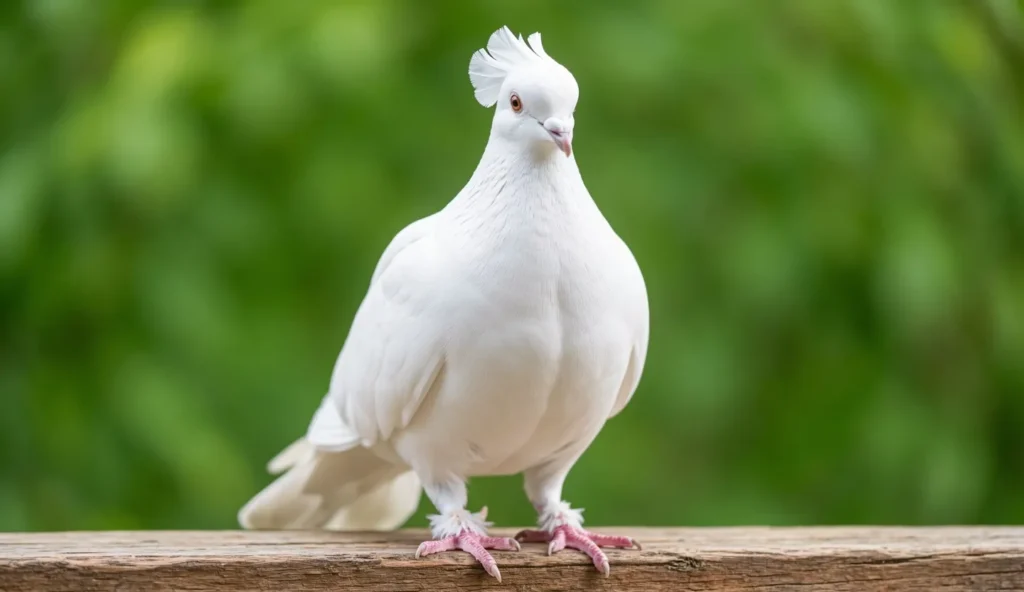
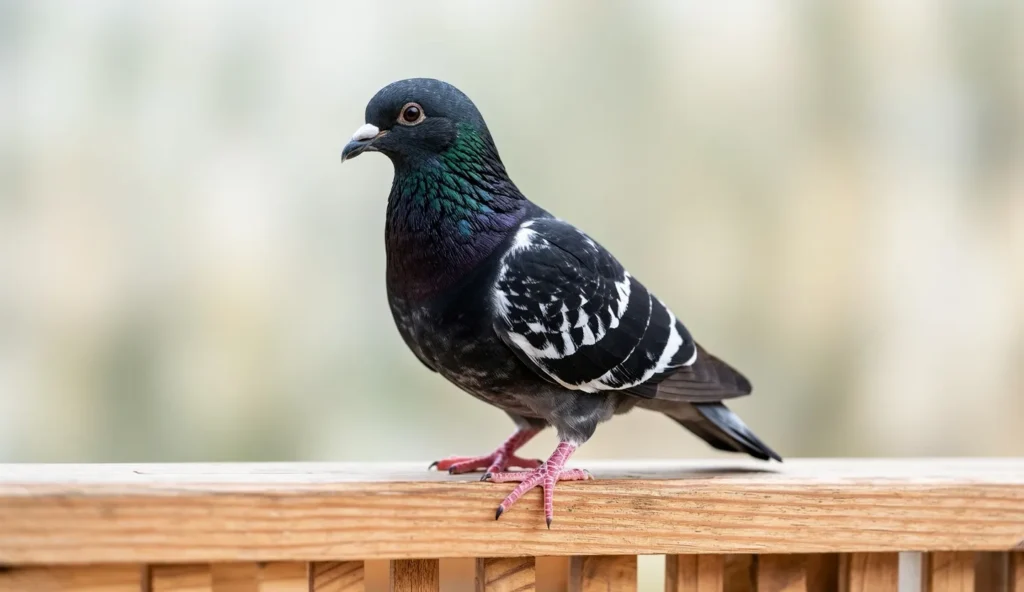
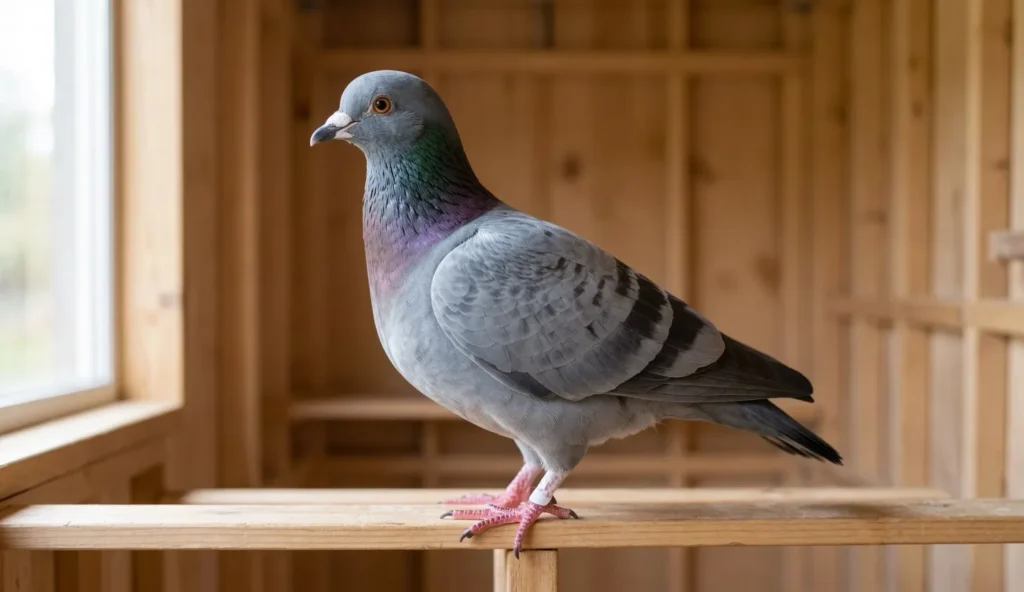
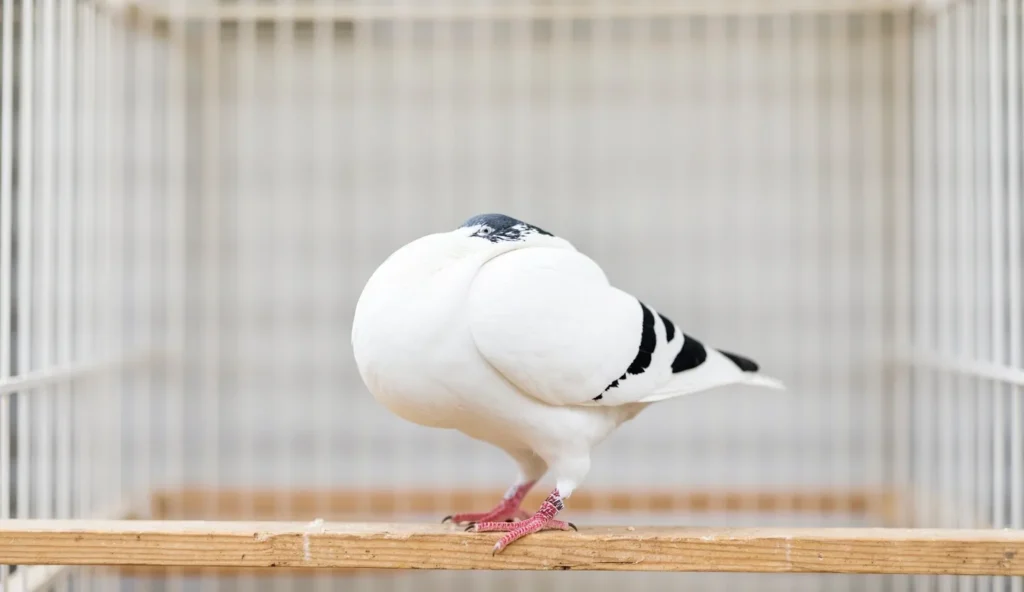
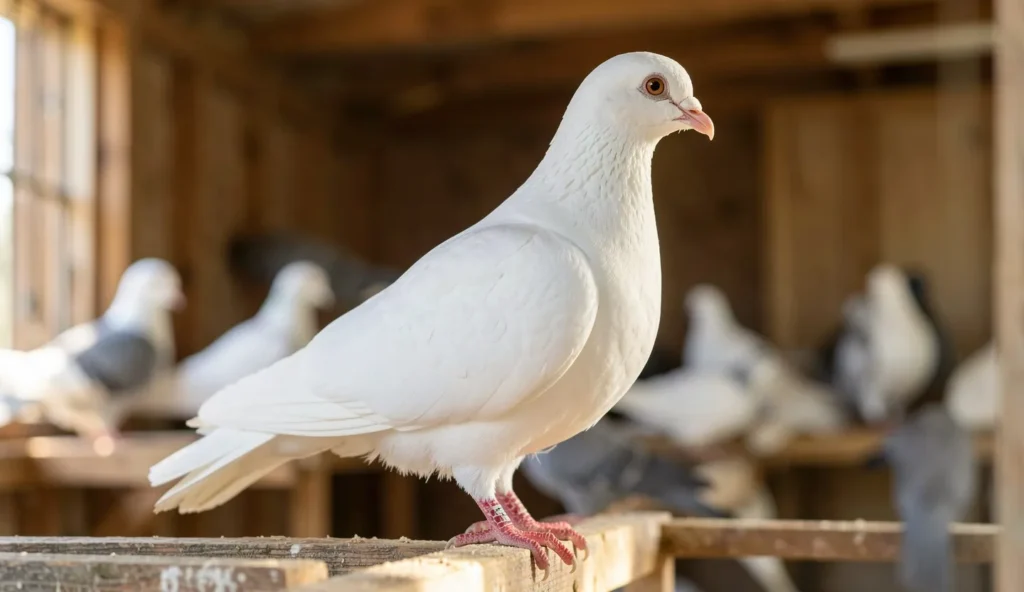
Feathers are smooth, tight, and lie close to the body, requiring minimal grooming. Common colors include white, black, blue check, red, and yellow. Some specimens display mottled or ash-red patterns. For comparison, the Ice pigeon offers a different but equally striking color palette that appeals to collectors.
Temperament and Personality
The Scandaroon pigeon is known for its calm, gentle, and easygoing nature around humans. It can be shy at first but becomes trusting with regular, gentle handling.
General Disposition
These birds are not aggressive toward other pigeons, though they may become territorial in cramped spaces. They thrive in pairs or small groups and are generally docile, making them suitable for keepers who appreciate a serene loft. The fantail pigeon shares a similarly calm temperament, often recommended for those new to fancy breeds.
Intelligence and Trainability
Scandaroon pigeons are moderately intelligent and respond well to positive reinforcement. They can learn simple commands and will return to the loft reliably if trained consistently. These birds prefer routine and will become stressed by sudden changes in their environment.
Housing and Exercise Needs
Providing adequate housing is critical for this breed’s well-being. Scandaroon pigeons require spacious, secure, and well-ventilated accommodation with opportunities for daily flight.
Loft Requirements
A pair of Scandaroon pigeons needs a minimum loft size of 2 meters by 2 meters by 2 meters. Larger flocks require proportionally more space. The loft must be dry, draft-free, and well ventilated. Include perches at varying heights and nest boxes for breeding pairs.
Free Flight and Outdoor Avary
Daily free flight in a covered aviary or a secure outdoor space is essential for maintaining muscle tone and mental health. Ensure the aviary is predator-proof, as these large birds can be vulnerable to hawks, cats, and raccoons. A landing board and easy access to food and water encourage consistent use.
Training and Handling
Training a Scandaroon pigeon requires patience, consistency, and a calm approach. Birds handled from a young age become the most trusting and reliable.
Taming Young Birds
Start hand-feeding squabs at around 10 to 14 days old to build early trust. Spend 15 to 20 minutes daily with each bird, using small seeds as rewards for calm behavior. This routine greatly reduces fear and establishes a bond.
Training for Free Flight or Show
Gradually introduce young birds to outdoor flight after they reach six weeks of age. Teach recall using a specific call or whistle paired with a food reward. For show training, teach the bird to pose calmly on a perch, rewarding stillness with a treat.
Grooming and Care Tips
Regular grooming keeps the Scandaroon pigeon healthy and looking its best. Focus on bathing, nail and beak care, and routine health checks.
Bathing and Feather Care
Provide a shallow dish of plain water two to three times per week during warm weather. Never use soap or additives. Check feathers regularly for parasites, damage, or dirt buildup, especially before shows.
Nail and Beak Maintenance
Trim nails every four to six weeks using small animal clippers. An overgrown beak may need gentle filing by an avian veterinarian. Always provide a cuttlebone or mineral block to promote natural beak wear.
Health Checks
Examine eyes, nostrils, and vent daily for discharge, swelling, or abnormalities. Monitor droppings for changes in consistency or color. Quarantine any new birds for at least 30 days before introducing them to the flock.
Diet and Nutrition
A balanced diet is vital for the Scandaroon pigeon’s longevity and vitality. Provide a high-quality grain mix supplemented with grit, vitamins, and occasional treats.
Base Grain Mix
Feed a mix of small peas, corn, wheat, barley, and milo. Commercial pigeon feed with 14 to 16 percent protein suits most Scandaroon pigeons. Avoid mixes high in oil seeds for non-breeding birds to prevent obesity.
Supplements and Treats
Offer grit and oyster shell for digestion and calcium. Add vitamin and mineral powder to drinking water once weekly. Occasional treats such as sunflower seeds, leafy greens, or soaked bread should be given in moderation. The Carneau pigeon has similar dietary needs, making these guidelines applicable across both breeds.
Water and Feeding Schedule
Change water daily and keep containers clean. Feed twice daily, once in the morning and again in the late afternoon. Remove any uneaten food after 30 minutes to prevent spoilage and reduce pest attraction.
Common Health Issues
Scandaroon pigeons are generally hardy, but they can suffer from respiratory infections, parasites, and beak disorders if not properly cared for.
Respiratory Infections
Symptoms include sneezing, nasal discharge, and wheezing. These infections are often caused by drafts, poor ventilation, or stress. An avian vet should prescribe appropriate antibiotics for treatment.
Parasites
External mites and lice can be treated with permethrin powder. Internal parasites like roundworms and coccidia require regular fecal checks and deworming. Prevent infestations by cleaning the loft weekly and avoiding overcrowding.
Beak and Cere Disorders
Overgrowth may result from insufficient wear or injury. Scaly face mite, caused by Knemidokoptes, requires treatment with ivermectin. Keep perches clean to minimize bacterial buildup. The jacobin pigeon is similarly prone to beak issues, so routine inspection is wise for both breeds.
Is a Scandaroon Pigeon Right for You
The Scandaroon pigeon is an excellent choice for historical pigeon keepers who have space, patience, and some prior experience with fancy breeds. Its calm nature and striking appearance make it a rewarding breed for exhibition or personal enjoyment.
However, beginners may find the housing and flight requirements challenging. These birds need a partner or small group and daily interaction to remain content. If you can provide a spacious, secure loft and commit to regular care, the Scandaroon will thrive under your stewardship.
Frequently Asked Questions
How long do Scandaroon pigeons live?
Average lifespan is 10 to 15 years with proper care, though some individuals reach up to 20 years in optimal conditions.
Are Scandaroon pigeons good for beginners?
They are calm and easy to handle but require ample space and daily flight, so they are best suited for keepers with some prior pigeon experience.
What is the difference between a Scandaroon and an English Carrier pigeon?
The English Carrier is a descendant of the Scandaroon but has a more exaggerated cere and longer beak, while the Scandaroon has a heavier body and less extreme head features.
Do Scandaroon pigeons need a mate?
They are social birds and do best in pairs or small groups. A single bird requires significant human interaction to stay healthy and happy.
How much does a Scandaroon pigeon cost?
Prices range from $50 to $200 depending on lineage and color, with show-quality birds from reputable breeders costing significantly more.
Can Scandaroon pigeons live outdoors year-round?
They tolerate mild climates but need a sheltered loft in cold winters. Provide windbreaks and supplemental heat if temperatures drop below freezing.
Final Note
The Scandaroon pigeon is a living piece of avicultural history, offering both beauty and character to dedicated keepers. With proper housing, diet, and attention to health, this ancient breed can thrive in modern captivity.