Common Marmoset – Breed Information, Traits & Complete Breed Guide
The Common Marmoset Breed is a small New World primate native to Brazil. Known for their vocal chatter and active social life, these primates require a temperature-controlled habitat and diligent daily care.
What Is a Common Marmoset
Origins And Classification
The Common Marmoset, Callithrix jacchus, is a small New World primate native to northeastern Brazil. The Common Marmoset Breed is known for its lively social groups and high vocal activity, making consistent companionship essential. For a broader overview of this type of primate, see Marmoset Monkey.
Appearance And Physical Features
Appearance And Distinctive Traits
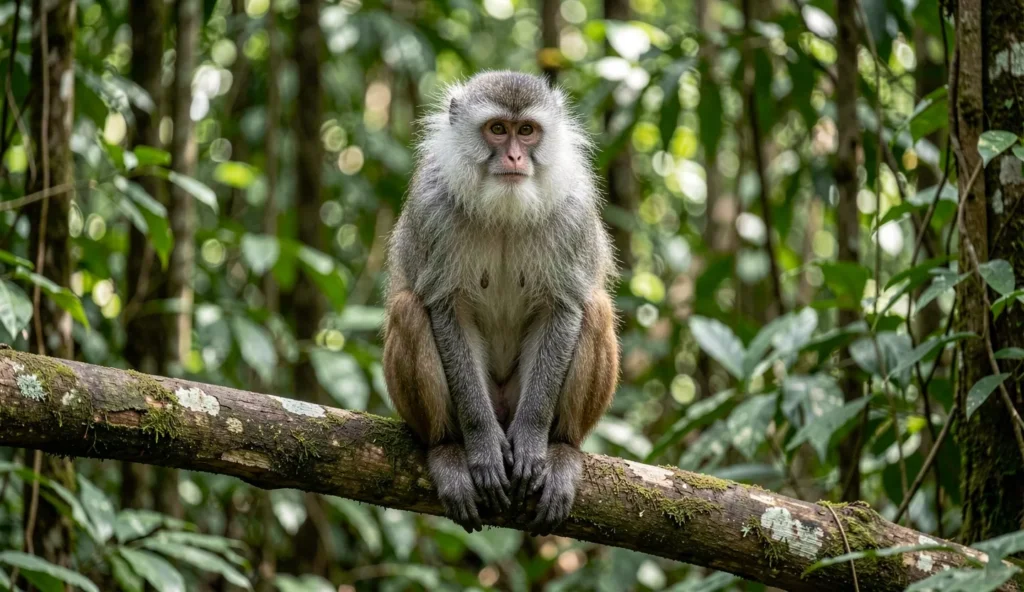
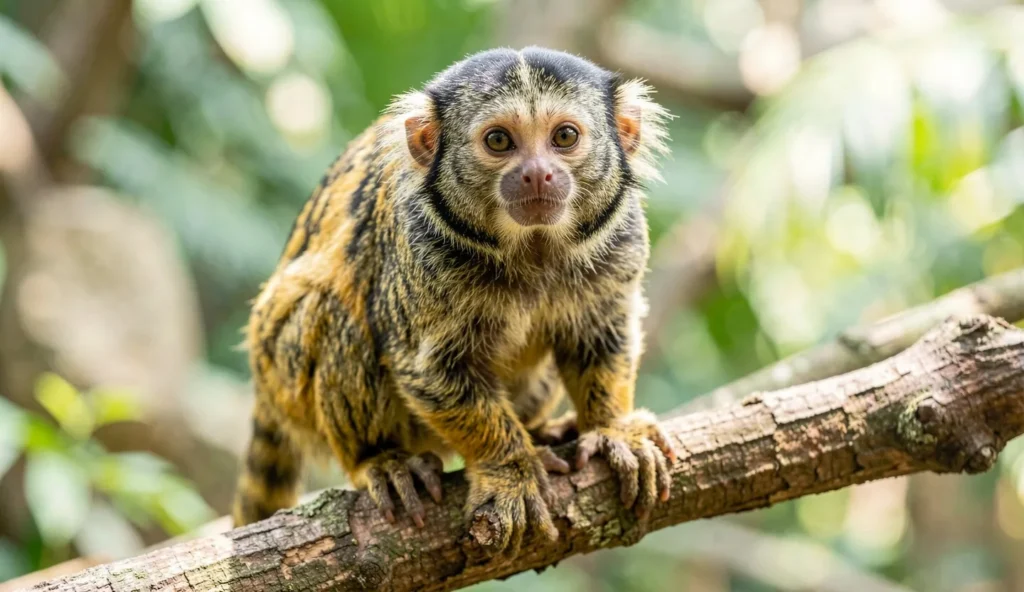
The Common Marmoset typically stands about 6 to 7 inches tall, with a tail longer than its body. Adults weigh roughly 300 to 450 grams and carry a gray coat with distinctive white ear tufts. Some individuals display color morphs like the white tufted marmoset. For more on related small primates, see Capuchin Monkey.
Temperament And Social Needs
Temperament And Social Behavior
The Common Marmoset Breed is highly social and forms tight family groups, using vocal cues to communicate. They thrive with daily social interaction, and a companion is often essential for mental stimulation. Like the Tamarin Monkey, they rely on social dynamics to stay engaged and healthy. For a closer look at a similar energetic primate, see Tamarin Monkey.
Care Tips For Common Marmoset
Diet And Nutrition
A varied daily diet supports dental and digestive health. In captivity, the Common Marmoset Breed typically eats fruit, vegetables, insects, and specially formulated primate chow. A reference diet is sometimes compared to the feeding pattern of the Tamarin Monkey. Ensure fresh water is available at all times and monitor dietary variety to prevent obesity. Limit sugary or processed foods and avoid toxic plants.
Grooming And Hygiene
- Trim nails carefully to avoid scratches during handling.
- Regular dental checks and safe tooth care practices.
- Maintain clean enclosure and prune soiled areas.
Enrichment And Exercise
- Provide daily play and climbing structures for physical activity.
- Offer foraging toys and a variety of enrichment items.
- Ensure safe outdoor time in secure enclosures when allowed.
Handling And Socialization
- Introduce slowly and handle gently to build trust.
- Supervise all interactions with humans and other animals.
- Respect their social needs by providing companionship if appropriate.
Health Issues And Veterinary Care
Common health concerns include dental problems, obesity, and digestive issues. Regular veterinary checks help detect problems early and guide preventive care. Some primate health considerations are shared with other species such as the Mandrill Monkey.
Is A Common Marmoset Right For You
Is A Common Marmoset Breed A Good Match For You
The Common Marmoset Breed requires a substantial commitment, a temperature-controlled living space, and ongoing social interaction. This animal is best suited for experienced exotic pet enthusiasts who can meet legal and husbandry requirements and provide long-term enrichment. Ownership should be weighed against the need for companionship and active daily care, as with other pet primate examples such as the Baboon Monkey.
Frequently Asked Questions
What is the scientific name for the Common Marmoset?
The scientific name is Callithrix jacchus.
How much space does a Common Marmoset need in a home enclosure?
A spacious, vertically oriented enclosure with enrichment and secure access is essential.
Are Common Marmosets legal to own in the United States?
Ownership legality varies by state and locality and should be verified before considering a pet marmoset.
What should a daily diet look like for a Common Marmoset?
A varied daily diet includes fruit, vegetables, insects or protein, and primate chow with fresh water available.
How vocal is a Common Marmoset and how to manage noise?
They are highly vocal, and noise management involves enrichment and a stable routine.
Do Common Marmosets require companions?
Yes, they are highly social and typically benefit from suitable companionship and safe introductions.
Final Note
Careful planning and ongoing enrichment help ensure a healthy, engaged Common Marmoset Breed companion. With proper housing, diet, and social needs met, owners can enjoy a thriving pet primate.