What Is an Angolan Colobus
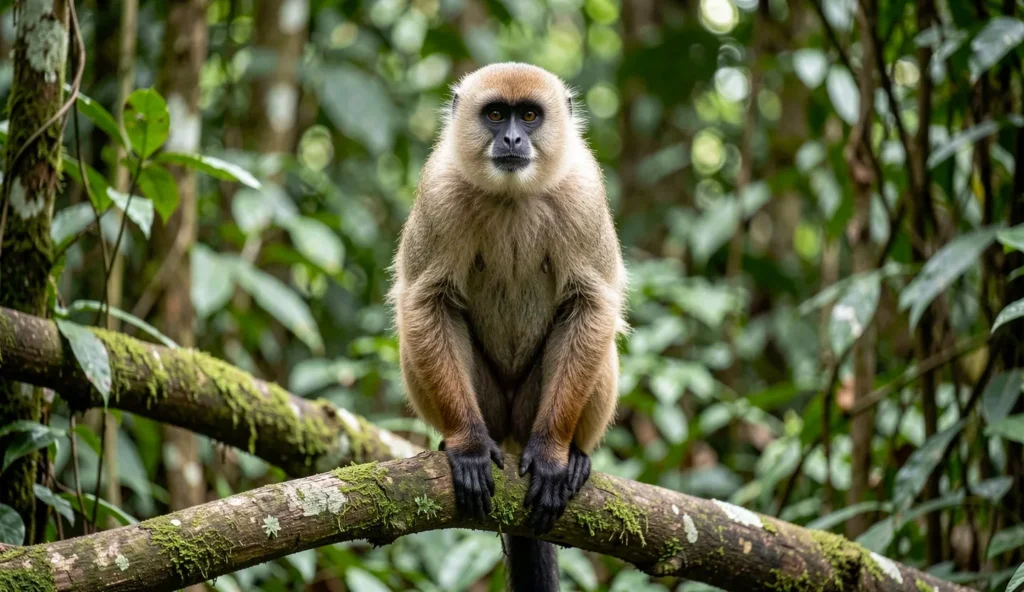
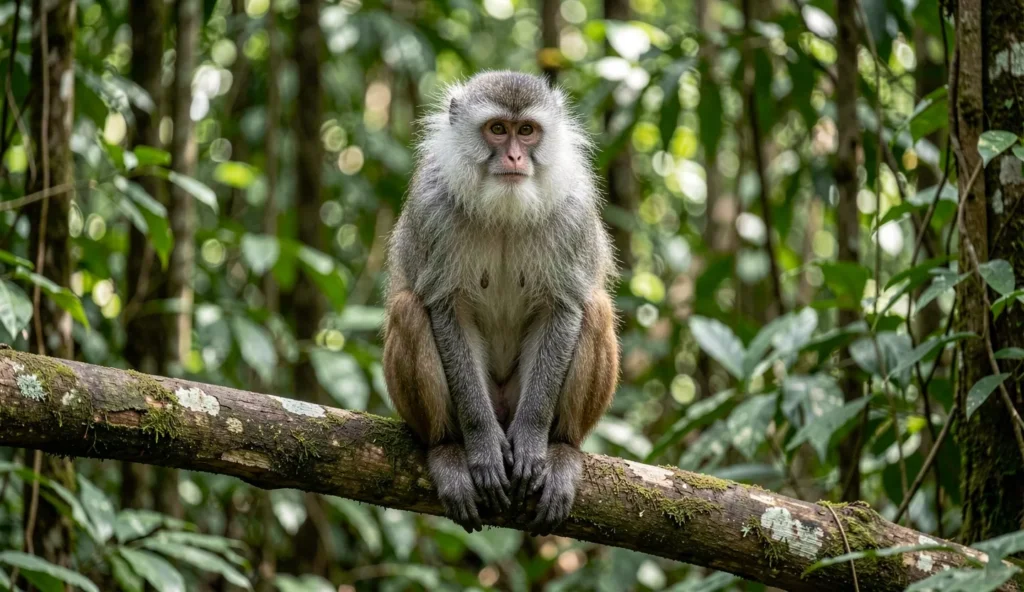
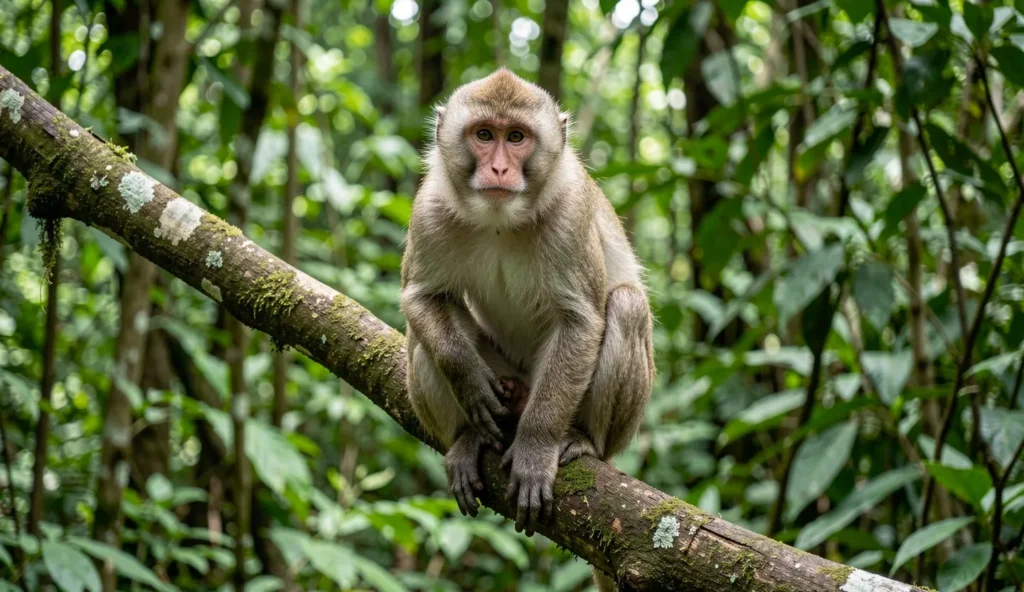
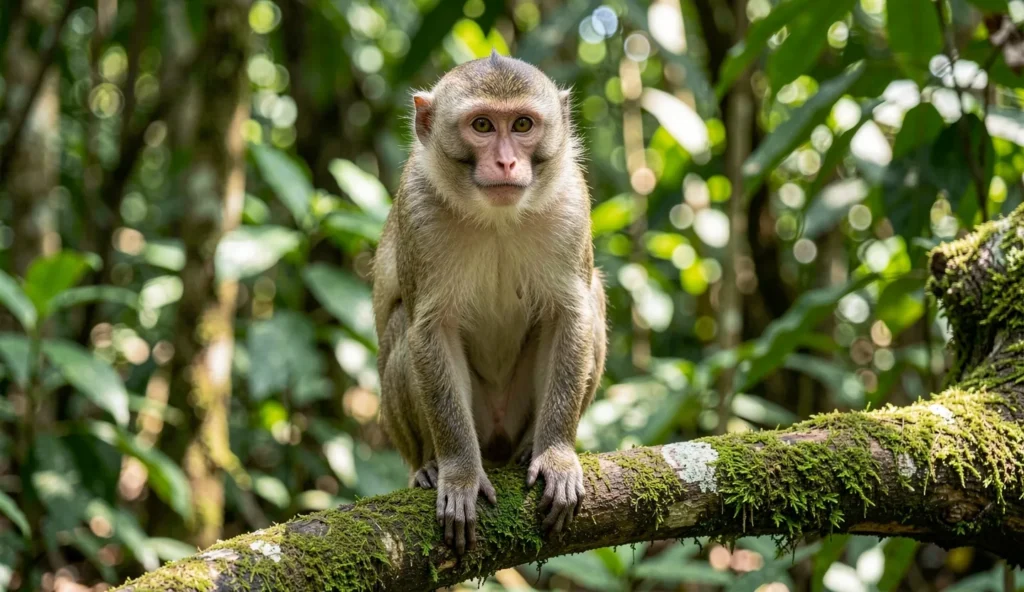
The Angolan Colobus is a medium sized primate native to forests in Angola and nearby regions. This species is folivorous, has a striking black body with a white mantle, and a long white tail used for signaling and balance in the canopy. Its blend of vivid coloration and intricate social life makes it a compelling subject for exotic pet enthusiasts and observers alike.
Colobus angolensis is a term you may see in scholarly discussions, reflecting the species’ taxonomic references and regional naming conventions.
Key Facts About This Primate
- Found in forests across Angola and adjacent regions
- Distinct black body with a white mantle
- Long white tail used for signaling and balance
- Primarily folivorous with a leaf based diet
- Highly arboreal and social living in groups
Appearance And Physical Features
The Angolan Colobus shows a bold color pattern that helps it blend into dappled forest light. In addition, the long tail is a signature feature that aids balance while moving high in the trees.
Distinctive Fur And Coloration
- Black fur contrasts with a white mantle
- Long white tail is a signature feature
- Coat provides camouflage in dappled forest light
Size And Build
- Medium to large primate with a sturdy frame
- Tail length typically longer than the body aiding balance
Temperament And Social Life
The Angolan Colobus is known for its social nature and coordinated group movement. Observation reveals complex vocalizations that help coordinate activities and territory boundaries.
Social Structure And Group Dynamics
- Live in multi male multi female groups
- Grooming reinforces social bonds and reduces stress
- Vocalizations coordinate movement and territory
Interaction With Humans
- Generally wary of humans
- Best observed from a respectful distance in natural settings
Diet And Foraging Habits
Leaf based foraging dominates daily activity, with fruit and flowers providing seasonal supplements. Foraging behavior shows selective feeding on high quality foliage.
Leaf Based Diet Details
- Leaves form the core of the diet
- Fruit and flowers supplement intake when available
Foraging Behavior
- Selective feeders choosing high quality foliage
- Foraging occupies a large portion of daily activity
Health And Lifespan
In natural settings, the Angolan Colobus faces fewer health stressors than in captivity, but owner and observer welfare depends on appropriate care and enrichment if kept in managed environments. Lifespan varies with environment and care, and veterinary oversight supports long term health.
Common Health Concerns In Captivity
- Stress-related issues from restricted space
- Respiratory infections in suboptimal habitats
- Dental problems from inappropriate diets
Lifespan And Veterinary Care
- Lifespan varies with environment and care
- Regular veterinary checks are essential for long-term health
- Proper enrichment supports physical and mental well-being
Is Angolan Colobus Right For You
Potential keepers must weigh ethical and legal considerations before pursuing ownership. Understanding welfare needs helps align expectations with natural behavior and proper care.
Ethical And Legal Considerations
- Legality of keeping wild primates varies by country
- Ethical concerns center on welfare and natural behavior
- Maintaining appropriate housing and social opportunities is essential
Better Ways To Engage With The Species
- Support conservation initiatives and reputable sanctuaries
- Observe in accredited facilities or sanctuaries
- Educate oneself about wild populations without ownership
Final Note
This guide provides a factual overview of the Angolan Colobus for enthusiasts and observers alike.
Frequently Asked Questions
What habitat does the Angolan Colobus inhabit in the wild?
In the wild, Angolan Colobus monkeys inhabit dense tropical forests and riverine woodlands across Angola and nearby regions.
What does the Angolan Colobus eat in its natural habitat?
Their diet is mainly leaves, with fruit and flowers providing seasonal supplements.
How big does an Angolan Colobus typically get?
Adults are medium to large primates with a robust body and a long tail.
Are Angolan Colobus good pets for exotic pet enthusiasts?
No, they have complex social needs and legal protections that make keeping them as pets inappropriate and often illegal.
What are the major threats to Angolan Colobus populations?
Habitat loss, fragmentation, and hunting are the main threats to wild populations.
Where can one observe Angolan Colobus safely and ethically?
In protected forests and accredited sanctuaries or reserves that prioritize welfare and conservation.