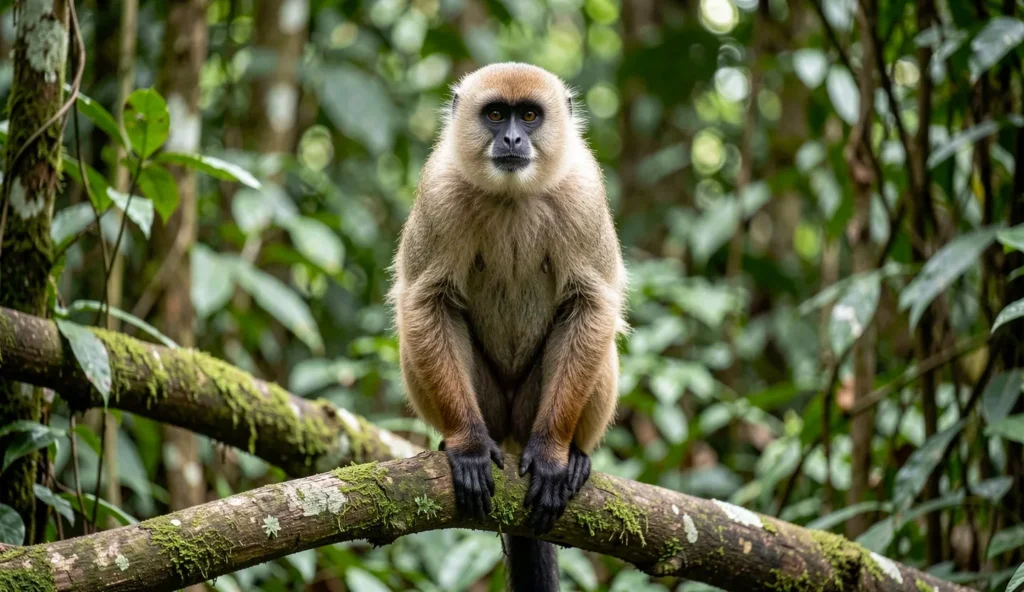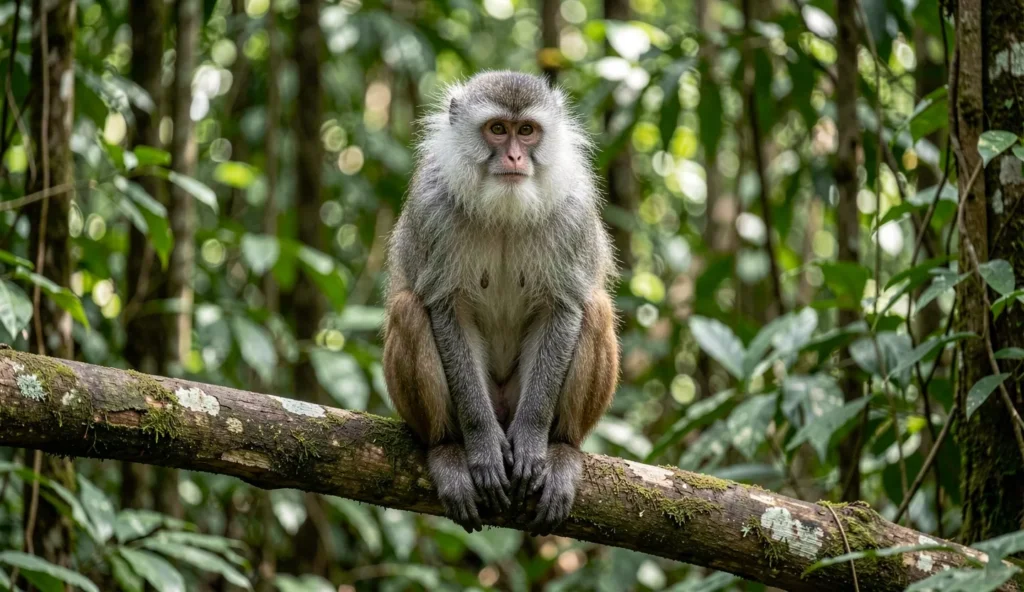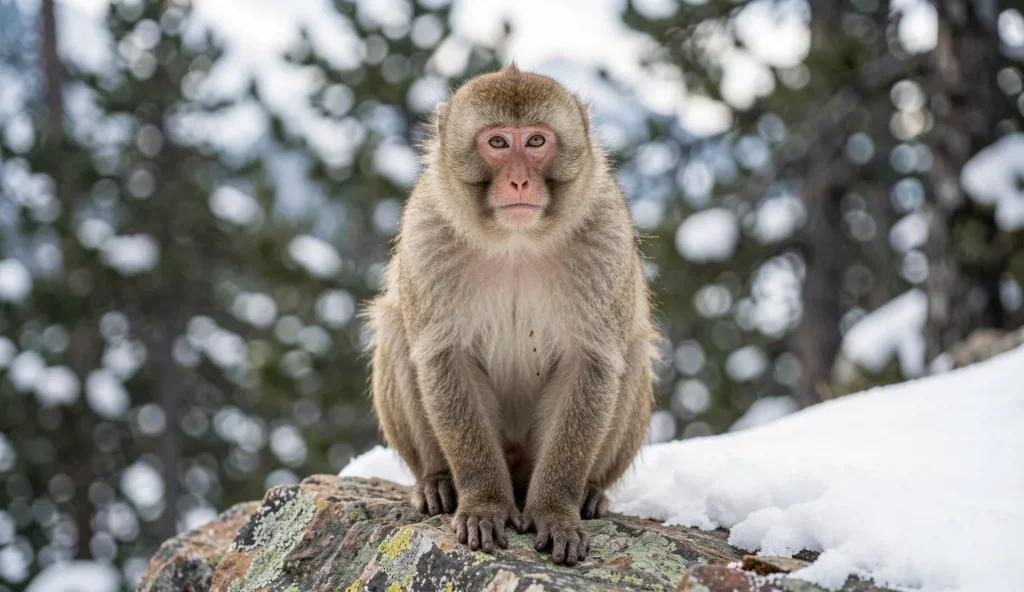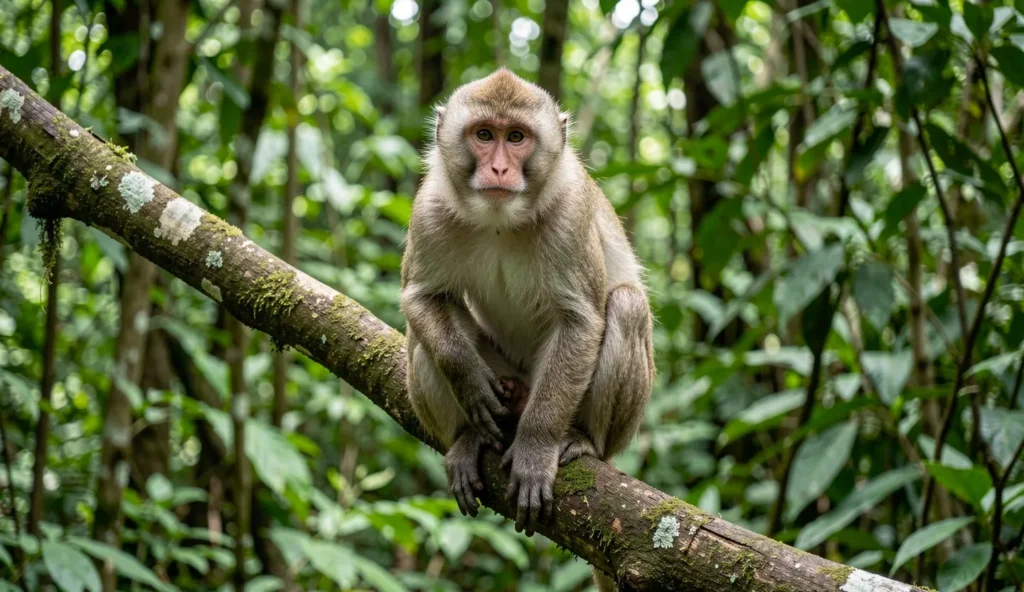
What Is a Bonnet Macaque
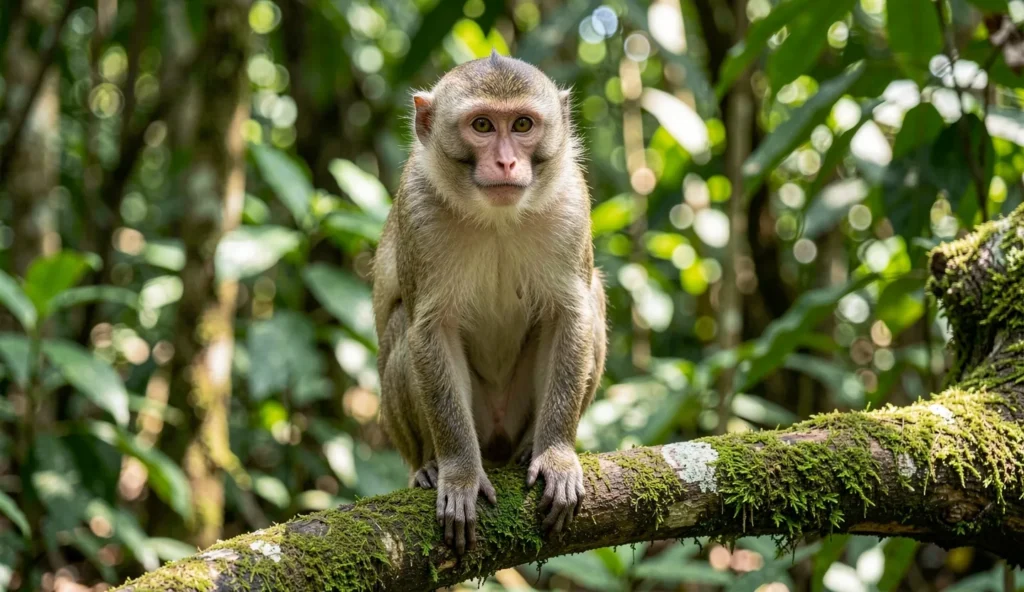
The Bonnet Macaque is a medium sized primate native to southern India. This species is known for its distinctive bonnet shaped hair crest that gives it its common name.
For a broader view of macaques, readers can explore the Rhesus Macaque Breed.
Taxonomic Classification and Native Range
- Bonnet macaque scientific name is Macaca radiata.
- Endemic to southern India.
- Part of the Macaca genus.
- Often called bonnet macaque due to hair pattern.
- Lives in multi male, multi female troops.
Key Facts About This Primate
- Medium sized monkey.
- High social intelligence and complex social bonds.
- Omnivorous diet with fruit and invertebrates.
- Distinctive crest of hair forms bonnet appearance.
- Related to other macaques in behavior and care needs.
Appearance and Physical Features
The Bonnet Macaque displays a robust build with a reddish brown upper coat and lighter underparts, while a pale crest sits atop the head. Dark facial skin and expressive eyes complete its characteristic look.
For a side by side look at similar primates, see the Tufted Capuchin Breed.
Size And Build
- Body length varies by sex and age.
- Tail length complements body size.
- Athletic and agile with strong limbs.
Fur Color And Distinctive Traits
- Reddish brown upper fur.
- Lighter underparts.
- Pale crest on the head.
- Dark face with expressive eyes.
Social Behavior And Temperament
The Bonnet Macaque lives in active social groups with clear hierarchies, and grooming plays a key role in maintaining bonds. Vocalizations help coordinate movement and signal mood within the troop.
Curious but can be wary of new humans, and individuals may guard food resources, requiring careful introductions.
Social Structure And Group Dynamics
- Live in multi tiered troops.
- Female philopatry influences groups.
- Grooming strengthens bonds.
- Vocalizations convey mood and location.
Human Interaction And Temperament
- Curious but can be wary of new humans.
- Potentially territorial around food.
- Requires gradual, respectful introductions.
Habitat And Range In India
In the wild, Bonnet Macaques prefer forest edges and light canopy, where they are mainly arboreal but may forage on the ground. They are most active in cooler morning hours, using trees for safety and foraging.
The Crab-Eating Macaque shares similar habitat features and often occupies riverine and mangrove zones in parts of Asia, illustrating how habitat variety supports their adaptability.
Natural Habitat Preferences
- Forests edges and light canopy.
- Arboreal with occasional ground activity.
- Active in cooler morning hours.
Geographic Distribution Within South India
- Concentrated in Western Ghats and adjoining regions.
- Found in Kerala, Karnataka, Tamil Nadu zones.
- Common in protected reserves and sanctuaries.
Exercise And Enrichment Needs
Daily activity is essential for physical health and mental well being, with climbing and foraging forming a core part of everyday life. Outdoor exploration for a couple of hours daily helps maintain agility and engagement.
Enrichment should include foraging puzzles and social play, with toys rotated regularly to prevent boredom and promote problem solving.
Daily Exercise Requirements
- Frequent climbing and foraging trips.
- Outdoor activity 2 to 3 hours daily.
- Varied terrain supports movement.
Mental Stimulation And Toys
- Puzzle feeders support foraging.
- Social play and problem solving.
- Rotate enrichment to prevent boredom.
Diet And Nutrition
An omnivorous diet includes fruit, seeds, and insects, with leafy greens and vegetation serving as supplements. Fresh water should be available at all times to maintain hydration.
In dietary planning, include ripe fruit, leafy greens, and insects while limiting processed items and human foods to prevent health issues.
Diet Overview
- Omnivorous diet includes fruit, seeds, insects.
- Leafy greens and vegetation as supplements.
- Fresh water at all times.
Foods To Include And Avoid
- Include ripe fruit, leafy greens, insects.
- Limit human foods and processed items.
- Avoid toxic plants and candies.
Grooming And Care Tips
Group housing is essential for social health, with enrichment and climbing structures providing a stimulating environment. Regular social grooming supports hygiene and reduces stress.
Handling should always be gradual and respectful to minimize stress and encourage positive associations with caregivers.
Grooming Requirements
- Regular coat assessments during bonding.
- Nail trims rarely required.
- Social grooming supports hygiene.
Housing And Handling Enrichment
- Group housing is essential.
- Enclosures with climbing structures.
- Safe areas for rest and privacy.
Health Issues And Veterinary Care
Common health concerns include parasites and dental problems, with crowded living spaces increasing respiratory infection risk. Diet quality directly affects vitamin balance and overall health.
Preventive healthcare involves regular checkups with a primatologist or veterinarian, vaccinations where appropriate, and quarantine of new individuals with health monitoring.
Common Health Issues
- Parasites and dental problems can occur.
- Respiratory infections possible in crowded spaces.
- Vitamin deficiencies if diet is poor.
Preventive Healthcare
- Regular checkups with a primatologist or vet.
- Vaccinations where appropriate.
- Quarantine new individuals and monitor health.
Is Bonnet Macaque Right For You
Ownership suitability hinges on experience, space, enrichment availability, and a long-term commitment to care. Prospective keepers should assess legal and ethical considerations before making a decision.
Experienced exotic pet owners with access to a comprehensive enrichment ecosystem typically understand the responsibilities involved, and should review local regulations and permits.
Who Should Consider One
- Experienced exotic pet owners.
- Sufficient space and enrichment ecosystem.
- Commitment to long term care.
Legal And Ethical Considerations
- Research local laws and permits.
- Consider ethical implications of keeping wild species.
- Ensure responsible sourcing and welfare standards.
Final Note
Careful planning and ongoing enrichment are essential when considering a bonnet macaque as a pet or research companion.
Frequently Asked Questions
How big does a bonnet macaque typically grow?
They are mid sized monkeys with body length around 40 to 60 centimeters including the tail.
Can bonnet macaques live in apartments or small living spaces?
They require large, enriched habitats and cannot thrive in typical apartments.
What is the typical social structure of bonnet macaques?
They live in multi female groups with complex social hierarchies.
Are bonnet macaques legal to own as pets in India?
Ownership laws vary by region and require permits, and many areas restrict native species.
Final Note
Closing encouragement