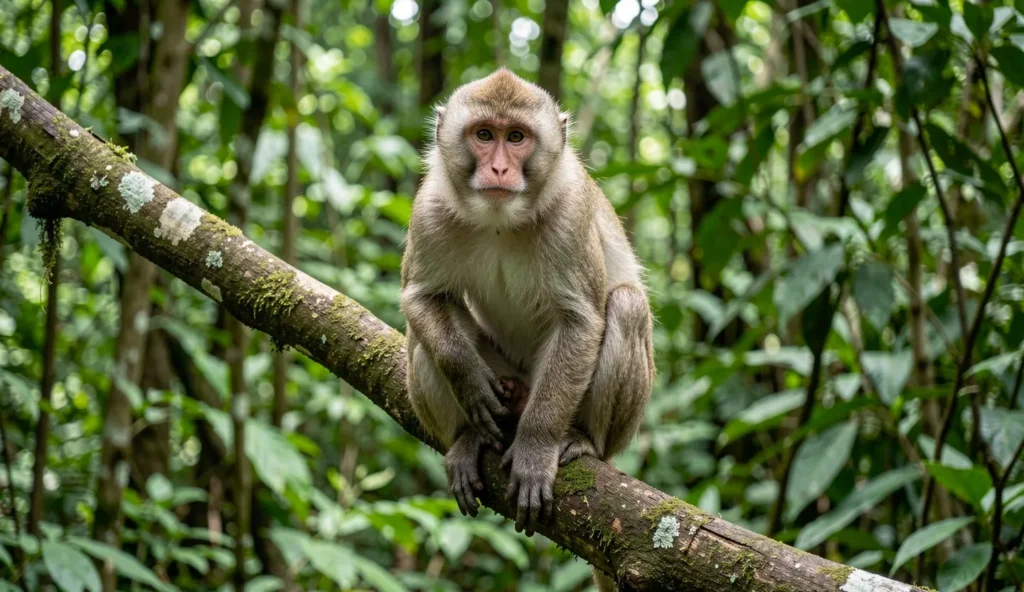
What Is an Assam Macaque
The Assam Macaque is a medium-sized Old World monkey native to Northeast India and neighboring regions. This species, scientifically known as Macaca assamensis, is part of the genus Macaca and is listed as Near Threatened by the IUCN.
Scientific Name and Classification
- Scientific name is Macaca assamensis.
- Belongs to Old World monkeys in the genus Macaca.
- Listed as Near Threatened by IUCN.
Native Range and Habitat
- Found in Northeast India and neighboring regions.
- Forest and riverine habitats in hilly areas.
- Altitude up to around 1,500 meters.
For related context, see the Rhesus Macaque Breed article for comparison.
For a closely related species, see the Japanese Macaque Care guide to understand regional differences in care and behavior.
Appearance and Physical Features
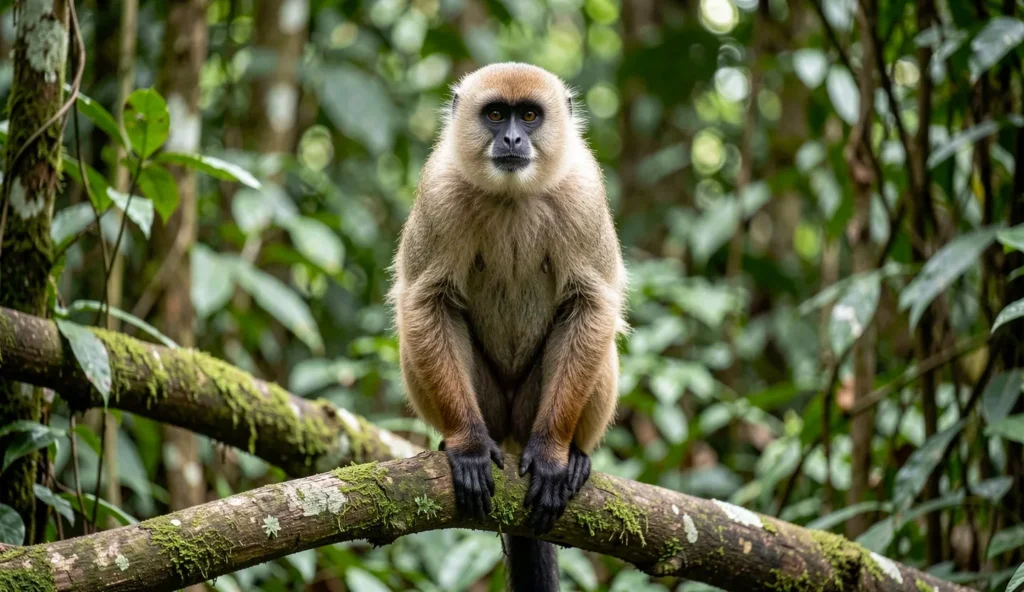
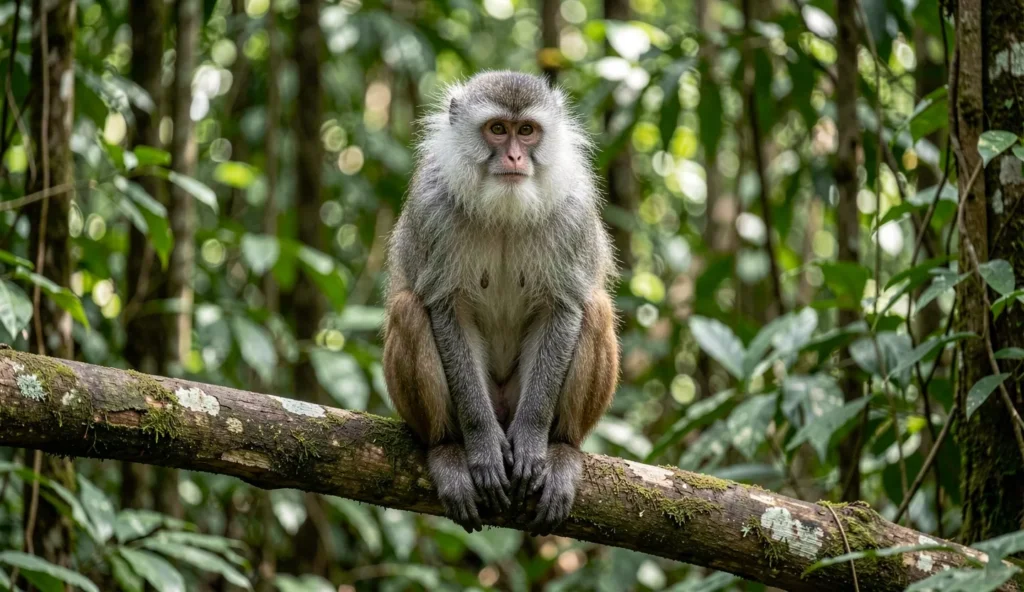
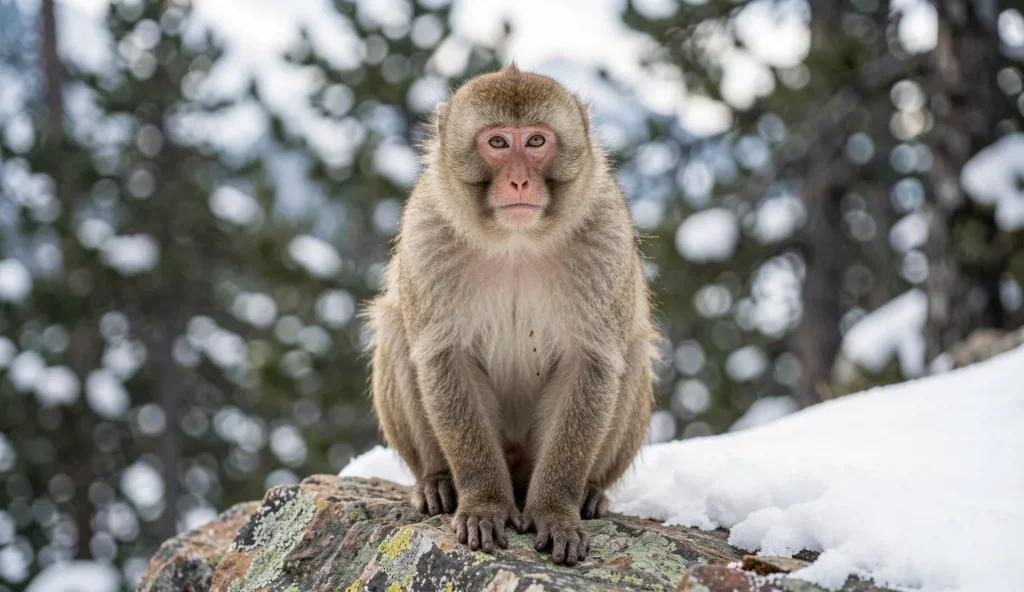
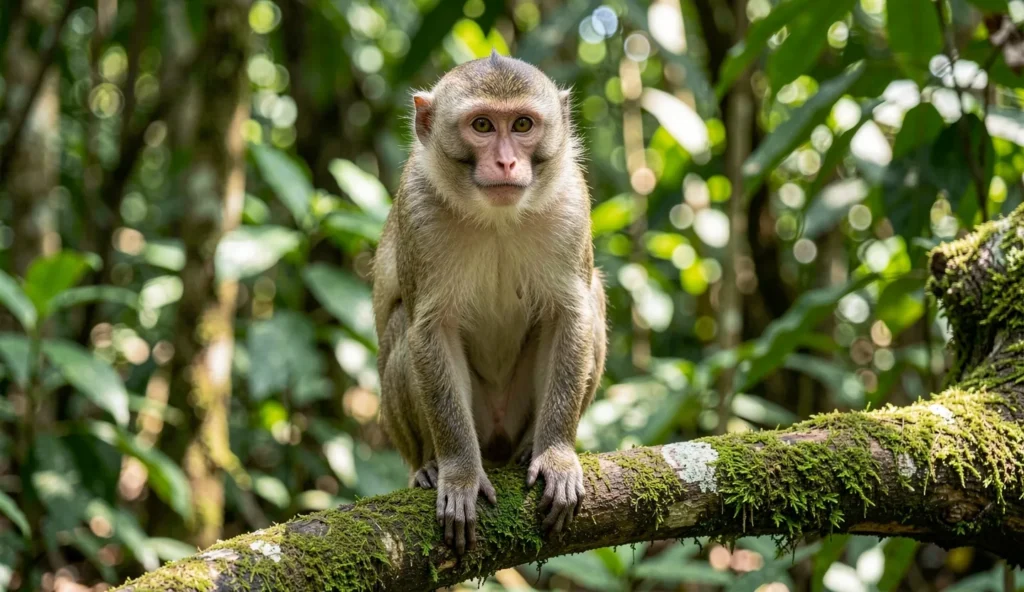
The Assam Macaque displays a sturdy build with a tail that helps balance in uneven terrain. The fur color ranges from brown to gray, and the face tends to be darker and exposed, aiding individual recognition.
Size And Build
- Medium-sized primate.
- Body length roughly 40 to 60 cm.
- Tail often similar or longer than body.
Fur Color And Distinguishing Markings
- Coarse brown to gray fur.
- Face typically darker and exposed.
- Distinct facial features aid recognition among groups.
Face And Tail Characteristics
- Broad, flat face with expressive eyes.
- Non-prehensile tail used for balance.
- Facial expressions play a role in social signaling.
Social Structure and Behavior
In the wild, these macaques live in multi-male, multi-female troops, where grooming reinforces bonds and hierarchy. Movement and foraging are coordinated to maximize food access and safety.
Social Groups And Daily Life
- Live in multi-male, multi-female troops.
- Grooming reinforces bonds and status.
- Foraging and movement are coordinated within the group.
Interactions With Humans And Other Species
- Habitat fragmentation can raise conflict potential.
- Generally wary of humans and adapt to edge habitats.
- Interactions with humans are discussed in the Crab-Eating Macaque article for comparison.
Diet And Nutrition
In the wild, the Assam Macaque relies on a varied diet that changes with seasonal availability. Balanced nutrition in captivity should reflect natural options and provide enrichment opportunities.
Typical Wild Diet
- Fruits, seeds, leaves, and insects dominate.
- Seasonal variation reflects food abundance in forests.
- Diet composition supports daily energy needs for activity.
Feeding In Captivity And Ethical Considerations
- Diet should mimic natural intake.
- Avoid processed human foods.
- Provide balanced nutrition and enrichment to prevent boredom.
In the wild, the Assam Macaque relies on a varied diet that changes with seasonal availability.
Care Housing And Health Considerations
Housing and enrichment should simulate natural conditions, with social housing to support welfare and reduce stress. Regular checks and cleanings are essential for health maintenance.
Housing And Enrichment Needs
- Large, secure outdoor enclosures.
- Vertical space with perches and puzzles.
- Social housing supports welfare.
Grooming And Hygiene
- Routine health checks and parasite control as needed.
- Respectful handling to reduce stress during care.
- Regular observation for early signs of illness.
For broader primate care strategies, see the Emperor Tamarin guidelines.
Common Health Issues And Veterinary Care
- Parasites and infectious diseases are possible concerns.
- Regular veterinary exams support long-term health.
- Vaccination considerations depend on legal status and local regulations.
Hanuman Langur care insights can provide additional welfare context, see the Hanuman Langur resource for comparison.
Is Assam Macaque Right For You
Ownership requires careful assessment of legal and welfare responsibilities before making a decision. Prospective keepers should assess the long-term commitment and required facilities.
Suitability And Legal Considerations
- Legal restrictions vary by region.
- Responsible ownership requires permits and approvals.
Owners should understand the Assam Macaque requires long-term commitment and specialized care.
Ethical And Welfare Considerations
- Requires specialized care and enrichment.
- Not ideal for inexperienced owners.
Ethical and welfare considerations align with broader primate care discussions, including the Japanese Macaque Care perspective and related guidance.
FAQs Assam Macaque
What exactly is the Assam Macaque and where is it native?
It is a medium sized primate Macaca assamensis native to Northeast India and neighboring regions.
Is the Assam Macaque considered endangered or near threatened?
Yes, it is listed as Near Threatened due to habitat loss and hunting pressures.
What does an Assam Macaque eat in the wild and in captivity?
In the wild the diet includes fruit, seeds, leaves and insects, and captive diets should mimic this with balanced nutrition.
Can Assam Macaques be kept as pets and what are the legal issues?
Keeping them as pets is prohibited or tightly regulated in many areas and requires permits and specialized facilities.
Final Note
Potential keepers should prioritize welfare, legality, and proper enrichment to support a healthy, ethical relationship with the Assam Macaque.