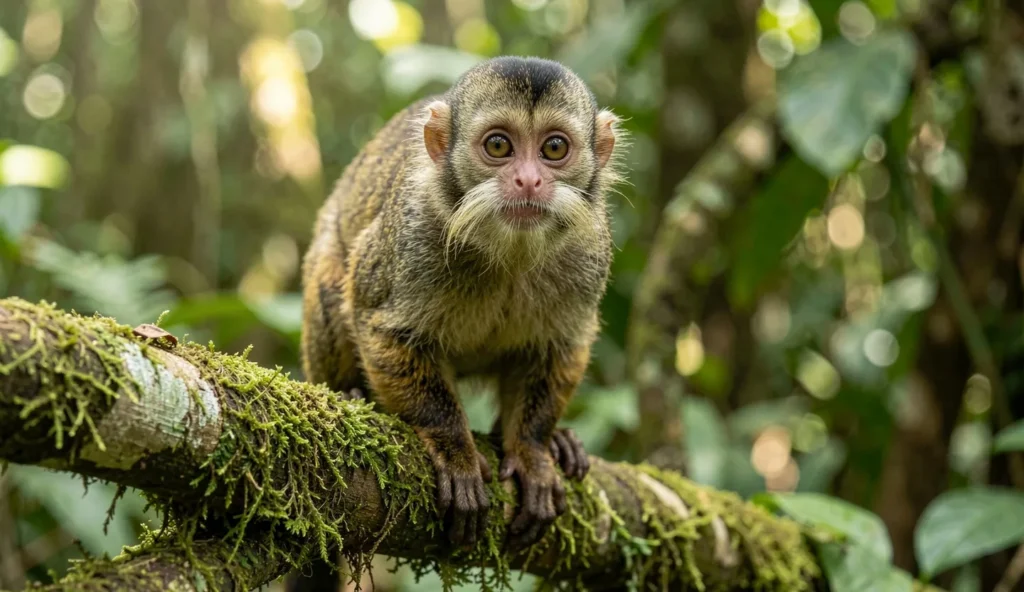
What Is an Emperor Tamarin?
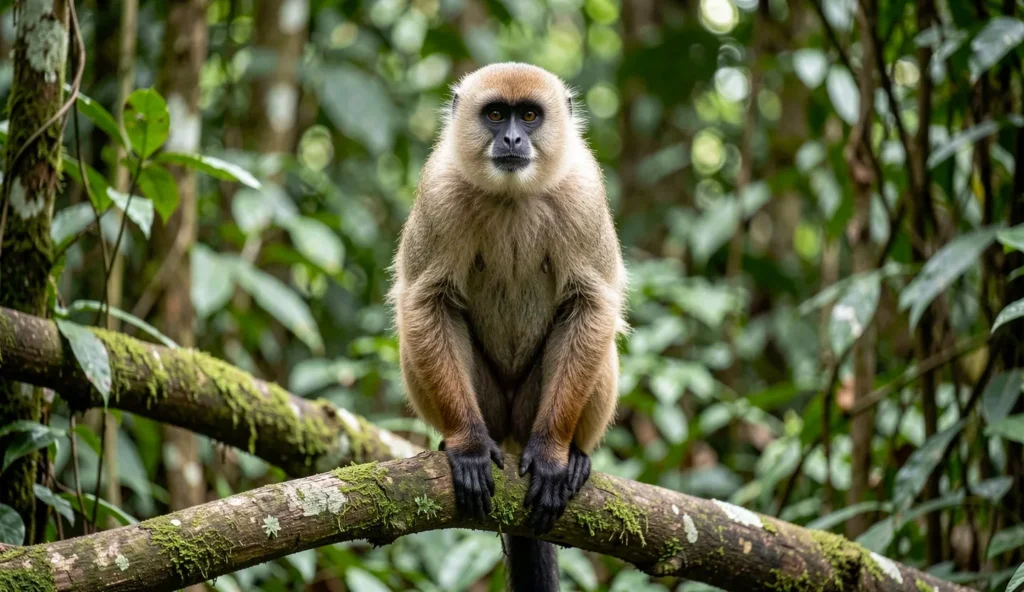
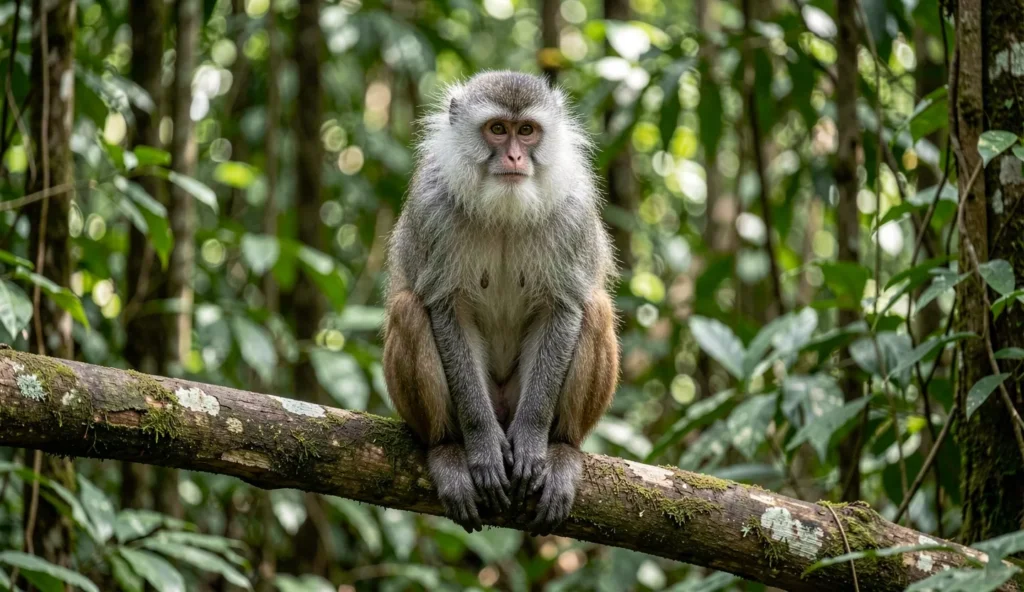
The Emperor Tamarin is a small New World primate native to the tropical forests of the Amazon basin, particularly in Brazil, Peru, and Bolivia. Its scientific name is Saguinus imperator, and it is renowned for the distinctive mustache that gives the species its common name, as highlighted in the Tamarin Monkey profile.
For exotic pet enthusiasts, its small size and lively behavior can be appealing. Owners must understand legal requirements and welfare needs before considering a pet monkey like the Emperor Tamarin.
Appearance And Physical Features
The Emperor Tamarin is a compact primate with a light frame and a tail that helps balance during agile climbs.
Its fur tends to be gray brown with lighter underparts, and the most striking feature is the mustache that runs outward from its nose, a contrast to the facial profile seen in the Capuchin Monkey.
- Compact size with a tail that aids balance
- Gray-brown fur with lighter underparts
- Distinct mustache around the nose
Temperament And Social Behavior
Emperor Tamarin groups are highly social and typically live in family units dominated by a breeding pair. They vocalize frequently and show strong grooming interactions that strengthen bonds within the group, a pattern similar to that observed in the Squirrel Monkey.
- Group Structure: small family units with a clear social order
- Communication: frequent vocalizations and scent cues
- Social Bonding: regular grooming promotes team cohesion
Diet And Nutrition
In the wild, Emperor Tamarins feed on fruit, nectar, small insects, and other invertebrates.
In captivity, provide a varied diet of fresh fruit, leafy greens, insects, and fortified primate biscuits. Similar dietary management is needed for other small primates like the Marmoset Monkey.
Grooming And Care Tips
Enclosure And Habitat
A suitable enclosure provides multi-level climbing space with secure barriers and perches at varying heights.
Maintain consistent temperature and humidity appropriate for tropical species, and provide branches and ropes for active climbing.
For enrichment ideas from other primates like the Baboon Monkey, see related profiles.
Enrichment And Social Interaction
Regular social grouping supports welfare and can be enhanced with puzzle feeders and rotating toys.
- Regular social grouping supports welfare
- Puzzle feeders and foraging opportunities
- Rotating toys to prevent boredom
Grooming And Hygiene
Regular coat and skin checks help detect issues early.
- Nail trims when advised by a veterinarian
- Parasite control as prescribed by a professional
Common Health Issues And Suitability
Common Health Issues
- Dental problems can arise in captive settings
- Parasites may occur in wild or mixed environments
- Obesity risk with improper diet or limited activity
Is an Emperor Tamarin Right for You?
Ownership requires experienced care, legal permits where required, and a long-term commitment.
Final Note
Proper care and compliance support a healthy, engaging life for the Emperor Tamarin.
Frequently Asked Questions
What is the natural habitat of the Emperor Tamarin?
They inhabit the tropical forests of the Amazon basin in parts of Brazil, Peru, and Bolivia.
What is the typical diet of an Emperor Tamarin in captivity?
A varied diet of fruit, insects, leafy greens, and fortified primate biscuits is recommended.
Are Emperor Tamarins legal to own as pets?
Legal status varies by country and region, with some areas requiring permits or prohibiting private ownership.
How long do Emperor Tamarins live in captivity?
They can live roughly 15 to 20 years with proper care and environment.