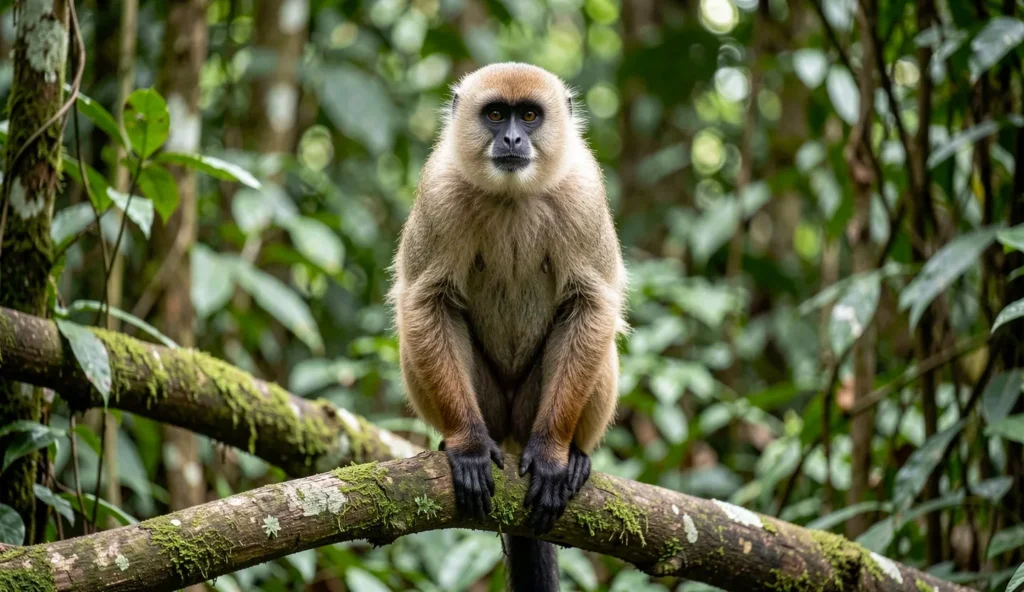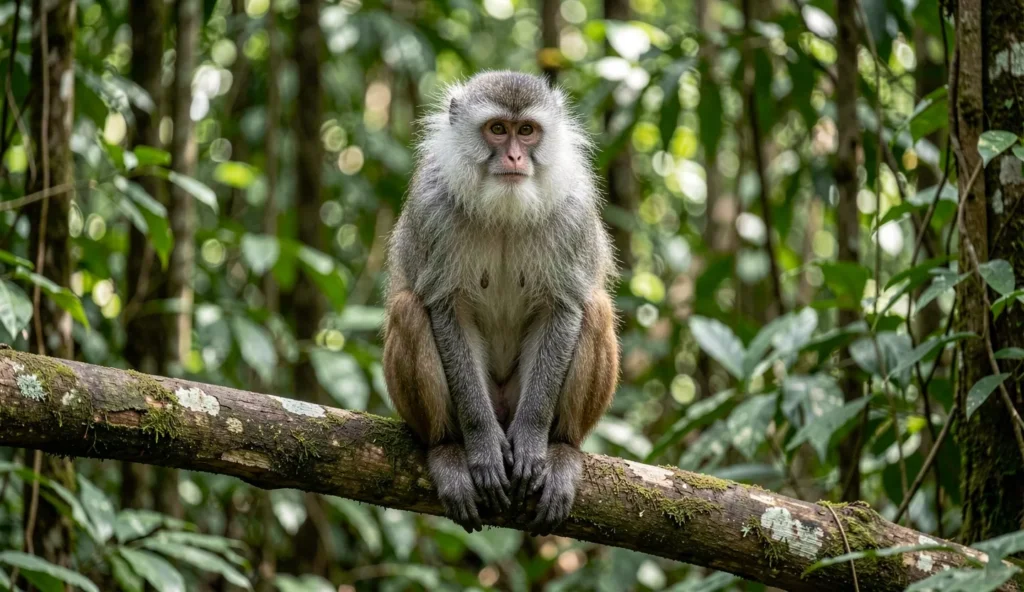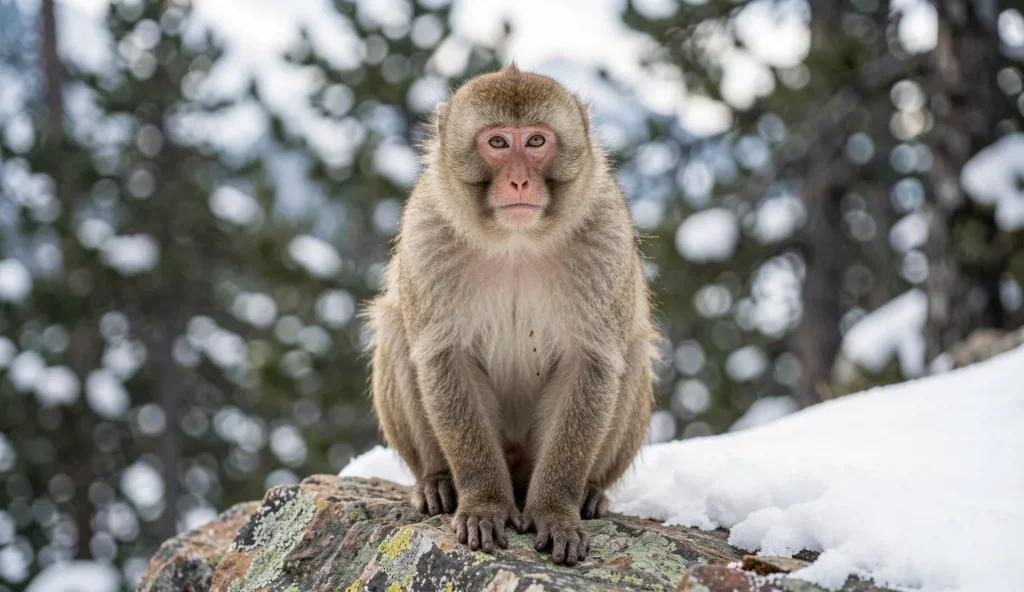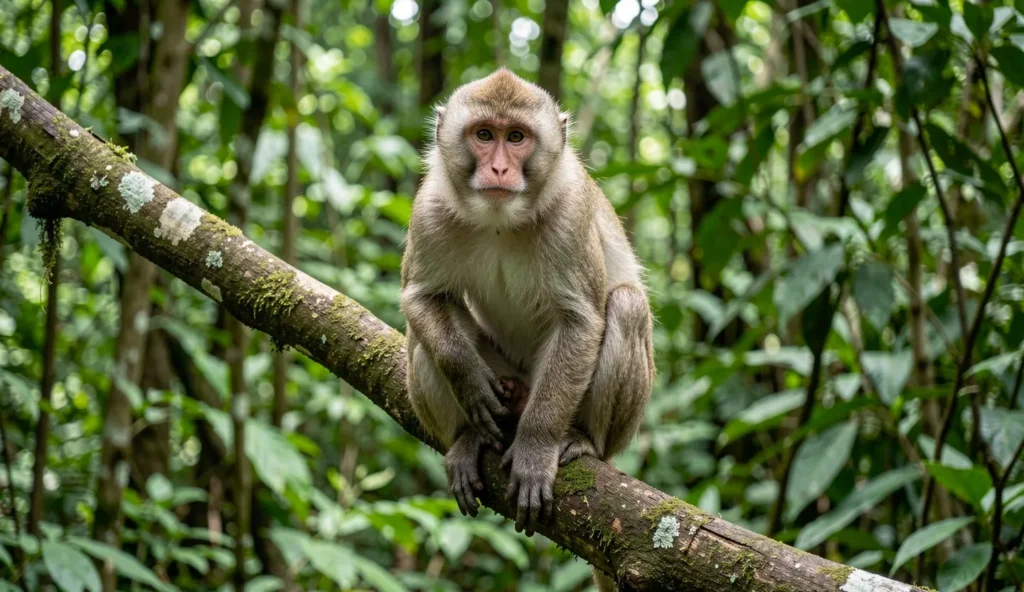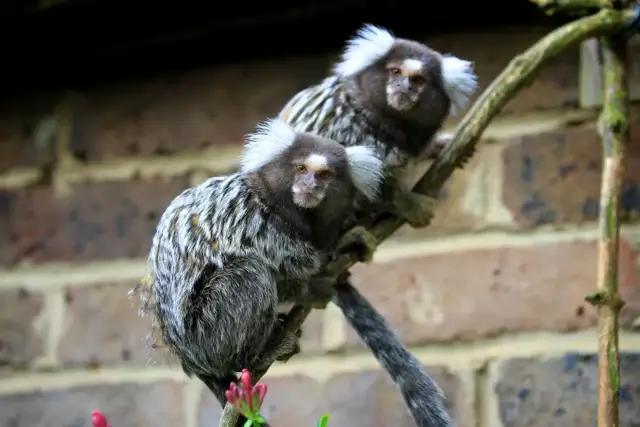
Marmoset Monkey – The Tiny Marvel of the Rainforest
Introduction
With claws instead of nails and a specialized diet of tree gum, the Marmoset Monkey stands apart from nearly every other primate in the world. These small and enchanting creatures, native to the lush forests of South America, captivate wildlife enthusiasts with their expressive eyes, playful nature, and distinct physical features. Despite their miniature size, these monkeys are socially complex, ecologically important, and truly fascinating creatures that play a vital role in rainforest health.
Origin and Natural Habitat
Marmosets are native to Brazil and other parts of the Amazon Basin. They thrive in tropical rainforests, especially in the dense canopies of trees where they can safely forage, communicate, and care for their young.
There are several species of marmosets, including:
- Common Marmoset
- Pygmy Marmoset (the smallest monkey in the world)
- Black-Tufted Marmoset
- Silvery Marmoset
Physical Appearance
Marmosets may be tiny, but their features are quite distinctive and charming:
- Size: 5 to 12 inches long (excluding the tail)
- Weight: Around 3 to 9 ounces
- Tail: Long and furry—used for balance, not grasping
- Fur: Can range from silvery gray to golden, with tufts of hair on ears or faces in some species
Their small size allows them to move quickly and silently through the treetops, much like their close relative the Tamarin Monkey, which shares a similar body plan and arboreal lifestyle.
Social Behavior and Group Life
Marmosets are highly social and live in close-knit family groups of 3 to 15 individuals. These families are structured around cooperation and shared parenting.
- Both males and females help raise the young
- They communicate through high-pitched calls, facial expressions, and body language
- Groups are territorial and mark their space using scent glands
Their strong social bonds create a safe and nurturing environment for all group members. This cooperative structure is also seen in the Squirrel Monkey, another New World primate that relies on group cohesion for survival.
Diet and Feeding Habits
Marmosets are omnivores with a unique love for tree sap and gum. Their diet includes:
- Tree sap and gum (extracted using their sharp lower incisors)
- Fruits and berries
- Leaves and flowers
- Insects and small lizards
Their feeding habits help maintain forest health by pollinating plants and spreading seeds. Unlike the Spider Monkey, which relies heavily on ripe fruit and has a prehensile tail for foraging, marmosets use their claw-like nails to grip bark while gouging trees for sap.
Environment and Adaptability
Marmosets live almost exclusively in trees, using their agility to navigate through branches. They prefer:
- Dense forest canopies with plenty of food sources
- Warm, humid climates
- Minimal human disturbance
While adaptable to some environmental changes, they remain highly sensitive to habitat destruction and fragmentation. Conservationists note that preserving continuous canopy corridors is essential for maintaining healthy marmoset populations, as these primates rarely descend to the ground.
Reproduction and Parenting
Marmosets are devoted and cooperative parents. A female usually gives birth to twins, and the entire group helps with their care.
- Infants cling to their parents’ backs for the first few weeks
- Fathers often carry the babies while mothers nurse them
- Older siblings assist with grooming and babysitting
This teamwork ensures that the babies are safe, socialized, and healthy. In fact, marmosets are one of the few primate groups where fathers play an equally active role in infant care as mothers.
Health and Conservation
Several marmoset species face challenges due to:
- Deforestation and habitat loss
- Illegal wildlife trade and exotic pet industry
- Disease transmission from humans
Conservation efforts focus on habitat protection, reforestation, and education to reduce demand for marmosets as pets. Recent studies have also highlighted the importance of genetic diversity within captive breeding programs to ensure healthy populations for potential reintroduction.
Interaction with Humans
Marmosets are often victims of the exotic pet trade due to their cute appearance. However, they are wild animals with complex needs and do not thrive in captivity. Unlike domesticated pets, marmosets require specialized diets, large enclosures, and constant social interaction with their own kind.
Ethical wildlife tourism and educational programs allow people to appreciate marmosets while supporting their conservation. Responsible sanctuaries and zoos provide enrichment that mimics their natural behaviors, offering a glimpse into their intelligence without removing them from protected environments.
Fun Facts About Marmoset Monkeys
- Pygmy marmosets are about the size of a human thumb
- They use more than a dozen different vocal calls
- Their teeth are specially adapted for chewing into bark and extracting sap
- They can leap up to 15 feet from branch to branch
Frequently Asked Questions
Q1: Are marmosets the smallest monkeys?
A: Yes, the pygmy marmoset is the smallest monkey in the world, weighing just 100 grams on average.
Q2: Can marmosets be pets?
A: No. Marmosets are wild animals and have complex social, emotional, and dietary needs. Keeping them as pets is harmful and often illegal.
Q3: What do marmosets eat in the wild?
A: Marmosets eat tree sap, fruits, insects, flowers, and small animals like lizards or bird eggs.
Q4: Do marmosets live in groups?
A: Yes, they live in family groups and are very social. Cooperative parenting and group living are essential to their survival.
Q5: How are marmosets protected?
A: They are protected through forest conservation, wildlife laws, and responsible tourism programs that help preserve their natural habitats.
Conclusion
The Marmoset Monkey is a small but mighty symbol of rainforest diversity. With their social intelligence, unique diets, and adorable appearance, they remind us how important even the tiniest creatures are to nature. Protecting marmosets means protecting the rainforest—and the future of countless interconnected species. For those interested in learning about other fascinating primates, the Capuchin Monkey offers another example of remarkable intelligence and adaptability in the New World monkey family.