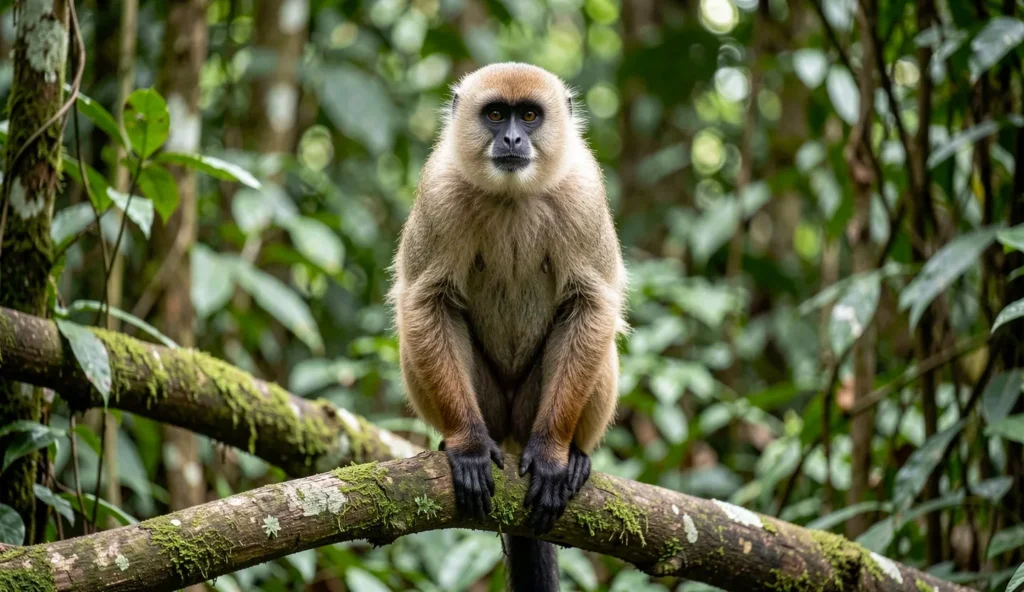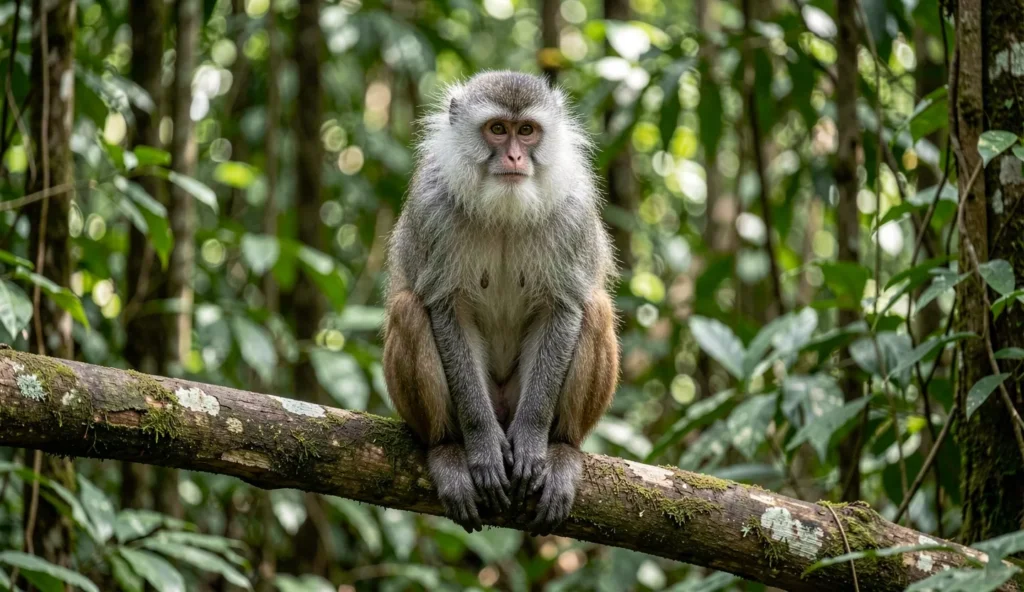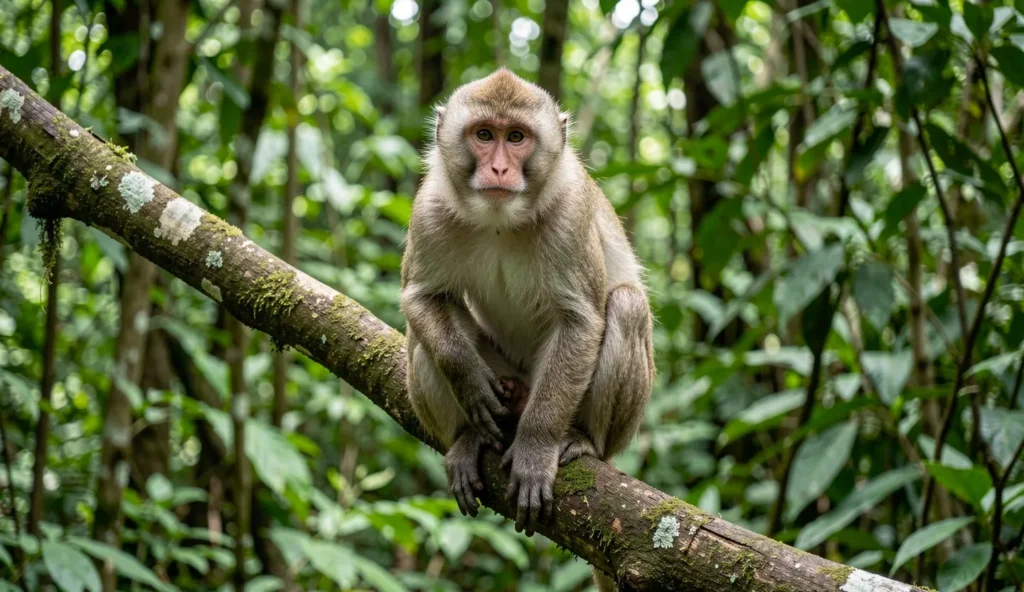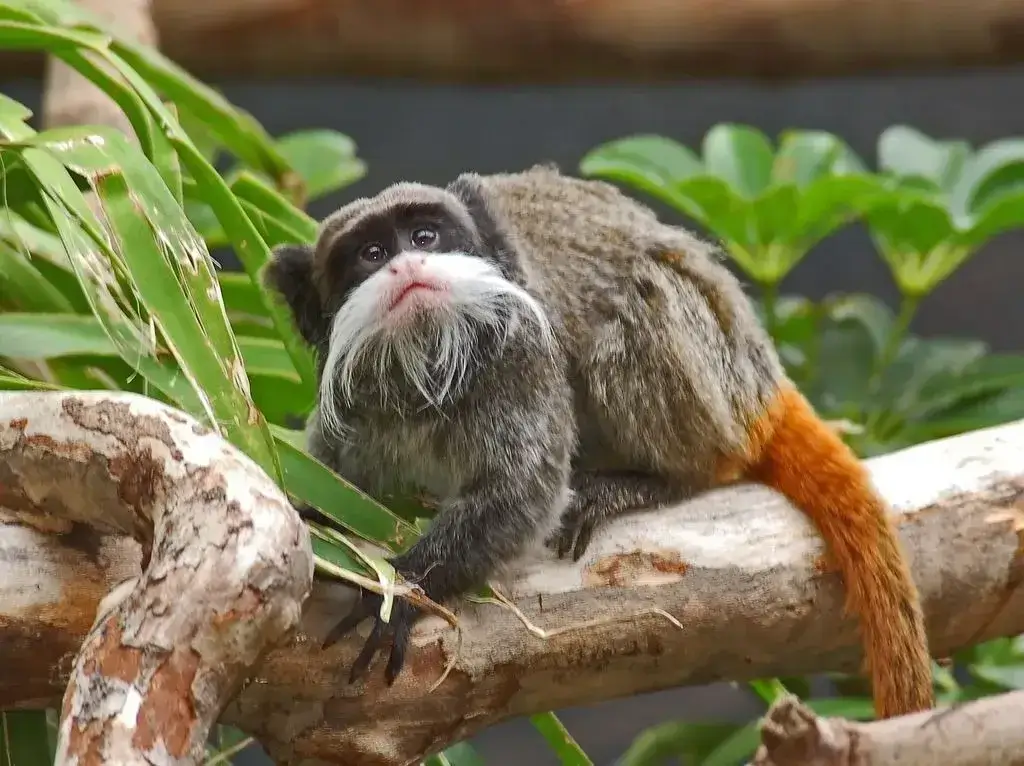
Tamarin Monkey – A Tiny Explorer with a Lively Spirit
Introduction
The Tamarin Monkey is a small, energetic primate known for its playful nature and expressive face. Native to Central and South America, these fascinating animals are admired for their social bonds, distinctive looks, and role in the ecosystem. Though tiny in size, they have a big impact on their environment. Unlike their close relatives the marmoset monkey, tamarins have longer bodies and more varied facial hair, making each species uniquely recognizable.
Origin and Natural Habitat
Tamarins are found in tropical rainforests across Brazil, Colombia, Peru, and Bolivia. They prefer dense forests and river-edge areas, living mostly in the tree canopy. Agile and quick, Tamarins spend nearly all their lives above ground, leaping gracefully from branch to branch. Their habitat overlaps with that of the squirrel monkey, another small primate that shares the same canopy-level lifestyle in Central and South American forests.
Physical Appearance
Tamarin monkeys may be small, but they are full of character. Their appearance varies by species, but they often share these traits:
- Size: 5 to 12 inches long (excluding the tail)
- Color: Can be black, red, brown, white, or golden
- Unique Feature: Long mustaches or manes, especially in species like the Emperor Tamarin
- Tail: Long and used for balance (not for grasping)
Species like the Golden Lion Tamarin, Emperor Tamarin, and Cotton-Top Tamarin are especially eye-catching.
Social Behavior
Tamarins are very social animals that live in groups of 3 to 15 individuals. These groups often include family members and close companions.
- Communication: They use calls, body language, and scent to interact
- Bonding: Grooming and play help build trust within the group
- Territorial: They protect their space through vocal and scent cues
This strong social structure helps keep the group healthy and safe. Their cooperative nature is similar to that of the capuchin monkey, another intelligent primate known for complex group dynamics and tool use in the wild.
What Do Tamarins Eat?
Tamarins are omnivores and enjoy a varied diet:
- Fruits and berries
- Tree gum and sap
- Insects and small animals
- Leaves and flowers
Their eating habits help support the forest by pollinating plants and spreading seeds.
Preferred Living Conditions
Tamarins thrive in warm, humid climates with dense trees. They need:
- Tall forests for climbing and foraging
- Minimal human disturbance
- Access to food and water sources
Unfortunately, logging and agriculture are shrinking their natural habitats, making it harder for them to survive. Conservationists estimate that over 50% of tamarin habitat has been lost in the last three decades, with some species like the Cotton-Top Tamarin now critically endangered.
Family Life and Parenting
Tamarin monkeys are caring and cooperative parents. In most species:
- Mothers usually give birth to twins
- Fathers and siblings help carry and care for the babies
- Babies ride on adults’ backs and begin exploring at just a few weeks old
This shared care increases the young’s chance of survival and strengthens the group.
Health and Conservation
Many Tamarin species are now endangered due to habitat loss and the illegal wildlife trade. Recent conservation reports from 2024 indicate that the Golden Lion Tamarin population has rebounded to over 3,200 individuals thanks to dedicated breeding programs, though threats remain.
- Major Threats: Deforestation and the exotic pet market
- Protection Efforts: Breeding programs, protected reserves, and education campaigns
- Organizations Involved: Groups like Save the Golden Lion Tamarin work globally to protect them
You can help by supporting conservation efforts and promoting ethical tourism. Unlike the spider monkey, which faces similar habitat threats but has a wider range, many tamarin species are confined to small forest fragments, making targeted conservation even more urgent.
Interaction with People
Tamarins are not suitable pets, but they are admired in zoos and sanctuaries for education and conservation. In the wild, they help keep forests healthy and are a key part of their ecosystems.
By learning about them and supporting ethical wildlife programs, people can contribute to their protection.
Fun Facts About Tamarin Monkeys
- The Emperor Tamarin’s mustache looks like that of a royal emperor!
- They can jump as far as 16 feet from one tree to another
- Baby Tamarins are carried by other group members, not just their parents
- They help regrow forests by spreading seeds through their droppings
Frequently Asked Questions
Q1: Are Tamarins endangered?
A: Yes, several species are endangered due to habitat loss and illegal trade. Conservation work is helping to protect them, with some species like the Golden Lion Tamarin showing population recovery in recent years.
Q2: Can Tamarins live as pets?
A: No. Tamarins are wild animals and do best in their natural environments. Keeping them as pets is illegal in many places and harms their well-being.
Q3: What do Tamarins eat?
A: Tamarins eat fruit, insects, small animals, flowers, and tree gum. Their diet supports their health and the ecosystem.
Q4: How do Tamarins communicate?
A: They use chirps, whistles, facial expressions, and scent markings to stay connected with their group.
Q5: How can I help Tamarin conservation?
A: Support conservation organizations, avoid products linked to deforestation, and raise awareness about these amazing primates.
Conclusion
The Tamarin Monkey is a tiny treasure of the rainforest — lively, social, and deeply important to the ecosystem. With their intelligence and charm, they continue to capture hearts around the world. By understanding and protecting them, we help preserve the delicate balance of nature and ensure a future for these wonderful primates. Whether you are comparing them to other New World monkeys like the mandrill monkey or simply learning about their unique behaviors, tamarins remind us that even the smallest creatures play a vital role in the health of our planet.