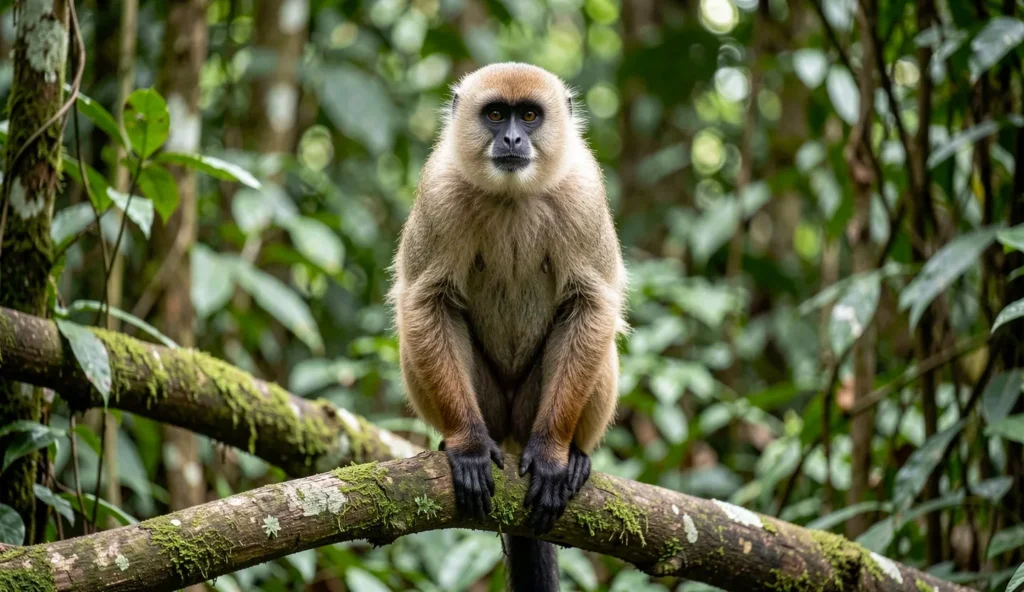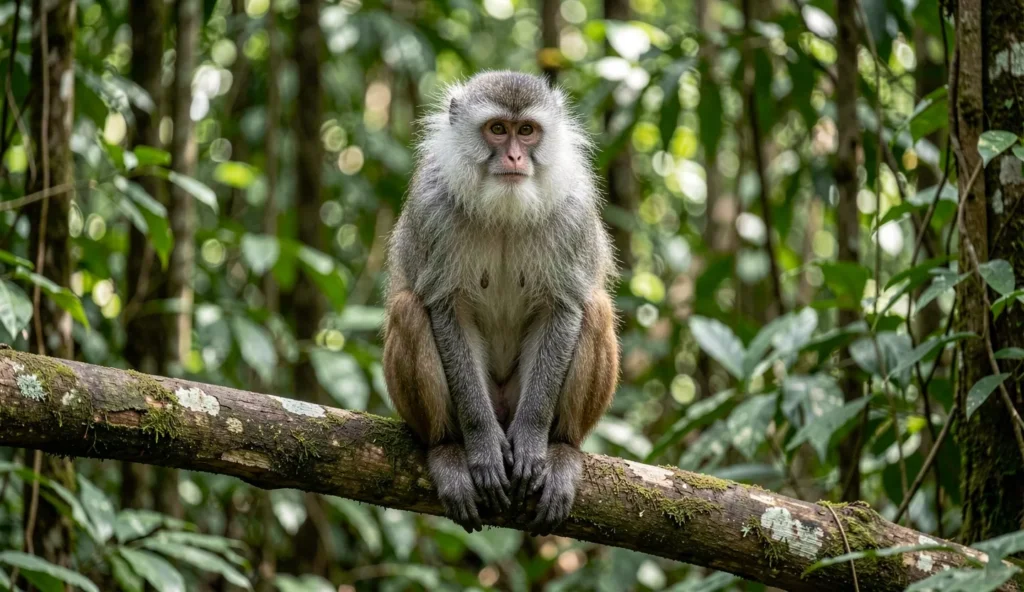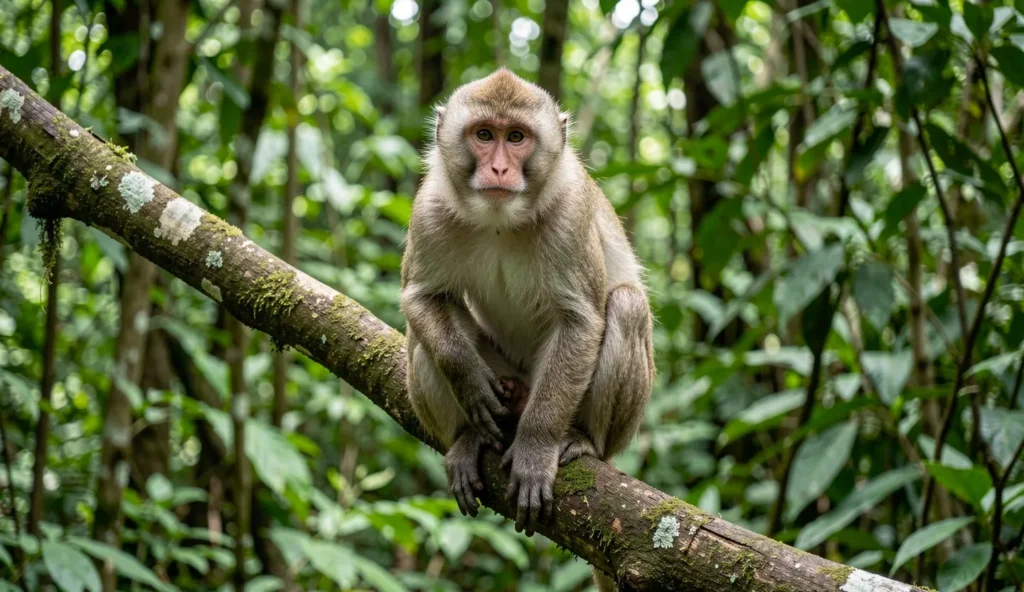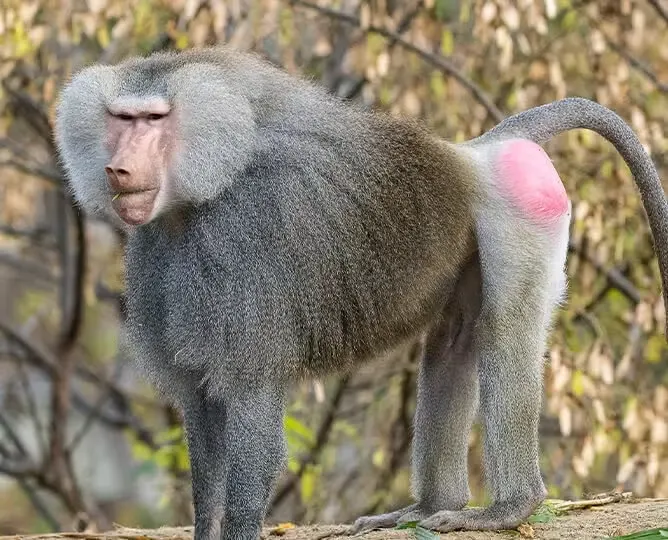
Baboon Monkey – The Bold and Brilliant Primate of Africa
Introduction
With over 30 distinct vocalizations and the ability to recognize themselves in mirrors, the Baboon Monkey stands as one of the most intelligent and adaptable primates on Earth. Known for their expressive faces, strong social bonds, and impressive survival skills, baboons thrive in a wide range of African habitats. These remarkable monkeys are not only fascinating to observe but also play an important role in maintaining the balance of their ecosystems. Unlike some other primates that are more specialized in their habitats, baboons have proven themselves as true generalists, capable of thriving from arid deserts to lush forests.
Origin and Natural Habitat
Baboons are native to Africa and the Arabian Peninsula. There are five main species:
- Olive Baboon
- Yellow Baboon
- Chacma Baboon
- Guinea Baboon
- Hamadryas Baboon
They inhabit grasslands, savannas, forests, rocky hills, and even desert edges, demonstrating their incredible adaptability. This wide distribution makes them one of the most widespread monkey species on the continent, rivaling even the adaptable colobus monkey in their ability to occupy diverse environments.
Physical Features
Baboons are among the largest monkeys and are easily recognized by their dog-like muzzles and strong builds:
- Size: Males: 33–82 pounds | Females: 20–45 pounds
- Length: Up to 3 feet long, not including their tail
- Color: Varies by species – from olive green to golden-yellow or silver-gray
- Tail: Long and held upright at the base, then dropping down
Their sharp canine teeth and strong limbs help them defend themselves and gather food. In terms of sheer physical presence, baboons are more robust than the agile squirrel monkey, reflecting their ground-dwelling lifestyle and need for strength against predators.
Social Structure and Behavior
Baboons are incredibly social animals. They live in large groups called “troops,” which can range from 20 to over 200 individuals.
- Troops are structured with dominant males and matrilineal family groups
- Communication includes vocal calls, gestures, facial expressions, and grooming
- Grooming helps maintain social bonds and reduce stress
These social structures provide safety, cooperation, and care for young baboons. Their complex hierarchy and communication system are subjects of ongoing research, offering insights into primate social evolution that parallel studies of the colorful mandrill monkey, a close relative with similarly intricate social dynamics.
Diet and Feeding Habits
Baboons are omnivores and have a very diverse diet. Their feeding habits allow them to survive in many environments.
- Fruits and seeds
- Grass, roots, and leaves
- Insects, eggs, and small animals
- Occasionally, shellfish or reptiles
They are known to raid farms or human settlements for food when necessary, which can lead to human-wildlife conflict. This opportunistic feeding strategy is a key reason for their success across varied landscapes.
Living Environment
Baboons can live in both rural and urban fringe areas, but they prefer areas with:
- Open spaces for foraging
- Cliffs, trees, or rocks for sleeping and lookout points
- Water sources nearby
They are highly territorial and alert, making them skilled at avoiding predators like lions, leopards, and hyenas. Their preference for sleeping on high cliffs or in tall trees is a survival instinct shared with many primates, including the acrobatic spider monkey, which uses the rainforest canopy for safety.
Reproduction and Parental Care
Baboons have a flexible breeding system and reproduce year-round:
- Females give birth to a single infant after a 6-month pregnancy
- Mothers are the primary caregivers, though others in the troop may assist
- Babies cling to their mother’s belly for the first few months, then ride on her back
Parental care is strong, and infants are fiercely protected by the group. This cooperative care system helps ensure high survival rates for young baboons in challenging environments.
Health and Conservation
While baboons are not currently endangered, they face growing threats:
- Habitat destruction from agriculture and urban development
- Road accidents and human-wildlife conflict
- Disease transmission between humans and baboons in close-contact areas
Conservation strategies include protected areas, education, and efforts to reduce human-baboon conflict. Recent studies in 2024 have highlighted the importance of wildlife corridors to help baboons move safely between fragmented habitats, a strategy that benefits many African species.
Human Interaction and Importance
Baboons are sometimes seen as pests when they come into close contact with people, especially near farms. However, they are intelligent, emotional beings with complex behaviors that offer valuable insight into primate evolution and social structures. Ethical wildlife tourism and education help shift perspectives from fear to appreciation and promote coexistence. Understanding baboon behavior can also help farmers implement non-lethal deterrents, reducing conflict while protecting these remarkable animals.
Fun Facts About Baboons
- Baboons have over 30 different vocalizations!
- They recognize themselves and others using social memory
- Some researchers believe baboons can understand abstract reasoning
- They are most active during the day (diurnal) and sleep in elevated places
Frequently Asked Questions
Q1: Are baboons monkeys or apes?
A: Baboons are monkeys, not apes. They belong to the Old World monkey family and have tails, unlike apes.
Q2: Are baboons aggressive?
A: In the wild, baboons prefer to avoid conflict. However, they can become aggressive if they feel threatened or are accustomed to humans feeding them.
Q3: What is the lifespan of a baboon?
A: In the wild, baboons typically live up to 30 years. In captivity, they may live slightly longer due to better medical care.
Q4: Can baboons be kept as pets?
A: No. Baboons are wild animals and require complex environments. Keeping them as pets is harmful and often illegal.
Q5: How intelligent are baboons?
A: Very intelligent. Baboons use problem-solving, communication, and social learning to survive in complex environments.
Conclusion
The Baboon Monkey is a bold, intelligent, and social creature that thrives in the wild landscapes of Africa. While their strength and vocal nature may seem intimidating, baboons offer an incredible glimpse into the complexities of primate life. By understanding and respecting them, we can promote peaceful coexistence and protect one of the world’s most remarkable monkey species. Whether you are comparing them to the intelligent capuchin monkey or simply observing them in the wild, baboons remind us of the rich diversity of primate life worth preserving.