What Is a Toque Macaque
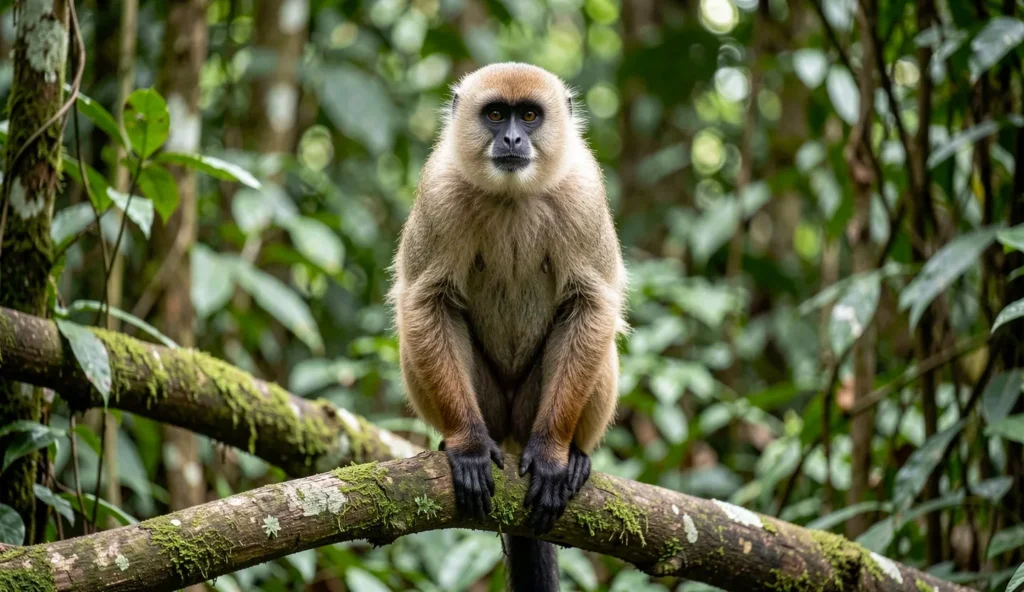
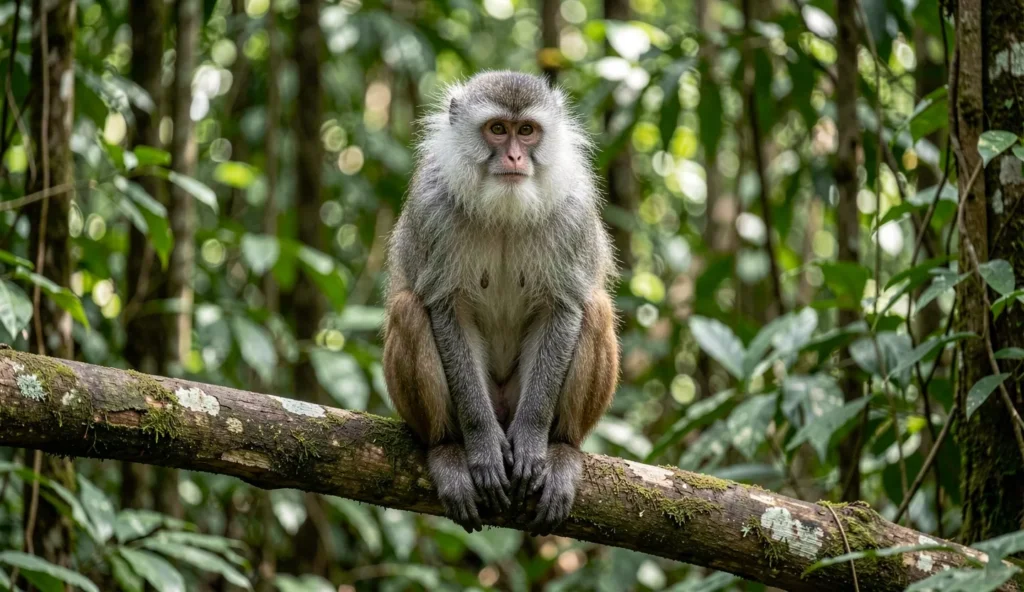
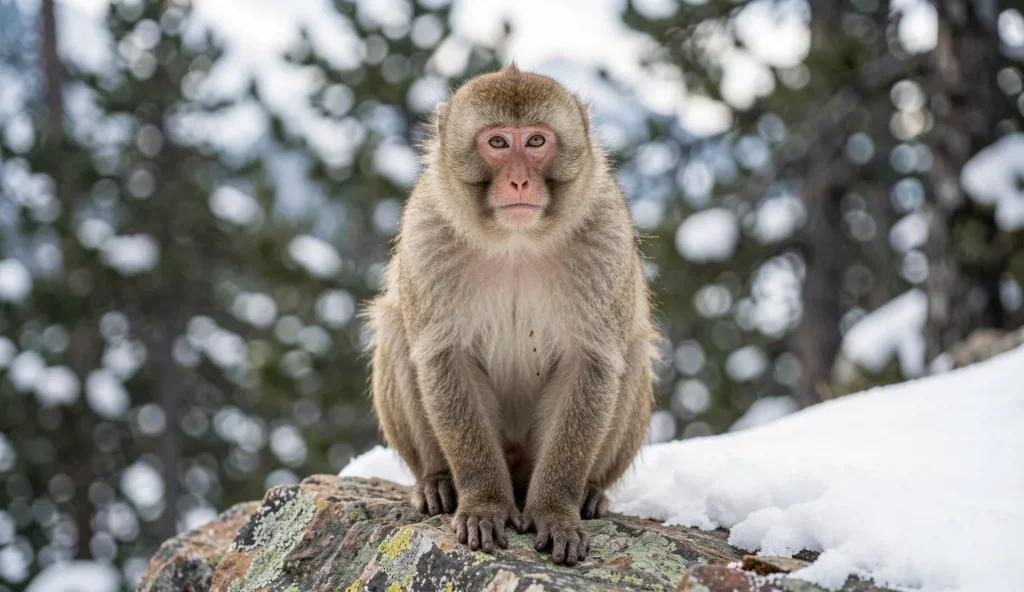
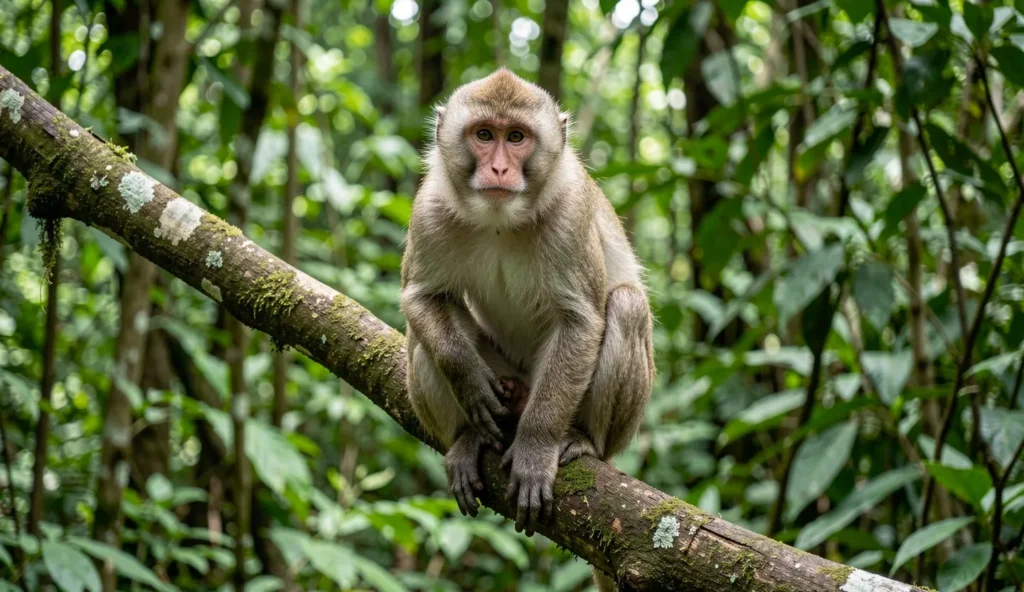
The Toque Macaque is a small macaque native to Sri Lanka, scientifically classified as Macaca sinica. Its most distinctive feature is a crown of hair that gives the head a horned, crownlike appearance, and it remains endangered in the wild due to habitat loss.
For readers seeking context with other primates, the Toque Macaque contrasts with species like the Rhesus Macaque Breed, highlighting differences in size, social structure, and habitat preferences.
Appearance and Crown Hair Distinction
The Toque Macaque typically falls in the small to medium size range for macaques, with a body length around 40 to 60 cm and a tail of similar length. Adults commonly weigh between 4 and 9 kg, making them noticeably compact compared to larger relatives.
The crown hair forms a rounded crest that sits atop the head, producing a miniature crown that is highly recognizable. This feature helps distinguish it from related species such as the Crab-Eating Macaque, which shows different facial and crown patterns.
Temperament and Social Behavior
Toque Macaques are highly social and live in multi-male, multi-female groups with intricate grooming and alliance networks. In captivity, steady social contact and predictable routines are essential for welfare in a pet primate setup.
Within groups, they show clear hierarchies and communicate through vocalizations and gestures, making consistent companionship important for mental health. For readers exploring similar primate social needs, references to the White-Faced Capuchin can provide useful comparisons.
Exercise and Enrichment Needs
Daily physical activity is essential for Toque Macaques, with access to climbing structures, foraging opportunities, and safe outdoor time. Enrichment should mimic natural tree-dwelling behavior to prevent boredom and discourage stress-related behaviors.
In captive settings, providing varied substrates, puzzle feeders, and social interaction supports wellbeing; similar enrichment approaches are discussed for other primates like the Tufted Capuchin Breed, which demonstrates the value of dynamic enrichment programs.
Daily Care and Grooming Tips
Grooming And Hygiene
Regular grooming reduces shedding and helps reveal skin issues early, so schedule gentle brushing several times a week. Avoid routine bathing unless advised by a veterinarian, and monitor for skin lesions during grooming sessions.
Consult a vet before applying any products to the Toque Macaque’s skin or fur, and keep grooming tools clean to prevent irritations. Routine checks during grooming are a practical way to track health over time.
Handling And Housing Considerations
Secure, escape-proof enclosures are essential to prevent accidents and protect both the animal and household members. Provide enrichment and safe socialization opportunities while avoiding impulsive interactions with other household pets.
Supervised handling helps reduce stress, and consistent routines can ease adaptation to domestic settings. Consider professional advice when establishing housing to align with local regulations and welfare guidelines.
Socialization And Enrichment
Daily social interaction supports mental health and reduces abnormal behaviors, especially for a highly social species like the Toque Macaque. Offer varied toys and foraging puzzles, and provide regular outdoor time where safety permits.
Diet and Nutrition for Pet Owners
A balanced diet includes fresh fruits, vegetables, high-quality primate biscuits, and supervised protein sources, provided in appropriate portions. Feeding frequency typically mirrors natural foraging patterns, with multiple small meals throughout the day.
Avoid processed human foods and dairy, and introduce new items gradually to prevent digestive upset. For broader dietary context among primates, see resources on the Squirrel Monkey for comparative notes on foraging and nutrition needs.
Common Health Issues and Veterinary Care
Respiratory infections, dental problems, and skin conditions are among the health concerns to watch for in Toque Macaques. Regular veterinary care is essential for preventive screening and timely treatment.
Establish a preventive care plan that includes vaccinations, parasite control, and routine dental checks to support long-term health. Early veterinary involvement is crucial for managing age-related issues as well.
Is a Toque Macaque Right for You
Prospective owners should assess time availability, a suitable escape-proof enclosure, and access to specialized veterinary care before acquiring a Toque Macaque. It is important to verify local wildlife and exotic pet laws and prepare for ongoing social and enrichment needs that come with a pet primate.
Frequently Asked Questions
Are Toque Macaques legal to own as pets in many regions?
Ownership rules vary by country and state and may require permits or licenses.
What makes the Toque Macaque unique among macaques?
The crown hair pattern and Sri Lankan island heritage distinguish it from other macaques.
What are the social needs of Toque Macaques in captivity?
They require consistent companionship and usually group housing to maintain welfare.
What health issues should owners watch for with Toque Macaques?
Respiratory infections and dental problems are common concerns that require regular veterinary care.
Final Note
With proper housing, socialization, and ongoing veterinary care, the Toque Macaque can be cared for responsibly by experienced exotic pet enthusiasts.