What Is a White Faced Capuchin
The White-Faced Capuchin is a New World monkey in the genus Cebus, native to Central America and parts of northern South America. The species is renowned for high intelligence and versatile problem solving, traits that make it a popular subject in media and among exotic pet enthusiasts, including the Capuchin Monkey.
What Is a White Faced Capuchin
In taxonomic terms, this primate sits within the Cebidae family and is commonly linked to intelligent foraging and social exploration.
Appearance and Physical Features
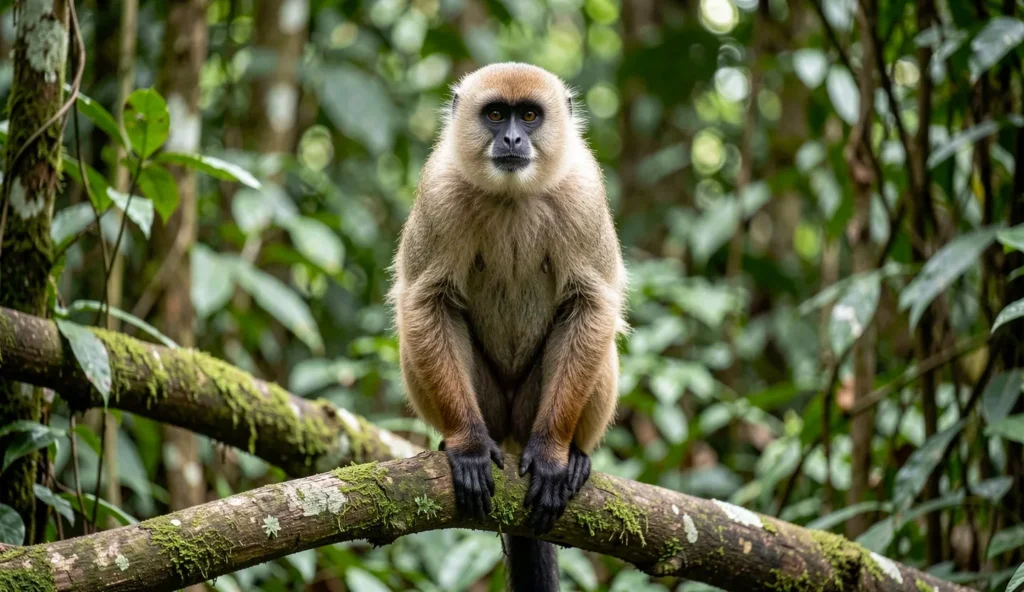
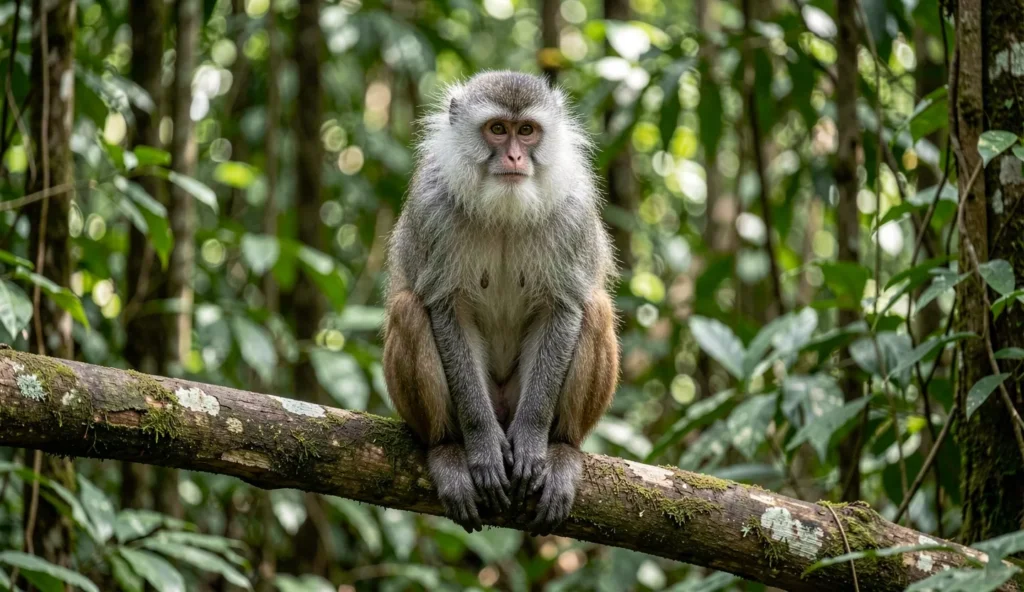
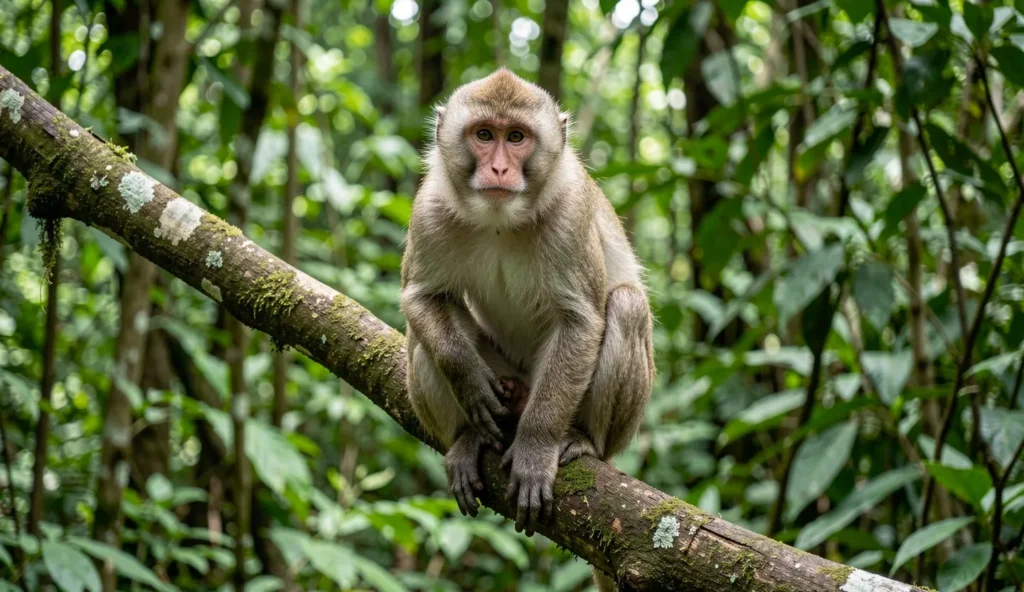
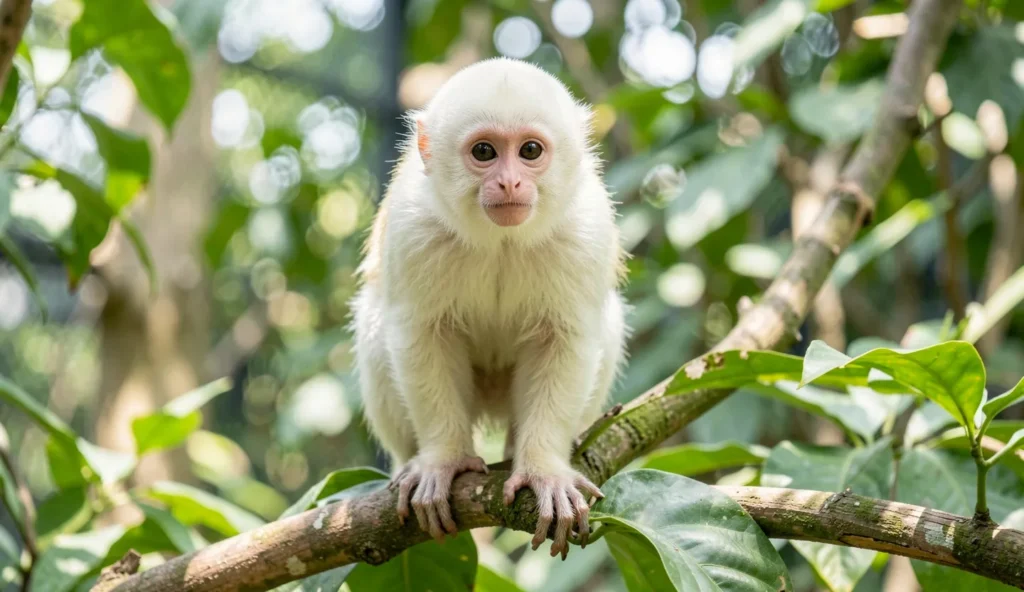
The White-Faced Capuchin tends to be medium sized among New World primates, with a light facial mask and a dark cap contrasting cream to brown fur. Its scientific name is Cebus capucinus, and the long, prehensile tail aids balance in arboreal life.
Temperament and Personality
White-Faced Capuchins are highly social and curious, thriving in well-structured social groups. They display advanced problem-solving abilities and can be mischievous, underscoring the need for consistent enrichment and mental challenges, much like the White Bellied Caique.
Exercise and Enrichment Requirements
White-Faced Capuchins are highly active and require daily enrichment that challenges both mind and body. Enrichment ideas include foraging puzzles, climbing structures, and varied social interactions, echoing practices seen with the White Capped Pionus.
Training and Socialization
Training is possible with consistent, positive reinforcement and clear boundaries. Social needs are high, so gradual, supervised exposure and predictable routines help reduce stress and improve compatibility, a pattern also observed with the Capuchin pigeon.
Grooming and Care Tips for Capuchins
Grooming Schedule
- Regular nail trims every 4 to 6 weeks
- Dental care with safe chew items
- Coat and skin checks for irritations
- Use primate-safe products if cleaning is needed
- Keep sessions short and positive
Enrichment Activities and Mental Stimulation
- Puzzle feeders for foraging challenges
- Interactive toys for problem solving
- Foraging hunts around the enclosure
- Social interaction with compatible companions
- Rotate toys regularly to maintain interest
Handling and Space Requirements
- Provide a large secure indoor enclosure
- Supervise handling to reduce stress
- Escape-proof locks and barriers
- Ensure ample perches and hiding spots
Diet and Nutrition
A balanced diet for White-Faced Capuchins includes fresh fruits and vegetables, protein sources such as cooked eggs or insects, primate chow, and fresh water. Feeding should be scheduled and monitored to prevent obesity and dental issues.
Common Health Issues
Common concerns include dental problems, metabolic disorders, obesity, and parasitic infections when enrichment and vet care are lacking. Regular checkups, parasite control, and preventive vaccines where applicable support long term health.
Is a White-Faced Capuchin Right for You
Owning a White-Faced Capuchin requires space, time, money, and a reliable legal framework. It suits dedicated individuals who can provide daily enrichment and social interaction, much like owners of the Black Headed Caique.
Final Note
Long-term care and ongoing enrichment are essential for the White-Faced Capuchin. Prospective owners should approach this commitment with thorough preparation and a clear understanding of responsibilities.
Frequently Asked Questions
What is a White-Faced Capuchin and where is it from?
White-Faced Capuchins are New World monkeys native to Central America and parts of northern South America.
Are White-Faced Capuchins intelligent and trainable?
They are highly intelligent and capable of complex training with positive reinforcement.
What kind of enrichment does a White-Faced Capuchin need?
Daily enrichment includes foraging puzzles, social interaction, varied toys, and physical activity.
What are the main care challenges of owning a White-Faced Capuchin?
Legal restrictions, high enrichment needs, social requirements, and long-term commitment.