Silvery Marmoset – Breed Profile & Complete Care Guide
The Silvery Marmoset is a small New World primate in the Callitrichidae family, native to the Amazon basin. Known for a pale silvery grey coat and an active, social lifestyle, this species attracts exotic pet enthusiasts seeking a compact, engaging primate companion. As a less common choice in captivity, the Silvery Marmoset requires specialized housing, enrichment, and veterinary care to thrive.
What Is A Silvery Marmoset
Taxonomy And Natural Habitat: The Silvery Marmoset has the scientific name Callithrix argentata and is part of the broader family that includes other small primates. It inhabits various forested areas within the Amazon basin, often favoring tree canopies and dense understory. In the broader context of primate care, this species is sometimes referred to by common names such as Silvery Marmoset and Black tailed marmoset, highlighting its tail and coat characteristics.
Origins And Behavior Brief: This species is primarily arboreal and social, moving through vertical space with agility. It is active during daylight hours and relies on vocal communication to maintain group cohesion in dense forest habitats, a behavior that can influence enclosure design and enrichment needs in captivity. For owners comparing small primates, the Silvery Marmoset sits in a niche alongside other callitrichids like the Capuchin Monkey, which helps illustrate varied social expectations.
Appearance And Physical Traits
Size And Build: The Silvery Marmoset is a small primate, typically measuring about 7 to 9 inches in body length with a tail that is often longer than the body. Its compact frame supports agile navigation through branches, which is a key consideration for enclosure design and climbing opportunities. The species is frequently discussed by keepers alongside other tiny primates such as the Spider Monkey, though the latter is significantly larger and exhibits different enrichment needs.
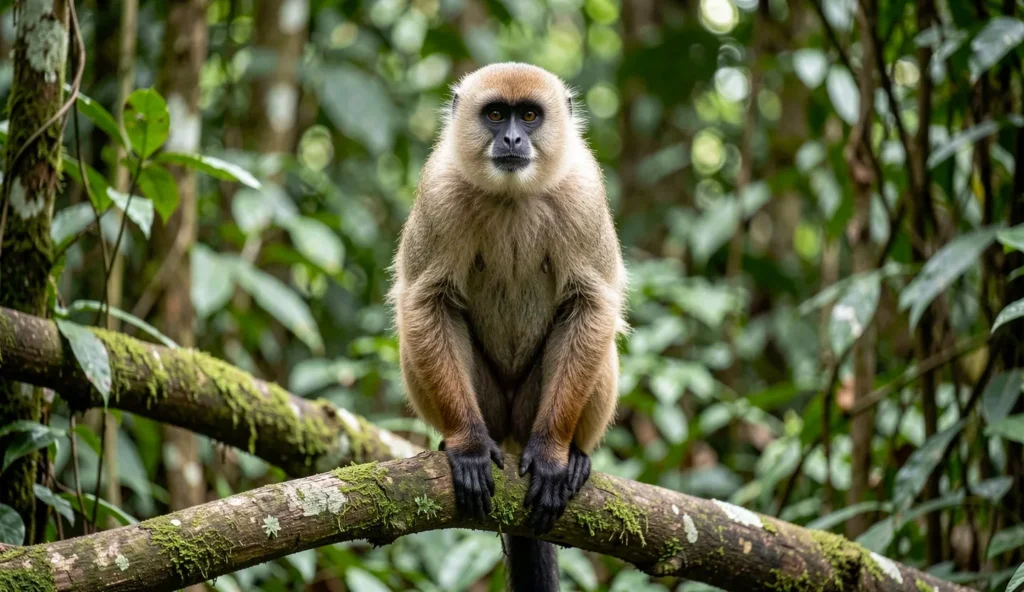
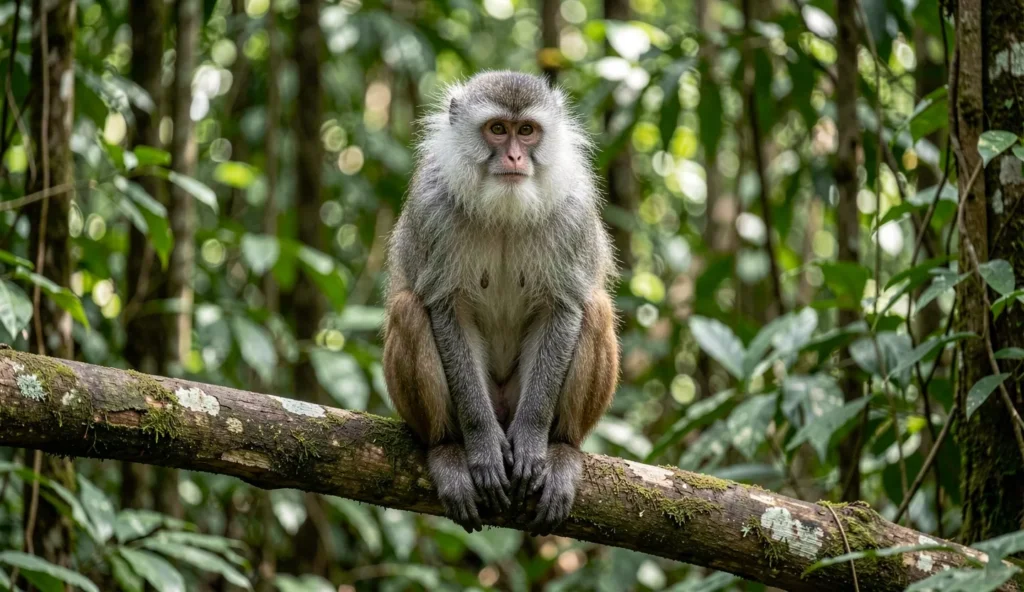
Fur Color And Markings: It bears a silvery grey coat with a lighter underfur, creating a distinct pale appearance. A dark, conspicuous tail serves as a visual anchor when observed in natural habitats or enclosure layouts. The white facial mask and dark eyes contribute to its characteristic expression and are often noted when identifying individuals in a group.
Distinctive Features: Long fingers and a high degree of manual dexterity support precise grasping of branches and prey items. The white face with dark eyes provides contrast that many observers find appealing, especially when viewing the marmoset in a well-planned exhibit or a properly furnished enclosure.
Temperament And Personality
Social Structure And Activity Levels: The Silvery Marmoset is highly social and thrives in family groups, benefiting from consistent daily interaction with familiar companions. Energetic and curious by nature, it requires environments that reward exploration and problem solving. When comparing personalities, some keepers note parallels with the Squirrel Monkey in terms of activity bursts and social play, though social dynamics differ across species.
Common Behavioral Traits: Vocalization is common within groups, serving as alarm and greeting signals. Its inquisitive nature drives foraging and enrichment pursuits, making predictable routines important to prevent stress-related behaviors.
Exercise Requirements And Enrichment
Daily Exercise Needs: Silvery Marmosets require daily climbing structures and harnessed playtime to meet physical demands. Enrichment sessions should be scheduled every day to sustain interest and prevent boredom in a complex arboreal setting.
Mental Stimulation: Puzzle feeders and varied foraging activities promote cognitive engagement and limit repetitive behaviors. Rotating toys and introducing new challenges helps keep the monkey mentally sharp and engaged over time.
Grooming And Daily Care Tips
Grooming Needs: Regular nail checks and trims are advised as needed, along with coat inspections for parasites or skin issues. A routine grooming protocol supports overall health and reduces skin problems that can affect welfare in captivity.
Handling And Socialization: Gentle handling builds trust, and supervised interaction with other pets reduces stress during introductions. Structured socialization sessions help the Silvery Marmoset adapt to human caretakers and household routines.
Housing And Environment: A secure enclosure with ample vertical space, perches, branches, and hiding spots is essential. Outdoor access should be considered only under controlled conditions and with supervision to ensure ongoing safety and welfare.
Diet And Health Considerations
Dietary Staples: A high quality primate diet or formulated pellets should form the base, complemented by fresh fruits and vegetables in moderation. Variety supports nutritional balance and satisfies foraging instincts for this species.
Hydration And Feeding Schedule: Constant access to clean water is crucial, with feeding times kept regular to support digestion and energy management. Monitoring intake helps detect early signs of illness or dental issues.
Common Health Issues: Dental disease risk, respiratory infections, and parasites can occur in Silvery Marmosets, so routine veterinary care is critical. Early detection and preventive care improve long-term welfare and reduce emergency interventions.
Is A Silvery Marmoset Right For You
Who Should Consider One: Experienced owners with time for daily interaction and the ability to meet enrichment and housing needs are better suited for this species. Prospective keepers should assess whether a small primate fits their lifestyle and facilities before acquiring one.
Legal And Ethical Considerations: Local ownership laws vary, and potential owners should verify compliance and welfare implications before making a decision. Considering conservation and welfare impacts helps ensure responsible ownership for this rare pet monkey species.
Time And Financial Commitment: Ongoing veterinary costs and investment in enclosure and enrichment equipment are necessary for a Silvery Marmoset. Prospective keepers should plan for long-term care well beyond initial acquisition and setup.
Final Note
With careful preparation and ongoing commitment, a Silvery Marmoset can be a fascinating, rewarding exotic pet for the right keeper.
Frequently Asked Questions
Are Silvery Marmosets legal to own as pets in most areas?
Laws vary by region; check local wildlife regulations before acquiring.
What kind of enclosure does a Silvery Marmoset need?
A tall, secure enclosure with climbing structures and enrichment for mental stimulation.
How much space should a Silvery Marmoset have for climbing?
Multiple square feet of vertical space and perches to move freely daily.
What age range do Silvery Marmosets reach in captivity?
With proper care they can live many years, often into the teens.