What Is The Congo Lion
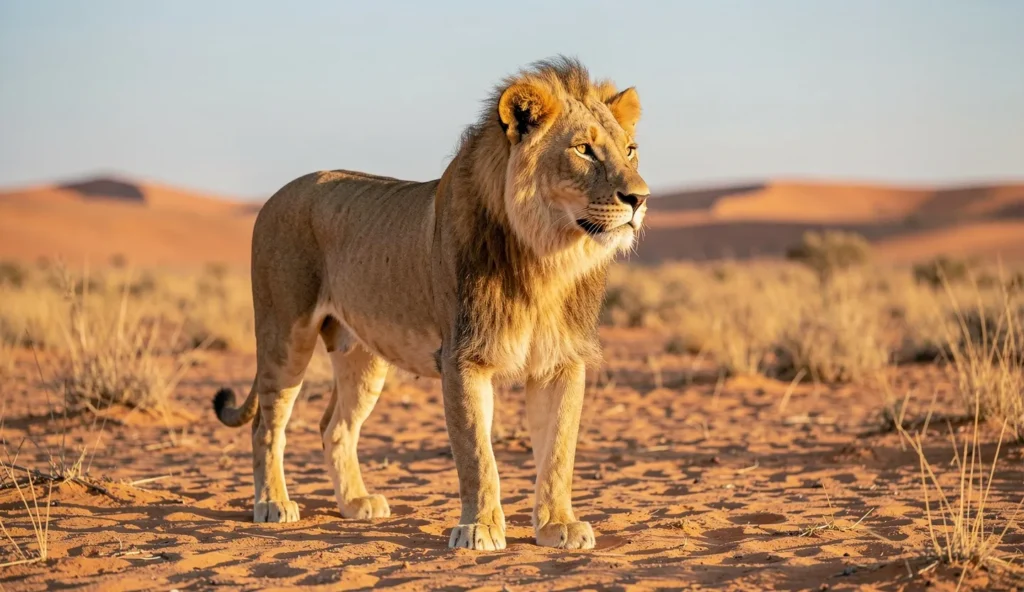
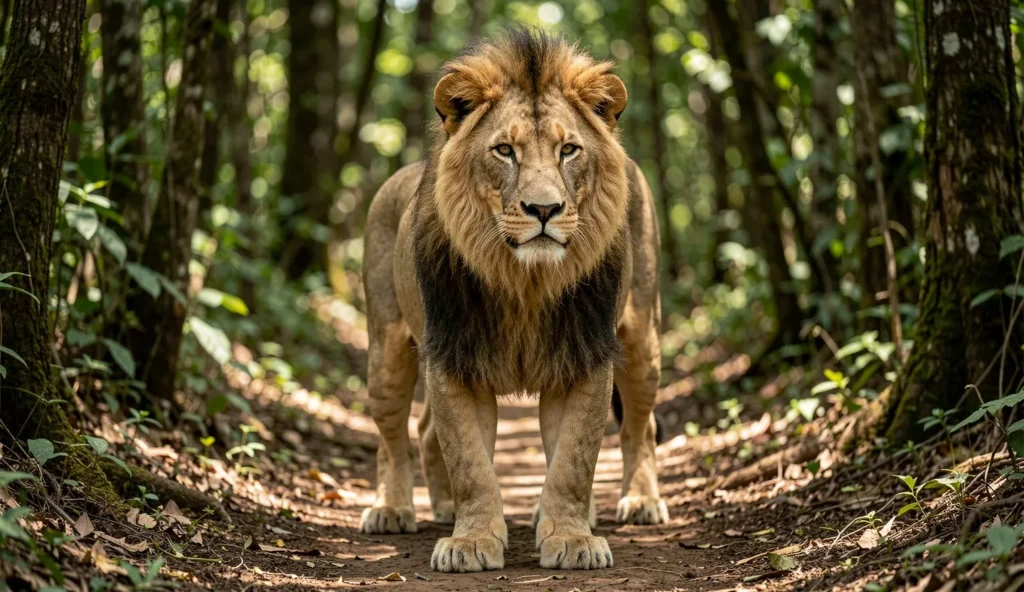
The Congo lion is a Central African lion population discussed in wildlife literature under names such as Panthera leo azandica. It represents lions associated with the Congo basin, where dense cover changes visibility, hunting tactics, and even how traits show up. A key point in Congo lion characteristics is the reported smaller mane compared with many savanna lions.
Because classification can vary by source and region, researchers often treat these labels as practical field identifiers rather than strict breeding standards. For background context on other lion lineages, comparisons like African Lion and West African Lion help clarify how habitat and variation influence reported traits.
Scientific Naming And Common Labels
Some references describe this lion as Panthera leo azandica. Other common labels used in research and field reporting include Central African lion and forest lion. The term forest lion and the Congo basin framing both point to habitat and survey context.
Taxonomy and naming can differ across publications, which means Congo lion characteristics should be interpreted alongside the source’s study region and methods. For example, Congo lion discussions may be contrasted with Cape Lion to understand how labels have shifted with geography and time.
Where It Lives In Central Africa
This lion is associated with areas of Central African rainforest and woodland where dense vegetation limits long-distance sight lines. Field discussions often place the population within the Congo basin region. Dense cover also changes movement routes, making travel along usable corridors more noticeable than open-area strides.
Population data can appear less consistent than for well-studied savanna lions, mostly because dense habitat reduces survey visibility. For comparison, Asiatic Lion and other lions show how habitat type affects monitoring approaches even when the species label stays the same.
Why Habitat Shapes Physical Traits
In rainforest and woodland, dense vegetation reduces open chase space and changes how a lion catches prey. Humidity and temperature can affect how hair and mane look during field observations. In turn, smaller mane traits may provide practical advantages by reducing excess heat load and moisture retention in shaded cover.
Selection pressures differ from open savanna settings where long-distance signaling and visibility matter more. That is one reason forest lion traits are often discussed separately from large-mane savanna profiles like Ethiopian Lion, where reports focus on different local factors.
Appearance And Physical Features
Congo lion characteristics show most clearly in how lions look and move within dense habitat. Physical form still matches typical lion structure, but forest conditions can make visual cues appear different in photos and field surveys. A smaller mane is frequently mentioned, which directly affects how males look compared with savanna individuals.
Because dense cover can hide fine pattern differences, appearance needs to be recorded with consistent observation angles and age class notes. For researchers comparing regional forms, noting Panthera leo azandica labels alongside habitat context helps keep comparisons accurate.
Body Size And Coat Patterns
Lion body proportions remain recognizable, but individuals may look more compact in forest lighting. Coat coloration can vary with local conditions, and shaded environments can shift perceived tone in images. Dense vegetation also reduces the observer’s ability to see small differences in spotting or hair length.
Instead of relying on coat tone alone, field notes often combine multiple features. This approach parallels how Masai Lion profiles are compared by behavior and environment, even when coat appearance varies by season.
Mane Size And What It Can Mean
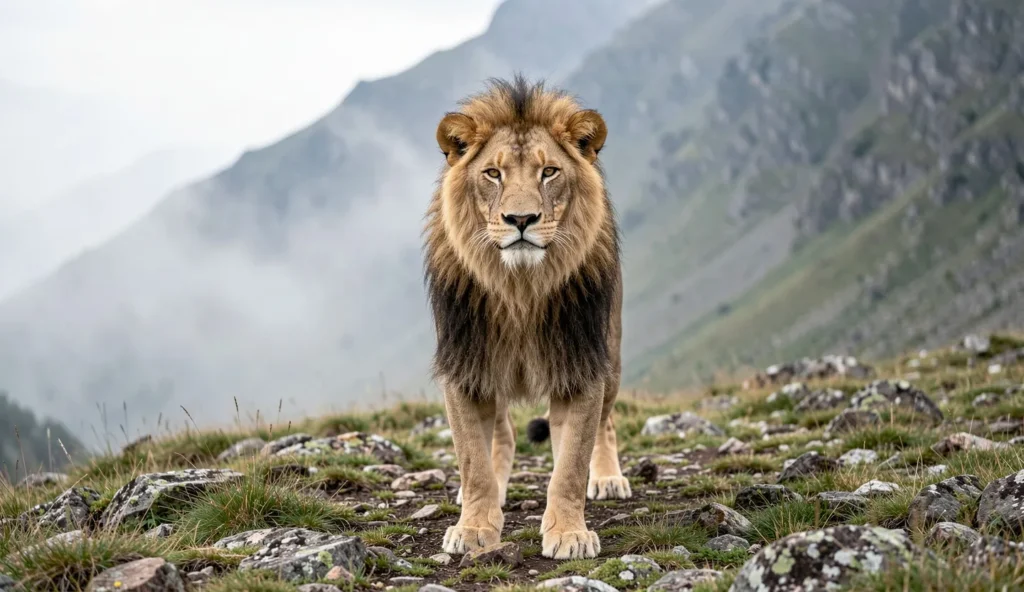
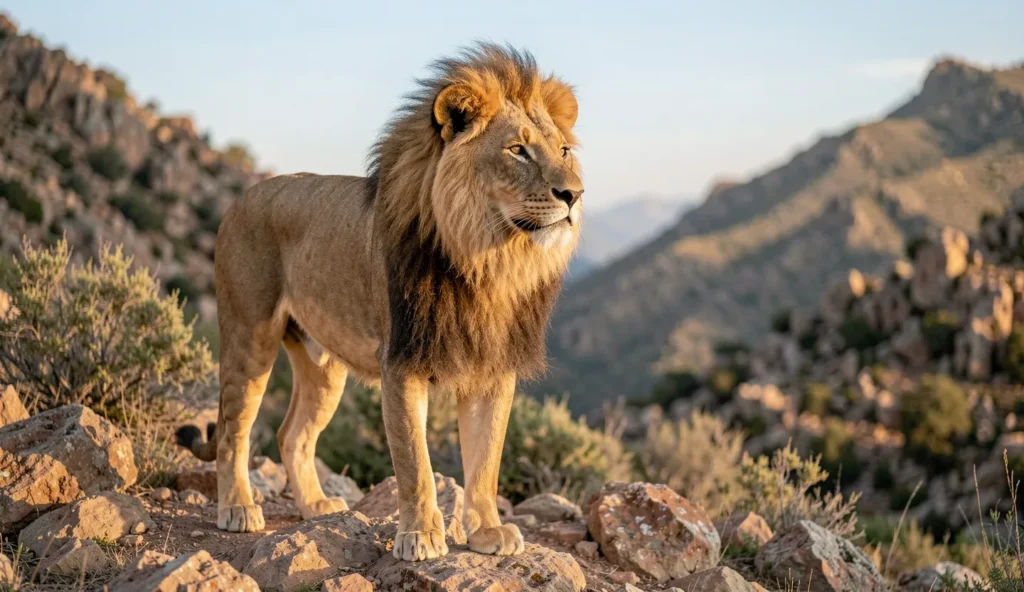
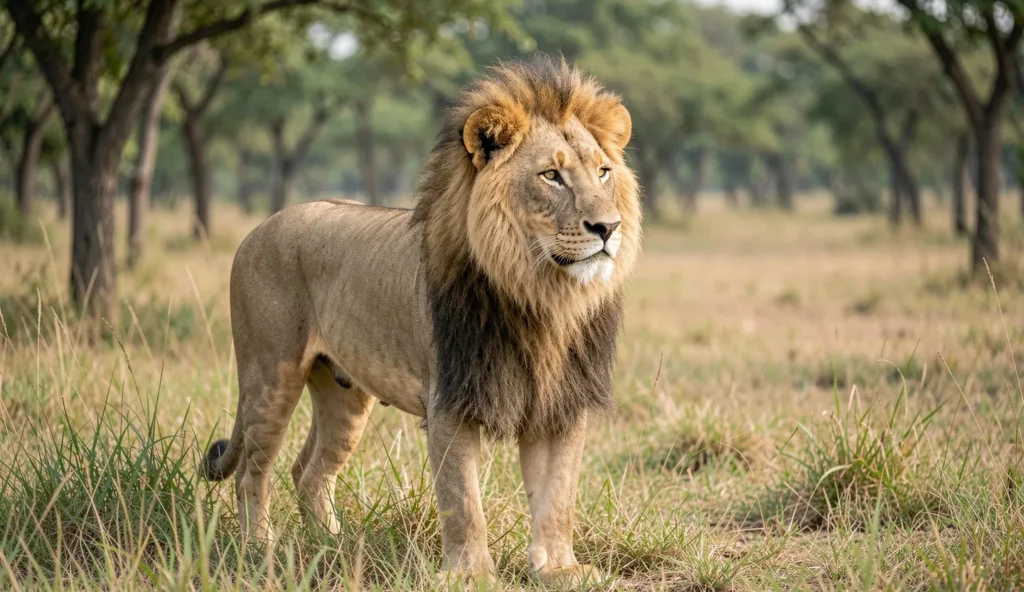
Smaller mane traits are a frequently reported characteristic of rainforest lion adaptation. Reduced mane coverage can support better heat comfort in humid, shaded conditions. In forest cover, the display value of a large mane may also drop because visual distance cues become less useful.
It is also important to treat mane size as variable rather than a single fixed trait. Mane coverage can differ between individuals and changes over age, so Congo lion characteristics should be documented with age estimates whenever possible.
Head, Ear, And Tail Traits
Ear shape remains typical for lion forms, and overall skull and facial structure stays consistent with Panthera leo types. The tail and the pattern of movement can reflect short-range navigation in dense brush. Movement through tight vegetation can favor quick directional changes rather than long, straight pursuits.
Facial features can help identification during surveys, especially when mane visibility is reduced by angle or growth stage. In practice, observers may track ear and face notes alongside Congo basin location data to reduce misidentification.
Key Field Identification Notes
Field identification works best when multiple traits are recorded together. Mane size alone can mislead because age, individual differences, and photo angle all change what appears visible. Consistent photo angles help make comparisons across individuals more reliable.
Reporting age class matters because mane develops over time. It also helps prevent confusion when comparing Congo lions with other lion populations such as Barbary Lion, where historical descriptions can emphasize mane and color patterns differently.
Temperament And Behavior In Forest Habitat
Congo lion behavior in rainforest conditions often differs in how it looks to observers rather than changing the core lion temperament. Dense cover reduces long-distance visibility, so social interactions and hunting events may appear more localized. As a result, behavior is commonly recorded as short bursts of movement and close-range activity.
In addition, communication strategies can shift when visual signaling travels poorly through vegetation. Researchers often treat Congo lion characteristics as part of a broader habitat-driven behavioral pattern rather than as isolated personality traits.
Social Structure And Pride Dynamics
Pride structure follows general lion social patterns, but dense vegetation can alter how territories appear and how boundaries are used. Group spacing can change because movement corridors define where lions can travel without getting separated. Males may also use display or signaling approaches that work better in close cover.
Because visibility limits distance, pride interactions may rely more on proximity. West African Lion discussions show how forest-adjacent or mixed habitat settings can influence where and when pride signals are detected.
Hunting Style And Prey Approach
Forest cover tends to favor ambush and short pursuit tactics. Reduced maneuver space can change capture mechanics, with more emphasis on close approach and rapid turning. Cooperative hunting still occurs, but events can look less obvious when vegetation blocks lines of sight.
Prey availability can also differ across the Congo basin, which influences hunting frequency and group effort. That ecological shift is one reason forest lion behavior needs habitat-specific notes rather than assuming savanna patterns apply unchanged.
Communication And Visual Signaling
Dense cover reduces the effectiveness of long-distance visual signaling. Scent marking and vocalizations often become more important for maintaining awareness among pride members. Smarter close-range signaling can replace some of the distance-based display that open habitats highlight.
Smaller mane may reduce reliance on appearance-based signaling at distance, especially if visibility is limited by trees and undergrowth. This fits the broader idea that rainforest lion adaptation reshapes how signals are perceived in real time.
Exercise And Activity Needs
For managed settings and research plans, activity requirements connect to how lions use cover and travel routes. Congo lion characteristics often show through movement patterns that concentrate along usable paths. Even though sprint distances may be shorter, activity can still include frequent maneuvering and repeated short travel segments.
These needs can be translated into measurable observation categories for wildlife biologists, conservationists, and pet breed researchers. With the Congo basin context in mind, activity planning should prioritize cover navigation rather than only open-area running.
Daily Movement Patterns In Dense Cover
Daily movement often concentrates along travel routes that remain passable through vegetation. Dense habitat can reduce straight-line speed, yet it can increase turning, re-routing, and short bursts of movement. Activity cycles may follow prey movement and humidity changes that affect both lion and prey comfort.
Field study metrics often include time spent in cover and travel rate through corridors. To keep records comparable, standardized observation windows help reduce bias, especially during different weather periods.
Resting And Thermoregulation Considerations
Resting site selection can follow forest microclimates, including shade density and airflow access. Heat management may connect with mane size, since mane can affect moisture retention and comfort. Rest periods can increase during peak humidity when movement becomes more costly.
Shade use becomes a useful behavioral indicator for welfare assessments and study interpretation. Observers often look for consistent resting locations and posture changes as part of routine monitoring.
Activity Monitoring For Research Or Managed Settings
In research or managed environments, monitoring should track movement events and resting durations. Observation methods benefit from standardized windows so that data from different days can be compared. Weather and seasonal changes should be recorded because humidity and cover density can affect visibility and movement.
Habitat complexity and visibility limits matter for data quality. When comparisons occur between lions in different settings, notes must specify how visibility restrictions changed the detection rate of movement and signaling.
Grooming And Care Tips In Managed Settings
Managed care for forest lion adaptation focuses on moisture control, stress reduction, and routine inspection. Congo lion characteristics, including smaller mane traits, can change what caretakers look for during grooming and health checks. Humid conditions can make fur damp longer, so preventive hygiene needs to be consistent.
Care protocols should also respect how lions move through cover, since handling that ignores navigation behavior can raise stress. For broader context on lion care planning, Barbary Lion and Asiatic Lion references may help researchers structure welfare check routines across habitats.
Coat Handling And Heat Comfort
Mane and fur can trap moisture in humid environments, which may increase discomfort. Handling sessions should minimize stress because higher stress can worsen heat and breathing comfort. Frequent skin checks support early detection of irritation from dampness.
It also helps to maintain consistent shade and airflow access in holding or study areas. After wet conditions, drying time and surface cleanliness should be prioritized to reduce prolonged dampness.
Mane Considerations With Smaller Mane Traits
Smaller mane may shift grooming priorities from heavy mane detangling to targeted inspection around the neck region. Grooming should include checking for matting at the mane base and around areas that stay moist. Coat condition can change with age and seasonal coat cycles, so inspection should adapt accordingly.
Keeping documentation by age class supports better interpretation of Congo lion characteristics across individuals. This approach also reduces confusion when comparing individuals described under Panthera leo azandica versus broader Central African lion labels.
Hygiene And Enrichment That Fits Dense-Habitat Behavior
Hygiene should support the lion’s natural foraging cues by using scent-based enrichment where appropriate. Enrichment designs should keep surfaces dry enough to reduce skin issues caused by damp bedding. Short bursts and short-range navigation match the movement style expected in dense cover.
During health checks, calm routines and low-noise handling reduce stress. This matters because stress can increase moisture sensitivity and make skin problems more likely in humid microclimates.
Diet And Nutrition For Congo Lion Conservation Use
Diet planning for a Central African lion context depends on the nutrient needs of the animal and the prey ecology in the Congo basin. Congo lion characteristics connect indirectly here because forest habitats can affect prey availability and activity rates. In managed settings, nutrition plans should reflect those differences rather than assuming savanna prey profiles always apply.
Because diet requirements change with age, sex, and activity level, body condition monitoring should guide feeding adjustments over time. That monitoring needs careful recordkeeping in humid conditions where spoilage can become a welfare risk.
Prey Base And Nutrient Profile
Natural prey bases depend on regional forest prey species, which can change protein and fat availability. Nutritional planning should reflect regional prey diversity, especially when diets aim to mimic ecology. Protein and fat needs typically vary with age, sex, and activity level.
Calcium and mineral balance also require careful management. Incorrect mineral ratios can show up as growth or skeletal issues, which may be harder to diagnose in dense-condition observations.
Feeding Schedules And Body Condition Checks
Feeding frequency should align with metabolic needs, which may shift when humidity or cover changes movement levels. Body condition scoring helps provide a consistent method to evaluate whether feeding matches energy use. Weight changes linked to reduced movement during peak humidity can guide ration adjustments.
Recording consumption and leftovers helps refine ration estimates. This matters in humid settings because partial spoilage can lead to inconsistent intake and hidden nutritional gaps.
Common Nutrition Errors To Avoid
One frequent error involves inconsistent rationing, which makes condition tracking less accurate. Another common issue is under-supplying minerals and vitamins in managed diets. Organ and muscle proportions also need balance when diet formulas use mixed components.
Spoilage prevention should be strict in humid conditions. Proper storage and short feeding windows reduce contamination risks that can lead to gastrointestinal stress.
Common Health Issues And How Habitat Affects Risk
Congo lion characteristics relate to health risk patterns through habitat moisture and visibility conditions. In humid forest environments, skin and coat problems can increase due to dampness and fungal pressures. Respiratory comfort can also shift based on microclimate air circulation and handling stress.
Additionally, dense vegetation increases minor injury risk from obstacles. Wildlife biologists and conservationists often rely on structured monitoring so that small issues get recorded before they become serious.
Skin, Coat, And Moisture Related Problems
Humid conditions can increase skin irritation and fungal risks. Mane and neck areas may retain moisture longer, especially when smaller mane still collects dampness in shaded cover. Frequent inspection helps catch sores, abnormal shedding, or persistent irritation early.
Control of damp bedding and enclosure surfaces reduces exposure to moisture-related problems. After rainy periods, cleaning routines should intensify to limit prolonged damp contact.
Respiratory And Stress Related Concerns
Dense cover and microclimate can affect air circulation, which may influence respiratory comfort during rest. Handling stress can worsen breathing comfort, so stress-minimizing techniques matter for welfare. Monitoring changes in resting posture and respiratory rate helps detect early concerns.
Health trends should be tracked across weather patterns and enclosure conditions. When respiratory issues appear, records should include humidity, airflow, and handling duration.
Injury Risk In Dense Vegetation Environments
Brush and obstacles can increase minor laceration risk, even when interactions appear routine. Claw and paw inspections help identify issues after active periods through tight cover. Observers should monitor limping, reduced range of movement, and changes in how the lion approaches terrain.
Field-safe observation protocols reduce disturbance and lower stress-related movement injuries. Keeping distance where possible also improves safety for both the animal and the research team.
Is The Congo Lion Right For You
Congo lion characteristics matter most when expectations align with actual welfare constraints. For conservation research and specialist care, Central African lion handling requires strong habitat-aware planning. Forest adaptations shape behavior, including movement style and how grooming and stress management should be performed.
However, these lions are not suitable for general ownership. Responsible involvement depends on legal permissions, specialist staff, and ethical oversight designed for large carnivore welfare.
Best Fit For Conservation Research And Specialist Care
The best fit is typically for experienced wildlife biologists and conservation teams. Managed work requires structured monitoring, careful welfare planning, and habitat-aware study designs. Forest lion adaptation also influences handling needs because dense cover behavior can amplify stress if routines do not match familiar patterns.
Legal and ethical constraints must be addressed before any involvement. In practice, teams often compare procedures with related big cat management approaches used in other lion populations, such as Congo basin fieldwork planning inspired by Asiatic Lion studies.
What To Plan For Before Any Managed Work
Planning should include heat and humidity management with strong attention to dry surface availability. Training for low-visibility handling can reduce stress when sight lines are limited by vegetation or enclosure design. Routine body condition and skin checks should be scheduled because moisture-related issues can develop quickly.
Enrichment designs should support short-range navigation and scent engagement. When enrichment fits the expected movement style, monitoring becomes easier and stress signals may decrease.
Limitations And Knowledge Gaps In The Wild
Population and behavioral data can be less complete than for savanna lions because dense habitat reduces survey coverage. Identification can also be complicated by individual variation in mane size and by age-related changes. Taxonomic labels may differ between publications, so careful interpretation of Panthera leo azandica references is necessary.
Long-term monitoring improves understanding of trait adaptation over time. Clear records of Congo lion characteristics, habitat notes, and health outcomes help reduce uncertainty and support better conservation decisions.
Final Note On Studying Congo Lion Characteristics
Careful, research-driven observation supports both conservation goals and animal welfare planning. Forest conditions require methodical recording of traits, health, and behavior rather than single-trait assumptions.
FAQs: Congo Lion Characteristics
What Are Congo Lion Characteristics Most Known For?
Congo lion characteristics are most known for smaller mane coverage and adaptations to dense, forested Central African habitats.
How Does A Rainforest Habitat Influence Congo Lion Behavior?
A rainforest habitat tends to support ambush and short pursuit tactics with reduced long-distance visual signaling.
Is Panthera Leo Azandica The Same As The Congo Lion?
Some sources use Panthera leo azandica for Central African lions, but taxonomy labels can differ across studies.
Why Do Congo Lions Tend To Have A Smaller Mane?
Smaller mane traits may reflect forest climate pressures that reduce heat and moisture load compared with open savanna conditions.
What Health Risks Are More Common In Humid Forest Conditions?
Humid conditions can increase skin irritation and moisture-related fungal risks, while microclimate airflow can influence respiratory comfort.
Final Note
Accurate documentation of Congo lion characteristics helps researchers connect visible traits to habitat-driven adaptation, even when field conditions limit observation quality.