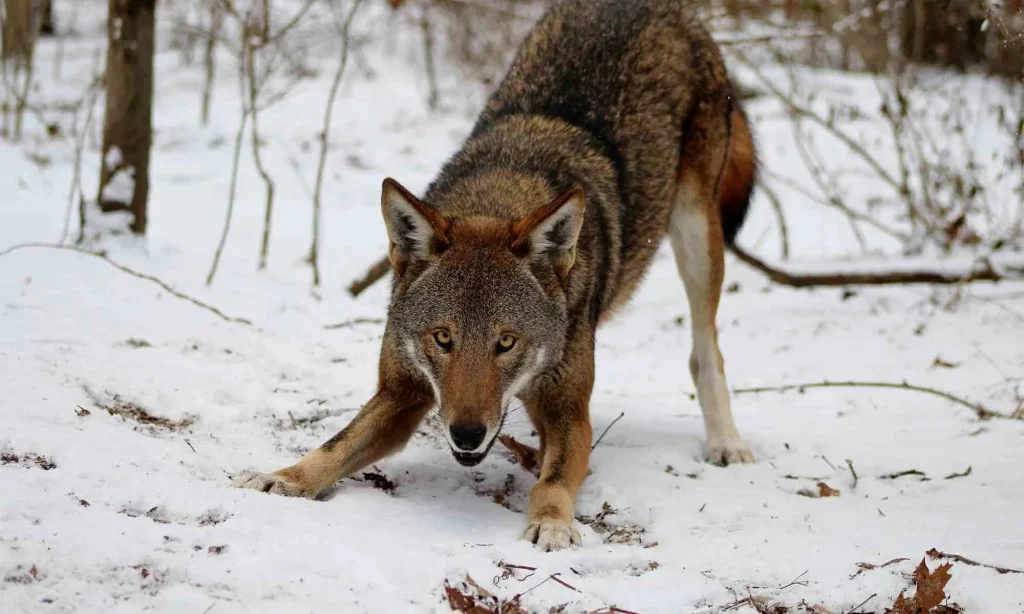
Red Wolf– The Resilient Spirit of the American Southeast
Introduction to the Red Wolf
The Red Wolf is one of the rarest and most endangered canids in the world, with a story that is as compelling as it is urgent. Native to the southeastern United States, this elusive and intelligent predator once roamed vast territories from Texas to Pennsylvania. After being declared extinct in the wild in 1980, a successful reintroduction program brought them back, yet today fewer than 20 individuals remain in the wild, making every single wolf a critical part of the species’ survival:contentReference[oaicite:0]{index=0}. Understanding the Red Wolf means understanding the delicate balance between human development and wildlife preservation.
Scientific Classification
- Scientific Name: Canis rufus
- Common Name: Red Wolf
- Family: Canidae (dog family)
- Conservation Status: Critically Endangered
- Native Range: Southeastern United States
Physical Appearance
Red Wolves are graceful and lean canids with distinctive features:
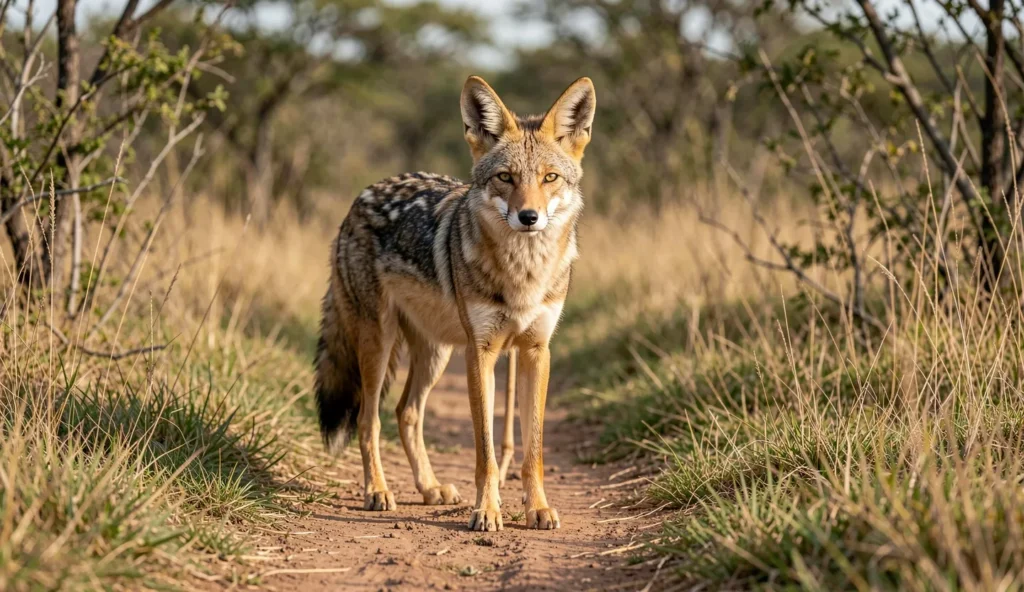
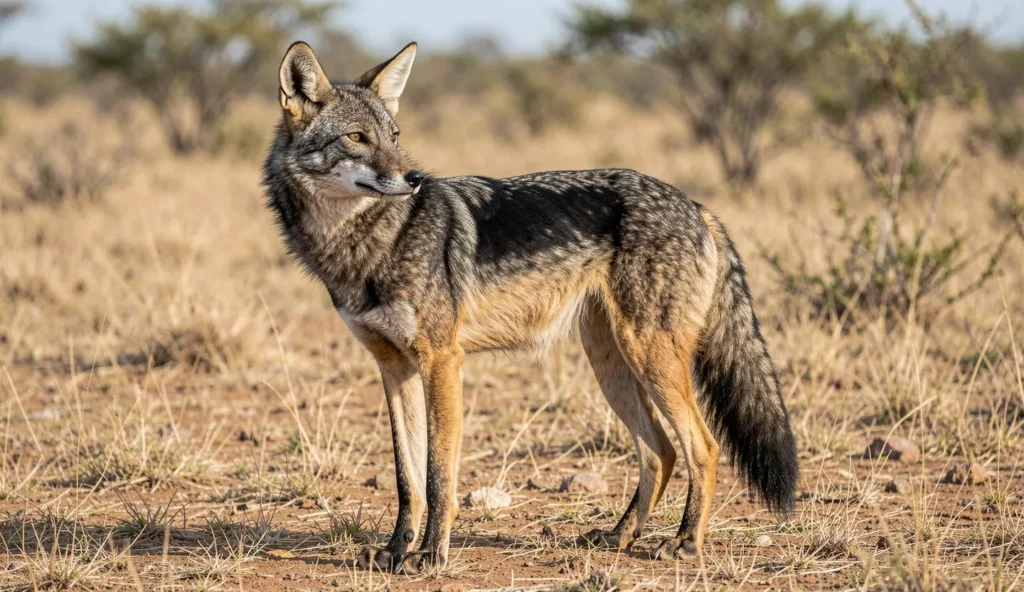
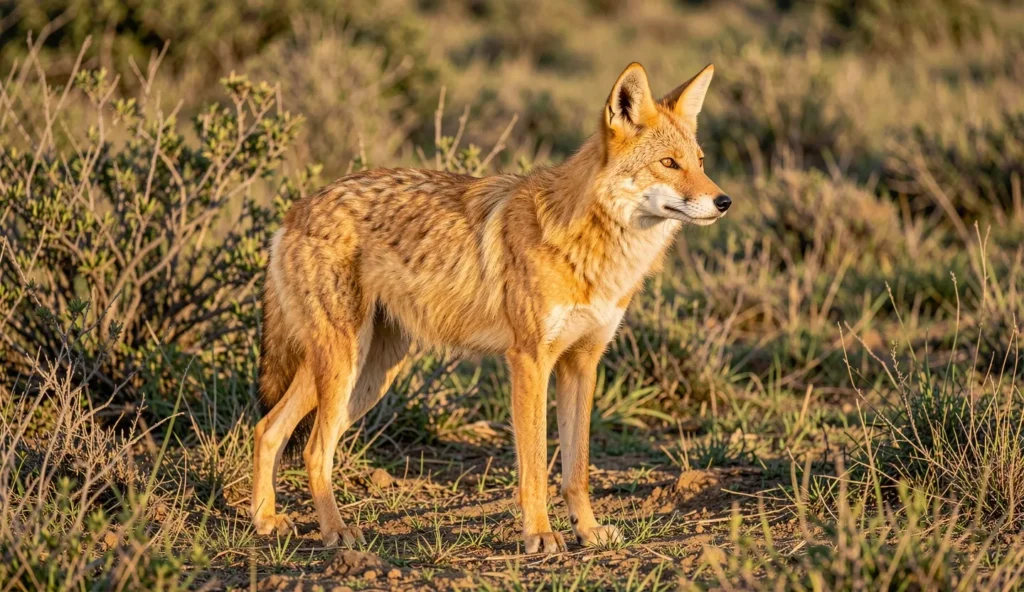
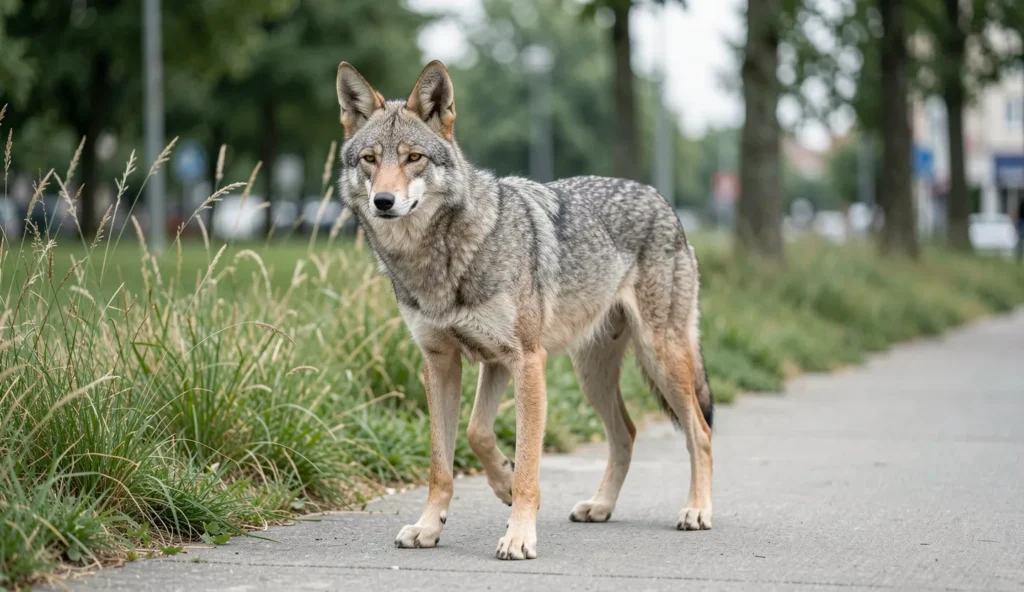
- Coat: Reddish-brown fur, especially behind the ears and along the neck and legs, with some black along the back:contentReference[oaicite:1]{index=1}
- Size: Intermediate between gray wolves and coyotes; about 4.5 to 5.5 feet in length
- Weight: Typically 45–80 pounds (20–36 kg)
- Features: Long legs, wide head, and large ears adapted for their environment
Behavior and Social Structure
Red Wolves are social animals that live in close-knit family groups:
- Packs usually consist of a breeding pair and their offspring
- Communicate through vocalizations, body language, and scent marking
- Maintain and defend territories to support their pack
- Exhibit strong family bonds and cooperative behaviors
Natural Habitat
Historically, Red Wolves inhabited diverse ecosystems:
- Habitats included forests, swamps, and coastal prairies
- Once ranged across the southeastern U.S., from Texas to Pennsylvania
- Currently, wild populations are limited to eastern North Carolina, particularly the Alligator River National Wildlife Refuge:contentReference[oaicite:2]{index=2}
Diet and Hunting
As carnivores, Red Wolves play a crucial role in their ecosystems:
- Diet includes deer, raccoons, rabbits, and rodents
- Hunt primarily at night, using keen senses and teamwork
- Help control prey populations, promoting ecological balance
Reproduction and Life Cycle
Red Wolves have a structured breeding system:
- Breeding season occurs once a year, typically in late winter
- Gestation lasts about 60–63 days
- Litters usually consist of 2–8 pups born in dens
- Offspring stay with the pack and assist in raising younger siblings
- Lifespan: 6–8 years in the wild; up to 14 years in captivity
Threats to Red Wolves
Red Wolves face numerous challenges that threaten their survival:
- Human-induced mortality, including vehicle collisions and illegal killings
- Habitat loss and fragmentation due to development and agriculture
- Hybridization with coyotes, leading to genetic dilution
- Misunderstanding and lack of public support for conservation efforts
Conservation Efforts
Dedicated initiatives aim to protect and restore Red Wolf populations:
- Legal protection under the Endangered Species Act since 1973
- Reintroduction programs, notably in North Carolina’s Alligator River National Wildlife Refuge
- Captive breeding programs maintaining genetic diversity :contentReference[oaicite:3]{index=3}
- Public education campaigns to foster coexistence and support
Red Wolf vs Gray Wolf
| Feature | Red Wolf | Gray Wolf |
|---|---|---|
| Scientific Name | Canis rufus | Canis lupus |
| Size | Smaller (45–80 lbs) | Larger (up to 175 lbs) |
| Range | Southeastern U.S. | North America, Europe, Asia |
| Conservation Status | Critically Endangered | Least Concern (some subspecies endangered) |
| Color | Reddish-brown with black accents | Gray, black, white, or mixed |
To learn more about the larger relative, read our detailed guide on the Gray Wolf.
Fun Facts About Red Wolves
- Red Wolves communicate with a unique howl, distinct from other canids
- They are more closely related to gray wolves than to coyotes, despite similarities
- Once declared extinct in the wild in 1980, they were successfully reintroduced in 1987
- Genetic studies continue to explore their distinct lineage and evolutionary history
Cultural and Ecological Significance
Red Wolves hold important roles in both nature and human culture:
- Revered by Indigenous communities as symbols of strength and adaptability
- Serve as apex predators, maintaining the health of their ecosystems
- Their story reflects broader themes of conservation, coexistence, and resilience
Why Red Wolves Matter
Protecting Red Wolves is crucial for several reasons:
- Help regulate prey populations, preventing overgrazing
- Support biodiversity by maintaining balanced ecosystems
- Their presence indicates the health of their natural habitats
- Serve as ambassadors for broader conservation efforts
Frequently Asked Questions
Q1: Are Red Wolves dangerous to humans?
A: No. Red Wolves are naturally shy and avoid human interaction. There are no documented cases of Red Wolves attacking humans.
Q2: How many Red Wolves are left in the wild?
A: As of the latest estimates, fewer than 20 Red Wolves remain in the wild, primarily in eastern North Carolina:contentReference[oaicite:4]{index=4}.
Q3: Can Red Wolves be kept as pets?
A: No. Red Wolves are wild animals with specific ecological roles and needs that cannot be met in a domestic setting.
Q4: What is being done to save Red Wolves?
A: Conservation efforts include legal protection, habitat restoration, captive breeding, public education, and reintroduction programs.
Q5: How do Red Wolves differ from coyotes?
A: Red Wolves are generally larger, have a more robust build, and exhibit different social and hunting behaviors compared to coyotes.
Conclusion – A Call to Protect the Red Wolf
The Red Wolf embodies the delicate balance between nature and human influence. As a keystone species, its survival is intertwined with the health of southeastern U.S. ecosystems. Protecting the Red Wolf means preserving the rich biodiversity and natural heritage of the region. Through informed conservation efforts and public support, we can ensure that this resilient predator continues to thrive in the wild. For those interested in other rare canids, explore our guide on the Eastern Wolf or learn about the high-altitude Himalayan Wolf.