What Is A Fire Eel
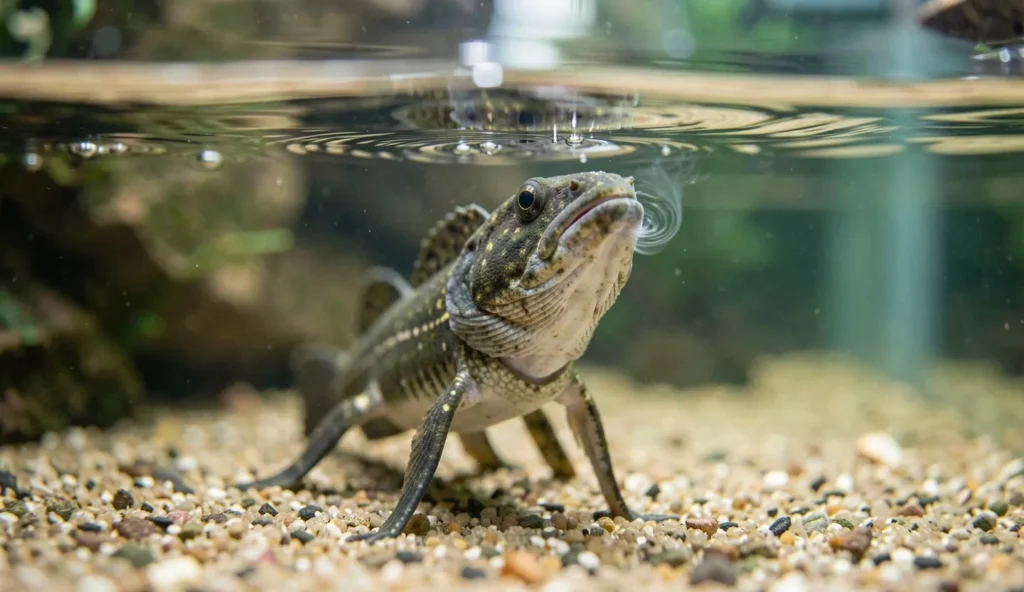
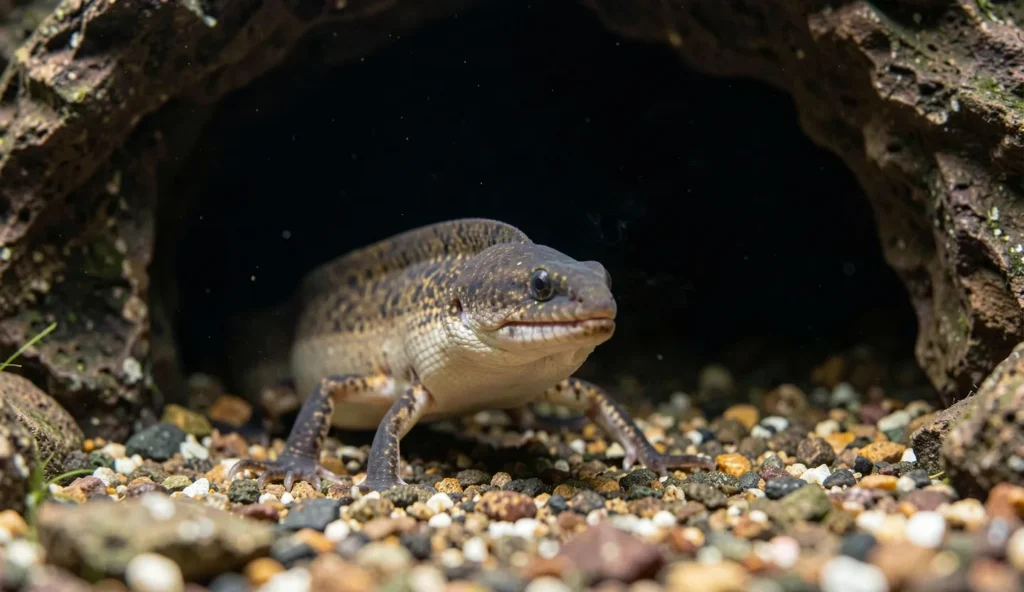
The fire eel is a Southeast Asian freshwater fish known for an elongated body and a nocturnal, ambush style. It is classified as Mastacembelus erythrotaenia and many keepers rely on feeding discipline to maintain steady intake.
Its feeding success depends on how closely captive conditions match low light hunting, prey availability, and hiding access.
Species Identification And Natural Diet
The fire eel, also called a spiny eel in many stores, belongs to Mastacembelus erythrotaenia. In the wild, it hunts aquatic invertebrates and small prey that move near the bottom.
Visible dorsal spines help explain why safe capture and careful feeding tools matter in captivity. Because the fish hunts at night, food acceptance often increases after lights off.
Why Feeding Behavior Matters In Captivity
Feeding refusals often trace back to shy daytime behavior and limited access to safe hiding areas. When the aquarium layout does not support night emergence, the eel may hesitate even when food is present.
Competition also plays a role, since fast tank mates can take floating food before the eel reaches it. Stress from aggressive interactions or unstable water conditions can reduce appetite and increase refusal of prepared foods.
Appearance And Body Traits That Affect Feeding
The fire eel’s body design supports quick striking, so prey selection must match the eel’s capture style. Its anatomy also affects how food reaches the mouth during crevice feeding.
For advanced keepers, matching diet variety to these physical traits reduces wasted food and improves intake.
How The Body Shape Impacts Prey Capture
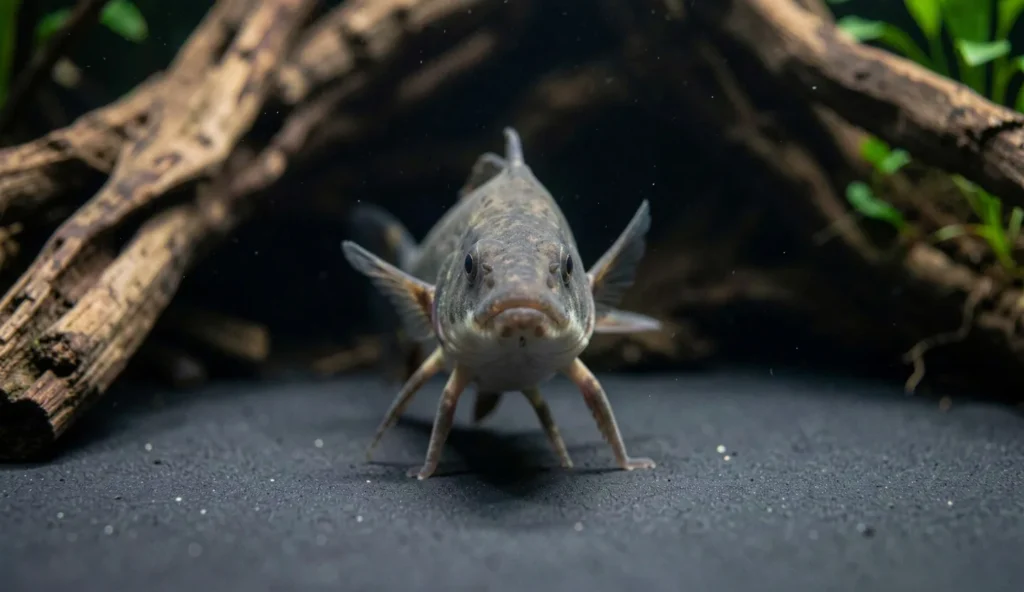
The elongated body allows forward and side-to-side striking during low light hunting. It also spends time searching the substrate, so foods that sink and stay available tend to work better.
A bony head structure helps grasp struggling prey, but prey size still matters for successful swallowing. Individual boldness changes response speed, so portion timing may need fine tuning.
Spines And Handling Considerations During Feeding
Dorsal spines can snag nets and cause minor injuries during stressful capture. During feeding, avoiding direct hand feeding helps prevent spikes in stress behavior.
Long feeding tongs allow precise placement near hiding spots, which supports consistent feeding outcomes. Preparing feeding tools before the first evening session reduces disruptions that can carry over into later nights.
Housing Essentials For Consistent Feeding
Reliable feeding starts with tank conditions that reduce competition and support nocturnal emergence. A large tank supports stable water and gives the fire eel space to route food into safer areas.
With a spiny eel, feeding becomes more predictable when hiding spots and flow patterns guide behavior.
Tank Size, Water Quality, And Flow
A large tank reduces stress at feeding time by spreading activity across the bottom. Stable temperature supports steady metabolism, and stable parameters reduce appetite swings.
Strong filtration should produce gentle flow so food does not get pushed away from the substrate. Low ammonia and controlled nitrates support consistent feeding response rather than intermittent refusal.
Substrate, Hiding Spots, And Nocturnal Access
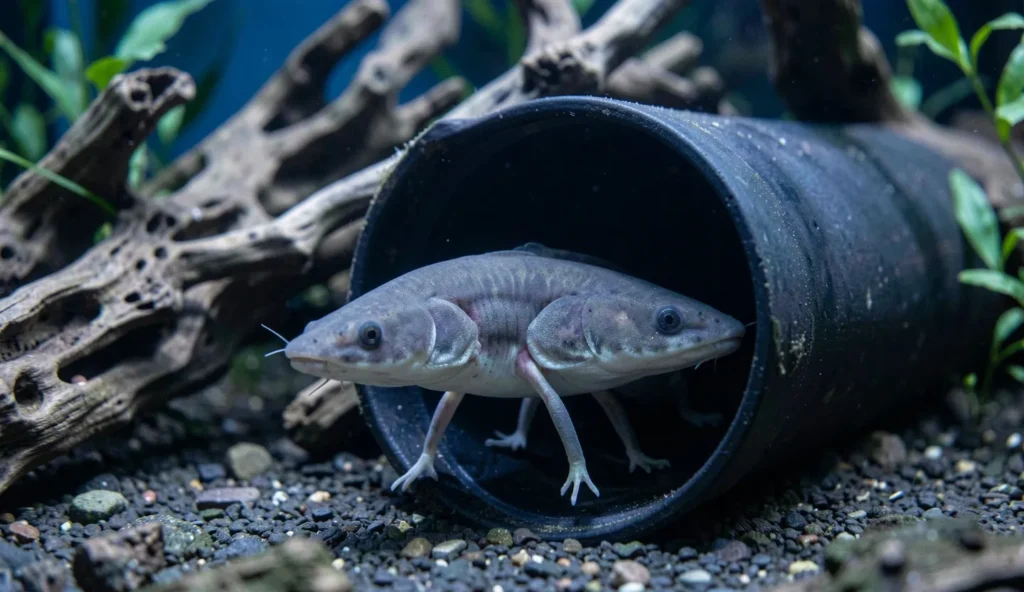
Use a soft substrate that allows burrowing and searching without damage to the eel’s body. Multiple caves, crevices, and tube hides create routing paths that support confident night emergence.
Hiding spots must also allow food delivery within reach, or the eel may retreat before taking a meal. Dim lighting or a controlled photoperiod can help reinforce nocturnal feeding windows.
Tank Mates That Reduce Food Competition
Choose fish that stay calm around the bottom and do not rush every food item. Fast surface feeders often grab available food first, especially when floating items drift during feeding.
Bullying can increase after lights off because the fire eel emerges on a different schedule. When tank mates are unavoidable, separate feeding zones so the eel can eat without being crowded.
If community feeding is planned, reviewing angelfish care can help clarify how other bottom-adjacent fish defend space, since defense behavior affects nighttime feeding. Similarly, understanding betta fish habits can prevent keepers from selecting aggressive companions that escalate competition.
Fire Eel Diet And Feeding Schedule
Feeding the fire eel requires consistent timing and diet variety to keep intake stable over time. As a carnivorous spiny eel, it needs protein-dense prey that sinks quickly and remains accessible.
Once routines match nocturnal behavior, the feeding schedule becomes a tool for digestion control and long-term condition.
Ideal Feeding Frequency By Age And Appetite
Most keepers feed once daily during the dark phase for most adult fire eels. Juveniles usually require more frequent small meals because growth demands are higher.
Frequency should reflect body condition and observed appetite, since hunger cues vary by individual. If refused meals continue or bloating appears, short fasting days can be used after confirming no illness signs.
Best Protein Sources For Diet Variety
Start with live or high quality frozen blackworms as a staple option for many keepers. Bloodworms can rotate in small portions, while mysis shrimp or chopped seafood offers higher protein meals.
When rotating with feeder fish, only use them if disease risk is controlled through good sourcing and handling. Target foods should sink and stay near the substrate long enough for the eel to find them.
For insight into prey suitability and why some live foods are handled differently in communities, reviewing swordtail fish breeding behavior can help explain how livebearer fry availability changes predation risk. Even when fry are not used, learning about live food dynamics can support safer feeding decisions for a nocturnal predator.
How To Transition From Live Foods To Prepared Foods
Transition gradually by mixing preferred prey with small prepared portions that sink quickly. Fine sinking pellets that break down near the substrate can work, but the timing must fit the eel’s emergence pattern.
Prepared conversions can fail when diet switches happen too fast, so gradual mixing reduces prolonged refusals. Recording which foods trigger strikes and which are ignored helps keep the transition efficient.
Portion Size And Portion Timing
Feed amounts that finish within a set window so leftovers do not foul the tank. Overfeeding increases waste and can reduce appetite over time, especially for bottom dwellers that eat slowly.
Food placement should be near hides rather than open substrate to reduce the chance of hesitation. If emergence is delayed, smaller repeated feedings can work better than a single large offering.
For keepers managing detritus and algae load around bottom feeders, learning about plecostomus fish feeding habits can clarify how grazing behavior changes waste patterns. That same logic applies when leftover prey sits longer near the substrate.
Feeding Techniques That Work For A Nocturnal Predator
Feeding success depends on how quickly the fire eel finds and accepts food after lights off. A practical technique reduces food refusal and waste while improving diet variety.
These methods also limit stress because the eel receives meals with minimal disruption.
How To Spot Feeding Response Quickly
After lights off, watch for emergence and body tension that signals a feeding attempt. Once feeding begins, confirm the food location by observing substrate disturbance.
Leftovers should be removed early because trapped protein can raise bacterial load. If repeated hesitation continues, feeding should stop for that session to avoid stress-driven refusal.
How To Reduce Competition During Feeding
Feed at a consistent time each evening so the fire eel learns the routine. Place food at the eel’s hide entrance using feeding tongs so faster fish cannot intercept easily.
Temporarily separating aggressive tank mates can be necessary for consistent intake. Avoid target feeding in open water for shy individuals, since this exposes the eel to chasing and repeated retreat.
How To Prevent Food Refusal And Stress
Maintain stable water parameters before changing diet items to prevent confusing the eel with new conditions. Sudden prey swaps after transport or during illness often lead to refusal even when food is high quality.
Offer at least one familiar option while new foods are introduced over time. A calm routine with fewer tank disruptions supports steady nighttime feeding rather than intermittent appetite.
Common Health Issues Related To Diet And Feeding
Diet problems often show up as appetite changes, digestive slowdowns, or rapid weight loss. Advanced keepers can catch these issues early by tracking feeding behavior and stool appearance.
Because the fire eel feeds at night, monitoring can focus on changes that happen after evening sessions.
Bloating, Constipation, And Overfeeding Signs
Distended belly and reduced movement can indicate digestive stress. Oversized prey items may also cause constipation or difficulty swallowing for a spiny eel.
Portions should be reduced and prey size should shrink toward smaller, softer options. Fasting days should be used only after confirming there are no broader illness symptoms.
Parasites, Bacterial Risk, And Food Safety
Feeder live foods can carry parasites and pathogens if sources are unreliable. Frozen foods reduce some risks, but they still require safe handling and correct thawing.
Thaw and rinse frozen foods to remove debris and limit contaminants in the tank. Quarantine new food sources when possible, and watch for rapid weight loss after repeated feeding refusals.
For keepers pairing bottom feeders with other species, understanding typical fish risks can help tighten food safety, and the angelfish care article offers a useful framework for how tank conditions affect susceptibility. This same discipline supports lower stress and cleaner feeding sessions for a fire eel.
Indicators That Feeding Strategy Needs Adjustment
Rejection of sinking foods often suggests hiding access problems or a placement issue near the substrate. Consistent refusal can also indicate stress from tank mates or changes in routine.
Sudden appetite loss can match water quality problems and should trigger parameter checks. Skin injuries around feeding can worsen when prey is too large or delivered too aggressively.
If a community tank seems involved, reviewing betta fish care can help identify which behaviors to avoid when planning nighttime feeding schedules. That planning reduces the chance of repeated chase behavior during the eel’s emergence.
Is A Fire Eel Right For Advanced Keepers
The fire eel fits best when advanced husbandry focuses on night feeding access, diet variety, and waste control. It is demanding because it needs hiding spots for secure feeding and careful prey sizing.
Successful keepers monitor nightly behavior and adjust quickly when intake changes.
Requirements That Make This Species High Maintenance
The fire eel requires diet variety to maintain long-term intake because it can refuse repeated monotony. It also needs hiding spots for secure nocturnal feeding access and a large tank to reduce competition.
Care depends on low waste feeding techniques, stable water, and consistent prey delivery near crevices.
Best Fit For Aquarists Who Can Monitor Feeding
This species works best when feeding response can be observed nightly and adjustments can be made fast. It suits setups where tank mates can be managed during dark feeding without creating constant stress.
Stable water testing routines and careful food safety practices also matter for carnivorous spiny eels. When these steps are consistent, feeding can become reliable rather than unpredictable.
FAQs: Fire Eel Feeding Requirements
How Often Should A Fire Eel Be Fed In A Home Aquarium?
Feed once daily during the dark phase for most adults, and increase frequency for juveniles with smaller portions.
What Foods Do Fire Eels Eat Best?
Use sinking protein foods like blackworms and mysis shrimp, and rotate with bloodworms and chopped seafood for variety.
Why Does A Fire Eel Refuse Food Even When It Is Alive?
Stress from tank mates or poor hiding access is common, and water instability or sudden diet changes can also reduce appetite.
Do Fire Eels Eat Frozen Food Or Only Live Food?
Many accept high-quality frozen sinking foods after transitions, but frozen should be introduced gradually alongside familiar live prey.
Final Note On Feeding A Fire Eel
Feeding performance improves when nocturnal access, diet variety, and portion control work together in the same routine.