What Is Peale’s Dolphin?
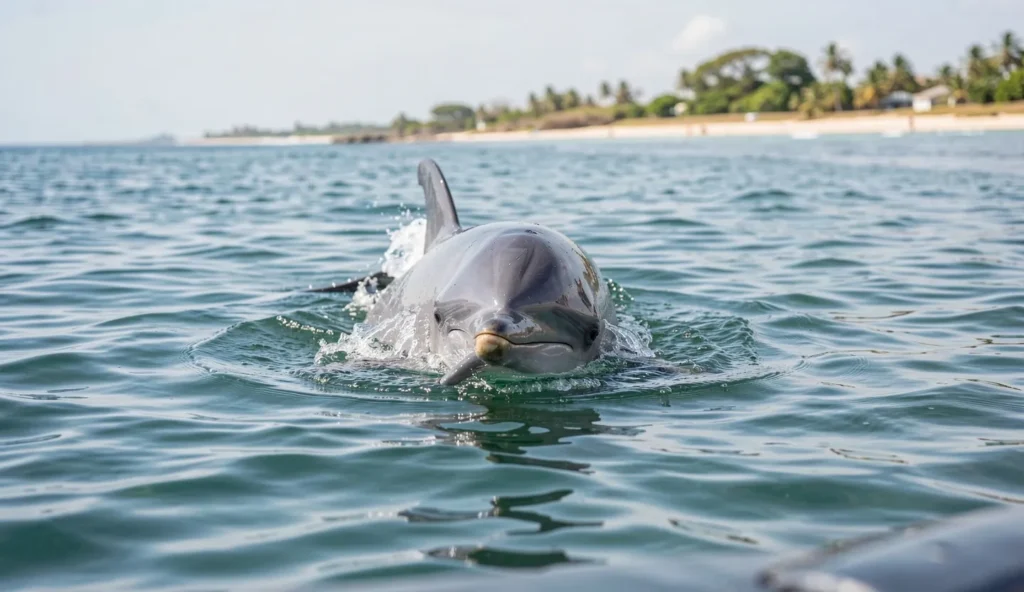
Peale’s Dolphin is a small to medium coastal dolphin known for living along the southern coasts of South America and around the Falkland Islands. It stands out as a nearshore species, meaning it spends much of its time where coastal conditions shape feeding and movement. For anyone searching Peale’s Dolphin facts, the range and coastal habits provide the best starting point.
In the wild, this dolphin type depends on local prey and changing coastal waters, so its presence often links to habitat and season. For context on other small coastal cetaceans, readers may also compare similar species such as the Chilean Dolphin at Chilean Dolphin.
Scientific Name And Species Identity
Peale’s Dolphin has the scientific name Lagenorhynchus australis and belongs to the family Delphinidae. The common name honors naturalist Charles Peale, which helps explain why the species name appears in older marine records. Field guides often describe it as a coastal delphinid with a compact, streamlined build.
This dolphin is often discussed alongside other small toothed whales because it uses echolocation and flexible group behaviors common to many delphinids. However, Peale’s Dolphin traits and regional distribution make it distinct from more widespread delphinids like the Bottlenose Dolphin.
Where It Lives Along The Southern Coasts
Peale’s Dolphin lives in coastal waters of southern South America, with sightings reported along nearby inshore zones. It also occurs around the Falkland Islands, where nearshore conditions support feeding opportunities. Compared with pelagic species, it typically prefers areas closer to land rather than open ocean routes.
Seasonal movement can occur when prey distribution shifts, and inshore habitat features can influence where groups concentrate. For readers comparing southern dolphin patterns, studying other coastal species like Commerson’s Dolphin can help highlight how nearshore life changes feeding behavior.
Appearance And Physical Features
Peale’s Dolphin identification relies on a mix of body shape, countershading, and fin profile. Because this dolphin uses coastal waters with changing light, patterns can look different at varying angles and distances. Still, consistent physical cues allow reliable recognition with practice.
Observers often focus on how the body transitions from darker upper tones to lighter underparts. Those contrast patterns improve detection against bright water, especially in the Falkland Islands region.
Body Size And Shape
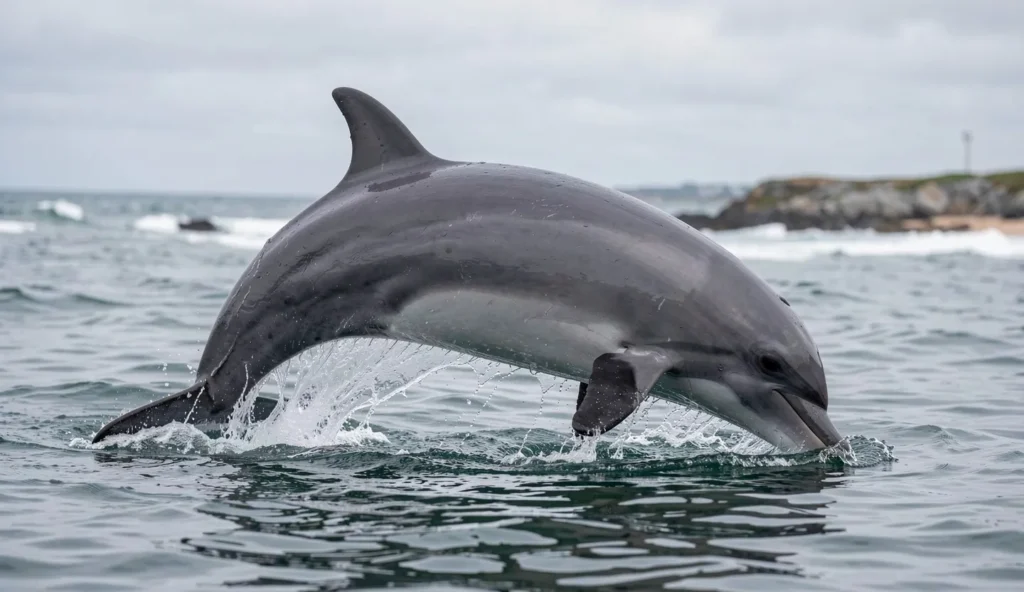
Peale’s Dolphin has a streamlined body built for efficient movement in coastal currents. It remains moderate in size compared with larger delphinids, which affects how far groups can travel within a short time window. The dorsal fin sits mid-back, which helps stabilize swimming and produces a recognizable silhouette.
When groups move through nearshore water, quick turns and steady travel help avoid obstacles like reefs or shifting shoreline currents. Short bursts of speed often support prey capture during local feeding events.
Color Patterns And Markings
Typical coloration shows countershading, with a darker upper body and a lighter underside. This pattern provides camouflage when seen from above or below. In some cases, flanking pattern details vary by region, age, and individual appearance.
Coastal water conditions can also change perceived color intensity, particularly on overcast days. Because surface glare can hide details, taking note of the overall contrast often works better than chasing tiny markings.
Head And Fin Details
Peale’s Dolphin has a short, distinct beak typical of dolphins, though the face may look compact at distance. The dorsal fin shape supports stable swimming, and the fin position can help separate it from species with more forward or more rear fin placement. Flippers support controlled turning in tight coastal spaces.
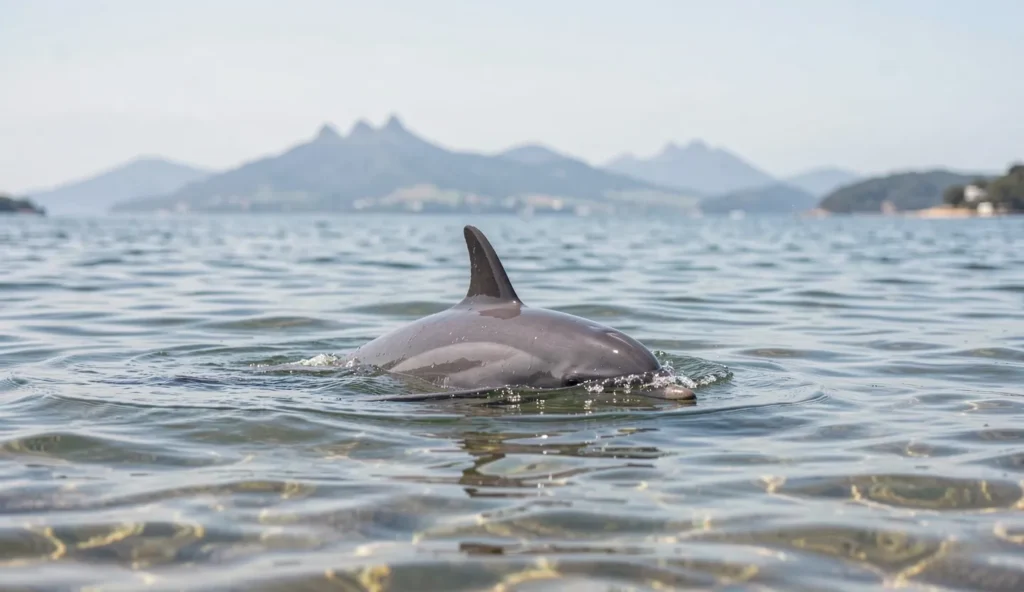
When surfacing occurs, the dorsal fin and upper back usually appear first, which gives observers time to compare the silhouette with known dolphin profiles. This timing matters because brief surfacing can limit visibility of the head.
Temperament And Social Behavior
Peale’s Dolphin generally shows social patterns expected of delphinids, with group members coordinating for foraging and movement. The behavior often looks purposeful in prey-rich coastal areas. These patterns can shift as seasons change, so Peale’s dolphin facts often emphasize variability rather than fixed group size.
Even so, consistent social cues help researchers record group structure. When vessels or observers keep distance, behavior tends to remain more natural.
Typical Group Size And Social Structure
Peale’s Dolphin is often seen in small to medium groups. Individuals within a group may coordinate during foraging, which increases efficiency when prey gathers nearshore. Association patterns can shift with the season, reflecting changes in food supply and water conditions.
Some groups show tighter clustering during active feeding, while other moments look more spread out as dolphins travel. Researchers often record group composition because it can support population estimates and habitat use studies.
Feeding Style And Prey Targets
Peale’s Dolphin forages in coastal waters using prey concentrated near shore. The diet typically includes small local fish and other available coastal prey. In productive areas, coordinated pursuit may appear, especially when prey swims near the surface.
Feeding intensity can change with water conditions such as turbidity and current speed. When visibility drops, dolphins often adjust their search behavior using echolocation and changes in surfacing patterns.
Movement, Swimming, And Surfacing Patterns
Surface intervals vary based on activity level and sea state. Dolphins may pause between foraging attempts, then resume quick movement when prey activity increases. Speed bursts can help them capture fast prey in short windows.
Breaching is not guaranteed and depends on context such as excitement, travel speed, or environmental conditions. Observers should focus first on regular surfacing and group movement rather than assuming spectacular surface events.
Vocalizations And Communication
Peale’s Dolphin uses clicks and whistles for communication and coordination. Like other delphinids, acoustic behavior supports group functioning during travel and feeding. Coastal acoustics can differ from open ocean sound paths, so sound production and hearing can adapt to local conditions.
Researchers may monitor vocalizations to estimate presence, behavior state, and movement patterns. These data become more useful when linked to location and habitat observations in areas like the Falkland Islands.
How Peale’s Dolphin Survives In Coastal Waters
Peale’s Dolphin survives by matching its behavior to nearshore habitat needs. Coastal waters concentrate prey but also expose dolphins to rapidly changing conditions. For anyone studying Peale’s dolphin facts, understanding how habitat, prey, and weather interact explains most day to day patterns.
Because the species relies on the coastal zone, disruptions to water conditions can affect feeding opportunities quickly. That is why ecological observations often focus on water conditions and local prey availability.
Habitat Preferences In The Southern Ocean Region
Nearshore coastal environments dominate sightings for Peale’s Dolphin. Water depth and bottom features can influence where prey appear, which then pulls dolphins into specific zones. Turbidity affects visibility and can change the way dolphins search and capture prey.
In some areas, groups may linger where currents bring food closer to shore. In others, they may move along the coast, tracking prey movements rather than staying in one spot.
Seasonal Changes And Local Conditions
Temperature shifts can alter prey availability, which then affects where dolphins feed. Storm and current patterns can also influence movement routes and the timing of surface intervals. Reproductive timing can shift energy needs, changing how intensively dolphins forage.
As conditions change, group behavior may become more active or more spaced out. Researchers often notice that these seasonal shifts align with local fish movements and productivity cycles.
Predators And Threats In The Wild
Predation risk varies by region and age class, with younger dolphins generally facing higher vulnerability. While natural predators can shape behavior, human activity often adds additional pressure in coastal zones. Bycatch and fishing pressure are significant threats for many coastal dolphins, including small species like Peale’s Dolphin.
Habitat disturbance can reduce local feeding opportunities, forcing dolphins to search longer for prey. When prey becomes harder to find, stress can rise and overall health can decline over time.
Common Health Risks And Conservation Considerations
Coastal life creates a specific set of health risks, and Peale’s Dolphin experiences several that researchers monitor closely. Overlap with fishing activities can increase injury risk, while water quality issues can affect the entire food web. Conservation planning therefore focuses on both direct harm reduction and broader ecosystem health.
Because this dolphin species is nearshore, monitoring often relies on field surveys, photo identification, and health observations. These tools help teams track where dolphins spend time and which risks dominate each region.
Injuries And Disease Factors Linked To Coastal Life
Coastal overlap increases the risk of injuries from fishing gear and other human-linked hazards. Parasites may affect skin and overall condition, especially when dolphins experience stress or reduced food access. Disturbance from boats can weaken resilience and influence how effectively dolphins recover.
Researchers also consider how disease transmission can occur in dense areas where groups repeat routes. Health assessments often include visible marks, behavior changes, and condition scores when possible.
Pollution And Water Quality Impacts
Contaminants can accumulate through the food web, and coastal diets can concentrate certain pollutants. Heavy metals and persistent chemicals may affect organ function and immune health over time. Low oxygen events can reduce prey availability, which then indirectly increases dolphin risk.
Water quality also shapes foraging success, since dolphins depend on prey that thrives under specific conditions. If prey declines, dolphins may spend more time searching and become more exposed to other hazards.
Conservation Status And Research Priorities
Population trends can differ by subregion, which means a single summary does not fit every coast. Photo ID and systematic surveys support understanding of distribution and movement patterns. Bycatch mitigation remains a practical conservation goal because it reduces injury and mortality risks.
Research also benefits from standardized observation methods, including consistent reporting of group size, behavior state, and location. When these records connect to local fishing data, conservation actions can target the most harmful conditions.
Is Peale’s Dolphin Right For You?
Peale’s Dolphin attracts interest from wildlife enthusiasts and researchers, but it also deserves realistic expectations. The species remains a wild marine mammal with complex social and ecological needs. Those needs make private keeping inappropriate and usually impossible.
However, responsible interest still matters because careful observation and support for research can contribute to better outcomes for coastal dolphin populations.
For Pet Lovers And Home Ownership Expectations
Peale’s Dolphin is not suitable as a pet because dolphins require specialized marine environments and complex social care. Dolphins remain wild animals with health risks that cannot be solved through casual ownership. Many places prohibit private keeping of dolphins due to welfare and safety concerns.
For pet lovers, the best alternative focuses on learning, supporting conservation, and choosing reputable education programs. Interest can also extend to similar species profiles, such as the Spinner Dolphin, to understand how different delphinids adapt to coastal and offshore zones.
For Wildlife Enthusiasts And Researchers
Wildlife enthusiasts can contribute by viewing dolphins from ethical distances and following local viewing rules. Keeping distance reduces disturbance and supports more natural behavior documentation. For researchers, observations on group structure, surfacing patterns, and habitat context add value to ongoing surveys.
Supporting local survey efforts and sharing responsibly collected data can improve coverage across the species range. When interest expands to other regions, comparing Peale’s Dolphin behavior with species like Hector’s Dolphin can help researchers see how coastal life differs across hemispheres.
Frequently Asked Questions
Where Can Peale’s Dolphin Be Found?
Peale’s Dolphin lives in coastal waters of southern South America and also occurs around the Falkland Islands.
What Is The Scientific Name Of Peale’s Dolphin?
The scientific name of Peale’s Dolphin is Lagenorhynchus australis.
What Do Peale’s Dolphin Eat?
Peale’s Dolphin eat small coastal fish and other local prey.
How Can Peale’s Dolphin Be Identified At Sea?
Observers can identify Peale’s Dolphin by its coastal countershading and distinctive dorsal fin profile.
Are Peale’s Dolphin Suitable As Pets?
No, Peale’s Dolphin are wild marine mammals with complex needs.
Peale’s Dolphin Watching And Research Value
Peale’s Dolphin offers a clear example of how coastal habitat shapes dolphin behavior, diet, and survival. Careful observation and strong conservation practices help protect this South America dolphin across its nearshore range.